Back to School Laundry Tips for Families in 2026

The annual back to school transition represents one of the most demanding periods for family households. Between August and September 2026, millions of families will navigate new schedules, academic requirements, and the logistical challenges of preparing students for success. Among these preparations, laundry management often becomes an overlooked but critical factor. School uniforms, athletic wear, everyday clothing, and specialty items create unprecedented laundry demands that require strategic planning and efficient solutions. Understanding how to streamline these processes while maintaining clothing quality and managing environmental impact makes the difference between chaos and control during this busy season.
Creating a Sustainable Back to School Laundry System
Establishing an efficient laundry routine before the school year begins prevents overwhelming accumulation and last-minute emergencies. Successful families treat laundry management as a systematic process rather than a reactive chore.
Key components of an effective system include:
- Designated sorting stations in bedrooms or bathrooms
- Weekly washing schedules aligned with school activities
- Pre-treatment stations for common stains like grass, food, and art supplies
- Inventory management for uniforms and essential clothing items
- Eco-friendly product selection that reduces environmental impact
The shift to school schedules demands different laundry strategies than summer routines. Students need clean uniforms, gym clothes, and appropriate attire ready for specific days. Sports participants require specialized care for performance fabrics. Packing balanced lunches becomes easier when families adopt similar planning approaches for clothing care.
Managing Multiple Students and Activities
Households with multiple children face exponential laundry challenges. Each student brings unique requirements based on grade level, activities, and dress codes.
| Student Profile | Weekly Load Estimate | Special Considerations |
|---|---|---|
| Elementary (K-5) | 3-4 loads | Art stains, playground dirt, frequent accidents |
| Middle School (6-8) | 4-5 loads | Increased social awareness, physical education, beginning sports |
| High School (9-12) | 5-6 loads | Athletics, uniforms, part-time work attire, special events |
Families utilizing commercial-grade laundry solutions report significant time savings and better cleaning results. The efficiency gained allows parents to focus on other back to school preparations while ensuring students have clean, fresh clothing available.

Addressing Common Back to School Stains and Odors
School environments expose clothing to diverse staining agents and odor sources. Proactive stain management preserves clothing investment and maintains professional appearance standards.
Elementary and Middle School Challenges
Younger students encounter unique laundry challenges throughout their school day. Cafeteria meals, art projects, science experiments, and outdoor play create persistent staining situations.
Most frequent elementary stains:
- Lunch items (ketchup, chocolate milk, mustard)
- Art supplies (paint, markers, glue)
- Playground dirt and grass
- Science lab materials
- Writing instruments (pen, pencil lead)
Pre-treatment becomes essential for these scenarios. Establishing a routine where students place stained items in designated pre-treatment bins immediately upon arriving home prevents setting and increases removal success rates. The 5-in-1 formulations combine stain treatment capabilities with standard cleaning, eliminating the need for multiple products.
Athletic and Performance Wear
High school students participating in athletics require specialized laundry approaches. Performance fabrics, protective equipment, and moisture-wicking materials demand proper care to maintain functionality and hygiene.
Modern athletic wear incorporates technical features that traditional detergents may damage. Temperature-sensitive washing, appropriate cycle selection, and products designed for synthetic materials protect these investments. Athletic-specific solutions address odor control and fabric preservation simultaneously.
Research shows that early rising habits among college students correlate with better mental health outcomes. Similarly, establishing morning laundry routines helps students develop responsibility and time management skills. Assigning age-appropriate laundry tasks teaches life skills while reducing parental burden.
Implementing Eco-Friendly Practices During Back to School
Environmental consciousness continues growing among families in 2026. Back to school season presents opportunities to adopt sustainable practices that reduce ecological impact while managing increased laundry demands.
Water and Energy Conservation
Traditional laundry methods consume substantial resources. Average households wash 300 to 390 loads annually, consuming approximately 13,500 gallons of water. Back to school season intensifies this usage through increased frequency and specialized loads.
Conservation strategies include:
- Cold water washing for most loads
- Full-load optimization to maximize efficiency
- High-efficiency machine selection
- Concentrated detergent formulations reducing packaging waste
- Line drying when weather permits
Commercial-grade capsule systems deliver precise dosing, eliminating waste from overpouring liquid detergents. Each capsule contains exact amounts needed for optimal cleaning, preventing environmental contamination from excess chemicals entering water systems.
Sustainable Product Selection
Choosing eco-friendly laundry products aligns with broader sustainability education many schools emphasize. Students learning about environmental responsibility appreciate when family practices reflect these values.
Families seeking comprehensive sustainable solutions often explore options like zero waste sustainable products alongside their laundry needs. This holistic approach to household management reinforces environmental values across multiple daily activities. The integration of eco-friendly laundry solutions demonstrates commitment to reducing household environmental impact.

Building Study Habits Through Routine Management
Academic success during the back to school period extends beyond classroom performance. Home routines, including laundry management, significantly impact student focus and stress levels.
| Routine Element | Academic Impact | Implementation Strategy |
|---|---|---|
| Morning preparation | Reduces decision fatigue | Outfit selection previous evening |
| Clean uniform availability | Improves confidence | Weekly washing schedule |
| Organized spaces | Decreases anxiety | Designated storage systems |
| Predictable schedules | Enhances time management | Consistent laundry days |
Students practicing effective study habits benefit from reduced household stress. When laundry systems function smoothly, families avoid morning emergencies searching for clean clothing, allowing students to focus on academic preparation.
Age-Appropriate Responsibility Assignment
Teaching children laundry skills develops independence and life competency. Age-appropriate task assignment creates learning opportunities while distributing household workload.
Elementary students (ages 5-10) can:
- Sort colors from whites
- Place items in designated hampers
- Fold simple items like towels
- Match sock pairs
- Deliver clean clothes to rooms
Middle school students (ages 11-13) can:
- Operate washing machines with supervision
- Understand basic stain treatment
- Manage their personal laundry schedule
- Fold and put away all clothing items
- Recognize fabric care labels
High school students (ages 14-18) should:
- Complete full laundry cycles independently
- Select appropriate products and settings
- Handle specialty items and uniforms
- Maintain their own schedules
- Troubleshoot common issues
This progressive responsibility model prepares students for college dormitory life while reducing parental workload during busy school years.
Organizing Back to School Laundry Spaces
Physical organization directly impacts laundry efficiency. Optimized spaces reduce time spent on each load while preventing lost items and missed steps.
Essential Organization Components
Functional laundry areas incorporate specific elements that streamline processes. Whether working with dedicated laundry rooms or compact apartment spaces, strategic organization maximizes efficiency.
The official back to school checklist from educational authorities covers many preparation aspects, though laundry systems often receive insufficient attention despite their daily impact.
Create zones for:
- Sorting (multiple hampers or bins)
- Pre-treatment (stain products and brushes)
- Washing (detergent, softener, specialty products)
- Drying (racks, hangers, dryer accessories)
- Folding (clean surface, storage baskets)
- Storage (organized by family member)
Utilizing capsule-based systems eliminates clutter from multiple bottles while ensuring proper dosing. Single-use capsules combine detergent, softener, stain treatment, and odor control, reducing storage requirements and simplifying product selection.
Labeling and Tracking Systems
Schools often require labeled clothing items, particularly for younger students. Permanent labeling systems prevent lost items while simplifying sorting in multi-child households.
Modern labeling options include iron-on tags, permanent markers, stamp systems, and custom woven labels. Coordinate these systems with home organization to create seamless tracking from school to laundry to storage.

Specialized Care for School Uniforms
Uniform programs simplify daily clothing decisions but introduce specific laundry challenges. Maintaining professional appearance throughout the school year requires appropriate care techniques.
Fabric-Specific Treatment
School uniforms typically feature specific fabric compositions requiring targeted care approaches. Cotton blends, polyester, and specialty fabrics each demand different handling.
Cotton uniforms:
- Wash in warm water for deep cleaning
- Tumble dry on medium heat
- Iron while slightly damp for crisp appearance
- Pre-treat collar and cuff staining promptly
Polyester blends:
- Use warm or cold water to prevent shrinkage
- Remove promptly from dryer to minimize wrinkles
- Avoid high heat during drying and ironing
- Address static with appropriate products
Specialty fabrics:
- Follow manufacturer care instructions precisely
- Test stain treatments on inconspicuous areas
- Consider professional cleaning for difficult items
- Rotate uniforms to extend lifespan
Color Preservation
Navy, burgundy, forest green, and other common uniform colors fade with repeated washing. Protecting color intensity maintains professional appearance and delays replacement costs.
Turn garments inside out before washing to reduce friction on exterior surfaces. Select detergents formulated for color protection. Avoid overloading machines, which increases abrasion. Consider cold water washing for color-fast items when soil levels permit.
The free and clear formulations provide powerful cleaning without harsh chemicals that accelerate color fading, particularly important for families managing uniform programs.
Managing Sports Equipment and Athletic Wear
Athletic participation creates intensive laundry demands beyond standard school clothing. Performance fabrics, protective equipment, and specialized items require informed care approaches.
Performance Fabric Considerations
Modern athletic wear incorporates moisture-wicking, compression, and temperature-regulation technologies. These features require specific washing approaches to maintain functionality.
Avoid fabric softeners, which coat synthetic fibers and reduce moisture-wicking capabilities. Select detergents designed for performance fabrics. Wash athletic wear separately from cotton items to prevent lint transfer. Air dry when possible to extend garment lifespan and preserve elastic components.
Sports participation timing affects laundry scheduling. Students with afternoon practices need clean gear available daily, while those with morning workouts require evening washing cycles. Aligning laundry schedules with practice times prevents equipment shortages.
Equipment Sanitization
Protective equipment, athletic shoes, and accessories develop odor-causing bacteria. Regular sanitization prevents health issues while maintaining equipment functionality.
Washable equipment items:
- Compression sleeves and supports
- Practice jerseys and shorts
- Headbands and wristbands
- Training gloves (sport-specific)
- Mesh equipment bags
Non-washable items requiring cleaning:
- Helmets (wipe interior padding)
- Shoulder pads (spray sanitizer)
- Athletic shoes (spot clean, deodorize)
- Protective cups (hand wash)
- Shin guards (wipe down)
The athletic clean formulations specifically address the intense odor and bacteria challenges associated with sports participation, providing specialized solutions beyond standard laundry products.
Preparing for Special Events and Activities
Back to school season includes various events requiring special attire: picture day, performances, presentations, field trips, and social gatherings. Managing these occasional needs alongside daily laundry demands requires advance planning.
Event Calendar Integration
Creating visibility into upcoming events prevents last-minute laundry emergencies. Digital family calendars, school newsletters, and student planners contain essential information for timing special garment preparation.
Schedule washing and preparation at least two days before events, allowing time for re-washing if needed. Inspect items for missing buttons, loose hems, or stains requiring professional attention. Keep backup options available for younger students prone to last-minute spills.
Seasonal Transition Management
The back to school period often coincides with seasonal clothing transitions. Late summer items gradually give way to fall wardrobes, requiring strategic rotation and storage.
Seasonal transition steps:
- Wash summer clothing before storage
- Inspect items for damage or staining
- Repair or discard worn pieces
- Store seasonal items properly
- Prepare fall/winter wardrobes
- Update size inventories for growing students
Proper storage prevents musty odors, insect damage, and wrinkles. Clean items thoroughly before storing, as residual stains oxidize during storage and become permanent. Use breathable storage containers and avoid plastic bags that trap moisture.
Maximizing Efficiency Through Product Selection
Product choice significantly impacts laundry efficiency during demanding back to school periods. Commercial-grade solutions designed for high-volume, challenging soil conditions outperform standard consumer products.
Concentrated Formulations
Traditional liquid detergents contain 60-70% water. Concentrated capsule systems eliminate this waste, delivering pure cleaning power in pre-measured doses. This concentration provides superior results while reducing storage space and packaging waste.
Single-dose capsules prevent overpouring, a common issue wasting product and money. Families using capsule systems report 30-40% reduction in annual detergent spending despite higher per-unit costs, resulting from precise dosing and elimination of waste.
Multi-Function Solutions
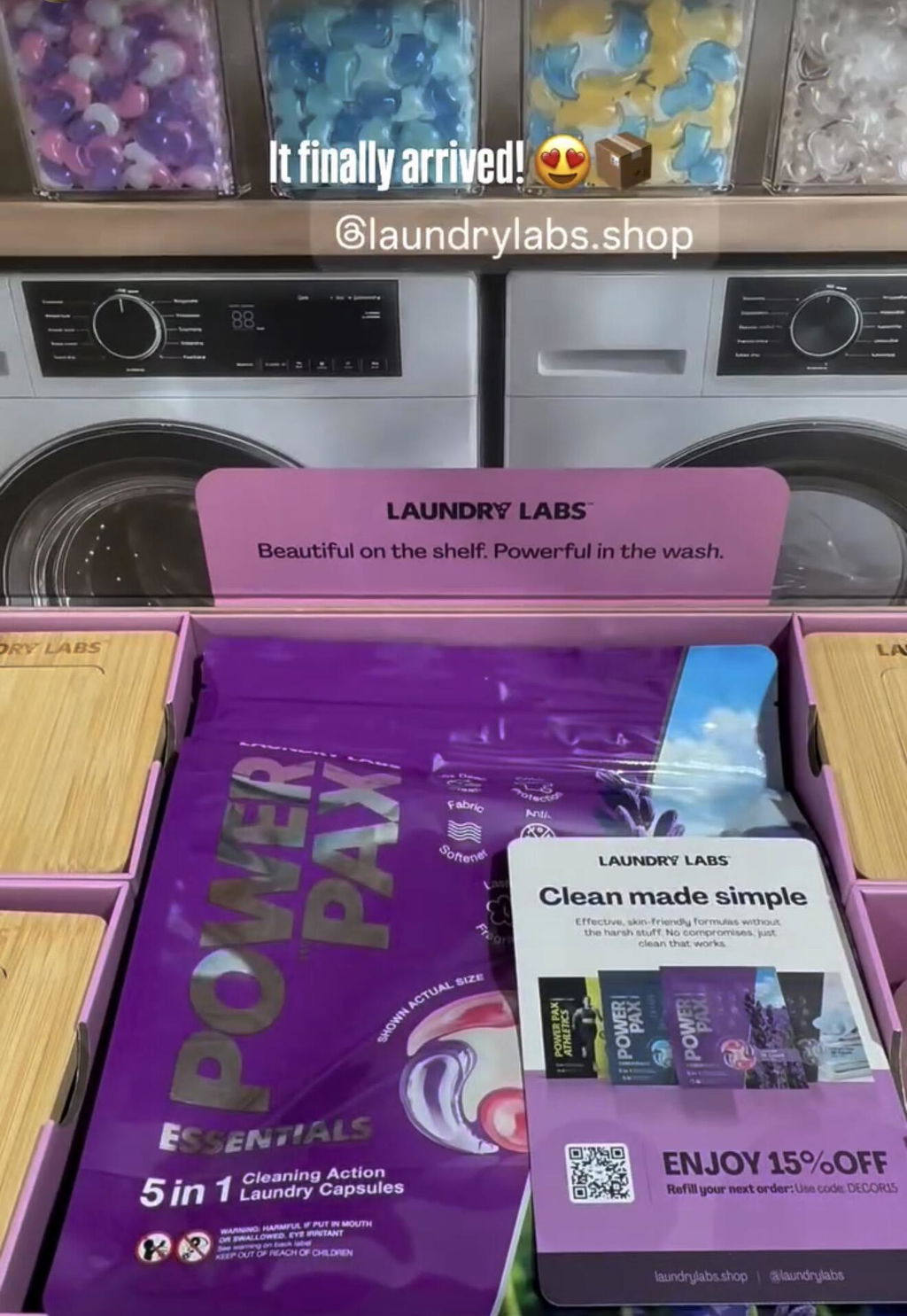
Products combining multiple functions streamline processes and reduce product proliferation. The 5-in-1 capsule formulations integrate detergent, softener, stain treatment, odor control, and brightening in single units.
This consolidation eliminates decisions about product combinations, dosing calculations, and storage management. Families appreciate simplified systems during busy school mornings when cognitive load already runs high.
Fragrance Considerations
Scent preferences vary significantly among family members and between households. Schools increasingly implement fragrance-free policies to accommodate sensitivities and allergies.
Understanding the science behind laundry fragrance helps families make informed decisions. Options ranging from fragrance-free formulations to light, fresh scents to more robust aromatherapy-inspired fragrances allow customization matching family preferences and school policies.
Health and Safety Considerations
Proper laundry practices during back to school season extend beyond appearance and convenience. Health and safety factors require attention, particularly for students with sensitivities or specific medical needs.
Allergen Management
Students with skin sensitivities, allergies, or respiratory conditions require hypoallergenic laundry products. Dyes, fragrances, and harsh chemicals trigger reactions in susceptible individuals.
Symptoms indicating product sensitivities include skin rashes, respiratory irritation, headaches, or contact dermatitis. Switching to fragrance-free, dye-free formulations typically resolves these issues. The free and clear product line addresses these concerns while maintaining cleaning effectiveness.
Preventing Cross-Contamination
Schools expose students to various pathogens and allergens. Proper laundry practices minimize disease transmission and allergic reactions within households.
Wash items contacting bodily fluids separately using hot water when fabric permits. Sanitize washing machines monthly to prevent biofilm development. Consider separate hampers for sick children during illness periods. Replace shared towels with individual assignments to prevent spread of skin conditions.
Research emphasizes that studying smarter rather than longer produces better academic outcomes. Similarly, working smarter with laundry through strategic product selection and systematic approaches yields superior results compared to simply increasing time investment.
Technology and Innovation in School Laundry Management
Modern technology offers solutions simplifying back to school laundry challenges. From smart appliances to organizational apps, innovation supports busy families managing complex schedules.
Smart Appliance Features
Current washing machines incorporate features specifically beneficial during high-demand periods. Delayed start functions allow programming cycles to complete when families arrive home. Steam sanitization eliminates bacteria without chemical additives. Auto-dosing systems optimize detergent usage based on load size and soil level.
These features particularly benefit families managing multiple students with varying schedules. Programming machines to complete cycles when students return from practice ensures fresh gear availability for next-day needs.
Digital Organization Tools
Smartphone applications help families coordinate laundry with complex academic and activity schedules. Shared calendars, task management systems, and inventory trackers prevent oversights and communicate needs across family members.
Barcode scanning apps track uniform inventories, alerting when replacement becomes necessary. Chore management applications assign age-appropriate laundry responsibilities to students, teaching accountability while distributing workload. Reminder systems prompt pre-treatment of special items before washing.
Subscription and Delivery Services
Busy families increasingly adopt subscription models for household necessities, including laundry products. Regular deliveries prevent running out of essential items during demanding school periods.
Calculating household needs based on family size, washing frequency, and student activities allows accurate subscription planning. Many families report reduced stress knowing supplies arrive automatically, eliminating emergency store runs during busy weeks.
Financial Planning for School Laundry Needs
Back to school expenses extend beyond tuition, supplies, and clothing. Laundry costs represent ongoing expenditures throughout the academic year. Strategic planning reduces these costs while maintaining quality standards.
Annual Cost Projection
Estimating yearly laundry expenses informs budgeting and product selection decisions. Average households spend $200-400 annually on laundry products, with active families at the higher range.
| Expense Category | Annual Cost Range | Optimization Strategies |
|---|---|---|
| Detergent | $120-240 | Concentrated formulations, bulk purchasing |
| Softener | $40-80 | Multi-function products, vinegar alternatives |
| Stain treatments | $30-60 | Integrated solutions, DIY options |
| Specialty products | $20-50 | Targeted use, product consolidation |
| Energy costs | $85-150 | Cold water washing, full loads, efficient machines |
Consolidating products through multi-function solutions reduces overall spending while simplifying purchases. The Laundry Labs savings calculator helps families project annual costs and compare product options.
Bulk Purchasing Benefits
Commercial-grade products typically offer volume purchasing options providing significant per-unit savings. Families with storage capacity benefit from buying larger quantities during back to school sales periods.
Calculate per-load costs rather than package prices when comparing options. Higher upfront costs for concentrated, commercial-grade formulations often deliver lower per-use expenses than discount consumer products requiring larger doses for equivalent results.
Successfully managing back to school laundry demands requires systematic approaches, quality products, and strategic planning. Families implementing organized routines, selecting appropriate solutions, and involving students in age-appropriate responsibilities reduce stress while teaching valuable life skills. Laundry Labs provides commercial-grade, eco-friendly capsule formulations designed specifically for the intensive cleaning demands families face during the school year, combining efficiency, sustainability, and powerful performance in convenient single-dose solutions that simplify your daily routine.