Best Detergent for Smell: 2026 Expert Guide

Finding the best detergent for smell requires understanding both the science of odor elimination and the specific needs of your fabrics. Whether you're dealing with persistent sweat odors, musty towels, or everyday freshness concerns, the right detergent makes all the difference. Modern laundry solutions have evolved far beyond basic cleaning, incorporating advanced odor-neutralizing technologies that target smell at the molecular level. This comprehensive guide explores what makes certain detergents exceptional at odor removal and helps you identify the perfect solution for your laundry challenges.
Understanding Why Odors Persist in Fabrics
Odors cling to fabrics for multiple reasons, and recognizing these factors helps explain why some detergents outperform others. Bacteria, body oils, and environmental contaminants embed themselves deep within fabric fibers, creating stubborn smell issues that basic cleaning agents cannot resolve.
The Science Behind Fabric Odors
When perspiration combines with bacteria on skin and transfers to clothing, it creates volatile organic compounds that generate unpleasant odors. These compounds bond with fabric at a molecular level, particularly in synthetic materials like polyester and spandex commonly found in athletic wear.
Traditional detergents often fail because they:
- Only mask odors with fragrance rather than eliminating them
- Lack enzymes needed to break down protein-based odor sources
- Cannot penetrate deep into synthetic fabric structures
- Leave residue that traps additional odors over time
Temperature also plays a critical role in odor development. Cold water washing, while energy-efficient, doesn't always activate detergent ingredients fully or kill odor-causing bacteria effectively.

Key Ingredients That Make the Best Detergent for Smell
Superior odor-fighting detergents contain specific active ingredients designed to attack smells from multiple angles. Understanding these components helps you evaluate product claims and select formulas that deliver genuine results.
Enzyme Complexes for Deep Cleaning
Proteases, amylases, and lipases form the enzymatic backbone of effective odor removal. These biological catalysts break down proteins, starches, and fats that harbor bacteria and generate smells. For those seeking top-rated laundry detergents specifically designed to eliminate odors, enzyme-rich formulations consistently rank highest in consumer testing.
| Enzyme Type | Target Substance | Odor Application |
|---|---|---|
| Protease | Proteins, blood, sweat | Body odor, athletic wear |
| Amylase | Starches, sugars | Food-related smells |
| Lipase | Fats, oils, grease | Cooking odors, body oils |
| Cellulase | Cellulose fibers | General fabric freshness |
Oxygen-Based Bleaching Agents
Sodium percarbonate and hydrogen peroxide release oxygen when dissolved in water, creating a powerful oxidizing action that destroys odor molecules without harsh chlorine bleach. This approach proves particularly effective for white fabrics and light colors.
Odor Encapsulation Technology
Advanced detergents employ cyclodextrin molecules that trap odor particles within their ring-shaped structures, preventing smell from returning even after washing. This technology represents a significant advancement over simple fragrance masking.
The expert-tested picks for fresh clothes in 2026 consistently feature products combining multiple odor-fighting mechanisms rather than relying on single-ingredient solutions.
Commercial-Grade Solutions Versus Consumer Products
Professional laundry facilities have long known that commercial-grade formulations deliver superior odor elimination compared to typical retail products. These concentrated solutions feature higher active ingredient percentages and industrial-strength enzymes.
Benefits of Commercial Formulations
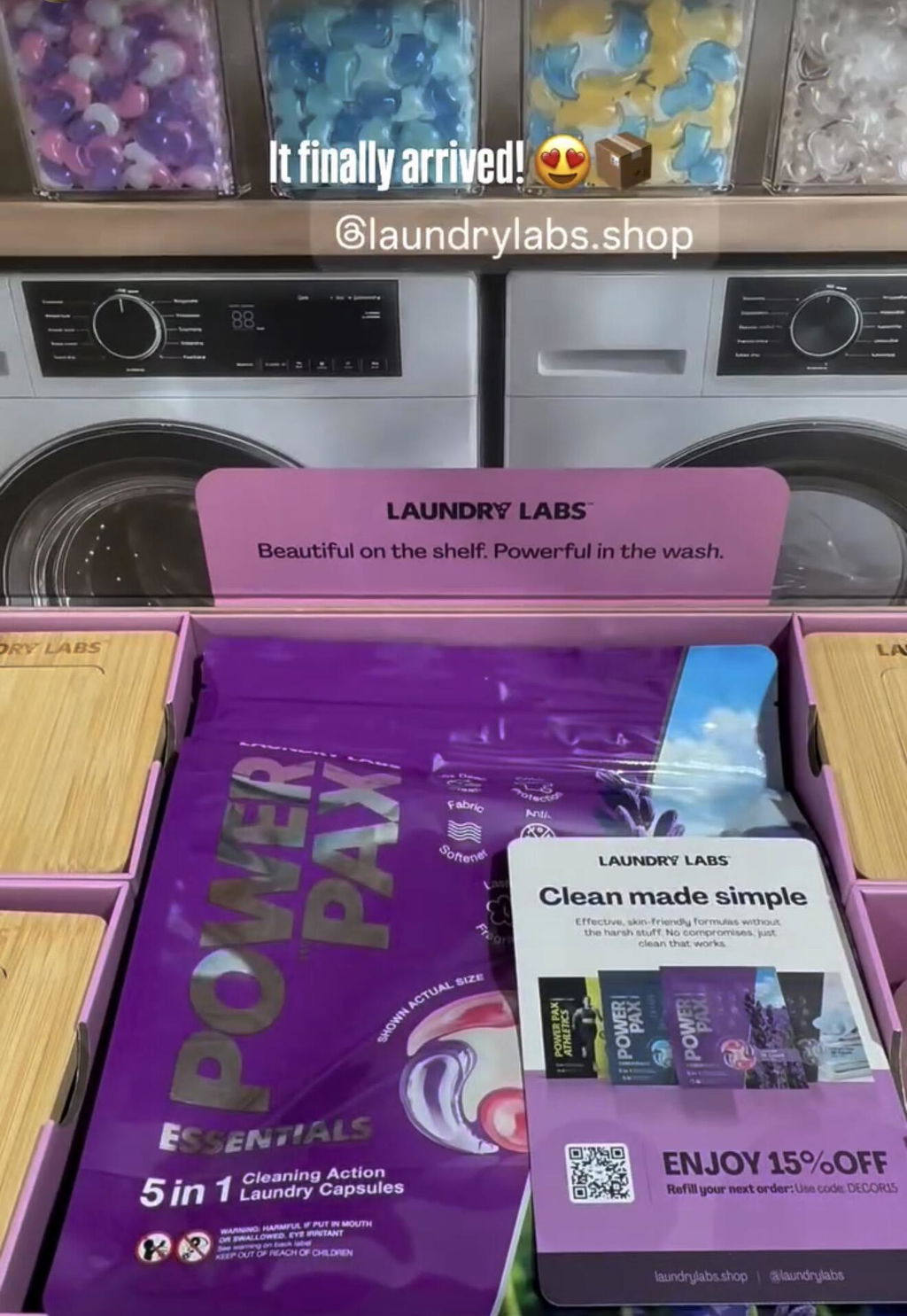
Multi-action capsules that combine detergent, softener, stain treatment, and odor control represent the pinnacle of laundry efficiency. Rather than purchasing separate products for each function, these all-in-one solutions streamline the washing process while delivering professional results.
Advantages include:
- Higher concentration of active odor-fighting ingredients
- Pre-measured doses that prevent under-dosing
- Reduced packaging waste through concentrated formulas
- Cost-effectiveness when calculated per load
- Consistent results without guesswork
Commercial products also undergo more rigorous testing protocols. Hotels, athletic facilities, and healthcare institutions demand reliable odor elimination, driving manufacturers to develop genuinely effective formulations rather than marketing-driven products.

Specialized Solutions for Different Odor Challenges
Not all smells respond equally to the same treatment approach. The best detergent for smell varies depending on the specific odor source and fabric type you're treating.
Athletic Wear and Performance Fabrics
Synthetic athletic materials trap odors more stubbornly than natural fibers due to their moisture-wicking structures. Specialized athletic-focused laundry solutions address this challenge with formulations designed for technical fabrics.
These products typically contain:
- Extra-strength enzymes targeting sweat proteins
- Antimicrobial agents that prevent bacterial growth
- Low-sudsing formulas that rinse cleanly from synthetic fibers
- pH-balanced chemistry that preserves fabric performance features
Temperature considerations matter significantly for athletic wear. While hot water kills bacteria effectively, it can damage elastic fibers and moisture-wicking properties. The ideal solution uses powerful enzymes that work in cold to warm water.
Towels and Linens
Towels develop musty odors when bacteria accumulate in their thick, absorbent fibers. This problem intensifies with repeated use between washings and inadequate drying. Professional linen care requires detergents with strong antimicrobial properties and deep-penetrating surfactants.
| Fabric Type | Primary Odor Source | Recommended Treatment |
|---|---|---|
| Cotton towels | Mildew, bacteria | Hot water, oxygen bleach, enzymes |
| Microfiber | Trapped oils, residue | Enzyme-heavy, no fabric softener |
| Bed linens | Body oils, dead skin | Regular enzyme treatment, periodic hot wash |
| Kitchen textiles | Food particles, grease | Lipase enzymes, degreasing agents |
Everyday Clothing Freshness
Regular wardrobe items benefit from balanced formulations that maintain freshness without aggressive chemicals that might fade colors or weaken fibers. For those interested in luxury-scented, nontoxic options, several brands now offer effective odor control with sophisticated fragrances.
Environmental Considerations and Sustainability
Eco-conscious consumers increasingly seek odor-fighting power without environmental compromise. Sustainable detergents prove that effective smell elimination doesn't require harsh chemicals or excessive packaging.
Plant-Based Enzyme Sources
Modern biotechnology produces powerful enzymes from sustainable plant sources rather than petroleum derivatives. These bio-based ingredients perform comparably to synthetic alternatives while reducing environmental impact.
Concentrated Formulas and Packaging Innovation
Traditional liquid detergents contain 50-90% water, requiring excessive packaging and transportation resources. Concentrated capsules eliminate this waste while delivering superior odor-fighting performance per unit volume.
Sustainability metrics to consider:
- Biodegradability of active ingredients
- Packaging recyclability and reduction
- Carbon footprint of production and shipping
- Water consumption during manufacturing
- Certifications (EPA Safer Choice, USDA BioPreferred)
Consumers can explore commercial-grade eco-friendly options that deliver professional results while supporting sustainability goals.
Proper Usage Techniques for Maximum Odor Elimination
Even the best detergent for smell performs poorly when used incorrectly. Optimizing washing procedures ensures your chosen product delivers its full odor-fighting potential.
Dosage Accuracy
More detergent doesn't mean better cleaning. Excessive amounts create residue that traps future odors, while insufficient quantities fail to activate cleaning mechanisms properly. Pre-measured capsules eliminate this guesswork entirely.
Water Temperature Selection
While hot water enhances enzyme activity and kills bacteria, it's not always necessary or appropriate. Modern enzyme formulations activate effectively in cold water, providing energy savings without sacrificing odor removal.
Temperature guide:
- Cold (60-80°F): Delicates, colors, synthetic athletic wear with advanced enzymes
- Warm (90-110°F): Mixed loads, moderate odors, general cleaning
- Hot (130°F+): Heavily soiled items, towels, whites, sanitization needs
Pre-Treatment Strategies
For stubborn odor situations, pre-treating affected areas amplifies detergent effectiveness. Applying a small amount of concentrated detergent directly to problem zones before washing allows enzymes additional time to break down odor-causing compounds.

Evaluating Product Claims and Marketing
The laundry aisle overflows with bold odor-elimination promises, but not all products deliver on their marketing. Critical evaluation helps identify genuinely effective solutions versus clever packaging.
Red Flags in Product Formulations
Be wary of detergents that list fragrance as the first or second ingredient. These products mask odors temporarily rather than eliminating them. True odor fighters prioritize active cleaning agents over perfume compounds.
Vague terms like "odor defense technology" or "smell-fighting power" without ingredient specificity often indicate marketing language rather than genuine innovation. Quality manufacturers clearly identify their active odor-fighting components.
Third-Party Testing and Verification
Independent laboratory testing provides more reliable performance indicators than manufacturer claims. Organizations like Consumer Reports and specialized laundry testing facilities evaluate products under controlled conditions.
Customer reviews offer valuable real-world insights, particularly when filtered for specific odor challenges. The power of certain odor-eliminating products becomes evident through consistent positive feedback from diverse users facing similar challenges.
Cost Analysis and Value Optimization
Price per bottle doesn't reflect true detergent value. Calculating cost per load while considering odor-fighting effectiveness provides accurate value assessment.
Price Comparison Methodology
| Product Type | Avg. Price | Loads per Container | Cost per Load | Odor Rating (1-10) |
|---|---|---|---|---|
| Budget liquid | $8 | 64 | $0.12 | 4 |
| Premium liquid | $18 | 64 | $0.28 | 7 |
| Powder concentrate | $15 | 100 | $0.15 | 6 |
| Commercial capsules | $45 | 425 | $0.11 | 9 |
When factoring in odor-fighting effectiveness, commercial-grade concentrated capsules often provide superior value despite higher upfront costs. These formulations eliminate the need for separate odor boosters, fabric softeners, and repeated washing cycles.
Long-Term Investment Benefits
Effective odor elimination extends garment lifespan by reducing wear from repeated washing. When clothes smell fresh after one cycle, you avoid the fabric degradation caused by multiple wash attempts with inferior products.
Professional-quality solutions like those offered through Laundry Labs' commercial formulations demonstrate that investing in proven technology ultimately reduces overall laundry expenses while delivering consistently superior results.
Special Considerations for Sensitive Skin
Powerful odor-fighting capabilities don't require irritating chemicals. Hypoallergenic formulations now match or exceed traditional detergents in smell elimination while remaining gentle on sensitive skin.
Fragrance-Free Excellence
The misconception that effective odor removal requires strong scents persists despite evidence to the contrary. Fragrance-free detergents using enzyme and oxygen-based cleaning eliminate odors at the source rather than covering them with perfume.
These formulations particularly benefit:
- Individuals with chemical sensitivities
- Babies and young children with developing immune systems
- People with skin conditions like eczema or psoriasis
- Households seeking to minimize synthetic fragrance exposure
Free and clear options prove that odor elimination and skin safety coexist successfully in modern formulations.
Machine Type Compatibility
High-efficiency (HE) washers and traditional top-loaders have different detergent requirements. Using appropriate formulations maximizes odor-fighting performance while protecting machine components.
HE Washer Optimization
High-efficiency machines use less water, requiring low-sudsing detergents that rinse thoroughly in minimal water. Excessive suds leave residue that becomes an odor source itself.
HE-compatible features:
- Concentrated formulas designed for low-water environments
- Quick-dissolving capsules that activate in cooler temperatures
- Reduced surfactant levels that still deliver cleaning power
- Formulations preventing residue buildup in machine components
Traditional Washer Applications
Standard top-loaders accommodate higher-sudsing products and larger detergent volumes. However, using HE-compatible detergents in these machines still works effectively and often provides better value through concentration.
Understanding your specific washing machine capabilities helps optimize residential laundry performance regardless of equipment age or type.
Storage and Handling Best Practices
Maintaining detergent effectiveness requires proper storage conditions. Improper handling degrades active ingredients, reducing odor-fighting capabilities before products reach your laundry.
Optimal Storage Conditions
Keep detergents in cool, dry locations away from direct sunlight and temperature extremes. Moisture exposure causes clumping in powders and can trigger premature enzyme activation in liquid formulas.
Storage guidelines:
- Seal containers tightly after each use
- Store between 50-80°F for maximum shelf life
- Keep away from humid laundry room conditions when possible
- Check expiration dates, particularly for enzyme-based products
- Avoid transferring products to unmarked containers
Safety Considerations
Modern capsule designs incorporate child-resistant features, but safe storage remains essential. Review safety tips to ensure proper handling procedures, especially in households with children or pets.
Making Your Selection
Choosing the best detergent for smell ultimately depends on your specific circumstances, priorities, and laundry challenges. No single product suits every situation perfectly, but understanding your requirements narrows the field considerably.
Decision Framework
Start by identifying your primary odor sources. Athletic households face different challenges than families with young children or professionals requiring consistently fresh business attire. Match detergent strengths to your specific needs rather than selecting based on general marketing claims.
Consider environmental values, budget constraints, and convenience factors alongside performance requirements. The ideal solution balances effectiveness, sustainability, cost, and ease of use in proportions that align with your priorities.
Testing smaller quantities before committing to bulk purchases allows hands-on evaluation. Many commercial suppliers offer sample kits that let you assess performance with your water conditions, machine type, and typical laundry loads.
Selecting the best detergent for smell transforms laundry from a frustrating chore into a reliable process that keeps fabrics fresh and inviting. By understanding odor sources, recognizing effective ingredients, and matching products to your specific needs, you ensure consistently excellent results. Laundry Labs offers commercial-grade, eco-friendly solutions that combine detergent, softener, stain treatment, and powerful odor control in convenient, concentrated capsules designed for maximum effectiveness and sustainability. Experience the difference that professional-quality formulations make in achieving truly fresh, odor-free laundry with every wash.