Clean Towels: Essential Guide to Freshness and Hygiene

Maintaining clean towels is fundamental to personal hygiene and household health, yet many people underestimate the importance of proper towel care. Whether you're managing towels for your family, operating a gym, or running a hospitality business, understanding the science behind towel cleanliness and implementing effective washing practices can prevent bacterial growth, extend fabric life, and ensure optimal freshness. This comprehensive guide explores everything you need to know about keeping towels hygienic, absorbent, and long-lasting in 2026.
The Science Behind Towel Hygiene
Every time you dry yourself with a towel, you transfer dead skin cells, body oils, and moisture onto the fabric. This creates an ideal breeding ground for bacteria, fungi, and even mold. According to research on towel washing frequency, towels can harbor millions of microorganisms within just a few uses.
The warm, damp environment of a bathroom accelerates bacterial growth exponentially. Within 72 hours of use, a seemingly fresh towel can contain more bacteria than a typical household surface. This reality underscores why maintaining clean towels isn't just about appearances but about protecting your health and skin.
Understanding Bacterial Growth Patterns
Different types of bacteria thrive on towels at different rates. Common culprits include:
- Staphylococcus aureus - Can cause skin infections and irritation
- E. coli - May transfer from hands to towels, especially in shared bathrooms
- Fungal organisms - Thrive in consistently damp conditions
- Mildew spores - Create unpleasant odors and potential respiratory issues
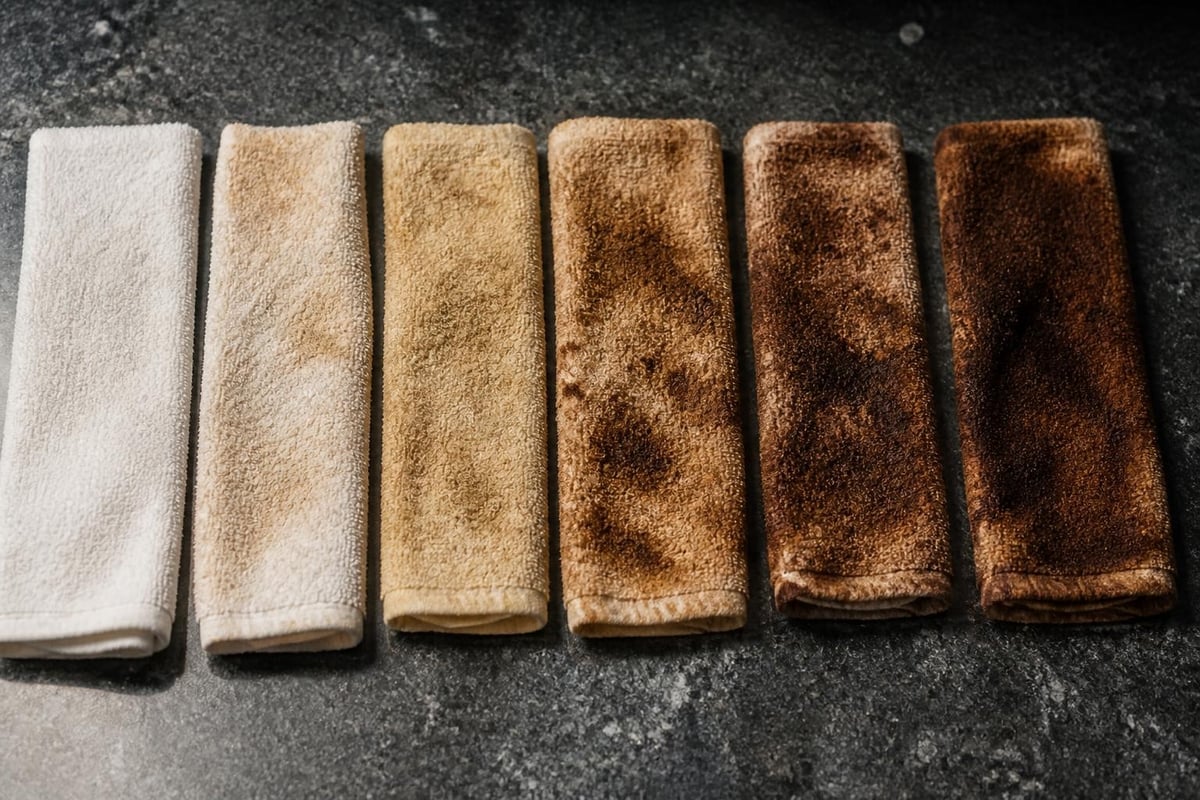
The moisture retention capacity of towels makes them particularly vulnerable. Even towels that feel dry to the touch may retain enough moisture in their fibers to support microbial communities. This is why proper drying between uses is just as critical as washing frequency.
Optimal Washing Frequency for Different Towel Types
Not all towels require the same washing schedule. Understanding the specific needs of different towel categories helps you maintain hygiene without unnecessary laundering.
Bath Towels and Body Towels
Expert recommendations for bath towel washing suggest laundering after three to four uses maximum. However, several factors may necessitate more frequent washing:
- High humidity environments require more frequent washing
- Shared bathroom situations demand stricter hygiene protocols
- Athletic or active individuals should wash after every two uses
- Those with skin conditions should consider daily towel changes
For optimal results, many households are adopting commercial-grade laundry solutions that deliver superior cleaning power while maintaining fabric integrity.
| Towel Type | Recommended Washing Frequency | Special Considerations |
|---|---|---|
| Bath Towels | Every 3-4 uses | More often in humid climates |
| Hand Towels | Every 1-2 days | High-touch item, wash frequently |
| Kitchen Towels | Daily | Contact with food requires daily washing |
| Gym Towels | After each use | Sweat and bacteria require immediate washing |
| Pool Towels | After each use | Chlorine and outdoor bacteria present |
Hand Towels and Kitchen Towels
Hand towels experience constant contact with multiple users throughout the day. These high-traffic items should be replaced daily, especially in family bathrooms or workplace settings. Kitchen towels present even greater hygiene concerns due to food contact and potential cross-contamination with raw ingredients.
Professional Washing Techniques for Clean Towels
Achieving truly clean towels requires more than simply tossing them in the washing machine. Professional laundry operators understand that water temperature, detergent selection, and machine settings all play crucial roles in effective sanitization.
Temperature and Cycle Selection
Hot water washing (130-140°F) remains the gold standard for sanitizing towels. The elevated temperature kills most bacteria and breaks down body oils more effectively than cold water. However, environmental concerns and energy costs have led many facilities to explore alternatives.
Modern detergent formulations, particularly eco-friendly laundry solutions, now deliver comparable sanitization results at lower temperatures. These advanced formulas combine enzymatic action with oxygen-based cleaning agents to eliminate bacteria without excessive heat.
Key washing parameters for optimal results:
- Sort towels by color and fabric weight before washing
- Avoid overloading the machine (towels need space to agitate)
- Use appropriate water temperature for fabric type
- Select a longer wash cycle for heavily soiled items
- Add an extra rinse cycle to remove all detergent residue
Detergent Selection and Dosage
The right detergent makes a significant difference in towel cleanliness and longevity. Conventional powder detergents can leave residue in towel fibers, reducing absorbency over time. Liquid detergents dissolve more completely but may contain unnecessary additives.
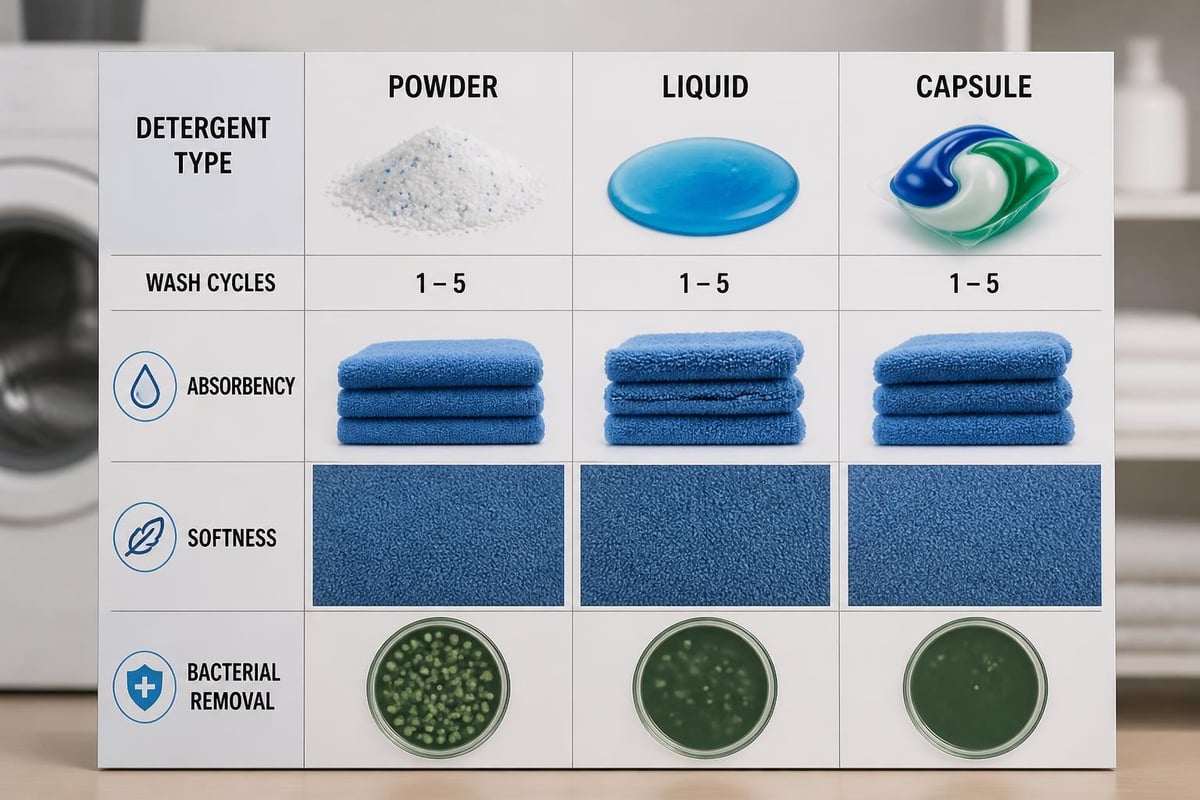
Advanced capsule formulations represent the latest evolution in towel care. These concentrated solutions combine detergent, softener, stain treatment, and odor control in precise dosages. The pre-measured format eliminates guesswork and prevents the overdosing that commonly damages towel fibers.
Common Mistakes That Compromise Towel Cleanliness
Even well-intentioned laundry practices can inadvertently reduce towel hygiene and shorten fabric life. Understanding these pitfalls helps you avoid them.
The Fabric Softener Paradox
While fabric softener promises softer, fluffier towels, experts advise against using it on towels. The coating left by traditional softeners actually reduces absorbency by creating a hydrophobic barrier on fibers. This defeats the primary purpose of towels.
Alternative softening methods include:
- Adding white vinegar to the rinse cycle (natural softener and deodorizer)
- Using dryer balls instead of dryer sheets
- Selecting detergents with built-in softening properties
- Reducing detergent quantity to prevent stiffness from residue
Overloading the Washing Machine
Cramming too many towels into a single load prevents proper agitation and rinsing. Towels need space to move freely through the water, allowing detergent to penetrate all fibers and rinse away completely. Overloaded machines produce towels that smell musty even when clean.
Professional laundromats typically fill machines only to 75% capacity when washing towels. This practice ensures thorough cleaning and extends both towel and machine longevity.
Drying Methods That Preserve Cleanliness
Proper drying is just as important as washing when it comes to maintaining clean towels. Comprehensive towel care guides emphasize that incomplete drying allows bacterial regrowth and creates musty odors.
Machine Drying Best Practices
High heat settings effectively sanitize towels during the drying process, killing any remaining bacteria that survived washing. However, excessive heat can damage fibers over time, particularly in cotton-blend towels.
| Drying Method | Temperature | Benefits | Drawbacks |
|---|---|---|---|
| High Heat | 135°F+ | Maximum sanitization | Can damage fibers over time |
| Medium Heat | 125-135°F | Balanced approach | Longer drying time |
| Low Heat | Below 125°F | Gentle on fabrics | May not fully sanitize |
| Air Dry | Ambient | Most eco-friendly | Requires outdoor space, weather dependent |
Remove towels from the dryer immediately upon completion to prevent wrinkles and musty smells from developing in the drum. Shake them out before folding to restore loft and fluffiness.
Line Drying Considerations
Air drying towels outdoors provides natural UV sanitization and fresh scent. However, line-dried towels often feel stiff due to mineral deposits and fiber compression. Running them in the dryer for 10-15 minutes on low heat after line drying creates the ideal combination of eco-friendliness and softness.
Special Situations Requiring Enhanced Towel Hygiene
Certain environments and circumstances demand more rigorous clean towel protocols than typical household use.
Athletic and Gym Environments
Fitness facilities face unique challenges with towel management. Sweat-soaked towels contain higher bacterial loads and require immediate laundering. Many athletic-focused laundry solutions now incorporate odor-fighting technology specifically designed for performance fabrics and heavy soil loads.
Gym towels should never be reused without washing, regardless of how briefly they were used. The combination of perspiration, skin contact, and shared equipment creates ideal conditions for pathogen transmission.
Healthcare and Spa Settings
Medical facilities and wellness centers maintain the highest towel hygiene standards. These environments typically use commercial laundry services that wash towels at hospital-grade temperatures with medical-grade detergents. Some facilities have adopted color-coding systems to prevent cross-contamination between different use areas.
Household Considerations for Skin Health
The impact of clean towels on skin health cannot be overstated. Individuals with acne, eczema, or sensitive skin should use fresh towels daily. Dirty towels can reintroduce bacteria to freshly cleaned skin, undermining skincare routines and potentially triggering breakouts.
Dermatologists frequently recommend:
- Using separate face towels that are washed daily
- Patting skin dry rather than rubbing to reduce irritation
- Choosing soft, high-quality towels that won't abrade sensitive skin
- Avoiding shared towels when managing active skin conditions
Storage Practices That Maintain Towel Freshness
Even perfectly laundered towels can develop musty odors if stored improperly. Strategic storage prevents contamination and extends the time towels remain fresh.
Optimal Storage Environments
Towels should be stored in dry, well-ventilated spaces away from moisture sources. Bathroom closets often trap humidity, creating conditions favorable for mildew growth. Consider these alternatives:
- Linen closets in hallways - Better air circulation than bathrooms
- Open shelving with airflow - Prevents trapped moisture
- Climate-controlled storage rooms - Ideal for commercial operations
- Sealed containers with moisture absorbers - For long-term storage
Never store damp or partially dry towels. This guarantees bacterial growth and permanent odor problems that even thorough washing cannot eliminate.
Rotation Systems for Extended Freshness
Implementing a towel rotation system ensures that all towels receive regular use and washing. This practice prevents some towels from sitting unused for months while others experience constant wear. Commercial operations typically maintain a three-set rotation: one in use, one in the laundry, and one in storage.
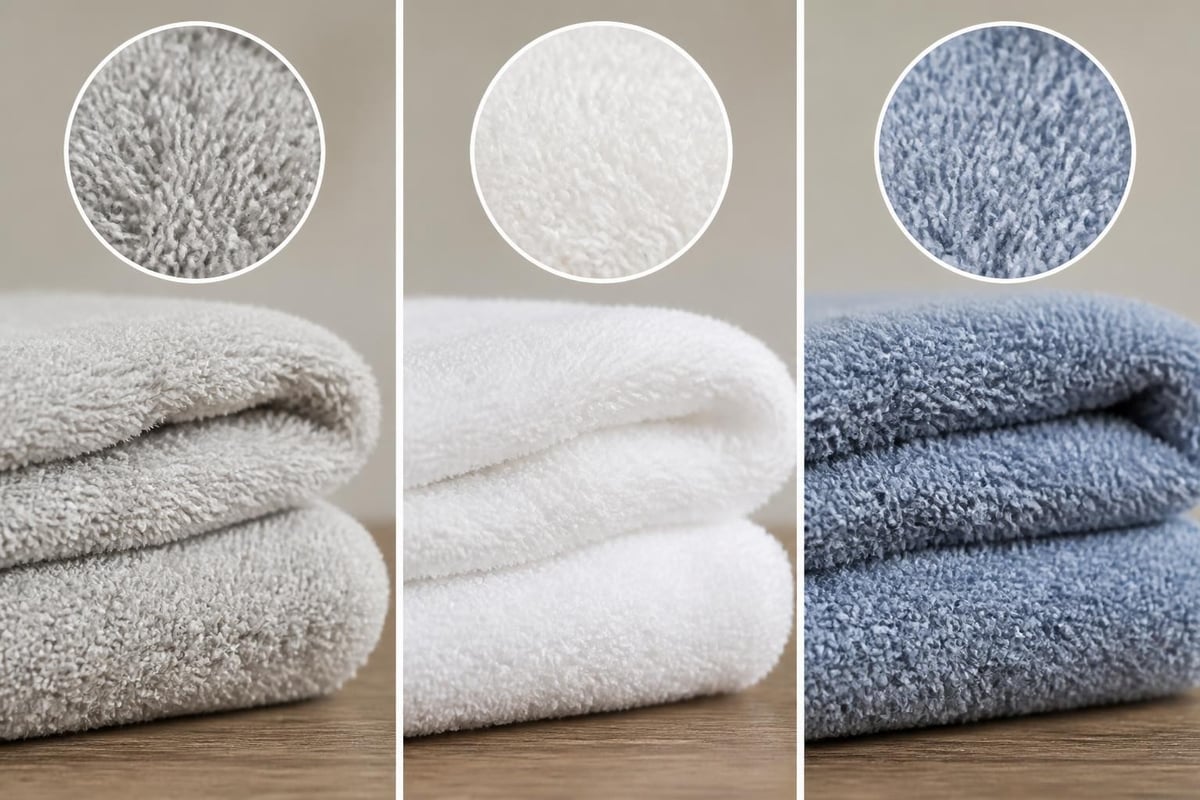
For households, marking towels with subtle tags or purchasing towels in different shades of the same color helps track usage and ensures even wear across your towel inventory.
Environmental Impact and Sustainable Practices
The pursuit of clean towels must balance hygiene requirements with environmental responsibility. Traditional towel laundering consumes significant water, energy, and chemical resources.
Water Conservation Strategies
Modern washing machines use substantially less water than older models, but towel washing still accounts for considerable water consumption. High-efficiency (HE) machines reduce water usage by 40-50% compared to traditional top-loaders while maintaining cleaning effectiveness.
Additional conservation measures include:
- Washing full loads rather than small batches
- Using cold water settings when appropriate for soil levels
- Installing water-efficient washing machines with advanced rinse technology
- Collecting and reusing rinse water for outdoor irrigation
Eco-Friendly Detergent Solutions
The detergent industry has evolved significantly toward sustainability. Eco-conscious formulations now deliver commercial-grade cleaning power using plant-based ingredients and biodegradable formulas. These products eliminate harmful chemicals from wastewater while protecting towel fabrics and skin health.
Concentrated capsule formats further reduce environmental impact by eliminating plastic bottles, reducing shipping weight, and preventing overdosing that wastes resources.
Professional Insights for Commercial Towel Management
Businesses that provide towels face distinct challenges compared to household users. Volume, consistency, and cost-effectiveness become critical factors alongside hygiene standards.
Scaling Towel Hygiene Protocols
Hotels, gyms, spas, and healthcare facilities process hundreds or thousands of towels weekly. These operations require systematic approaches to maintain quality:
Commercial washing protocols include:
- Dedicated washing machines for towels only
- Standardized detergent dosing systems
- Temperature monitoring to ensure adequate sanitization
- Quality control inspections for stains and odors
- Inventory tracking systems to manage replacement schedules
Cost-Effective Solutions Without Compromising Quality
Commercial operations constantly balance cost pressures against quality standards. Understanding what makes effective laundry detergent helps businesses select solutions that deliver results without unnecessary expenses.
Advanced capsule systems prove particularly cost-effective for commercial applications. The pre-measured format eliminates waste, ensures consistent results across staff members, and simplifies inventory management. When you calculate cost per load rather than cost per bottle, concentrated formulations often provide superior value.
Addressing Common Towel Washing Questions
Despite widespread information availability, confusion persists around proper towel care. Let's address frequently asked questions with professional clarity.
How Often Should You Really Wash Towels?
Expert guidance on washing frequency acknowledges that ideal schedules vary by circumstance. The three-to-four use guideline serves as a baseline for average conditions. Adjust based on climate, usage intensity, and personal health factors.
Do You Need to Wash Towels After Each Use?
Professional opinions on single-use washing vary. While daily washing isn't necessary for most bath towels, certain situations warrant it. Gym towels, face towels for acne-prone skin, and towels used during illness should be washed after every use.
Why Do Towels Smell Musty Even After Washing?
Persistent odors typically result from bacterial colonies that survive washing. This happens when:
- Water temperature is too low for effective sanitization
- Detergent dosage is insufficient
- Towels remain damp too long before drying
- Washing machine harbors mildew that transfers to loads
- Towels are stored before completely dry
Running an empty hot water cycle with white vinegar cleans washing machines and eliminates odor sources. For towels themselves, a hot wash with extra detergent and an additional rinse usually resolves smell issues.
Advanced Techniques for Stubborn Problems
Some towel challenges require specialized approaches beyond standard washing procedures.
Removing Set-In Stains
Oil-based cosmetics, self-tanner, and hair products create stubborn stains on towels. Pre-treating these areas with specialized stain removers before washing prevents permanent discoloration. For commercial operations, learning effective stain removal techniques becomes essential for extending towel lifespan.
Restoring Absorbency to Old Towels
Towels that have lost absorbency can often be rehabilitated through deep cleaning. Wash them in hot water with a cup of white vinegar but no detergent, then run a second cycle with baking soda. This strips away built-up residue that creates water-repellent barriers on fibers.
Managing Hard Water Challenges
Mineral-rich water leaves deposits in towel fibers, causing stiffness and reducing cleaning effectiveness. Installing water softeners addresses this at the source. Alternatively, adding water softening agents to each wash cycle helps prevent mineral buildup.
The Future of Towel Hygiene Technology
Innovation continues reshaping how we approach towel cleanliness. Emerging technologies promise even better results with reduced environmental impact.
Antimicrobial Fabric Treatments
Some manufacturers now produce towels with embedded antimicrobial agents that inhibit bacterial growth between washes. While promising, these treatments should complement rather than replace regular washing schedules.
Smart Washing Systems
Connected appliances can now automatically adjust wash parameters based on load composition, detecting towels and optimizing temperature, cycle length, and detergent dosage. These systems remove guesswork and ensure consistently clean towels.
Sustainable Material Science
Towel manufacturers are exploring bamboo, hemp, and recycled fibers that offer natural antimicrobial properties while requiring less intensive processing. These materials represent the intersection of sustainability and performance.
Maintaining truly clean towels requires understanding the science of bacterial growth, implementing proper washing techniques, and selecting appropriate laundry solutions for your specific needs. Whether you're managing household linens or operating a commercial facility, the practices outlined here will help you achieve optimal hygiene while extending towel lifespan. Laundry Labs offers eco-friendly, commercial-grade capsule solutions that simplify towel care with powerful formulations combining detergent, softener, stain treatment, and odor control in one convenient package, delivering professional results for every load.