Best Detergent for Stains: Complete 2026 Guide

Stains are the inevitable consequence of daily life-from coffee spills during morning commutes to grass stains on children's clothing and stubborn grease marks on work uniforms. Finding an effective detergent for stains requires understanding both the science behind stain formation and the technology that removes them. With sustainability becoming increasingly important in 2026, consumers and commercial facilities alike seek powerful cleaning solutions that don't compromise environmental responsibility. The right stain-fighting detergent combines targeted enzymatic action, advanced surfactants, and proper application techniques to restore fabrics without harsh chemicals or excessive water consumption.
Understanding How Stains Bond to Fabric
Different stains require different treatment approaches because of how they interact with textile fibers. Protein-based stains like blood, sweat, and food residue bond differently than oil-based stains from cooking grease or automotive fluids.
The Chemistry of Stain Adhesion
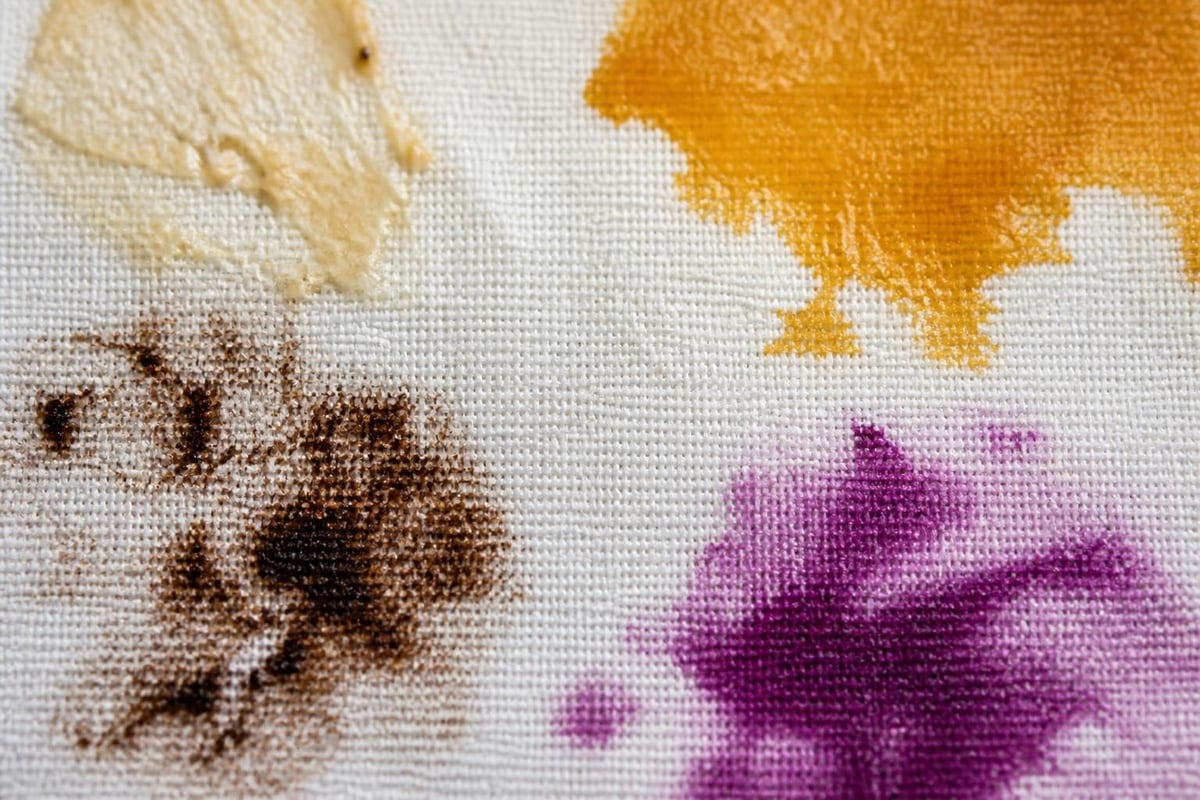
Stains penetrate fabric through several mechanisms. Water-soluble stains dissolve into the moisture already present in fibers, while oil-based stains coat fiber surfaces through hydrophobic attraction. Tannin stains from coffee, tea, and wine create chemical bonds with fabric molecules, making them particularly stubborn.
Temperature plays a critical role in stain setting:
- Heat causes protein stains to coagulate and permanently bond to fibers
- Hot water can set dye-based stains from beverages and fruits
- Cold water prevents many stains from setting during initial treatment
- Warm water activates detergent enzymes for optimal cleaning power
The American Cleaning Institute's stain removal guide emphasizes that identifying stain type before treatment significantly improves removal success rates.
Key Ingredients in Effective Stain-Fighting Detergents
Modern detergent for stains contains sophisticated ingredient systems designed to attack multiple stain types simultaneously. Understanding these components helps consumers select products that match their specific needs.
Enzyme Systems for Targeted Action
Enzymes are biological catalysts that break down specific stain molecules without damaging fabric. Commercial-grade formulations typically include four primary enzyme types:
| Enzyme Type | Target Stains | Optimal Temperature |
|---|---|---|
| Proteases | Blood, grass, dairy, egg | 86-140°F |
| Amylases | Starches, sauces, chocolate | 68-122°F |
| Lipases | Oils, grease, butter, makeup | 86-104°F |
| Cellulases | Dirt particles, color restoration | 68-104°F |
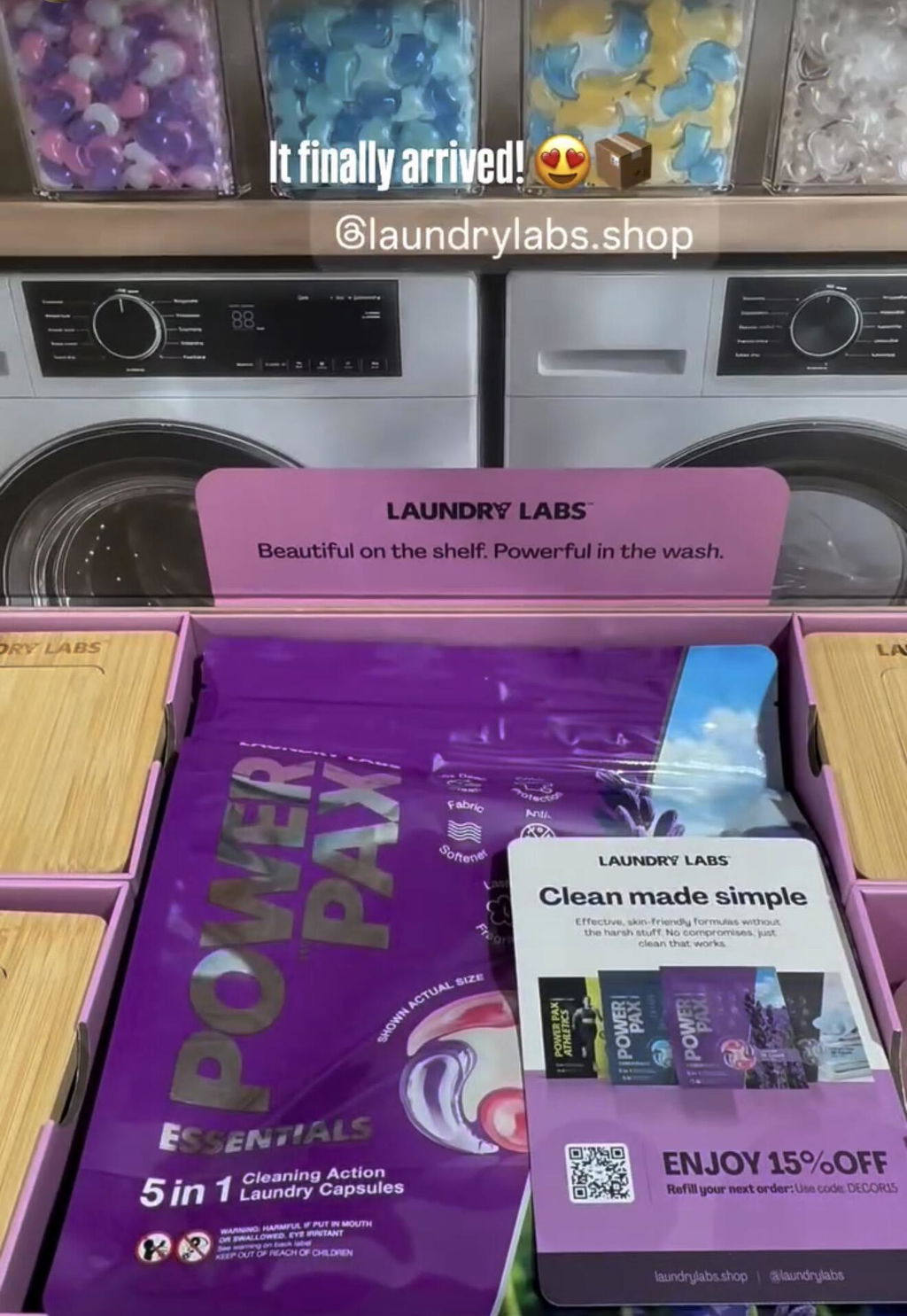
These enzymes work synergistically to dismantle stain molecules into water-soluble fragments that rinse away during the wash cycle. The Laundry Labs 5-in-1 capsules integrate multiple enzyme systems with surfactants and stain-lifting agents for comprehensive cleaning.
Surfactants and Oxygen Bleach
Surfactants reduce water's surface tension, allowing cleaning solutions to penetrate fabric fibers more effectively. They surround stain particles and suspend them in wash water for removal.
Oxygen-based bleaches offer powerful stain removal without chlorine's harshness:
- Safe for colors and most fabrics
- Activated by water temperature and pH levels
- Breaks down organic stains through oxidation
- Environmentally friendly compared to chlorine alternatives
The combination of surfactants and oxygen bleach creates a powerful one-two punch against stubborn stains while maintaining fabric integrity.
Treating Common Stain Categories
Different stain families demand specific treatment protocols. Using the wrong approach can permanently set stains or damage delicate fabrics.
Protein and Organic Stains
Blood, sweat, dairy products, and grass stains fall into this category. These stains require cold water treatment initially to prevent protein coagulation. According to research on laundry basics and stain treatment, protein stains should never encounter hot water before detergent application.
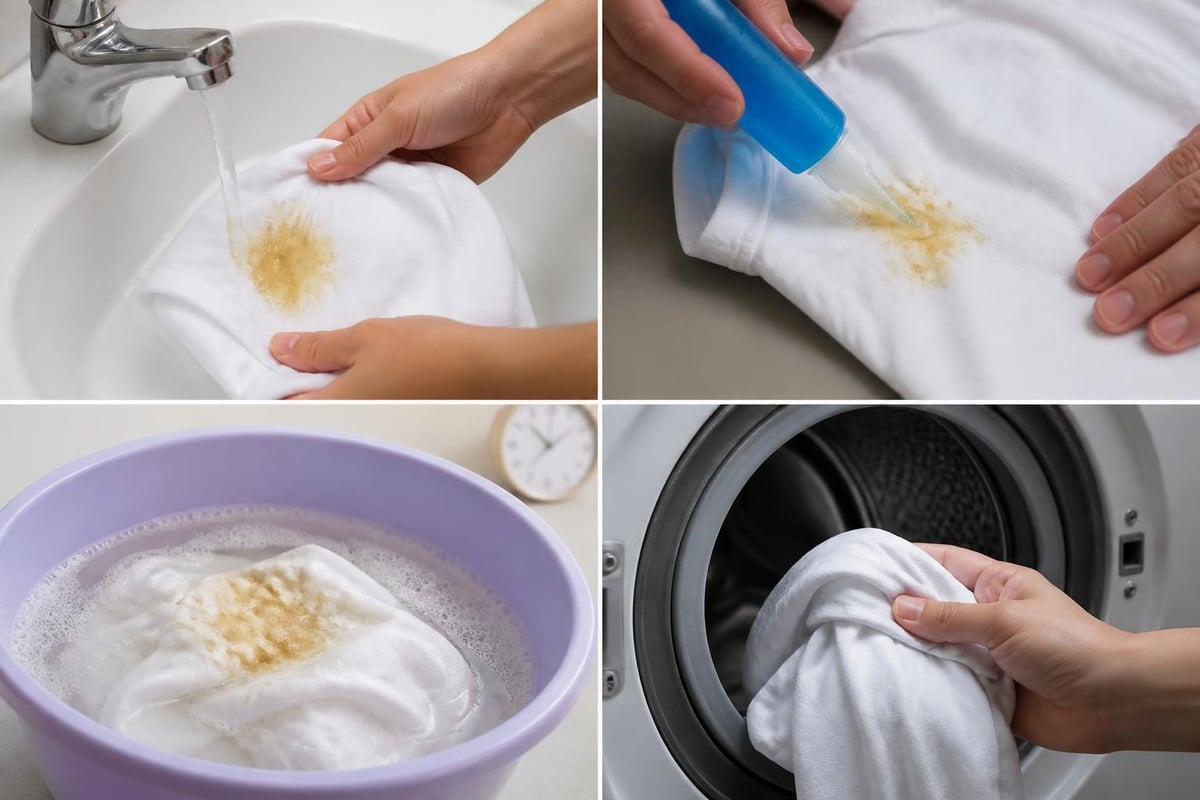
Pre-treatment steps for protein stains:
- Rinse immediately with cold water from the back of the fabric
- Apply detergent for stains directly to the affected area
- Gently work the detergent into fibers without aggressive rubbing
- Allow enzymatic action for 15-30 minutes before washing
- Wash in cold or warm water, never hot
Grass stains present a unique challenge because they combine protein from chlorophyll with tannins and other organic compounds. The multi-enzyme approach in commercial-grade detergents addresses these complex stain structures more effectively than single-enzyme formulations.
Oil-Based and Grease Stains
Automotive grease, cooking oil, butter, and petroleum-based stains require degreasing action. These stains repel water, so standard washing often proves ineffective without proper pre-treatment.
The most effective approach involves applying concentrated detergent directly to dry fabric. This allows surfactants to emulsify the oil before water dilution occurs. Working the detergent into the stain with gentle rubbing creates a lather that suspends oil particles.
Dye and Tannin Stains
Wine, coffee, tea, and fruit juice create some of the most visible and persistent stains. These stains contain tannins or artificial dyes that bond quickly with fabric molecules.
| Stain Source | First Response | Treatment Method |
|---|---|---|
| Red wine | Blot immediately, apply salt | Cold water rinse, oxygen bleach soak |
| Coffee | Flush with cold water | Enzyme detergent, warm wash |
| Berry juice | Stretch fabric over bowl | Pour boiling water through stain |
| Tea | Rinse with cool water | Glycerin pre-treatment, enzyme wash |
Speed matters critically with dye-based stains. The longer these compounds remain in contact with fabric, the stronger their molecular bonds become. Immediate treatment with the appropriate detergent for stains significantly improves removal odds.
Advanced Stain Removal Techniques
Beyond basic washing, certain stubborn stains require specialized approaches that combine detergent technology with mechanical and chemical assistance.
Soaking and Pre-Treatment Strategies
Extended soaking allows enzymes and surfactants additional time to break down stain molecules. For commercial applications and heavily soiled items, strategic soaking reduces the need for repeat washing cycles.
Effective soaking protocols:
- Use water temperature appropriate to stain type (cold for protein, warm for oil)
- Add detergent at double the normal concentration
- Soak duration ranges from 30 minutes to 8 hours depending on stain severity
- Agitate periodically to refresh detergent contact with stained areas
- Rinse thoroughly before machine washing
The guide on removing stubborn stains recommends testing any soaking solution on hidden fabric areas first to ensure colorfastness.
Avoiding Common Detergent Application Mistakes
Many stain removal failures stem from improper detergent use rather than product ineffectiveness. Understanding these common errors prevents frustration and fabric damage.
Overloading washing machines dilutes detergent concentration and reduces cleaning effectiveness. Fabric items need sufficient space for agitation and water circulation. Similarly, using too much detergent creates excessive suds that trap soil particles rather than removing them. This phenomenon, discussed in detail by laundry experts analyzing detergent stains, often results in residue buildup on clothing.
Temperature selection represents another critical factor. While hot water seems intuitive for heavy cleaning, it sets many stain types permanently and can damage modern synthetic fabrics engineered for athletic performance or moisture wicking.
Eco-Friendly Stain Fighting Solutions
The laundry industry has experienced significant innovation in sustainable stain removal technology. Modern eco-friendly detergent for stains delivers commercial-grade performance without environmental compromise.
Plant-Based Enzymes and Biodegradable Surfactants
Traditional petroleum-derived detergent ingredients have given way to plant-based alternatives that match or exceed their cleaning power. These bio-based formulations break down naturally in wastewater treatment systems without accumulating in ecosystems.
Sustainable ingredient advantages:
- Renewable resource derivation reduces carbon footprint
- Biodegradable surfactants prevent aquatic toxicity
- Plant enzymes offer equal or superior stain-fighting ability
- Reduced packaging waste through concentrated formulations
- Lower water consumption during manufacturing
Capsule-based delivery systems, like those offered in Laundry Labs' product line, eliminate measuring errors and reduce packaging waste compared to liquid detergents in plastic bottles.
Concentrated Formulations and Water Conservation
Concentrated detergent technology delivers more cleaning power per unit volume, reducing transportation emissions and packaging materials. Modern capsules contain up to three times the active ingredients of traditional liquid detergents in a fraction of the space.
These concentrated formulations also support water conservation efforts. Less product volume means reduced water needed for dissolution, and optimized enzyme systems clean effectively in shorter wash cycles with lower water levels.
Commercial Applications for Stain Treatment
Hospitality, healthcare, and industrial settings face unique stain challenges requiring reliable, scalable solutions. Commercial-grade detergent for stains must deliver consistent results across high-volume operations while meeting budget constraints.
High-Volume Laundry Operations
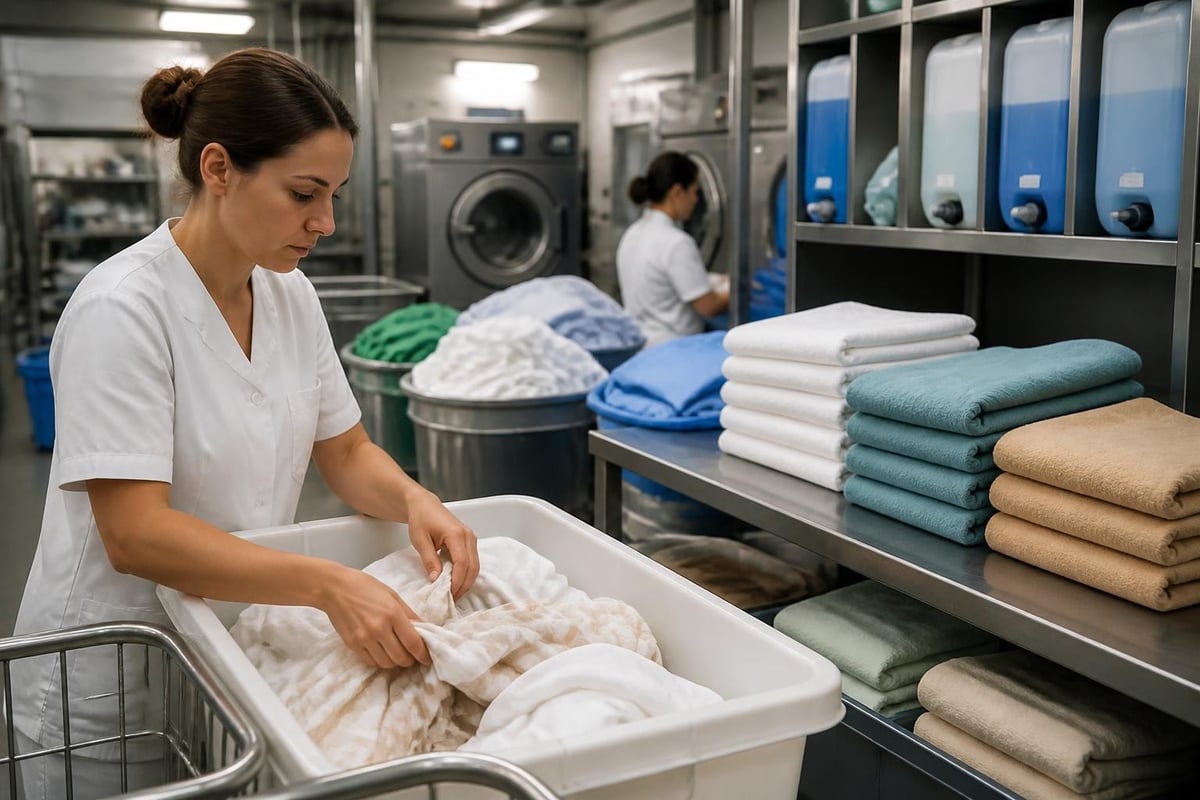
Hotels, restaurants, and healthcare facilities process enormous quantities of stained linens, uniforms, and textiles daily. These operations demand detergents that perform reliably across varied stain types without requiring extensive sorting or pre-treatment labor.
Commercial stain removal priorities:
- Consistent performance across water conditions and temperatures
- Cost-effectiveness measured per load rather than per package
- Rapid action to support fast turnaround requirements
- Compatibility with commercial washing equipment
- Minimal residue to prevent skin irritation on reused textiles
The Athletic Pax formulation specifically addresses the heavy soil and odor challenges in gym and sports facility laundry operations, where sweat, grass, and dirt stains combine with bacteria-driven odors.
Specialized Applications for Healthcare and Food Service
Healthcare facilities contend with biological stains including blood, bodily fluids, and medication residues that demand both effective cleaning and proper sanitation. Food service operations battle grease, food dyes, and organic stains while meeting strict hygiene standards.
These environments require detergent formulations that achieve both visible stain removal and microbial reduction. Oxygen-based bleaching systems provide this dual action without the fabric damage or environmental concerns associated with chlorine bleach.
Innovations Shaping Stain Removal Technology
The science of stain removal continues advancing through materials research and formulation chemistry. Understanding emerging technologies helps consumers and facility managers make informed decisions about future product investments.
Smart Fabric Treatments
Researchers have developed fabric coatings that prevent stains from bonding to fibers in the first place. The self-cleaning fabric coating technology being developed creates a protective barrier that repels both liquids and bacteria, potentially reducing detergent needs for treated garments.
While these treatments show promise, they currently work best as preventative measures rather than solutions for existing stains. Traditional detergent for stains remains essential for treating soiled items and maintaining fabric freshness.
Customizable Multi-Action Formulations
The trend toward all-in-one laundry solutions reflects consumer demand for simplified routines without performance compromise. Products combining detergent, fabric softener, stain treatment, and odor elimination in single-dose formats reduce storage needs and eliminate measuring errors.
These integrated systems prove particularly valuable in commercial settings where labor costs and operational efficiency directly impact profitability. Pre-measured doses ensure consistent results across different operators and eliminate waste from over-pouring liquid detergents.
Selecting the Right Detergent for Your Needs
Choosing an effective detergent for stains requires assessing several factors beyond marketing claims. Consider water hardness, typical stain types, fabric varieties, and sustainability priorities when evaluating options.
Assessment Criteria for Stain-Fighting Performance
Key evaluation factors:
- Enzyme diversity and concentration for broad stain coverage
- Surfactant quality and environmental profile
- Temperature range for optimal performance
- Compatibility with high-efficiency washing machines
- Value based on cost per load rather than package price
- Packaging sustainability and storage convenience
Water hardness significantly affects detergent performance. Hard water contains minerals that bind with surfactants, reducing their cleaning effectiveness. Formulations designed for hard water conditions include chelating agents that neutralize these minerals, allowing surfactants to focus on stain removal.
Matching Products to Application Requirements
Residential users face different stain challenges than commercial operators. Home laundry typically involves mixed loads with varied stain types, while commercial facilities often process similar items in bulk.
For athletic wear and performance fabrics, specialized formulations address synthetic fiber characteristics and the combination of sweat, oils, and outdoor stains. The science behind laundry fragrance becomes relevant when considering how scent molecules interact with performance fabrics designed to wick moisture.
Sensitive skin considerations drive demand for free-and-clear formulations that eliminate dyes and fragrances while maintaining stain-fighting effectiveness. The Free & Clear product line demonstrates that hypoallergenic formulations need not sacrifice cleaning power.
Storage and Handling Best Practices
Proper detergent storage preserves effectiveness and ensures safety, particularly important with concentrated formulations and enzyme-based products.
Maintaining Product Effectiveness
Enzymes remain active but degrade over time when exposed to heat, humidity, or light. Store detergent in cool, dry locations away from direct sunlight. Capsule formats offer advantages here, as individually sealed doses maintain freshness better than repeatedly opened liquid containers.
Storage recommendations:
- Keep containers sealed tightly between uses
- Avoid storage in hot laundry rooms or near heat sources
- Use products within manufacturer-recommended timeframes
- Protect from moisture to prevent caking or premature dissolution
- Store out of reach of children and pets for safety
Capsule detergents require particular attention to moisture control. Their water-soluble film dissolves on contact with humidity, potentially causing clumping or premature activation.
Safety Considerations for Concentrated Products
Concentrated formulations deliver powerful cleaning but require responsible handling. Never mix different detergent products, as chemical interactions can produce harmful fumes or reduce effectiveness.
Capsules should never be handled with wet hands or punctured before use. The concentrated ingredients inside can irritate skin and eyes. Always follow manufacturer instructions for proper dosing and placement in washing machines.
Testing and Verifying Stain Removal Success
Effective stain treatment requires verification before items enter the dryer, as heat permanently sets any remaining stain residue.
Pre-Drying Inspection Protocol
After washing, inspect previously stained areas while fabric remains damp. Residual staining appears more clearly on wet fabric than dry. If traces remain, repeat treatment rather than drying, which will make removal significantly harder.
Inspection checklist:
- Examine stained areas under good lighting
- Compare with unstained portions of the same garment
- Feel fabric texture for residue that may not be visible
- Smell for lingering odors indicating incomplete cleaning
- Re-treat and rewash if any stain evidence persists
For valuable or delicate items, air drying after initial treatment allows assessment before committing to heat. Once satisfied with stain removal, proceed with normal drying methods.
Adjusting Treatment for Persistent Stains
Some stains require multiple treatment cycles. Rather than increasing detergent quantity, which can cause residue problems, extend enzyme contact time through longer soaking or repeated applications of concentrated product directly to stain areas.
Alternating treatment methods sometimes succeeds where single approaches fail. For example, treating a combination stain first with enzyme-rich detergent for protein components, then with oxygen bleach for dye elements, can achieve results neither method accomplishes alone.
Effective stain removal combines understanding stain chemistry, selecting appropriate detergent technology, and applying proper treatment techniques. By choosing concentrated, eco-friendly formulations with diverse enzyme systems and quality surfactants, both households and commercial operations achieve superior results while supporting sustainability goals. Laundry Labs offers commercial-grade capsule solutions that integrate stain fighting, odor control, and fabric care in convenient single-dose formats, delivering professional-level cleaning performance with environmental responsibility. Whether managing home laundry or operating commercial facilities, the right detergent technology transforms stain removal from frustrating challenge to reliable routine.