
Eco Detergent Guide: Sustainable Cleaning Solutions 2026

As we move into 2026, the impact of our daily choices, including laundry routines, is more important than ever for the environment. Concerns about chemical pollution and the ecological footprint of traditional products are rising worldwide.
This guide will help you navigate the latest eco detergent innovations, so you can make informed, sustainable decisions for your home. The eco detergent market is evolving rapidly, offering solutions that are safer for your family and better for the planet.
Inside, you will learn what defines a truly eco-friendly detergent, discover new product formats, understand essential certifications, and explore top brands. We will also share practical tips for greener cleaning.
Ready to make a positive change? Use this guide to transition confidently to eco detergent and support a cleaner, healthier world.
The Evolution of Eco Detergents: 2026 Trends and Innovations
The eco detergent landscape has transformed rapidly in recent years, driven by innovation, regulation, and changing consumer values. In 2026, the demand for safer, greener cleaning is at an all-time high. Understanding what makes an eco detergent truly sustainable is crucial as new products and technologies enter the market.
Understanding Eco Detergents: Definition and Criteria
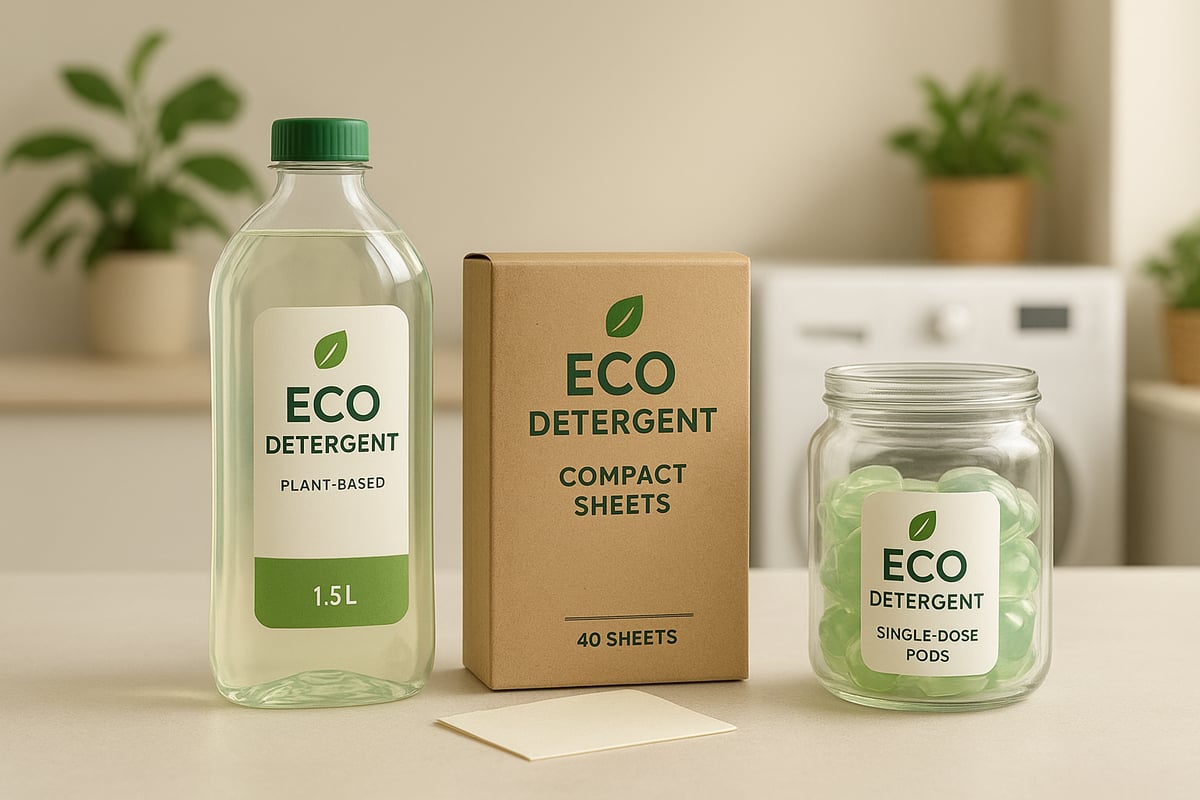
In 2026, an eco detergent is defined by a commitment to the environment at every stage. These detergents use biodegradable ingredients that break down safely after use, reducing their impact on water systems. Unlike traditional options, an eco detergent avoids toxins like phosphates, optical brighteners, and synthetic fragrances.
A key shift has been the adoption of plant-based surfactants and renewable resources. Brands now focus on cleaner formulations, often replacing petroleum-derived chemicals with alternatives from coconut or corn. Packaging has also evolved, with compostable pouches, refillable containers, and plastic-free options becoming standard.
Performance is no longer compromised. Many eco detergent brands match or surpass conventional products in stain removal and odor control. Data from recent years shows a steady increase in consumer adoption, with eco detergent market share rising as more people seek safer solutions. The transition from bulky liquid bottles to lightweight sheets and capsules also reflects a broader move to reduce packaging waste.
Regulatory and Industry Standards
Global regulations have pushed eco detergent innovation further in 2026. In the EU, US, and Asia-Pacific, stricter rules now govern the use of certain chemicals, especially those harmful to aquatic life. Brands must comply with bans on microplastics and persistent toxins, driving them to reformulate products responsibly.
Third-party certifications have gained importance. Labels like EPA Safer Choice, EU Ecolabel, and Leaping Bunny help consumers identify trustworthy eco detergent products. Many brands now display multiple certifications to demonstrate compliance with environmental and ethical standards.
Industry response has been swift. Companies invest in research to meet guidelines and maintain market presence. Enhanced ingredient transparency is also a result, as brands seek to build trust and prove their claims. For a deeper look at this shift from conventional to plant-based cleaning, you can explore the Science of Non-Toxic Detergents.
Consumer Demand and Market Growth
Consumer demand is a primary force behind the rapid evolution of eco detergent products. From 2020 to 2026, sales of eco detergent have soared, with market research indicating double-digit growth rates. Millennials and Gen Z are leading this shift, prioritizing sustainability and ingredient transparency in their purchasing decisions.
Social media and green influencers have amplified the conversation, making it easier for consumers to share experiences and recommendations. As a result, major retailers have expanded shelf space for eco detergent brands and introduced dedicated sections for sustainable cleaning solutions.
This momentum is expected to continue as more households recognize the benefits of switching. Eco detergent not only provides a safer choice for families but also supports the broader move towards a cleaner, healthier planet.
Key Ingredients and Certifications: What to Look for in Sustainable Detergents
Choosing the right eco detergent in 2026 means understanding what goes into the bottle and what those ingredients mean for your clothes, your health, and the planet. As the demand for greener cleaning grows, so does the importance of transparency and trusted certifications. Let us break down the essentials you need to know before making your next sustainable laundry purchase.
Essential Eco-Friendly Ingredients
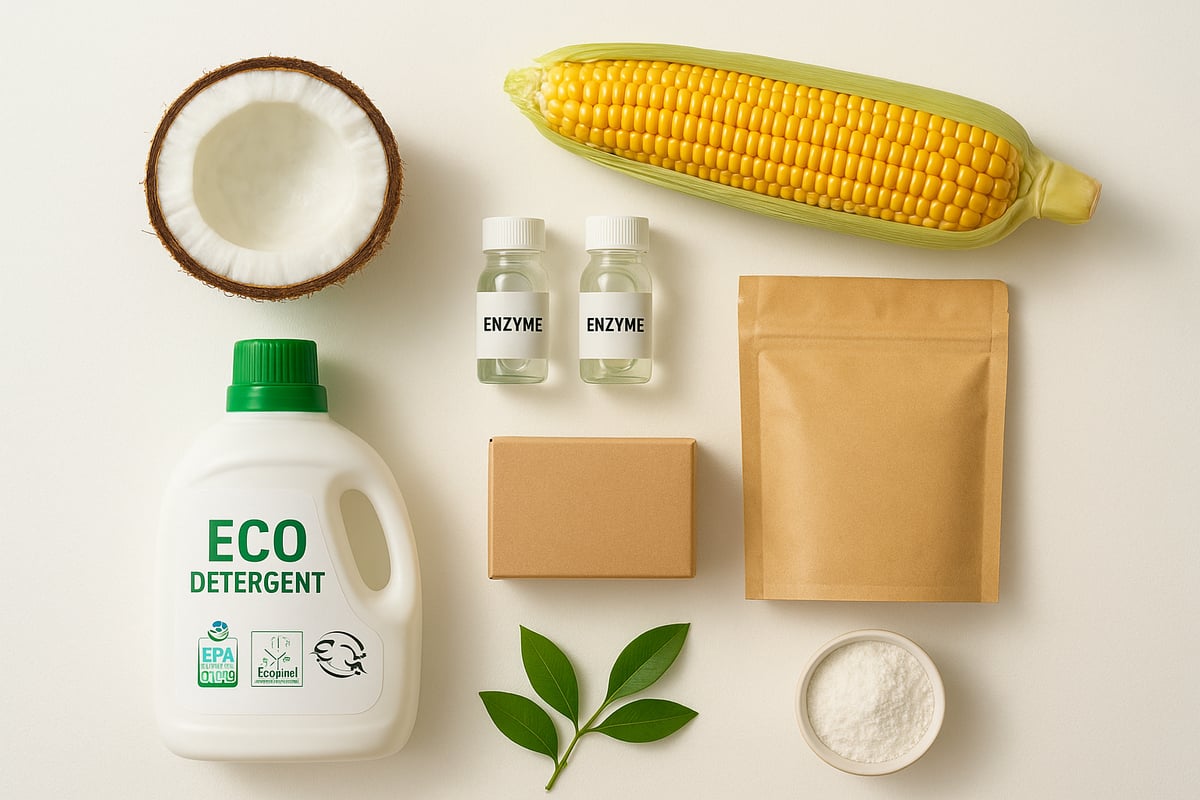
The foundation of any eco detergent lies in its ingredients. Modern formulas rely on plant-derived surfactants, such as coconut or corn-based cleansers, which break down quickly and clean effectively. Enzymes are often added to boost stain removal and preserve fabric quality, making laundry easier on both your clothes and the environment.
When shopping for an eco detergent, look for these key ingredients:
- Plant-based surfactants (coconut, corn, or palm alternatives)
- Enzymes for targeted stain removal
- Biodegradable builders for water softening
- Mineral-based additives (like washing soda)
Equally important is what these detergents leave out. The best eco detergent options avoid parabens, synthetic dyes, and artificial fragrances. Instead, they use essential oils or remain fragrance-free for sensitive skin. For example, coconut-based cleansers are now replacing petroleum-based ingredients, resulting in a safer wash for your family and the environment.
Certifications That Matter
Certifications are your shortcut to identifying a trustworthy eco detergent. The EPA Safer Choice label signals that a product’s ingredients are reviewed for human and environmental safety. In Europe, the EU Ecolabel sets rigorous criteria for sustainability, including biodegradability and reduced aquatic toxicity. Leaping Bunny verifies that a detergent is cruelty-free, while the USDA Certified Biobased Product label ensures renewable content.
Here is a quick comparison of key certifications:
| Certification | Focus | What it Means for Eco Detergent |
|---|---|---|
| EPA Safer Choice | Human, environmental | Safer ingredients, verified claims |
| EU Ecolabel | Sustainability | Reduced impact, strict standards |
| Leaping Bunny | Animal welfare | No animal testing |
| USDA Biobased | Renewable content | Plant-based ingredients |
To avoid greenwashing, always check that a brand’s certifications are current and authentic. For more on how to verify eco claims and see real proof, visit Proof of Eco-Friendly Claims.
Ingredient Transparency and Label Reading
Transparency is crucial when selecting an eco detergent. Reputable brands disclose every ingredient, allowing you to make informed choices, especially if you have allergies or sensitivities. Become familiar with label reading by scanning for short, recognizable ingredient lists and avoiding vague terms like “fragrance” or “surfactant blend.”
Compare ingredient lists from leading eco detergent brands to spot the differences. Products with full disclosure are more likely to be genuinely eco-friendly and safer for your household. This practice helps you avoid unwanted chemicals and ensures your detergent matches your values.
Environmental Impact: Beyond the Bottle
The impact of an eco detergent extends far beyond the laundry room. Evaluate products by considering their effects on water systems, carbon emissions, and packaging waste. Biodegradable formulas help protect aquatic life by breaking down safely after use. Brands now measure and work to reduce the carbon footprint of detergent production and shipping.
Packaging is another vital consideration. Seek out eco detergent in recyclable, compostable, or refillable containers. The entire lifecycle matters, from sourcing ingredients to how you dispose of the bottle. By choosing thoughtfully, you help close the loop on waste and support a more sustainable future.
Top Eco Detergent Formats and Product Types in 2026
The eco detergent market in 2026 offers a diverse range of innovative formats, making sustainable laundry accessible and effective for every household. Understanding the strengths of each product type helps you tailor your routine for optimal results and a lower environmental impact.
Liquid Detergents: Pros, Cons, and Best Uses
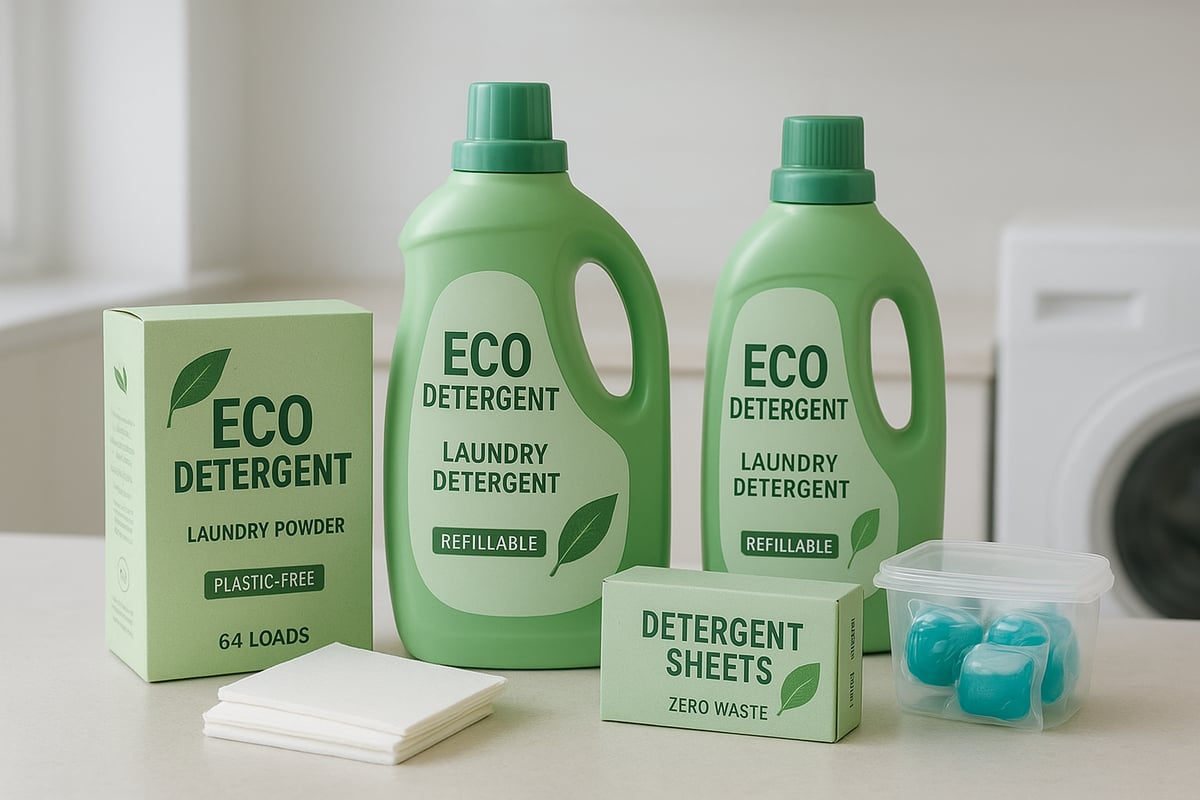
Liquid eco detergent remains a popular choice, particularly in plant-based and concentrated formulas. These detergents are designed for high-efficiency (HE) machines and perform well in cold water cycles, reducing energy use.
Many brands now offer concentrated versions, which cut down on packaging and shipping emissions. Consumers appreciate the versatility of liquid eco detergent for pre-treating stains and handling a range of fabrics. For example, ECOS Liquid Detergent is known for its biodegradable, hypoallergenic formula that appeals to sensitive users.
New packaging options, such as refill stations and compostable bottles, further enhance the sustainability of liquid eco detergent. The combination of plant-based surfactants and reduced plastic waste makes this format a reliable choice for green cleaning.
Detergent Sheets and Strips: The Plastic-Free Revolution
Detergent sheets and strips are transforming the eco detergent landscape. Ultra-lightweight and compact, they eliminate the need for bulky plastic containers and are easy to store or travel with.
These sheets dissolve quickly in water, offering effective cleaning power without leaving residue. Eco detergent sheets, such as those from ECOS, provide up to 64 loads in a single 7.9oz package, demonstrating efficiency and convenience.
Consumer reviews highlight the effectiveness of detergent sheets in stain removal and odor control. For a deeper dive into top-performing options, see the Best Eco Laundry Detergent Guide. As more households embrace this format, detergent sheets are becoming a staple of the eco detergent market.
Pods and Capsules: Convenience Meets Sustainability
Single-dose pods and capsules offer a simple, mess-free way to use eco detergent. Pre-measured doses ensure you never use too much or too little, which helps reduce waste and extends product life.
Recent advances include water-soluble films that are fully biodegradable, supporting plastic reduction goals. Safety remains a priority, especially for families with young children, so many eco detergent brands use child-resistant packaging.
ECOS Free & Clear Laundry Detergent Packs exemplify this trend by combining plant-powered ingredients with dye-free, hypoallergenic formulas. Pods and capsules deliver convenience and sustainability, appealing to busy households seeking reliable eco detergent solutions.
Powdered Detergents: Classic, Concentrated, and Low-Waste
Powdered eco detergent has stood the test of time due to its minimal packaging and long shelf life. This format is often sold in cardboard boxes or compostable bags, reducing plastic use and supporting bulk purchasing.
Powdered eco detergent works well in hard water and excels at tackling tough stains. Concentrated formulas mean less product is needed per load, saving money and resources.
For those seeking to minimize waste and maximize value, powdered eco detergent is a smart choice. Many brands now offer fragrance-free and sensitive-skin versions to meet diverse household needs.
Specialty and Sensitive-Skin Formulas
Not all laundry loads are the same, so specialty eco detergent options have grown in popularity. Fragrance-free and hypoallergenic formulas are ideal for people with allergies or sensitive skin, as well as for washing baby clothes and delicates.
Athletic wear detergents target odor and fabric care, while family-size packs like ECOS Free & Clear serve bulk users seeking both performance and sustainability. These eco detergent options often avoid dyes, optical brighteners, and harsh chemicals.
Choosing a specialty eco detergent ensures everyone in the household enjoys clean, comfortable clothing without exposure to unnecessary additives.
Packaging Innovations Across Formats
Packaging is a major focus for eco detergent brands in 2026. Compostable pouches, refill stations, and recyclable containers are becoming standard, addressing the plastic waste crisis.
Many companies commit to circular economy principles, designing packaging that can be reused or easily recycled. Bulk refill options and take-back programs further reduce single-use waste.
The evolution of eco detergent packaging demonstrates a holistic approach to sustainability, ensuring that both the product and its container align with environmental goals.
How to Choose the Best Eco Detergent for Your Home
Selecting the right eco detergent for your home can feel overwhelming with so many options available. By focusing on your household's unique needs and understanding key factors, you can confidently choose a solution that is effective, safe, and environmentally responsible.
Assessing Your Cleaning Needs and Priorities
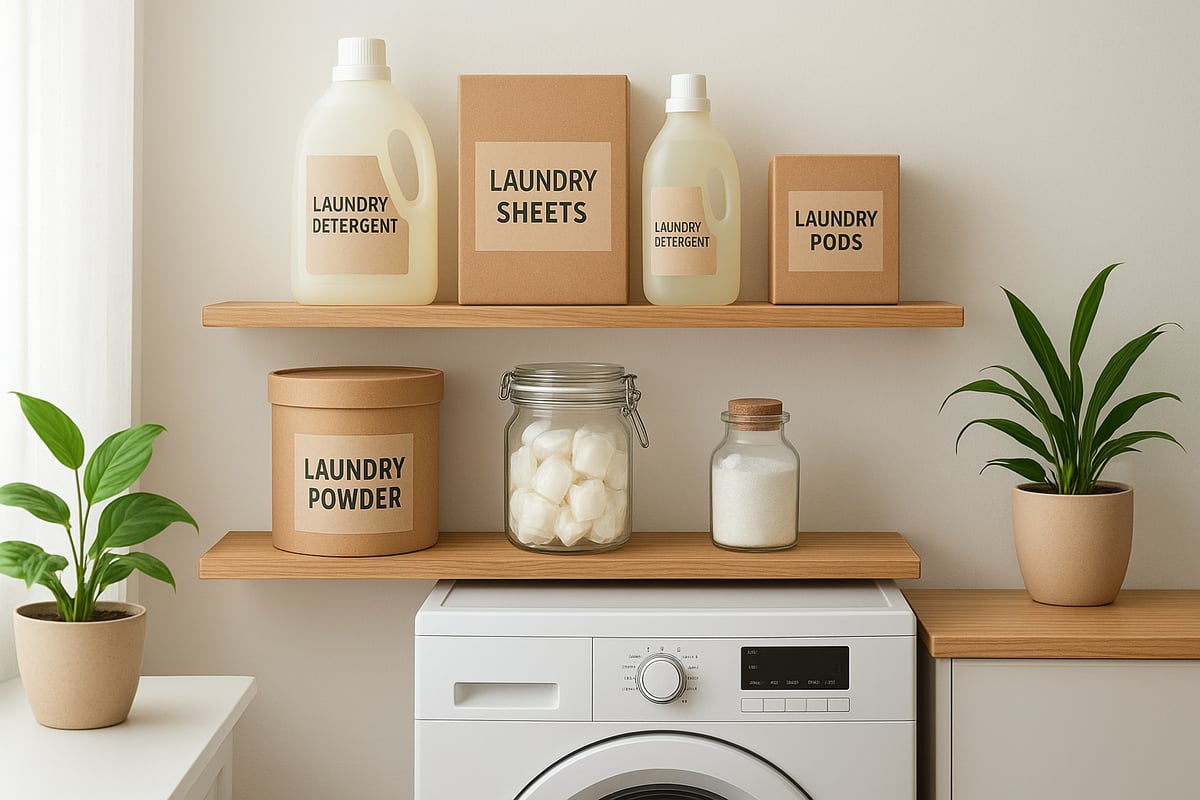
Start by identifying what you expect from an eco detergent. Consider the types of stains you encounter most often, such as grass, food, or oil. Think about any fabric sensitivities or allergies in your household, and note how frequently you do laundry.
Match the detergent type to your washing machine. High-efficiency (HE) machines may require low-sudsing formulas, while traditional machines can handle most formats. Decide if you prefer a natural scent or fragrance-free option, especially if you have sensitive skin.
- Identify stain types (protein, grease, dirt).
- Account for fabric and skin sensitivities.
- Choose format compatible with your machine.
- Decide on fragrance preferences.
Defining these priorities will help narrow down the eco detergent choices that best fit your lifestyle.
Comparing Cost and Value
Evaluating the true cost of an eco detergent goes beyond the price tag. Calculate the price per load, as concentrated formulas often provide more washes per container. Bulk buying and subscriptions can offer significant savings and reduce packaging waste.
Here's a simple comparison:
| Product Type | Loads per Package | Price per Load | Packaging |
|---|---|---|---|
| Concentrated Liquid | 64 | $0.20 | Recyclable |
| Detergent Sheets | 60 | $0.22 | Compostable |
| Powdered Detergent | 80 | $0.18 | Cardboard Box |
Consider the role of precise dosing. Using the correct amount of eco detergent prevents waste and extends the life of each product. Opt for brands that offer subscription or bulk purchasing for added convenience and affordability.
Performance Testing and Real-World Results
Performance is a top concern for many when switching to an eco detergent. Review consumer ratings and third-party test results to gauge cleaning effectiveness on common stains like mud, wine, and grease. Look for products that consistently score well in removing odors and maintaining fabric quality.
For reliable comparisons, consult resources such as Consumer Reports on eco-friendly detergents, which evaluate cleaning power, ingredient safety, and environmental impact. Pay attention to user feedback for insights into scent, residue, and compatibility with different machines.
- Check third-party reviews.
- Compare stain and odor removal results.
- Consider user experiences for specific needs.
Ingredient Safety and Allergen Considerations
Ingredient safety is critical, especially for households with allergies or sensitive skin. Study the label of each eco detergent, avoiding products with parabens, dyes, or synthetic fragrances. Choose formulas that fully disclose their ingredients for transparency and peace of mind.
Opt for hypoallergenic or dermatologist-tested detergents if sensitivities are a concern. Plant-based surfactants and natural enzymes are generally safer for both people and the environment. Always patch test a new product if you are uncertain about reactions.
- Read ingredient lists carefully.
- Select fragrance-free or hypoallergenic options.
- Avoid known irritants and allergens.
Environmental and Ethical Factors
Your eco detergent choice can support broader environmental and social goals. Examine the packaging: Is it recyclable, compostable, or refillable? Consider the brand's commitment to sustainable sourcing and fair labor practices.
Support companies that provide ingredient transparency and hold reputable certifications. Look for brands with clear supply chains and ethical commitments, ensuring your purchase aligns with your values.
- Choose recyclable or low-waste packaging.
- Prefer brands with sustainability certifications.
- Support ethical sourcing and transparent operations.
By considering these factors, you can select an eco detergent that meets your cleaning needs while supporting a healthier home and planet.
Sustainable Laundry Practices: Maximizing the Impact of Eco Detergents
Making the switch to an eco detergent is just the beginning. To truly reduce your environmental footprint, it is essential to pair your detergent choice with smart, sustainable laundry practices. By rethinking your daily habits, you can save resources, extend the life of your clothes, and amplify the positive impact of every load.
Step 1: Use the Right Amount—Precision Dosing
Using too much detergent can harm your washing machine, waste resources, and leave residues on clothes. Modern eco detergent formulas are often highly concentrated, meaning less is more. Always follow the manufacturer’s dosing guidelines. Single-dose pods and strips simplify this process, providing consistent results and preventing overuse. Accurate dosing reduces environmental impact while saving money in the long run.
Step 2: Wash in Cold Water Whenever Possible
Heating water accounts for a significant portion of energy use in laundry. Today’s eco detergent products are engineered to perform exceptionally well in cold cycles. Washing in cold water not only lowers your household’s energy bill but also helps prolong the life of your clothes. Studies show that up to 90 percent of laundry energy is used just to heat water, making this one of the most effective steps for greener cleaning.
Step 3: Optimize Load Size and Frequency
Running your washer with full loads ensures maximum efficiency, reducing water and energy consumption. Avoid frequent small washes by planning laundry days and combining similar fabrics. This practice, paired with an eco detergent, helps you get the most out of every cycle. Consider sorting clothes not just by color but also by soil level to further optimize each load and reduce unnecessary cycles.
Step 4: Choose Eco-Friendly Fabric Softeners and Boosters
Conventional softeners and boosters often contain chemicals that can negate the benefits of your eco detergent. Look for plant-based, biodegradable alternatives that complement your detergent’s performance. Many EPA Safer Choice-certified products offer safer options for both softeners and boosters. Selecting these products ensures you are supporting solutions that are better for your family and the environment.
Step 5: Maintain and Clean Your Washing Machine Naturally
A well-maintained washer performs better and lasts longer. Clean your machine regularly using natural solutions like vinegar or baking soda to prevent mold and detergent buildup. This not only protects your appliance but also preserves the effectiveness of your eco detergent. Avoid harsh chemicals that can damage internal components and leach into wastewater systems.
Step 6: Embrace Line Drying and Low-Energy Drying Methods
Whenever possible, air-dry your laundry. Line drying reduces energy use and lowers your carbon footprint. If you use a dryer, opt for wool dryer balls and select low-heat settings to save energy. Combining these methods with an eco detergent routine keeps your laundry process efficient and environmentally friendly.
Step 7: Recycle or Reuse Packaging Responsibly
Sustainable laundry does not end with washing clothes. Make sure to recycle detergent bottles, boxes, and pouches according to local guidelines. Many brands now offer refillable or compostable packaging. Participating in take-back and refill programs further minimizes waste associated with your eco detergent choices, closing the loop on sustainable cleaning.
Step 8: Educate and Involve Your Household
Lasting change requires teamwork. Set up a visible eco-laundry station and encourage all household members to follow sustainable practices. Share tips from resources like Cleaner Laundry Options at Home to make it easier for everyone to adopt eco detergent habits. Teaching children and roommates about the benefits of greener laundry helps embed these habits for years to come.
The Future of Sustainable Cleaning: What’s Next for Eco Detergents?
The next era of sustainable cleaning is rapidly approaching, and eco detergent innovation is at the forefront. As consumer awareness and legislative pressure rise, the industry is poised for transformative change. Let us explore the most promising trends shaping the future of eco detergent solutions and what they mean for your laundry routine.
Emerging Technologies in Eco Detergent Formulation
Innovation is redefining what eco detergent can achieve. Cutting-edge enzyme blends and probiotic cleaners are now targeting stubborn stains with precision, while remaining gentle on fabrics and the environment. Waterless and ultra-concentrated eco detergent formats are gaining traction, offering significant reductions in packaging waste and carbon emissions.
Smart dispensers and IoT-enabled laundry systems are emerging as well. These advancements ensure just the right amount of eco detergent is used, reducing both waste and cost. As a result, laundry routines are becoming more efficient, sustainable, and tailored to individual needs.
Circular Economy and Closed-Loop Packaging
The circular economy is reshaping eco detergent packaging. More brands are introducing refill-and-return programs, where consumers can replenish their containers at dedicated stations or return empty packaging for professional cleaning and reuse. This shift is driving a dramatic reduction in single-use plastics.
Retailers are also piloting in-store refill stations, making it easier for households to participate in closed-loop systems. Compostable pouches and fully recyclable materials are becoming standard across the eco detergent sector, further minimizing environmental impact and supporting a sustainable future.
Policy and Industry Shifts
Regulatory changes are accelerating progress in the eco detergent industry. Governments worldwide are introducing stricter limits on microplastics and persistent chemicals, pushing manufacturers to reformulate their products. Extended producer responsibility (EPR) policies are making companies accountable for the entire lifecycle of their detergents, from sourcing to disposal.
Certification programs like the Understanding the Safer Choice label are setting high standards for environmental and human health. Brands that adapt quickly to these evolving requirements will set themselves apart as leaders in eco detergent innovation.
Consumer Empowerment and Transparency
Consumers are demanding more information about the eco detergent products they buy. Ingredient disclosure platforms and mobile apps are making it easier to verify claims and avoid greenwashing. This transparency empowers shoppers to make informed choices, supporting brands that prioritize safety and sustainability.
Consumer advocacy groups are pushing for stricter standards and clearer labeling. As a result, companies are investing in education and communication, making the benefits and limitations of eco detergent options more accessible than ever before.
The Role of Collaboration and Certification Bodies
Collaboration is vital for the success of eco detergent initiatives. Partnerships between manufacturers, NGOs, and governments are driving the development of greener cleaning solutions and harmonized standards. Global certification bodies are expanding their programs, ensuring that eco detergent products meet rigorous requirements for safety and sustainability.
Industry-wide initiatives are encouraging knowledge sharing and resource pooling. These collective efforts are accelerating innovation and making sustainable cleaning more attainable for all consumers and businesses.
Predictions for 2027 and Beyond
Looking ahead, the eco detergent market is projected to continue its rapid growth, with more households and commercial users embracing sustainable options. According to eco-friendly laundry detergent market growth statistics, sales are expected to rise significantly as accessibility and affordability improve.
Key trends include zero-waste packaging, waterless cleaning technologies, and broader adoption of refillable systems. The eco detergent landscape will become more inclusive, offering effective and safe solutions for every need and budget. The future is bright for sustainable cleaning.
As we’ve explored, making the switch to eco detergents in 2026 isn’t just about protecting the environment—it’s about choosing smarter, safer cleaning for your family and future. If you’re ready to experience top-tier performance without compromising your values, Laundry Labs offers a thoughtful range of commercial-grade, all-in-one capsules that simplify your routine and minimize waste. With clean, biodegradable ingredients and precision dosing, you can trust you’re making a real difference with every load. Discover how easy sustainable laundry can be—your cleaner, greener routine starts here.
Shop Now
Article written using RankPill.