Environmentally Friendly Laundry Liquid Guide 2026

The laundry industry is undergoing a significant transformation as consumers and businesses demand cleaning solutions that protect both fabrics and the planet. Environmentally friendly laundry liquid has evolved from a niche product category into a mainstream necessity, driven by increased awareness of water pollution, chemical exposure, and the long-term impact of conventional detergents on ecosystems. Modern eco-conscious formulations deliver commercial-grade cleaning power while minimizing environmental harm through biodegradable ingredients, reduced packaging waste, and innovative concentration technologies that decrease transportation emissions.
Understanding What Makes Laundry Liquid Environmentally Friendly
The term "eco-friendly" lacks standardized regulatory definition in the detergent industry, which creates confusion for consumers seeking genuinely sustainable options. Evaluating eco-friendly laundry detergent requires examining five key areas: ingredient safety, packaging sustainability, carbon footprint, wastewater impact, and supply chain practices.
Ingredient Transparency and Biodegradability
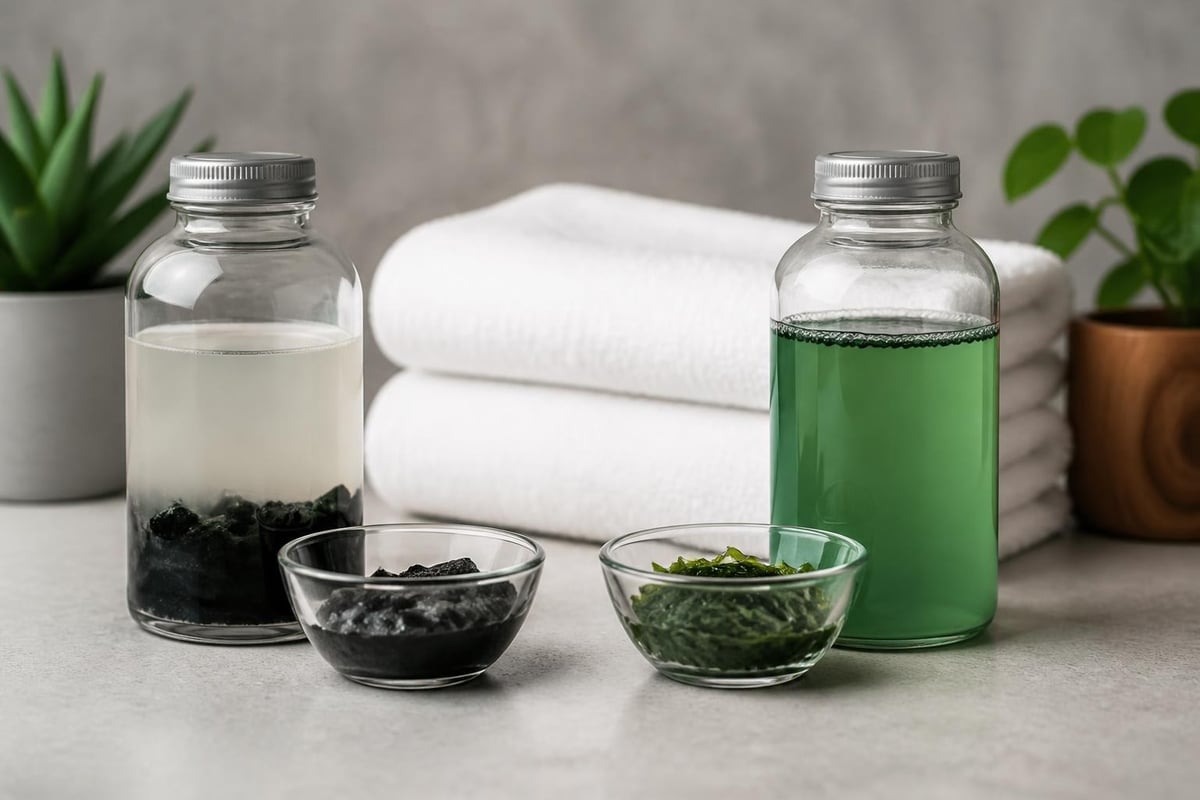
Truly environmentally friendly laundry liquid relies on plant-based surfactants rather than petroleum-derived chemicals. These bio-surfactants break down naturally in water treatment systems without accumulating in aquatic environments. Research demonstrates that biodegradable alternatives significantly reduce environmental impact compared to traditional petroleum-based formulations.
Key ingredients to look for:
- Coconut-derived surfactants
- Plant-based enzymes for stain removal
- Essential oils for fragrance (or fragrance-free options)
- Sodium carbonate or sodium citrate as water softeners
Ingredients to avoid:
- Phosphates that cause algae blooms
- Optical brighteners that don't biodegrade
- Synthetic fragrances with phthalates
- Chlorine bleach and harsh preservatives
The concentration of active ingredients matters as much as their source. Highly concentrated formulations require less product per load, reducing packaging waste and transportation emissions throughout the supply chain.
Certification Standards and Third-Party Verification
Independent certifications provide reliable verification that products meet rigorous environmental and safety standards. Unlike marketing claims, these certifications require comprehensive testing and ongoing compliance monitoring.
Recognized Environmental Certifications
| Certification | Focus Areas | Verification Process |
|---|---|---|
| EPA Safer Choice | Human health, aquatic toxicity | Ingredient-level review |
| UL ECOLOGO | Lifecycle impact, biodegradability | Third-party testing |
| USDA Certified Biobased | Renewable content percentage | Laboratory analysis |
| Leaping Bunny | Cruelty-free practices | Supply chain audit |
The UL ECOLOGO certification for cleaning products evaluates products across their entire lifecycle, from raw material extraction through manufacturing, use, and disposal. This comprehensive approach ensures that environmentally friendly laundry liquid meets stringent sustainability criteria at every stage.
Professional-grade products like those from Laundry Labs often pursue multiple certifications to demonstrate commitment across different environmental dimensions. Understanding which certifications align with your priorities helps make informed purchasing decisions.
Regulatory Frameworks and Compliance
Detergent regulations vary significantly between regions, with the European Union maintaining stricter biodegradability requirements than the United States. The EU Detergents Regulation mandates that all surfactants achieve complete biodegradability within 28 days under aerobic conditions.
In the United States, voluntary programs like EPA's Safer Choice provide guidance but aren't mandatory. This regulatory gap makes third-party certifications even more valuable for identifying genuinely sustainable products in the American market.
Performance Characteristics of Eco-Friendly Formulations
A common misconception suggests that environmentally friendly laundry liquid sacrifices cleaning power for sustainability. Modern formulations disprove this assumption through advanced enzyme technology and optimized surfactant blends.
Cleaning Efficacy Across Fabric Types
Plant-based enzymes target specific stain categories with remarkable precision:
- Proteases break down protein-based stains (blood, grass, food)
- Amylases tackle starch and carbohydrate residues
- Lipases dissolve oil and grease
- Cellulases prevent fiber degradation and color dulling
- Mannanases remove thickened food stains
These enzymes work effectively at lower temperatures, reducing energy consumption while maintaining commercial-grade cleaning standards. Consumer Reports testing confirms that several eco-friendly detergents match or exceed conventional formulas in stain removal across diverse fabric types.

Temperature flexibility represents another performance advantage. While conventional detergents often require hot water for optimal results, quality environmentally friendly laundry liquid performs exceptionally in cold water cycles, delivering dual environmental benefits through reduced chemical impact and lower energy consumption.
Packaging Innovation and Waste Reduction
Container design significantly influences the overall environmental footprint of laundry products. Traditional liquid detergents ship mostly water, requiring heavy plastic bottles and contributing to transportation emissions.
Concentrated Formulas and Delivery Systems
Ultra-concentrated formulations reduce packaging waste by 50-75% compared to standard dilutions. Some manufacturers now offer:
- Refill stations at retail locations
- Tablet or capsule formats eliminating plastic bottles entirely
- Dissolvable packaging made from water-soluble polymers
- Bulk containers for commercial applications
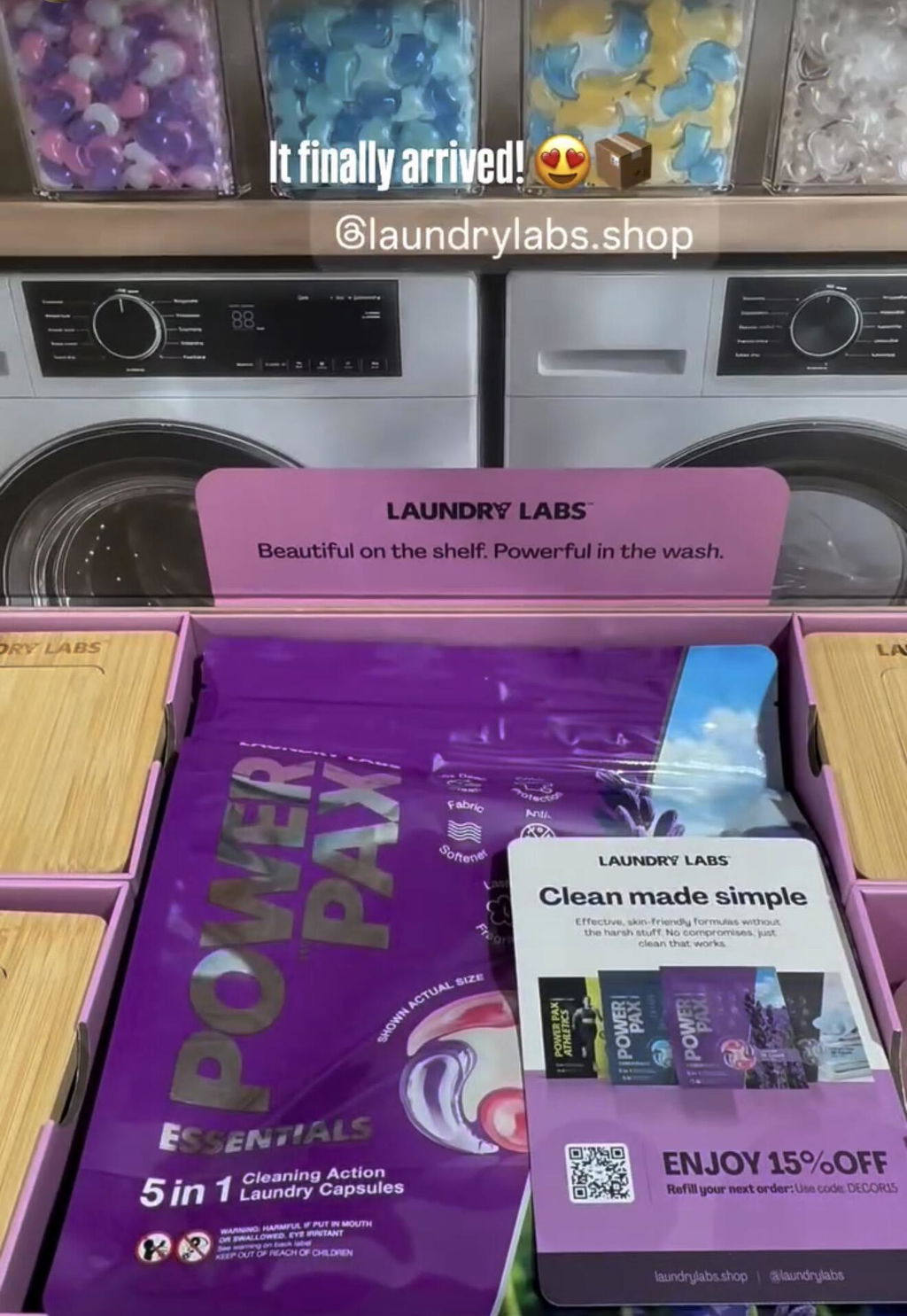
The 5-in-1 capsule technology represents an innovative approach, combining detergent, softener, stain treatment, odor control, and brightening in pre-measured doses. This format eliminates overuse, reduces packaging, and simplifies handling for commercial operations.
Packaging sustainability comparison:
| Format | Plastic per Load | Water Shipped | Dosing Accuracy |
|---|---|---|---|
| Traditional liquid | 8-12g | High | Variable |
| Concentrated liquid | 4-6g | Medium | Improved |
| Capsules | 0.5-1g | Minimal | Precise |
| Powder | 0g | None | Manual measurement |
Post-consumer recycled (PCR) content in packaging provides another sustainability metric. Leading brands now incorporate 50-100% PCR plastic in bottles, closing the loop on material lifecycles.
Water Quality Impact and Aquatic Safety
Every wash cycle sends detergent residues into water systems, making aquatic toxicity a critical environmental consideration. Environmentally friendly laundry liquid formulations prioritize ingredients that biodegrade rapidly without harming aquatic organisms.
Wastewater Treatment Compatibility
Municipal water treatment facilities remove many contaminants, but synthetic chemicals and persistent compounds can pass through to rivers, lakes, and oceans. Phosphate-free formulations prevent nutrient pollution that triggers harmful algae blooms and creates oxygen-depleted dead zones.
Modern eco-friendly surfactants achieve 90-98% biodegradation within 28 days under standard testing conditions. This rapid breakdown prevents bioaccumulation in fish and other aquatic species. Research on life cycle assessment demonstrates that plant-based detergents significantly reduce aquatic ecotoxicity compared to petroleum-based alternatives.
Water safety considerations:
- Gray water system compatibility
- Septic tank safety
- Agricultural reuse potential
- Marine environment protection
For businesses operating laundromat facilities or managing commercial laundry operations, choosing products safe for diverse drainage systems protects infrastructure while meeting environmental responsibility goals.
Commercial Applications and Scalability
Professional laundry operations face unique challenges balancing environmental responsibility with performance requirements, cost constraints, and efficiency demands. Environmentally friendly laundry liquid must deliver consistent results across high-volume cycles while maintaining sustainability standards.
Multi-Property Laundry Management
Hotels, healthcare facilities, and multi-family residential properties process thousands of loads weekly. These operations benefit from:
- Reduced chemical exposure for staff
- Lower risk of fabric damage
- Improved air quality in laundry areas
- Potential LEED certification points
- Alignment with corporate sustainability goals
Concentrated formulations and capsule systems streamline inventory management and reduce storage space requirements. Pre-measured doses eliminate training needs and ensure consistent results regardless of operator experience level.
Athletic and Specialty Fabric Care
Athletic wear and technical fabrics require specialized care that conventional detergents often compromise. Environmentally friendly laundry liquid formulated for activewear removes odor-causing bacteria without degrading moisture-wicking properties or elastic fibers.
Key performance attributes for specialty applications:
- Low-sudsing formulas for high-efficiency machines
- pH-neutral chemistry protecting synthetic fibers
- Enzyme blends targeting sweat and organic compounds
- Fragrance-free options for sensitive skin
Cost Analysis and Long-Term Value
Initial price per bottle creates misleading comparisons between conventional and environmentally friendly laundry liquid. True cost assessment requires examining cost per load, fabric longevity, machine maintenance, and environmental externalities.
Total Cost of Ownership
| Factor | Conventional | Eco-Friendly | Impact |
|---|---|---|---|
| Cost per load | $0.15-0.25 | $0.20-0.35 | Higher upfront |
| Fabric replacement | Baseline | 15-25% longer | Lower long-term |
| Machine maintenance | Baseline | Reduced buildup | Lower service costs |
| Water temperature | Hot/warm | Cold-capable | Energy savings |
Concentrated formulations offset higher per-ounce pricing through increased loads per container. A 50-ounce bottle of 4x concentrate delivers the same cleaning as 200 ounces of standard formula, reducing packaging, storage, and shipping costs.
Cold-water washing capability generates significant energy savings, particularly for commercial operations processing hundreds of loads daily. Energy costs typically exceed detergent costs in laundry operations, making temperature flexibility a substantial economic advantage.
Transitioning to Sustainable Laundry Practices
Switching to environmentally friendly laundry liquid represents one component of comprehensive sustainable laundry management. Maximizing environmental benefits requires holistic optimization across equipment, procedures, and product selection.
Implementation Best Practices
Equipment optimization:
- Upgrade to high-efficiency washers reducing water consumption by 30-50%
- Install cold-water mixing valves eliminating hot water use
- Implement programmable controls for consistent cycle parameters
- Schedule regular maintenance preventing efficiency degradation
Operational protocols:
- Pre-treat heavily soiled items reducing wash intensity
- Optimize load sizes maximizing machine capacity
- Select shortest effective cycle times
- Choose appropriate water levels based on load volume
Product selection criteria:
- Verify third-party certifications
- Test performance on representative fabric samples
- Evaluate packaging sustainability
- Consider total cost of ownership over initial price
Many facilities benefit from phased transitions, starting with less critical applications before expanding to full implementation. This approach allows performance validation and staff training without operational disruption.
Future Developments in Eco-Friendly Formulations
Innovation continues advancing environmentally friendly laundry liquid through biotechnology, green chemistry, and circular economy principles. Emerging technologies promise enhanced performance with reduced environmental impact.
Biotechnology and Enzyme Engineering
Genetic engineering produces enzymes functioning effectively at lower temperatures and broader pH ranges. Next-generation proteases target previously difficult stains while biodegrading completely within hours of discharge. Some experimental formulations incorporate bacteria that continue cleaning action after the wash cycle, breaking down residual organic matter in drainage systems.
Waterless and Ultra-Low Water Technologies
Research into solvent-based cleaning systems and CO2 dry cleaning alternatives may eventually reduce water consumption in commercial laundry operations. While still primarily experimental for mainstream applications, these technologies could revolutionize industrial fabric care within the next decade.
Packaging Elimination Strategies
Several startups are developing completely packaging-free delivery systems using:
- Concentrated powder strips thinner than cardboard
- Dissolvable films containing pre-measured liquid concentrate
- Refillable containers with deposit-return systems
- Bulk dispensing stations for commercial accounts
These innovations aim to eliminate single-use packaging entirely while maintaining the convenience and performance customers expect from liquid formulations.
Selecting the Right Product for Your Needs
With dozens of environmentally friendly laundry liquid options available, matching products to specific applications ensures optimal results. Consider fabric types, water hardness, machine specifications, and performance priorities when evaluating alternatives.
Decision Framework
For commercial operations:
- Prioritize concentrated formats reducing storage and handling
- Verify compatibility with existing dispensing equipment
- Consider capsule systems for simplified inventory management
- Evaluate vendor support and technical assistance
For sensitive applications:
- Select fragrance-free formulations for healthcare and childcare
- Verify hypoallergenic certification for residential facilities
- Test fabric compatibility with representative samples
- Confirm compliance with relevant regulations
For sustainability reporting:
- Document third-party certifications
- Track water and energy consumption metrics
- Calculate carbon footprint reductions
- Monitor waste stream improvements
The comprehensive product range at Laundry Labs addresses diverse applications from athletic facilities to residential laundry rooms, with formulations optimized for specific performance requirements while maintaining environmental responsibility.
Quality Assurance and Performance Testing
Professional laundry operations require consistent results across thousands of cycles. Establishing quality control procedures ensures environmentally friendly laundry liquid delivers expected performance while maintaining sustainability standards.
Testing Protocols
Implement regular evaluation cycles measuring:
- Stain removal efficacy across standardized soil types
- Fabric wear rates through fiber analysis
- Color retention using spectrophotometry
- Residue levels through pH and conductivity testing
- Fragrance persistence for scented formulations
Comparing results against baseline conventional products validates performance parity or superiority. Powder versus capsule comparisons help identify optimal formats for specific applications.
Document equipment settings, water parameters, and environmental conditions during testing to ensure reproducible results. Variations in water hardness, temperature, and machine efficiency significantly influence outcomes.
Integration with Broader Sustainability Initiatives
Environmentally friendly laundry liquid represents one element of comprehensive environmental management programs. Maximum impact requires coordination with energy efficiency, waste reduction, and water conservation initiatives.
Synergistic Sustainability Measures
Combining eco-friendly products with operational improvements multiplies environmental benefits:
- Energy management: Cold-water washing plus renewable energy reduces carbon footprint
- Water conservation: High-efficiency machines plus biodegradable detergents protect waterways
- Waste reduction: Concentrated formulas plus recycling programs minimize landfill contribution
- Indoor air quality: Low-VOC products plus proper ventilation protect occupant health
Organizations pursuing LEED certification, B Corp status, or industry-specific environmental standards find that sustainable laundry practices contribute significantly toward qualification requirements. Documenting product certifications, consumption metrics, and waste stream improvements supports verification processes.
Transitioning to environmentally friendly laundry liquid delivers measurable environmental benefits while maintaining the cleaning performance commercial operations demand. By evaluating certifications, understanding ingredient impacts, and implementing comprehensive sustainable practices, businesses reduce their ecological footprint without compromising results. Laundry Labs provides commercial-grade, eco-friendly solutions engineered for efficiency and sustainability, with innovative capsule formulations that simplify operations while protecting the planet.