Environmentally Safe Laundry Soap: The Complete Guide

The laundry industry is undergoing a significant transformation as businesses and consumers recognize the environmental impact of traditional cleaning products. Each year, millions of gallons of chemical-laden wastewater from conventional detergents enter waterways, affecting aquatic ecosystems and contributing to pollution. Environmentally safe laundry soap represents a fundamental shift toward sustainable cleaning practices that protect both human health and the planet. These innovative formulations deliver powerful cleaning performance while minimizing ecological footprint through biodegradable ingredients, reduced packaging waste, and safer chemical compositions. Understanding what makes laundry soap truly environmentally safe and how to identify authentic eco-friendly products has become essential for businesses committed to sustainability.
Understanding What Makes Laundry Soap Environmentally Safe
Environmentally safe laundry soap differs fundamentally from conventional detergents in its formulation, production, and lifecycle impact. The designation requires meeting specific criteria across multiple environmental and health dimensions.
Key Characteristics of Eco-Friendly Formulations
True environmentally safe products share several defining features that distinguish them from greenwashed alternatives:
- Biodegradable surfactants derived from plant-based sources that break down naturally in water systems
- Phosphate-free formulations that prevent harmful algal blooms and aquatic oxygen depletion
- Non-toxic ingredients that pose minimal risk to human health and wildlife
- Concentrated formulas that reduce packaging waste and transportation emissions
- Minimal synthetic fragrances and dyes that can cause allergic reactions and environmental persistence
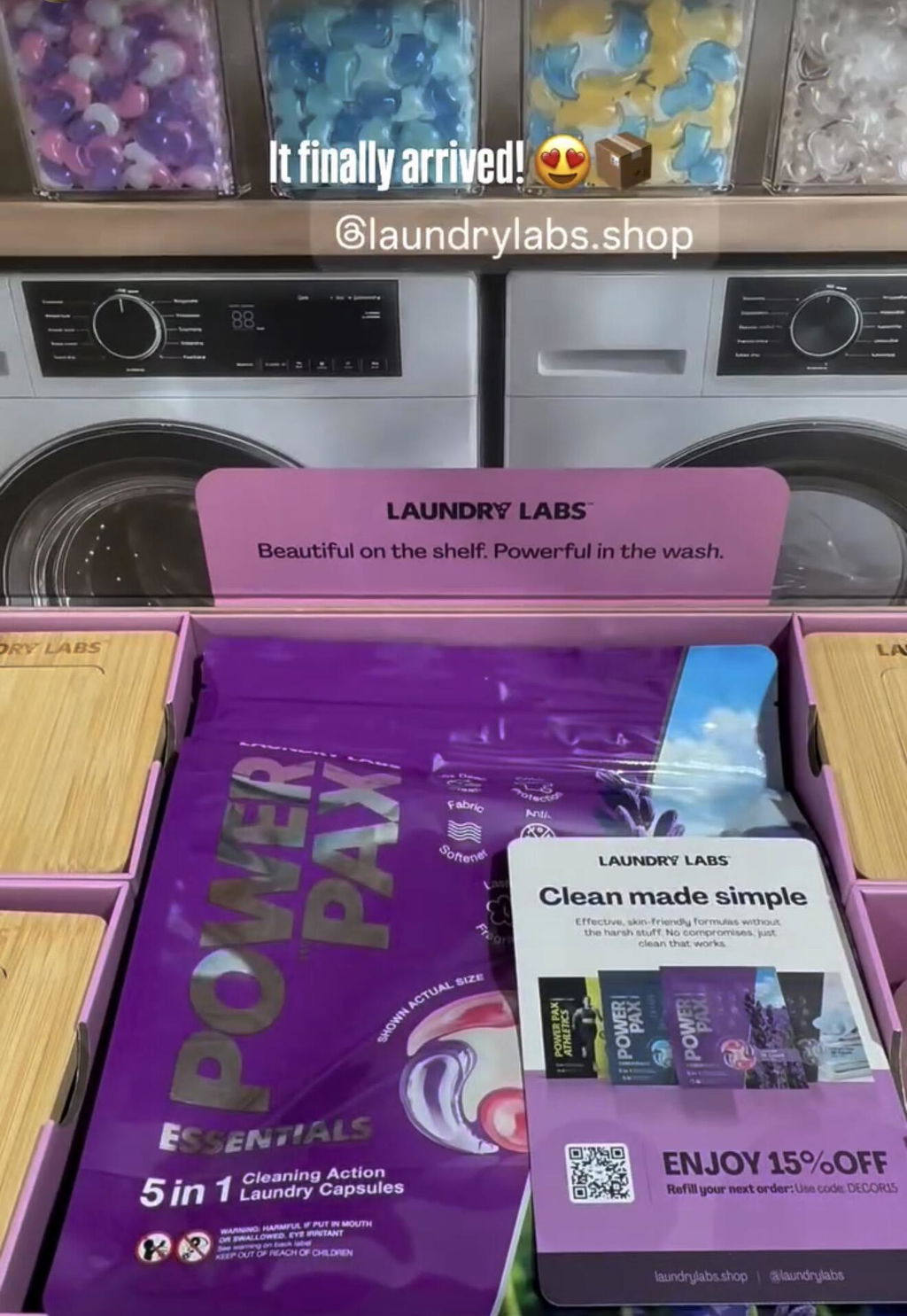
The chemical composition of environmentally safe laundry soap prioritizes ingredients that perform their cleaning function effectively before degrading into harmless compounds. This contrasts sharply with traditional detergents containing persistent chemicals that accumulate in ecosystems. Modern capsule formulations represent an advancement in eco-friendly design by delivering precise dosing that eliminates waste while maintaining commercial-grade cleaning power.

Research indicates that switching to environmentally safe options can reduce household chemical pollution by up to 40 percent annually. Commercial operations see even greater impact when transitioning entire facilities to sustainable products.
Environmental Certifications and Third-Party Standards
Navigating the landscape of environmental claims requires understanding legitimate certifications that verify a product's eco-friendly credentials. Several reputable organizations provide third-party verification that helps businesses make informed purchasing decisions.
Recognized Environmental Labels
| Certification | Focus Area | Key Requirements |
|---|---|---|
| EPA Safer Choice | Human & environmental health | Stringent ingredient safety, performance testing |
| USDA Certified Biobased | Renewable content | Minimum percentage of plant-based ingredients |
| Leaping Bunny | Animal welfare | No animal testing throughout supply chain |
| EcoLogo | Lifecycle impact | Reduced environmental footprint across production |
| EU Ecolabel | European standard | Comprehensive environmental and health criteria |
The EPA's Safer Choice program stands as one of the most rigorous certification standards for environmentally safe laundry soap in the United States. Products bearing this label have undergone extensive evaluation of every ingredient for safety and environmental impact. Businesses seeking commercial-grade laundry solutions should prioritize products carrying these verified certifications rather than relying solely on marketing claims.
Beyond certifications, examining ingredient disclosure transparency provides additional insight into a product's environmental credentials. Companies committed to sustainability typically provide complete ingredient lists and detailed environmental impact data.
Performance Benefits of Eco-Friendly Laundry Solutions
A persistent misconception suggests that environmentally safe laundry soap sacrifices cleaning power for sustainability. Modern formulations decisively disprove this assumption through advanced chemistry that enhances both environmental safety and performance.
Advanced Cleaning Technology
Contemporary eco-friendly detergents employ sophisticated enzyme systems and surfactant combinations that outperform many conventional alternatives:
- Multi-enzyme complexes target specific stain types (proteins, starches, fats) with precision
- Cold-water activation reduces energy consumption while maintaining effectiveness
- Concentration technology delivers more cleaning power per ounce
- Odor neutralization eliminates smells at the molecular level rather than masking them
- Fabric preservation gentler formulations extend textile lifespan
Commercial operations particularly benefit from these performance characteristics. Athletic facilities processing heavily soiled activewear require formulations that remove odors and stains without harsh chemicals that degrade technical fabrics. Similarly, linen services managing high-volume operations need products that deliver consistent results across diverse fabric types while meeting sustainability goals.
The economic advantages extend beyond environmental benefits. Concentrated environmentally safe laundry soap reduces shipping costs, storage space requirements, and packaging waste disposal expenses. Many businesses discover that sustainable products deliver lower total cost of ownership despite potentially higher unit prices.
Health Advantages for Users and Communities
Environmental safety and human health remain inseparably connected in laundry product formulations. The chemicals we use to clean clothing directly impact indoor air quality, skin health, and community water supplies.
Reducing Chemical Exposure
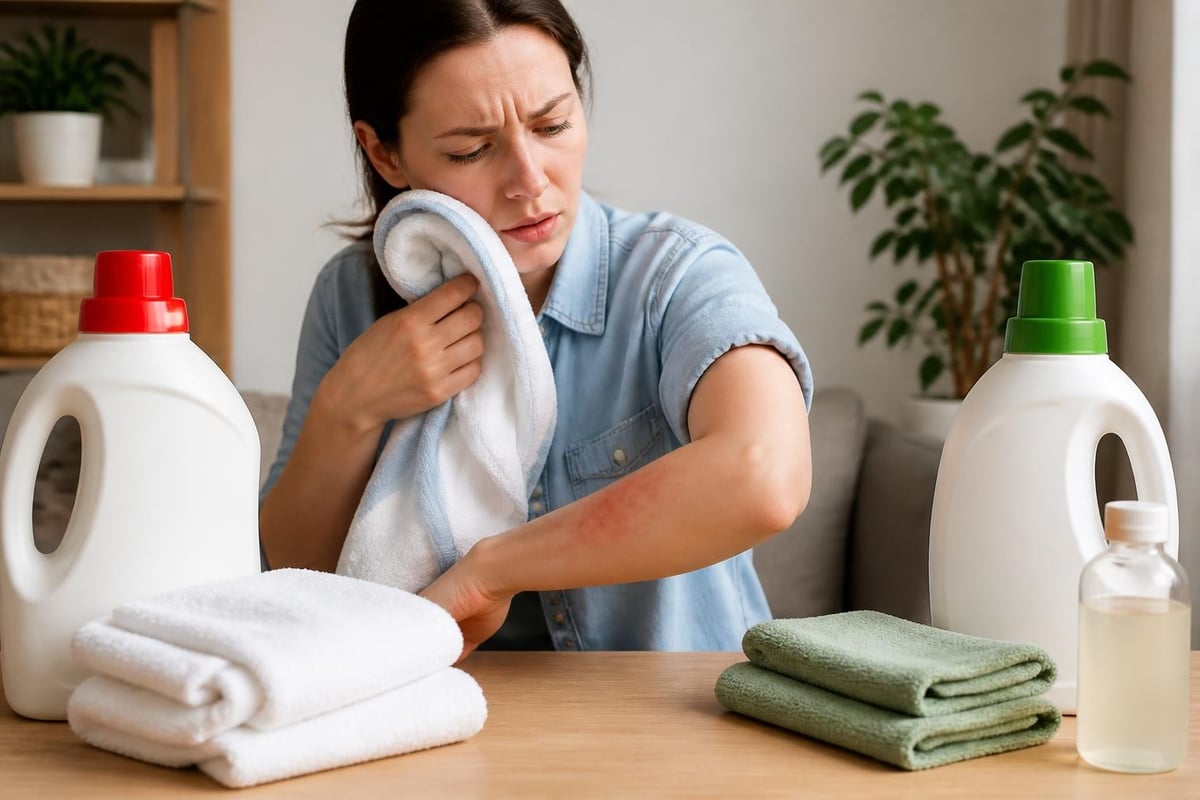
Traditional detergents contain compounds linked to various health concerns:
- Synthetic fragrances containing phthalates that disrupt endocrine function
- Optical brighteners that cause skin sensitization and photosensitivity
- Chlorine bleach producing volatile organic compounds
- Quaternary ammonium compounds (quats) associated with respiratory issues
- 1,4-dioxane contamination from manufacturing processes
Environmentally safe laundry soap eliminates or minimizes these problematic ingredients. For residential users with chemical sensitivities, switching to hypoallergenic formulations can significantly reduce skin irritation and respiratory symptoms. Commercial laundromats and cleaning services protect employee health by transitioning to safer products that reduce occupational chemical exposure.
The benefits extend to broader community health. Wastewater from conventional detergents contributes to water treatment challenges and aquatic toxicity. Biodegradable alternatives reduce municipal water treatment costs and protect downstream ecosystems that communities depend on for recreation and drinking water sources.
Selecting the Right Environmentally Safe Product
The market offers numerous products claiming environmental credentials, making selection challenging without clear evaluation criteria. Businesses need practical frameworks for assessing authenticity and suitability.
Essential Evaluation Factors
When comparing environmentally safe laundry soap options, consider these critical dimensions:
Ingredient Transparency: Complete disclosure of all components, including fragrances and preservatives, indicates manufacturer confidence and accountability.
Concentration Level: Higher concentration reduces packaging waste and transportation emissions while often improving cost-effectiveness.
Application Suitability: Match product formulation to specific needs-commercial operations require different performance characteristics than residential use.
Packaging Innovation: Recyclable, biodegradable, or minimal packaging demonstrates comprehensive environmental commitment beyond just formulation.
Company Values: Manufacturers genuinely committed to sustainability typically demonstrate broader environmental initiatives beyond product formulation.
Testing products through sample programs allows businesses to verify performance before committing to full-scale adoption. Many manufacturers offer trial sizes or mixed sample kits that enable side-by-side comparison across different operational conditions.
Implementation Strategies for Commercial Operations
Transitioning to environmentally safe laundry soap requires strategic planning, particularly for commercial operations managing high-volume laundry needs. Successful implementation balances environmental goals with operational efficiency and cost management.
Phased Transition Approach
| Phase | Duration | Key Activities | Success Metrics |
|---|---|---|---|
| Assessment | 2-4 weeks | Evaluate current products, identify priorities | Baseline environmental impact data |
| Pilot Testing | 4-8 weeks | Test eco-friendly alternatives in controlled settings | Performance comparison, user feedback |
| Staff Training | 2-3 weeks | Educate team on proper usage, benefits | Knowledge assessment, adoption rates |
| Full Rollout | 4-12 weeks | Gradual replacement of conventional products | Cost analysis, environmental impact reduction |
| Optimization | Ongoing | Refine processes, adjust products as needed | Continuous improvement metrics |
Safety considerations remain paramount during transitions. Staff training should emphasize proper handling, dosing accuracy, and storage protocols specific to eco-friendly formulations. Many environmentally safe products require different usage patterns than conventional alternatives-concentrated formulas particularly demand precise measuring to avoid waste and ensure optimal performance.
Commercial facilities benefit from partnering with manufacturers who provide technical support, application guidance, and performance guarantees. This partnership approach reduces transition risks and accelerates achievement of sustainability objectives.
Cost Considerations and Long-Term Value
Financial analysis of environmentally safe laundry soap extends beyond simple price-per-load comparisons. Comprehensive cost evaluation accounts for direct expenses, operational efficiencies, and strategic value.
Total Cost of Ownership Analysis
Smart businesses evaluate eco-friendly products across multiple cost dimensions:
- Product cost per load adjusted for concentration and required dosage
- Shipping and handling expenses influenced by product weight and packaging
- Storage space requirements based on concentration and packaging efficiency
- Waste disposal costs for packaging materials and unused product
- Equipment maintenance affected by product formulation and residue buildup
- Water and energy consumption influenced by temperature requirements and rinse cycles
Concentrated formulations typically deliver superior value despite higher unit costs. A commercial-grade environmentally safe laundry soap that costs 30 percent more per bottle but delivers twice the loads ultimately reduces expenses by 35 percent while simultaneously cutting environmental impact.
Many businesses discover that sustainable products reduce unexpected costs. Gentler formulations extend equipment lifespan, preserve textile quality requiring less frequent replacement, and minimize compliance risks associated with hazardous chemical handling.
Innovation in Sustainable Laundry Technology
The environmentally safe laundry soap sector continues evolving rapidly as manufacturers develop increasingly sophisticated formulations that push performance boundaries while reducing environmental footprints.
Emerging Technologies and Trends
Recent innovations demonstrate the accelerating pace of sustainable cleaning technology:
- Capsule delivery systems that combine multiple functions (detergent, softener, stain treatment, odor control) while eliminating overdosing waste
- Waterless detergent technologies using minimal water in production and application
- Probiotic formulations employing beneficial bacteria for ongoing odor control
- Biomimetic surfactants inspired by natural cleaning mechanisms
- Carbon-negative production processes that remove more greenhouse gases than they emit
These advancements particularly benefit commercial operations seeking competitive advantages through sustainability leadership. High-performance formulations designed for athletic wear demonstrate how targeted environmentally safe laundry soap can address specialized cleaning challenges while maintaining ecological integrity.
Forward-thinking businesses recognize that investing in cutting-edge sustainable products positions them advantageously as regulatory requirements tighten and consumer environmental expectations continue rising. Early adoption provides operational experience and competitive differentiation before market standards shift.
Consumer Demand and Market Dynamics
Understanding market forces driving environmentally safe laundry soap adoption helps businesses anticipate industry trends and customer expectations. Consumer preferences increasingly favor sustainable products across all demographics.
Market research from 2026 indicates that 73 percent of consumers consider environmental impact when purchasing cleaning products, up from 58 percent in 2023. This preference transcends price sensitivity-62 percent report willingness to pay premium prices for verified eco-friendly alternatives.
Factors Driving Adoption
Several converging trends accelerate environmentally safe product adoption:
Regulatory Pressure: Increasing restrictions on phosphates, microplastics, and volatile organic compounds in cleaning products create compliance advantages for proactive businesses.
Corporate Sustainability Commitments: Companies establishing environmental goals require verified sustainable products throughout operations, including laundry services.
Transparency Expectations: Consumers demand complete ingredient disclosure and independent verification of environmental claims.
Health Awareness: Growing recognition of chemical exposure risks drives preference for safer alternatives, particularly among families with young children.
Businesses serving environmentally conscious markets gain competitive advantages through demonstrable sustainability commitments. Documenting the transition to environmentally safe laundry soap provides powerful marketing content and strengthens brand positioning.
Integration with Broader Sustainability Programs
Environmentally safe laundry soap represents one component of comprehensive sustainability strategies. Maximum impact emerges from integrated approaches addressing multiple operational areas simultaneously.
Complementary Sustainability Initiatives
| Initiative Area | Integration with Eco-Friendly Laundry | Combined Benefits |
|---|---|---|
| Water conservation | Low-rinse formulations, cold-water effectiveness | Reduced water usage, energy savings, chemical reduction |
| Waste reduction | Concentrated products, recyclable packaging | Lower disposal costs, reduced environmental footprint |
| Energy efficiency | Cold-water cleaning performance | Decreased energy consumption, lower utility costs |
| Supply chain optimization | Local sourcing, efficient logistics | Reduced transportation emissions, community support |
| Employee wellness | Non-toxic work environments | Improved health outcomes, increased productivity |
Facilities implementing comprehensive programs amplify benefits beyond what isolated initiatives achieve. An operation that combines environmentally safe laundry soap with energy-efficient equipment, optimized water systems, and waste reduction protocols can reduce total environmental impact by 60 percent or more while simultaneously improving operational efficiency.
Documentation and communication of integrated sustainability efforts strengthens relationships with environmentally conscious customers and supports marketing initiatives highlighting corporate responsibility commitments.
Addressing Common Misconceptions and Concerns
Several persistent myths about environmentally safe laundry soap create adoption barriers despite evidence contradicting these misconceptions. Addressing concerns directly helps businesses make informed decisions.
Misconception: Eco-friendly products cannot handle heavy-duty commercial cleaning requirements.
Reality: Modern formulations employ advanced enzyme systems and surfactant technologies that match or exceed conventional product performance on tough stains and odors while maintaining environmental safety.
Misconception: Environmentally safe options always cost significantly more than traditional detergents.
Reality: When evaluated on total cost of ownership including concentration, efficiency, and secondary benefits, many sustainable products deliver comparable or superior value.
Misconception: All products labeled "natural" or "green" are equally environmentally safe.
Reality: Only products with verified third-party certifications guarantee genuine environmental credentials-unregulated marketing terms often mislead consumers.
Misconception: Switching requires significant operational changes and equipment modifications.
Reality: Most environmentally safe laundry soap works with existing equipment and requires minimal process adjustments beyond proper dosing education.
Businesses concerned about performance should leverage sample programs allowing direct comparison under actual operating conditions before committing to full transitions.
Measuring Environmental Impact and Results
Quantifying the environmental benefits of switching to environmentally safe laundry soap provides valuable data for sustainability reporting, marketing communications, and continuous improvement initiatives.
Key Performance Indicators
Effective measurement tracks multiple impact dimensions:
- Chemical reduction: Pounds of hazardous ingredients eliminated annually
- Water quality improvement: Reduction in pollutants entering wastewater systems
- Packaging waste: Decrease in non-recyclable materials and total packaging volume
- Carbon footprint: Emissions reductions from concentration and transportation efficiency
- Health metrics: Reduction in chemical exposure incidents and related health issues
Businesses should establish baseline measurements before transitioning to enable accurate comparison. Many environmentally safe laundry soap manufacturers provide impact calculators helping customers quantify specific environmental improvements based on usage volumes.
Regular reporting creates accountability, identifies optimization opportunities, and provides compelling content for sustainability communications. Third-party verification of environmental claims strengthens credibility and supports certification pursuit.
Transitioning to environmentally safe laundry soap represents a practical, impactful step toward operational sustainability that delivers environmental, health, and economic benefits. By selecting verified eco-friendly products, businesses protect ecosystems while maintaining the cleaning performance commercial operations demand. Laundry Labs specializes in powerful, eco-friendly solutions designed for efficiency and sustainability, offering commercial-grade capsule formulations that combine detergent, softener, stain treatment, and odor control in one convenient, environmentally responsible package. Discover how advanced sustainable laundry technology can transform your operations while protecting the planet.