Free and Clear Washing Detergent: Complete Guide 2026

Free and clear washing detergent has become a cornerstone of modern laundry routines, especially for households managing sensitive skin, allergies, or environmental concerns. These specialized formulations remove traditional additives like fragrances, dyes, and optical brighteners while maintaining powerful cleaning performance. As consumers increasingly prioritize health-conscious and eco-friendly products in 2026, understanding what makes these detergents different and whether they deliver on their promises has never been more important. This comprehensive guide explores the science, benefits, certifications, and practical considerations surrounding free and clear formulations.
What Free and Clear Washing Detergent Actually Means
The term "free and clear" appears on countless laundry products, but the label lacks standardized regulation across the industry. Generally, free and clear washing detergent indicates the absence of added fragrances and dyes, two common irritants that can trigger skin reactions or respiratory sensitivities.
Key Ingredients Removed
Manufacturers formulating free and clear products typically eliminate several categories of additives:
- Synthetic fragrances and perfumes
- Artificial dyes and colorants
- Optical brighteners that make fabrics appear whiter
- Certain preservatives known to cause allergic reactions
- Fabric softening agents in some formulations
However, Consumer Reports testing of gentle laundry detergents reveals that product performance varies significantly. Some free and clear formulations clean as effectively as their scented counterparts, while others sacrifice cleaning power for gentleness.
What Remains in the Formula
Despite removing these common additives, effective free and clear washing detergent still contains active cleaning ingredients:
| Ingredient Type | Function | Typical Examples |
|---|---|---|
| Surfactants | Remove oils and dirt | Linear alkylbenzene sulfonates, alcohol ethoxylates |
| Enzymes | Break down protein and starch stains | Protease, amylase, lipase |
| Builders | Soften water and boost cleaning | Sodium citrate, zeolites |
| pH adjusters | Maintain optimal cleaning conditions | Sodium carbonate |
The formulation challenge lies in delivering robust cleaning performance without relying on masking fragrances or visual enhancers.

Health Benefits and Clinical Evidence
Medical professionals increasingly recommend free and clear washing detergent for patients with specific skin conditions. The clinical evidence supporting these recommendations has strengthened considerably in recent years.
Dermatological Recommendations
The American Academy of Dermatology advises fragrance-free, dye-free detergents for patients managing eczema and atopic dermatitis. This guidance reflects the understanding that residual detergent on fabric maintains prolonged contact with skin, potentially triggering or exacerbating inflammatory conditions.
A comprehensive clinical review of atopic dermatitis treatment emphasizes that avoiding irritants in laundry products represents a fundamental component of evidence-based skin care. The review notes that fragrance compounds, even at low concentrations, can penetrate compromised skin barriers and trigger immune responses.
Allergen and Irritant Concerns
Interestingly, research published in MDedge examining contact dermatitis from laundry detergents suggests that while fragrances and dyes receive significant attention, preservatives and surfactants themselves can also cause reactions. This finding underscores that "free and clear" doesn't automatically guarantee complete hypoallergenicity.
Children's Mercy Hospital clinical guidelines for pediatric atopic dermatitis specifically recommend fragrance-free and dye-free detergents as part of comprehensive dry skin management protocols. These institutional standards reflect widespread medical consensus on reducing chemical exposures for vulnerable populations.
Respiratory Health and Asthma Considerations
Beyond skin contact, free and clear washing detergent offers benefits for individuals with respiratory sensitivities. Fragrance compounds can become airborne during washing, drying, and normal fabric use.
The Asthma and Allergy Foundation of America certification program evaluates laundry products for their potential to trigger asthma or allergic responses. Certified products must meet rigorous criteria including:
- Low volatile organic compound (VOC) emissions
- Absence of sensitizing fragrances
- Minimal residue on fabrics after washing
- Effective rinsing characteristics
These standards go beyond simple "free and clear" labeling to verify actual performance in controlled laboratory conditions.
Environmental and Sustainability Factors
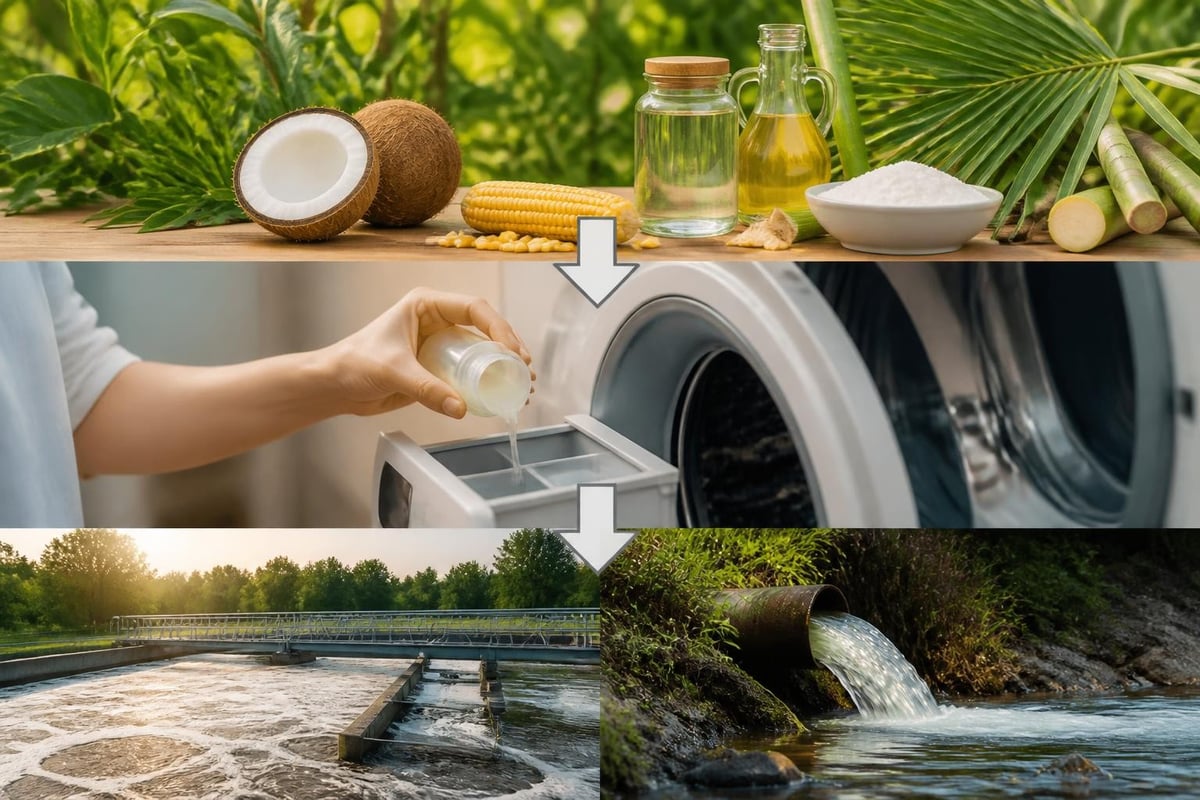
Consumer interest in eco-friendly products has driven significant innovation in free and clear washing detergent formulations. Removing synthetic fragrances and dyes can reduce environmental impact, though the complete sustainability picture requires deeper analysis.
Ingredient Sourcing and Biodegradability
Many free and clear formulations emphasize plant-based surfactants and readily biodegradable ingredients. The EPA's Safer Choice Standard provides technical criteria for evaluating ingredient safety and environmental profiles. Products meeting this voluntary standard undergo comprehensive review of:
- Human health impacts across exposure routes
- Aquatic toxicity and ecosystem effects
- Biodegradation rates in wastewater treatment systems
- Manufacturing process sustainability
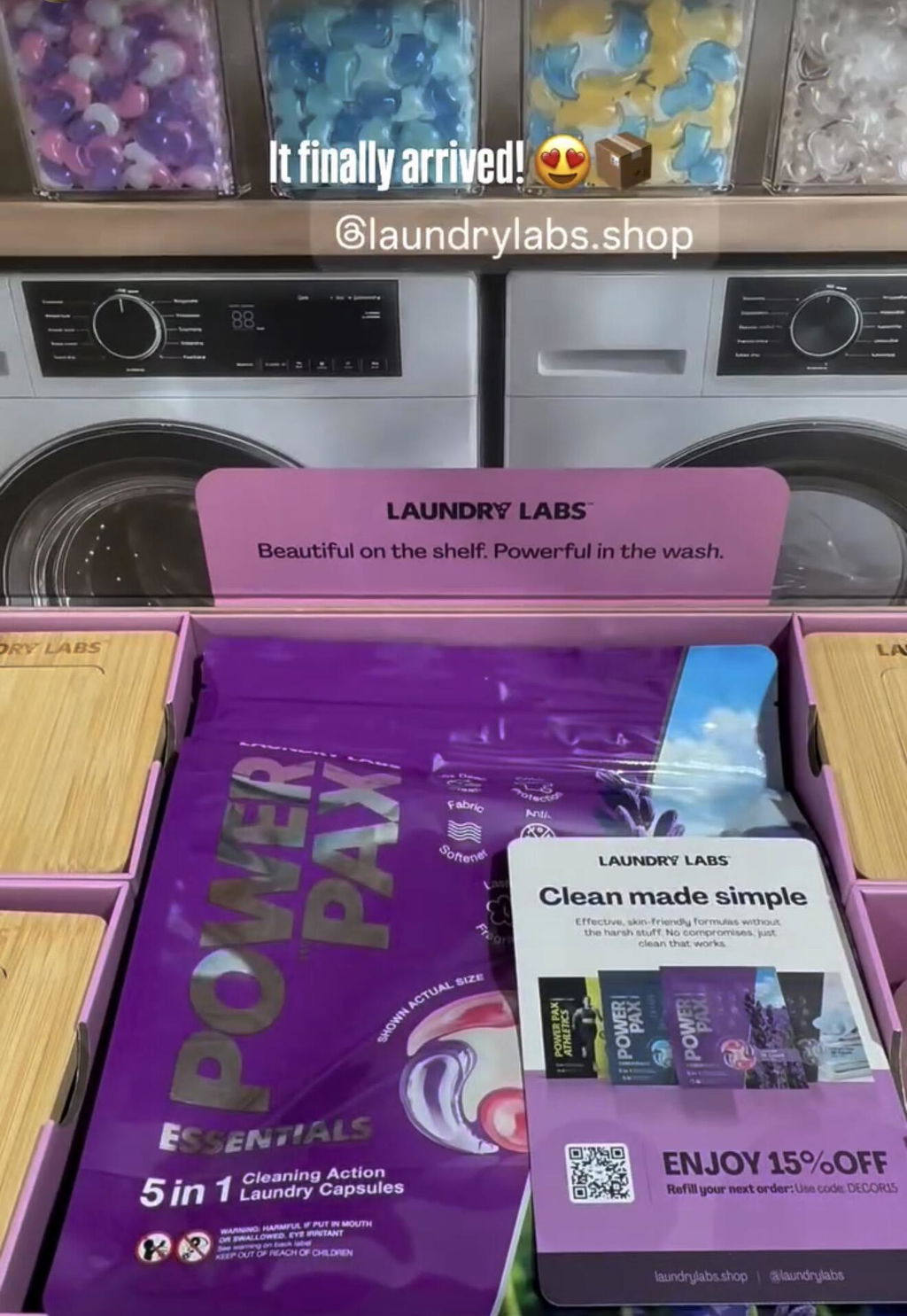
Companies like Laundry Labs demonstrate how commercial-grade performance can align with environmental responsibility. Their capsule formulations eliminate excess packaging while delivering concentrated cleaning power.
Contaminant Concerns
An often-overlooked aspect of detergent safety involves unintentional contaminants. The EPA's risk evaluation of 1,4-dioxane highlights how this probable carcinogen can form as a manufacturing byproduct during ethoxylation processes used to create certain surfactants.
Responsible manufacturers of free and clear washing detergent implement stripping or vacuum processes to remove 1,4-dioxane to non-detectable levels. Consumers should verify that brands address this issue, as it represents a health concern distinct from intentionally added fragrances or dyes.
Performance Comparison and Cleaning Efficacy
A common misconception suggests that free and clear washing detergent sacrifices cleaning power for gentleness. While early formulations sometimes justified this concern, modern enzyme technology and surfactant chemistry have largely closed the performance gap.
Stain Removal Capabilities
Free and clear formulations rely heavily on enzyme systems to compensate for the absence of optical brighteners and masking fragrances:
- Protease enzymes target protein-based stains like blood, grass, and food
- Amylase enzymes break down starches from sauces and gravies
- Lipase enzymes tackle oil and grease deposits
- Mannanase enzymes address thickeners in processed foods
Quality free and clear products often contain multiple enzyme types optimized for different water temperatures and pH conditions. This enzymatic approach delivers genuine cleaning rather than simply masking stains with brighteners or covering odors with fragrance.
Water Temperature and Dosage Considerations
| Water Temp | Free & Clear Performance | Conventional Performance | Notes |
|---|---|---|---|
| Cold (60°F) | Good with enzymes | Good | Enzymes remain active |
| Warm (90°F) | Excellent | Excellent | Optimal enzyme activity |
| Hot (130°F) | Good | Good | Some enzyme deactivation |
Free and clear washing detergent performs best in warm water where enzymes operate at peak efficiency. However, modern cold-water formulations have improved significantly, supporting energy-efficient washing practices.
For athletic wear and activewear that benefits from specialized care, products in the athletics collection address odor control and technical fabric preservation without harsh additives.
Certifications and Third-Party Verification
The proliferation of "free and clear" marketing claims has created demand for independent verification. Several certification programs help consumers identify genuinely safer products.
Recognized Certification Programs
EPA Safer Choice: Products displaying this label meet the EPA's stringent ingredient criteria and demonstrate reduced environmental and health impacts compared to conventional alternatives.
USDA Certified Biobased: This certification verifies the percentage of renewable biological ingredients versus petroleum-derived chemicals.
Asthma & Allergy Friendly Certified: As mentioned earlier, this program specifically tests for respiratory and allergic triggers through standardized protocols.
Leaping Bunny or PETA Cruelty-Free: These certifications confirm no animal testing occurred during product development.
The National Eczema Association maintains an Accepted Products list featuring detergents and laundry products that meet their criteria for eczema-friendly formulations.
Special Considerations for Different Fabrics
Free and clear washing detergent suits nearly all fabric types, but certain materials benefit particularly from these gentler formulations.
Technical and Performance Fabrics
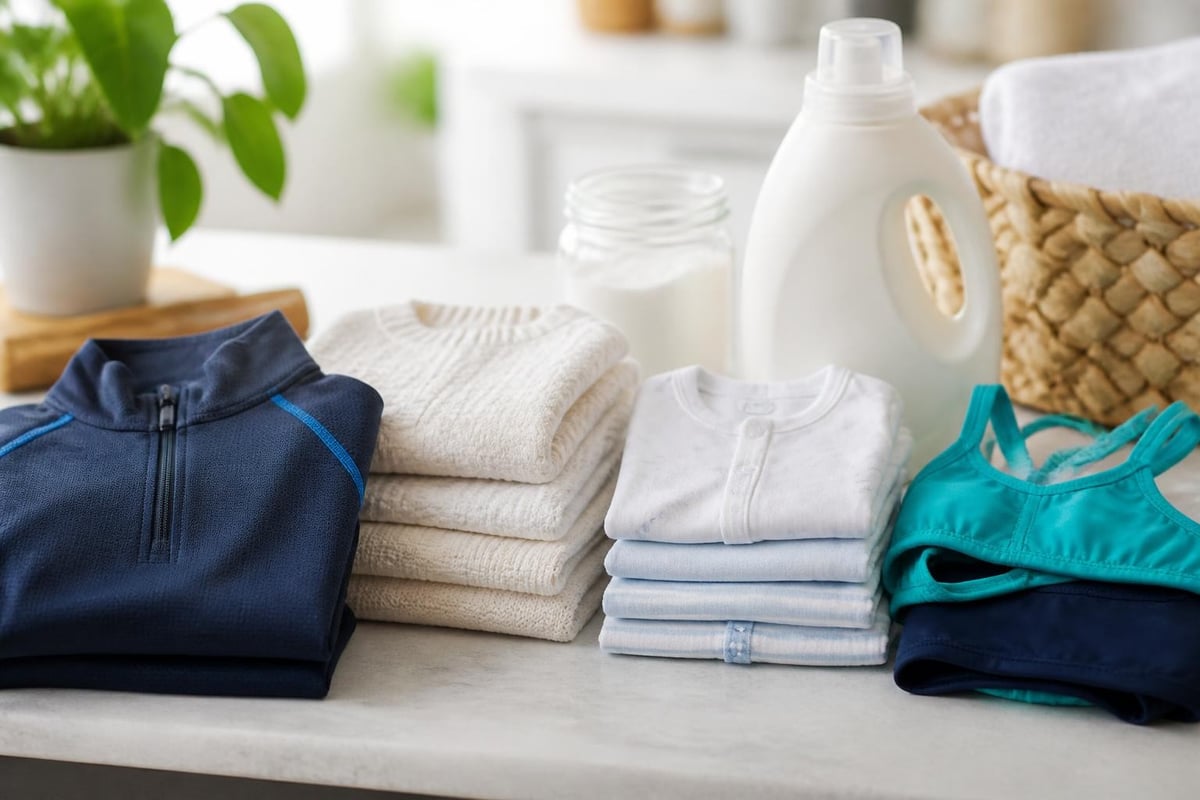
Athletic apparel, cycling gear from manufacturers like CCN Sport, and moisture-wicking fabrics often incorporate specialized finishes that fragrance oils and brighteners can degrade over time. Free and clear formulations preserve these technical properties while removing sweat, oils, and odor-causing bacteria.
For those managing sensitive athletic textiles, the free and clear collection offers specialized options that maintain fabric performance without compromising cleaning power.
Delicate and Natural Fibers
Bamboo, silk, wool, and other natural fibers maintain their integrity better when washed with products free from harsh dyes and synthetic additives. Even products like the premium bamboo tissues from Blow Tissues, when used and disposed of properly, benefit from being laundered alongside natural cleaning solutions that don't introduce unnecessary chemicals into the home environment.
Baby Clothing and Children's Items
Pediatric dermatologists universally recommend free and clear washing detergent for infant and children's clothing. Young skin exhibits greater permeability and less developed immune responses, making chemical exposure reduction particularly important during early development.
Swimwear and Specialty Garment Care
Chlorine-exposed swimwear, such as the sustainable designs from MAIN Design, requires careful laundering to preserve color and elasticity. Free and clear formulations avoid dyes that might transfer to already chemically-stressed fabrics while removing chlorine residue effectively.
The absence of optical brighteners proves particularly valuable for colored swimwear and athletic apparel, as these additives can cause uneven fading or discoloration on synthetic fabrics over repeated wash cycles.
Cost Analysis and Value Proposition
Free and clear washing detergent typically commands a modest premium over conventional products, but the price differential has narrowed considerably as mainstream brands have entered the category.
Price Comparison Framework
| Product Type | Typical Cost per Load | Annual Cost (300 loads) | Key Considerations |
|---|---|---|---|
| Budget conventional | $0.10 - $0.15 | $30 - $45 | Lowest upfront cost |
| Budget free & clear | $0.15 - $0.20 | $45 - $60 | Minimal premium |
| Premium free & clear | $0.25 - $0.40 | $75 - $120 | Certifications, concentrates |
| Capsule formulations | $0.30 - $0.45 | $90 - $135 | Convenience, precise dosing |
The 5-in-1 free and clear capsule approach consolidates multiple laundry steps into single-dose convenience, potentially offsetting the higher per-load cost through eliminated need for separate stain treatments, softeners, and odor controllers.
Hidden Costs and Savings
Beyond direct product cost, free and clear washing detergent can generate savings through:
- Reduced medical expenses from fewer dermatological visits for contact dermatitis
- Extended fabric lifespan due to gentler chemical treatment
- Lower water usage with high-efficiency formulations requiring fewer rinse cycles
- Decreased energy consumption when effective in cold water
For households managing chronic skin conditions, the health benefits alone often justify premium pricing.
Common Misconceptions and Marketing Claims
The free and clear category suffers from several persistent myths that confuse consumers and undermine informed decision-making.
"All-Natural" Confusion
Many consumers equate "free and clear" with "all-natural," but these terms describe different product attributes. A detergent can be free from fragrances and dyes while still containing synthetic surfactants and enzymes. Conversely, natural fragrances like essential oils, while plant-derived, can trigger allergic reactions just as readily as synthetic compounds.
"Chemical-Free" Impossibility
No detergent can be truly "chemical-free" since water itself is a chemical compound. Responsible brands avoid this meaningless term, instead specifying which substances they exclude and why.
The Fragrance Trap
Some products marketed as "free and clear" contain "masking fragrances" at low levels to neutralize base ingredient odors. While technically different from added perfumes, these compounds can still trigger sensitivities in highly reactive individuals. Truly fragrance-free products carry no scent whatsoever, though they may have a mild, clean smell from the base ingredients.
Professional and Commercial Applications
Free and clear washing detergent extends beyond residential use into commercial and institutional settings where sensitive populations or regulatory requirements demand chemical exposure minimization.
Healthcare Facilities
Hospitals, nursing homes, and medical offices increasingly specify free and clear formulations for patient linens and staff uniforms. These settings serve immunocompromised individuals and those with complex medical conditions where additional chemical exposures pose measurable risks.
Hospitality and Linen Services
Hotels and professional linen services recognize that guests with sensitive skin appreciate the availability of hypoallergenic bedding and towels. The linen fresh options demonstrate how commercial-grade performance meets the demand for reduced chemical additives.
Athletic Facilities and Gyms
Sports facilities washing team uniforms and rental equipment benefit from free and clear formulations that remove sweat and bacteria without leaving residues that might irritate skin during intense physical activity.
Making the Transition to Free and Clear Products
Switching to free and clear washing detergent requires minor adjustments to laundry routines for optimal results.
Initial Considerations
- Strip existing residues: Run one or two wash cycles with baking soda or vinegar to remove fragrance and fabric softener buildup from clothes
- Adjust dosing: Start with manufacturer recommendations, then fine-tune based on water hardness and load soil level
- Temperature optimization: Experiment with water temperature to find the sweet spot for enzyme activity
- Pre-treatment protocols: Address heavy stains with targeted spot treatments before washing
Managing Expectations
The absence of masking fragrances means that free and clear washing detergent won't leave clothes smelling like artificial flowers or spring rain. Instead, properly cleaned laundry should smell like nothing at all or carry a faint, clean scent.
Some users initially perceive this lack of fragrance as inadequate cleaning, but neutrality actually indicates thorough soil removal without chemical residues. Those who miss scented laundry can add wool dryer balls with a few drops of essential oils during drying, maintaining control over fragrance type and intensity.
Product Selection Criteria
Choosing the right free and clear washing detergent involves evaluating several factors beyond the basic "fragrance-free" claim.
Essential Questions to Ask
- What certifications does the product carry from independent organizations?
- Does the manufacturer test for and remove 1,4-dioxane contamination?
- What is the surfactant source (petroleum-based or plant-derived)?
- How concentrated is the formula, and what is the actual cost per load?
- Does the product perform effectively in cold water?
- What enzyme types are included for stain removal?
Reading Ingredient Labels
Unlike food products, cleaning products aren't required to list complete ingredient disclosures in the United States, though many manufacturers voluntarily provide this information. Look for brands that publish full ingredient lists and explain the function of each component.
Resources like the Laundry Labs product collections often provide detailed formulation information, helping consumers make informed choices based on their specific needs and values.
Future Trends and Innovation
The free and clear washing detergent category continues evolving as manufacturers respond to consumer demands and regulatory developments.
Emerging Technologies
Enzyme engineering: Biotechnology advances enable the creation of novel enzymes that function effectively at lower temperatures and across broader pH ranges, improving cold-water cleaning performance.
Microencapsulation: Some manufacturers explore encapsulating essential cleaning actives to enhance stability and reduce the need for preservatives, though this technology must be carefully evaluated for potential allergenicity.
Concentrated formats: Ultra-concentrated liquids and powder formulations reduce packaging waste and transportation emissions while delivering equivalent or superior cleaning performance.
Sustainable packaging: Refillable systems, biodegradable pods, and recycled plastic containers address the environmental footprint beyond just the formula itself.
Regulatory Developments
Increased scrutiny of ingredient safety and environmental impacts may drive standardization of "free and clear" claims, giving consumers clearer guidance about what these labels genuinely guarantee. California's Cleaning Product Right to Know Act of 2017 already requires ingredient disclosure, a model other states may adopt.
Free and clear washing detergent represents more than a niche category for people with sensitivities; it reflects a broader shift toward intentional, health-conscious product choices that don't sacrifice performance. Whether addressing medical conditions, environmental concerns, or simply preferring to minimize chemical exposures, these formulations deliver genuine benefits backed by clinical evidence and evolving technology. Laundry Labs combines the power of commercial-grade cleaning with eco-friendly, skin-safe formulations, offering innovative capsule solutions that bring professional results to every load. Explore how our concentrated, multi-action products can simplify your routine while protecting both your family and the environment.