
Friendly Laundry: Sustainable Solutions for 2026

The concept of friendly laundry has evolved dramatically over the past decade, shifting from a niche concern to a mainstream priority for households and commercial operations alike. In 2026, consumers increasingly recognize that effective cleaning doesn't require harsh chemicals or wasteful practices. Friendly laundry encompasses approaches that are gentle on fabrics, kind to the environment, and considerate of long-term sustainability goals while maintaining the high performance standards that modern life demands.
Understanding the Friendly Laundry Revolution
Friendly laundry represents more than just choosing green detergent bottles at the store. This comprehensive approach addresses every aspect of the washing process, from water temperature and cycle selection to product ingredients and packaging waste. The movement gained significant momentum as research revealed the cumulative environmental impact of traditional laundry practices, which consume enormous quantities of water and energy while releasing microplastics and chemical residues into waterways.
The Environmental Impact of Traditional Laundry
Traditional laundry methods create environmental challenges that extend far beyond the laundry room. According to National Geographic's comprehensive analysis of sustainable laundry practices, conventional washing generates substantial carbon emissions, primarily through energy consumption for heating water and running dryers.
The average household completes approximately 300 loads of laundry annually, and when multiplied across millions of homes, the cumulative resource consumption becomes staggering. Water usage alone represents a significant concern, with older washing machines consuming up to 40 gallons per load. Energy consumption for heating water and drying clothes contributes heavily to household carbon footprints.
Chemical ingredients in conventional detergents pose additional concerns. Phosphates, synthetic fragrances, and petroleum-based surfactants persist in water systems long after they've spiraled down the drain. These substances accumulate in aquatic ecosystems, disrupting natural balances and potentially harming wildlife populations.
Key Principles of Friendly Laundry Practices
Implementing friendly laundry habits requires understanding several fundamental principles that work together to reduce environmental impact while maintaining cleaning effectiveness. These principles form the foundation of sustainable washing routines that anyone can adopt.
Temperature Optimization
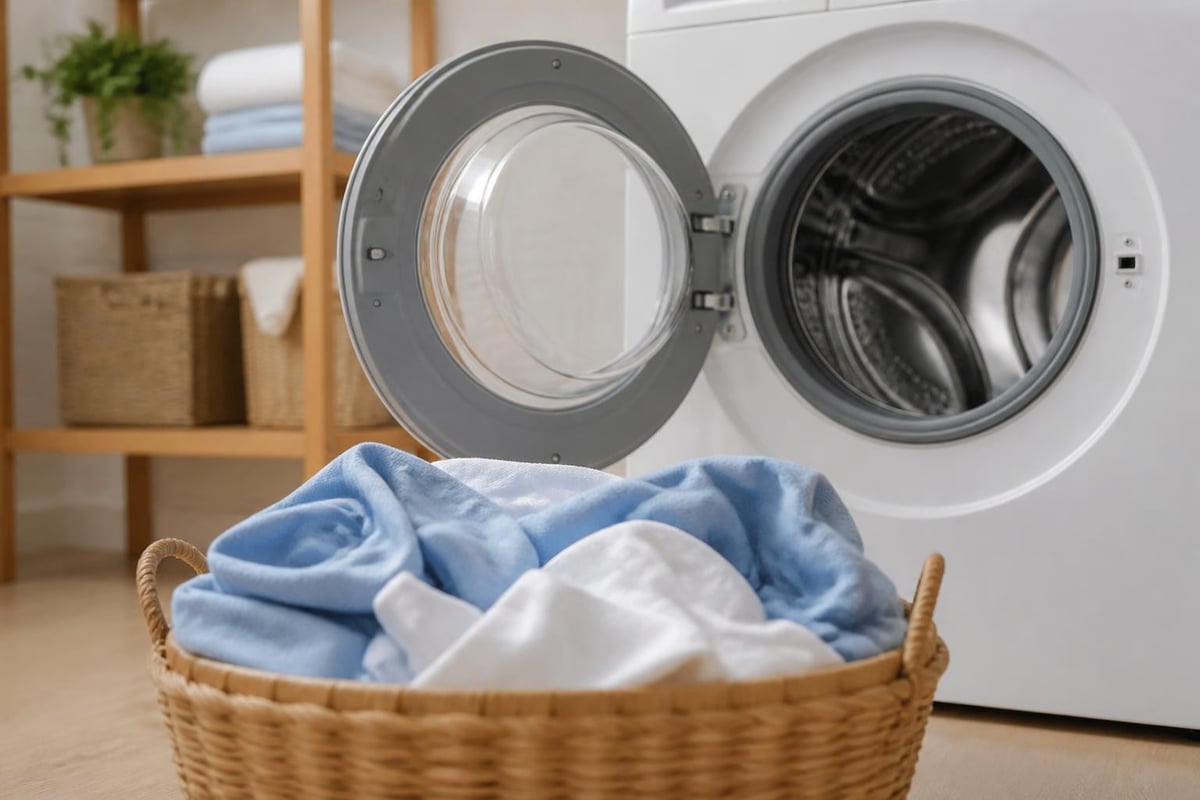
Water temperature plays a crucial role in energy efficiency. Cold water washing has become increasingly viable thanks to advanced detergent formulations designed to perform effectively at lower temperatures. Washing in cold water can reduce energy consumption by up to 90% compared to hot water cycles, representing one of the most impactful changes consumers can make.
Modern enzyme-based detergents work efficiently in cold water, breaking down proteins, starches, and fats without requiring heat activation. The RACQ guide to eco-friendly laundry emphasizes this practice as foundational to sustainable washing routines.
Load Efficiency and Frequency
Maximizing load capacity represents another cornerstone of friendly laundry practices. Washing full loads optimizes water and energy usage per garment, significantly improving overall efficiency. However, overloading machines can compromise cleaning effectiveness and strain mechanical components.
Strategic considerations for load optimization include:
- Sorting by fabric weight rather than just color to ensure balanced loads
- Combining smaller items to reach optimal capacity without overloading
- Reducing washing frequency for items that don't require cleaning after every use
- Using appropriate water levels for partial loads when necessary
Product Selection for Friendly Laundry
Choosing the right laundry products significantly impacts both cleaning results and environmental footprint. The market has evolved considerably, offering sophisticated options that eliminate the traditional tradeoff between performance and sustainability.
Concentrated Formulations and Packaging Innovation
Product concentration directly affects environmental impact through reduced packaging, lower transportation emissions, and decreased storage requirements. Concentrated formulas deliver the same cleaning power in smaller volumes, requiring less plastic and reducing shipping weight.
| Feature | Traditional Detergent | Concentrated Formula | Advanced Capsules |
|---|---|---|---|
| Packaging Waste | High | Medium | Low |
| Dosing Accuracy | Variable | Improved | Precise |
| Storage Efficiency | Low | Medium | High |
| Water Content | 60-80% | 20-40% | <5% |
Laundry Labs' 5-in-1 capsule formulations exemplify this innovation by combining detergent, softener, stain treatment, and odor control in single-use capsules that eliminate measuring and reduce packaging waste dramatically.

Ingredient Transparency and Safety
Friendly laundry products prioritize ingredient safety for both users and ecosystems. Key characteristics include:
- Plant-based surfactants instead of petroleum derivatives
- Biodegradable formulations that break down naturally in water systems
- Free-and-clear options without synthetic fragrances or dyes for sensitive skin
- Phosphate-free compositions to prevent algae blooms in waterways
The shift toward transparency has driven manufacturers to disclose complete ingredient lists, enabling informed consumer choices. Products featuring third-party certifications provide additional assurance of environmental claims.
Advanced Techniques for Friendly Laundry
Beyond basic practices, several advanced techniques can further enhance the sustainability and effectiveness of laundry routines while extending garment lifespan and maintaining fabric quality.
Stain Pre-Treatment Strategies
Effective stain pre-treatment reduces the need for repeated washing or harsh treatments. Natural pre-treatment methods include:
- Enzyme-based spot treatments applied directly to stains before washing
- Cold water soaking for protein-based stains like blood or grass
- Oxygen-based boosters for color-safe whitening and brightening
- Mechanical agitation using soft brushes to work treatments into fabrics
These targeted approaches address specific stains without subjecting entire loads to aggressive washing conditions, preserving fabric integrity while achieving superior results.

Drying Alternatives and Energy Reduction
Dryers consume substantial energy, often exceeding the washer's energy requirements. Friendly laundry practices incorporate alternative drying methods whenever possible:
Air Drying Benefits:
- Eliminates dryer energy consumption entirely
- Extends garment lifespan by reducing heat exposure
- Prevents shrinkage and fabric degradation
- Maintains elastic integrity in athletic wear
- Natural sunlight provides mild bleaching and sanitization
Strategic indoor drying using drying racks or retractable lines provides year-round alternatives to machine drying. For items requiring machine drying, using lower heat settings and removing garments while slightly damp significantly reduces energy consumption.
Commercial Applications of Friendly Laundry
Commercial laundry operations face unique challenges balancing efficiency, cost-effectiveness, and sustainability. Hotels, healthcare facilities, athletic complexes, and laundromats process thousands of pounds of laundry daily, making even small efficiency improvements yield substantial environmental and economic benefits.
High-Efficiency Equipment Integration
Modern commercial washers incorporate advanced technologies that support friendly laundry practices at scale. Front-loading machines use significantly less water than traditional top-loaders, while programmable controls optimize cycle parameters for different fabric types and soil levels.
Commercial operators implementing friendly laundry practices typically see:
- Water savings of 30-50% compared to conventional equipment
- Energy reductions of 40-60% through temperature optimization
- Improved fabric lifespan reducing replacement costs
- Enhanced customer satisfaction from garment quality preservation
Bulk Product Solutions
Commercial operations benefit from bulk product delivery systems that minimize packaging waste while ensuring consistent dosing accuracy. Laundry Labs' commercial-grade products are specifically designed for high-volume applications, delivering reliable results across diverse fabric types and soil conditions.
Professional-grade formulations address specific industry needs, from athletic facilities requiring superior odor control to hospitality environments demanding pristine linen presentation. These specialized products maintain friendly laundry principles while meeting demanding commercial standards.

Integration with Overall Household Sustainability
Friendly laundry practices complement broader household sustainability initiatives, creating synergistic effects that amplify environmental benefits. When integrated thoughtfully with other green practices, laundry improvements contribute to comprehensive resource conservation strategies.
Water Conservation Synergies
Households implementing water-saving measures across multiple domains achieve greater cumulative impact. For example, professional house cleaning services that prioritize eco-friendly methods can work in tandem with efficient laundry practices to minimize overall water consumption and chemical usage throughout the home.
Collecting rinse water for outdoor plant irrigation or pre-soaking heavily soiled items represents another integration opportunity. While not suitable for consumption, graywater from washing machines can support landscape needs when appropriate filtration and local regulations permit.
Energy Management Coordination
Coordinating laundry schedules with off-peak electricity rates and renewable energy availability maximizes sustainability benefits. Households with solar panels can time washing during peak generation hours, effectively powering laundry with zero-carbon energy. Smart home systems can automate this scheduling, optimizing energy sources without requiring manual intervention.
Measuring and Optimizing Friendly Laundry Impact
Quantifying the environmental benefits of friendly laundry practices helps maintain motivation and identify additional improvement opportunities. Several metrics provide useful benchmarks for tracking progress and comparing different approaches.
Key Performance Indicators
| Metric | Traditional Approach | Friendly Laundry | Improvement |
|---|---|---|---|
| Water per Load | 35-40 gallons | 15-20 gallons | 50% reduction |
| Energy per Load | 4-5 kWh | 0.5-1.5 kWh | 70% reduction |
| Detergent Packaging | 12 lbs/year | 2-3 lbs/year | 75% reduction |
| Carbon Footprint | 480 lbs CO2/year | 150 lbs CO2/year | 69% reduction |
These figures demonstrate the substantial impact achievable through consistent implementation of friendly laundry practices. Individual results vary based on household size, washing frequency, and specific product choices, but the directional improvements remain consistent.
Continuous Improvement Strategies
Optimizing friendly laundry practices involves ongoing refinement based on results and emerging innovations. Regular assessment of washing effectiveness ensures that sustainability improvements don't compromise cleaning performance. Adjusting detergent dosage, cycle selection, and pre-treatment methods based on actual results prevents waste while maintaining standards.
Staying informed about new technologies and formulations enables adoption of superior alternatives as they become available. The eco-friendly laundry tips from TrueBioWash and other resources provide ongoing education about emerging best practices and innovative approaches.
Overcoming Common Friendly Laundry Challenges
Transitioning to friendly laundry practices sometimes encounters obstacles that can discourage continued efforts. Understanding these challenges and implementing effective solutions ensures sustainable habit formation and long-term success.
Addressing Performance Concerns
Some consumers express skepticism about whether eco-friendly products can match conventional detergent performance, particularly for heavily soiled items or tough stains. This concern often stems from experience with early-generation green products that prioritized sustainability over effectiveness.
Modern formulations like those offered by Laundry Labs have eliminated this performance gap through advanced enzyme technology and optimized surfactant combinations. These commercial-grade products deliver results comparable to or exceeding traditional alternatives while maintaining environmental benefits.

Managing Cost Perceptions
Initial price comparisons sometimes suggest that friendly laundry products cost more than conventional options. However, comprehensive cost analysis reveals a different picture when factoring in concentration, effectiveness, and secondary benefits.
Total Cost Considerations:
- Higher concentration means fewer purchases over time
- Reduced rewashing from superior stain removal saves resources
- Extended fabric lifespan decreases clothing replacement costs
- Lower utility bills from reduced energy and water consumption
- Health benefits from reduced chemical exposure
When evaluated holistically, friendly laundry practices often prove more economical while delivering superior environmental and health outcomes.
Special Considerations for Different Fabric Types
Friendly laundry practices must adapt to diverse fabric requirements, as different materials respond differently to various washing conditions. Tailoring approaches to specific fabric types optimizes both cleaning results and garment preservation.
Natural Fibers
Cotton, linen, and wool each require distinct handling to maintain quality while supporting sustainability goals. Cotton tolerates cold water washing well and benefits from gentle cycles that prevent fiber breakdown. Linen responds positively to air drying, which actually softens the fabric over time. Wool requires cool temperatures and minimal agitation to prevent felting and shrinkage.
Synthetic and Technical Fabrics
Athletic wear and performance fabrics present unique challenges due to their construction and intended use. These materials often trap odors more readily than natural fibers and may require specialized treatment. Laundry Labs' athletic formulations address these specific needs with enzymes targeting odor-causing bacteria while preserving moisture-wicking properties and elastic integrity.
Microfiber release from synthetic fabrics represents an emerging environmental concern. Using mesh laundry bags designed to capture microfibers prevents these particles from entering water systems, supporting comprehensive friendly laundry practices.

Future Trends in Friendly Laundry
The friendly laundry movement continues evolving as new technologies, consumer preferences, and environmental imperatives drive innovation. Several emerging trends promise to further enhance sustainability and performance in coming years.
Biotechnology Advancements
Enzyme engineering enables increasingly sophisticated stain removal and odor elimination at lower temperatures. Researchers are developing specialized enzymes targeting specific soil types, potentially enabling ultra-low-temperature or even room-temperature washing with superior results.
Probiotic laundry additives represent another frontier, introducing beneficial bacteria that continue working between washes to prevent odor development and maintain freshness. These biological approaches align perfectly with friendly laundry principles by harnessing natural processes rather than synthetic chemicals.
Smart Dosing and Automation
Connected washing machines increasingly incorporate automatic detergent dispensing based on load size, soil level, and fabric type. These systems optimize product usage, preventing both waste and under-dosing that necessitates rewashing. Integration with inventory management systems can even trigger automatic reordering before supplies run out.
Circular Economy Integration
The laundry industry is beginning to embrace circular economy principles, designing products and packaging for complete recyclability or composability. Refill systems, returnable-bottles, and compostable packaging represent steps toward eliminating waste entirely from the laundry product lifecycle.
Implementing friendly laundry practices delivers meaningful environmental benefits while maintaining the cleaning performance modern life demands. By optimizing temperature, choosing concentrated formulations, and adopting efficient techniques, households and commercial operations alike can significantly reduce their ecological footprint.
Laundry Labs provides commercial-grade, eco-friendly solutions that eliminate the compromise between sustainability and effectiveness, offering powerful capsule formulations designed to simplify adoption of friendly laundry practices while delivering superior results across diverse applications.