How to Choose Good Laundry Detergent in 2026

Finding a good laundry detergent has become more complex than simply grabbing the first bottle on the shelf. Today's consumers face countless options, from traditional powders to innovative capsule systems, each claiming superior cleaning power and environmental responsibility. With concerns about chemical exposure, water pollution, and fabric longevity at an all-time high, understanding what separates exceptional detergents from mediocre ones is essential for making informed purchasing decisions. The right detergent not only cleans effectively but also protects your fabrics, safeguards your health, and minimizes environmental impact.
Understanding What Makes Detergent Truly Effective
The foundation of any good laundry detergent lies in its formulation chemistry. Effective detergents contain specific surfactants that break down oils, dirt, and organic matter while remaining gentle enough to preserve fabric integrity. Modern formulations often incorporate enzymes such as proteases, amylases, and lipases that target specific stain types at molecular levels.
Key performance indicators include:
- Stain removal across diverse soil types (protein, oil, tannin, particulate)
- Cold water efficacy for energy conservation
- Low residue formation that prevents buildup
- Compatibility with high-efficiency washing machines
- Consistent performance across water hardness levels
According to Consumer Reports' comprehensive testing, top-performing detergents excel in removing challenging stains like grass, blood, and chocolate while maintaining fabric brightness over repeated wash cycles. These tests demonstrate that price doesn't always correlate with performance, making informed selection critical.
The Science Behind Cleaning Power
Surfactants work by reducing water's surface tension, allowing it to penetrate fabric fibers more effectively. A good laundry detergent balances anionic and nonionic surfactants to handle both water-soluble and oil-based stains. The molecular structure of these compounds determines how efficiently they lift and suspend soil particles, preventing redeposition onto clean fabrics.

Enzyme technology represents a significant advancement in detergent formulation. Proteases break down protein-based stains like blood and grass, while amylases target starches from foods. Lipases tackle fatty and oily residues. Quality detergents combine multiple enzyme types to address the full spectrum of household stains encountered in everyday laundry.
Environmental Impact and Sustainability Considerations
The environmental footprint of laundry practices extends far beyond the washing machine. Conventional detergents often contain phosphates, optical brighteners, and synthetic fragrances that persist in water systems long after rinsing. These compounds can disrupt aquatic ecosystems and contribute to algae blooms that deplete oxygen in waterways.
A good laundry detergent in 2026 prioritizes biodegradable ingredients and minimizes packaging waste. The shift toward concentrated formulas and capsule systems reduces transportation emissions and plastic consumption. Eco-conscious formulations exclude harmful additives while maintaining cleaning efficacy through plant-based surfactants and naturally derived enzymes.
| Environmental Factor | Conventional Detergent | Eco-Friendly Alternative |
|---|---|---|
| Phosphate content | Often contains phosphates | Phosphate-free formulas |
| Biodegradability | Limited, 30-60% | High, 90%+ biodegradable |
| Packaging waste | Large plastic bottles | Concentrated or capsule formats |
| Water temperature needed | Hot/warm preferred | Cold water effective |
| Chemical runoff impact | Significant aquatic harm | Minimal ecosystem disruption |
Research on environmental impacts indicates that choosing plant-based detergents and washing in cold water can reduce a household's laundry-related carbon footprint by up to 60%. These practices also extend fabric life by minimizing thermal stress on fibers.
Reading Labels for Genuine Sustainability
Marketing claims often obscure the true environmental profile of laundry products. A genuinely good laundry detergent features transparent ingredient lists and third-party certifications such as EPA Safer Choice, USDA Biobased, or EU Ecolabel. These certifications verify that products meet rigorous standards for human health and environmental safety.
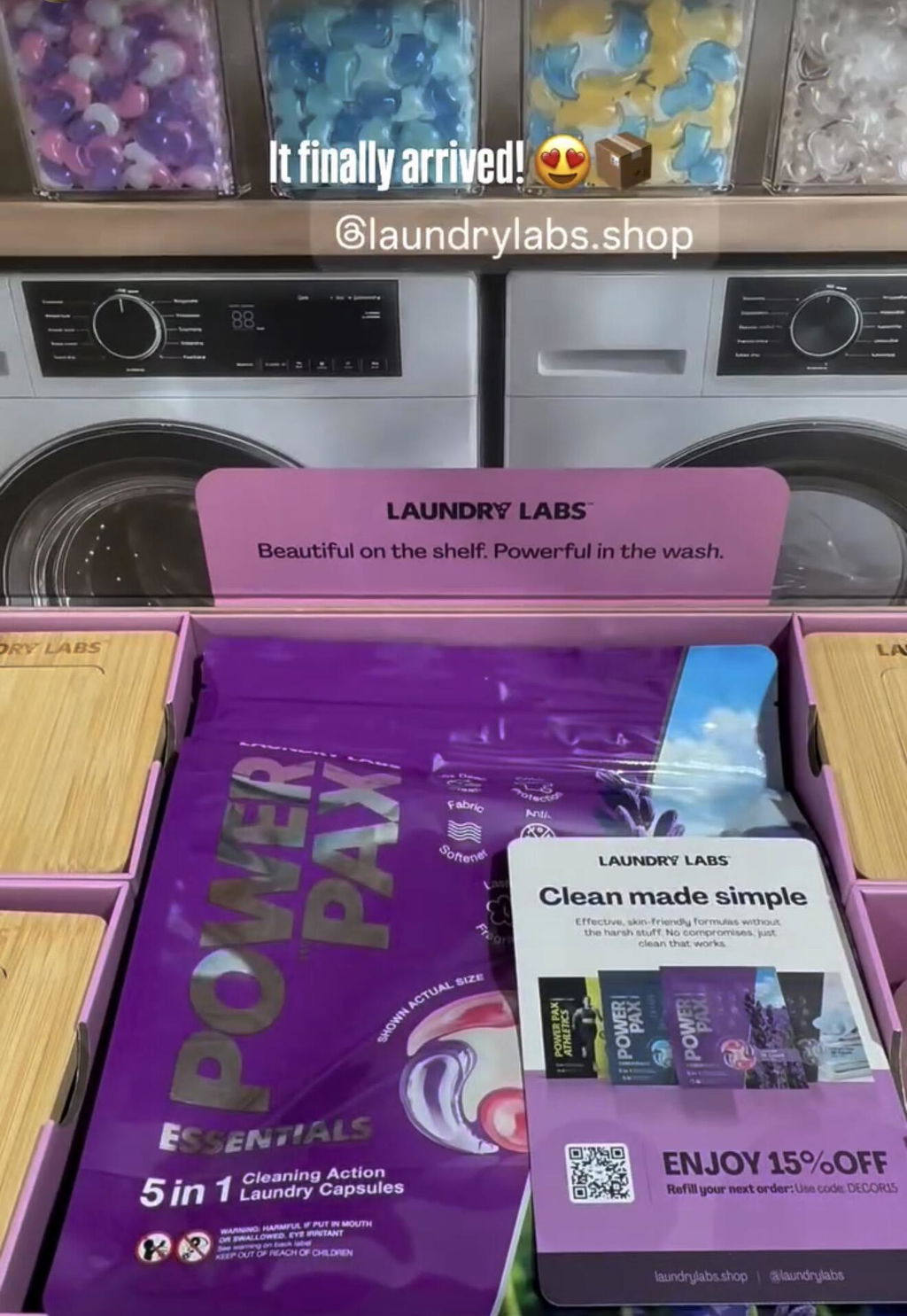
The Laundry Labs approach demonstrates how commercial-grade cleaning power can coexist with environmental responsibility through carefully selected ingredients and innovative delivery systems.
Evaluating Cost-Effectiveness and Value
Price per load provides a more accurate value assessment than bottle price alone. Concentrated formulas and capsule systems often deliver more washes per package despite higher upfront costs. A good laundry detergent optimizes this equation by requiring smaller doses while maintaining superior cleaning performance.
Calculate true cost by considering:
- Number of loads per container or package
- Required dosage for standard versus heavily soiled loads
- Performance in cold water (energy savings)
- Fabric preservation reducing replacement costs
- Multi-functional benefits (stain treatment, softening, odor control)
The powder versus capsule debate highlights how format impacts both convenience and effectiveness. Capsules offer pre-measured precision that eliminates overdosing waste, while powders provide flexibility for adjusting load size and soil level.
Understanding Concentration Levels
Ultra-concentrated detergents revolutionized laundry economics by reducing water content and packaging materials. A good laundry detergent achieves 2-3x concentration compared to standard formulas, meaning a smaller bottle handles equivalent wash loads. This concentration requires precise dosing but rewards users with reduced storage space and lower per-load costs.
Commercial applications particularly benefit from concentrated formulations that minimize storage requirements and reduce ordering frequency. Industrial operations using commercial-grade products can significantly streamline inventory management while maintaining consistent cleaning standards.
Specialized Formulations for Specific Needs
Modern laundry challenges demand targeted solutions beyond generic cleaning. Athletic wear, delicate fabrics, and heavily soiled work clothes each require different chemical approaches. A good laundry detergent either provides versatile all-purpose cleaning or specializes in addressing particular fabric types and soil conditions.
Athletic and Performance Fabrics
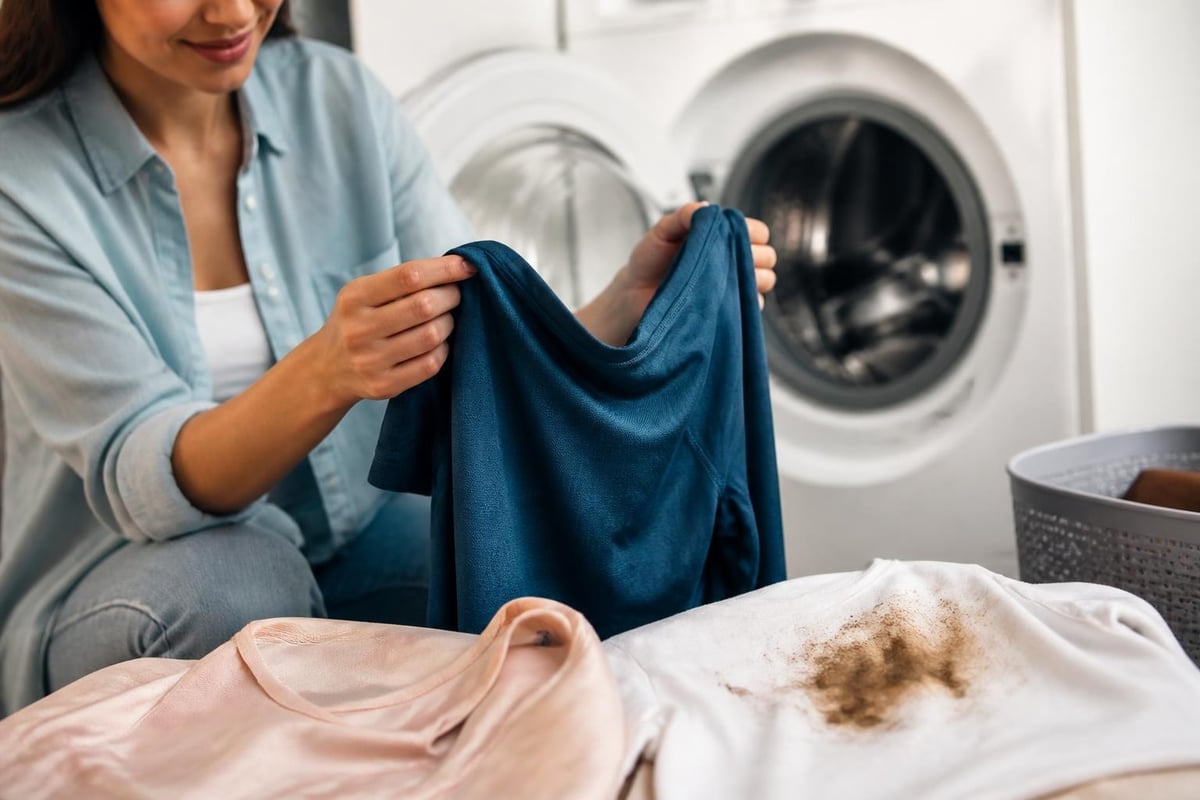
Synthetic athletic materials trap oils and odors within their fibers, requiring enzymes specifically designed to penetrate moisture-wicking fabric structures. Standard detergents often fail to remove the bacteria responsible for persistent odors in workout clothes. Specialized formulations incorporate enhanced enzyme blends and odor-neutralizing compounds that address these unique challenges.
The 5-in-1 athletic formulations combine cleaning, softening, stain removal, odor elimination, and fabric protection in single-dose capsules designed specifically for performance textiles.
Sensitive Skin and Hypoallergenic Options
Individuals with skin sensitivities require detergents free from dyes, fragrances, and harsh preservatives. A good laundry detergent for sensitive skin maintains cleaning power while eliminating potential irritants. Hypoallergenic formulations undergo dermatological testing to verify they minimize allergic reactions and skin contact issues.
Essential features for sensitive skin formulas:
- No synthetic fragrances or dyes
- Minimal preservative content
- pH-balanced for skin compatibility
- Free from common allergens
- Thorough rinsing without residue
Free and clear options cater to this market segment by stripping away unnecessary additives while preserving core cleaning functionality through carefully selected enzymes and plant-based surfactants.
The Role of Fragrance in Detergent Selection
Scent preferences significantly influence detergent purchasing decisions, yet fragrance represents one area where performance and sustainability sometimes conflict. Synthetic fragrances may contain phthalates and other compounds of concern, while natural essential oils can trigger sensitivities in some users. A good laundry detergent either uses responsibly sourced fragrances or provides unscented alternatives.
The psychology of pleasant-smelling laundry extends beyond mere preference. Research indicates that consumers often equate fresh scent with cleanliness, even when fragrance provides no actual cleaning benefit. This perception shapes market offerings, with manufacturers investing heavily in scent development.
Natural Versus Synthetic Fragrance Compounds
Natural essential oils offer biodegradability and renewable sourcing but may cause allergic reactions in sensitive individuals. Synthetic fragrances provide consistency and hypoallergenic formulations but raise environmental persistence concerns. The best approach involves transparent labeling that allows consumers to make informed choices based on their priorities and sensitivities.
Lavender-infused options demonstrate how natural fragrances can enhance the laundry experience while maintaining eco-friendly credentials through plant-based essential oil sources.
Innovation in Delivery Systems
The evolution from powder to liquid to capsules reflects ongoing innovation in detergent delivery mechanisms. Each format offers distinct advantages depending on application requirements, storage conditions, and user preferences. A good laundry detergent leverages its delivery system to optimize dissolution, prevent overdosing, and ensure consistent results.
| Format Type | Dissolution Speed | Dosing Accuracy | Storage Stability | Best Use Case |
|---|---|---|---|---|
| Powder | Moderate | Variable | Excellent | Bulk operations, hard water |
| Liquid | Fast | Moderate | Good | Pre-treating, flexible dosing |
| Single-dose capsules | Fast | Precise | Excellent | Convenience, consistency, travel |
| Multi-chamber pods | Fast | Precise | Excellent | Combined treatments, premium results |
Multi-Function Capsule Technology
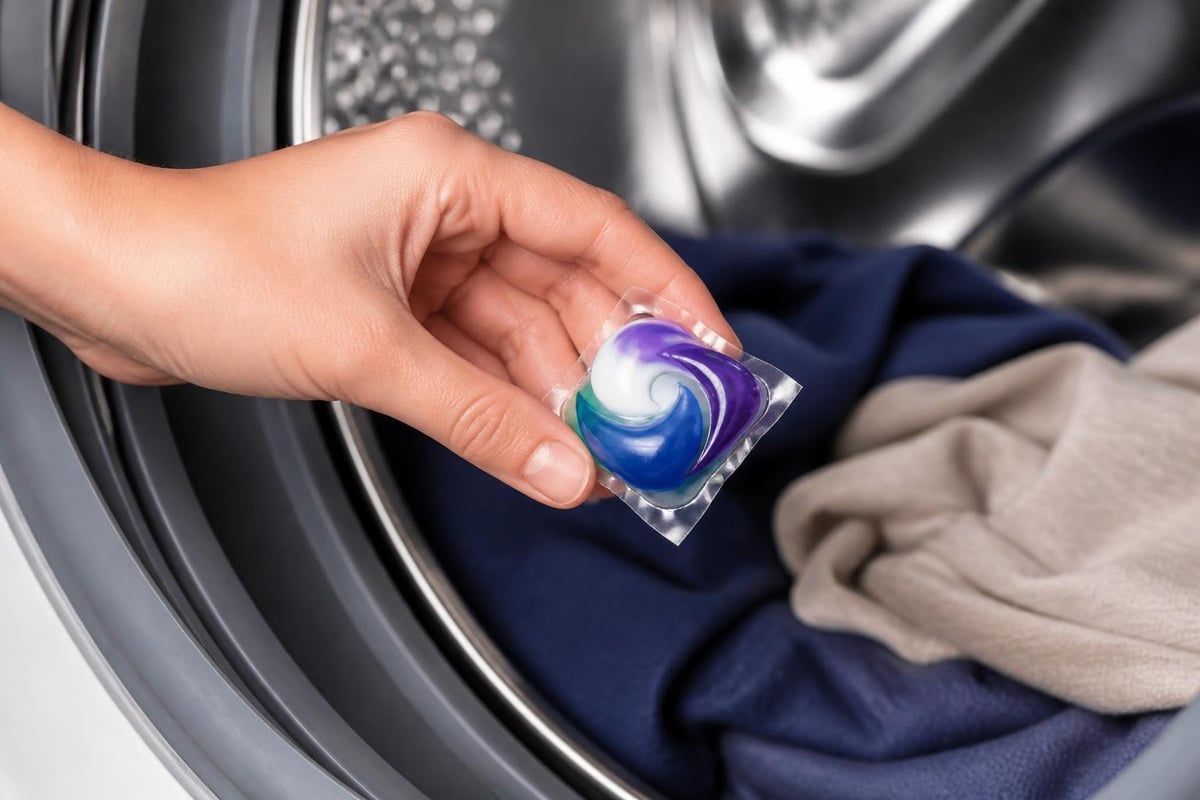
Advanced capsule systems incorporate separated chambers containing different active ingredients that release at optimal wash cycle stages. This technology allows a good laundry detergent to combine cleaning, softening, brightening, and protective treatments without ingredient interactions that might reduce effectiveness.
The PowerPax technology exemplifies this approach by integrating multiple treatment functions in precisely engineered capsules that dissolve completely in cold water, eliminating residue concerns while delivering commercial-grade results.
Testing and Verification Standards
Independent testing provides objective performance data that cuts through marketing claims. Organizations like Good Housekeeping conduct rigorous scientific evaluations measuring stain removal, fabric care, and color preservation across multiple wash cycles. These tests simulate real-world conditions and soil types that consumers actually encounter.
A good laundry detergent withstands scrutiny from multiple testing protocols, demonstrating consistent performance across variables like water temperature, hardness levels, and fabric types. Third-party verification builds consumer confidence and differentiates genuinely effective products from those relying solely on advertising.
What Laboratory Tests Reveal
Professional testing laboratories evaluate detergents using standardized soil strips containing specific stain types: sebum (body oils), carbon black (particulate soil), blood (protein), grass (tannin/chlorophyll), and cocoa (combination stain). Performance ratings compare pre- and post-wash reflectance measurements to quantify cleaning effectiveness.
Fabric damage testing examines color retention, fiber strength, and dimensional stability over 50+ wash cycles to assess long-term impact. The best formulations clean aggressively while preserving fabric integrity, extending garment lifespan and maintaining appearance.
Commercial Applications and Bulk Solutions
Commercial laundry operations face unique challenges requiring industrial-strength formulations designed for high-volume, consistent performance. A good laundry detergent for commercial use must deliver reliable results across varying soil levels, water conditions, and equipment types while maintaining cost-effectiveness at scale.
Laundromats, hotels, healthcare facilities, and athletic programs demand detergents that handle heavy soil loads, resist hard water interference, and work efficiently in commercial washing machines. These applications prioritize consistent performance and operational efficiency over convenience features valued in residential settings.
Commercial detergent requirements include:
- Effective performance in short wash cycles
- Compatibility with automated dispensing systems
- Low foaming for high-efficiency machines
- Stable performance across water quality variations
- Economical cost per pound of laundry processed
The home solutions collection bridges residential and light commercial needs, offering commercial-grade effectiveness in formats suitable for household application.
Making the Right Choice for Your Needs
Selecting a good laundry detergent requires balancing multiple factors: cleaning performance, environmental impact, fabric care, cost-effectiveness, and specific household requirements. No single product excels in every category for every user, making informed decision-making essential.
Begin by identifying your primary laundry challenges. Households with athletes or outdoor enthusiasts prioritize odor elimination and synthetic fabric care. Families with young children need superior stain-fighting capability. Environmentally conscious consumers seek biodegradable formulations with minimal packaging. Those with sensitive skin require hypoallergenic options free from irritants.
Creating Your Decision Matrix
Rank your priorities from most to least important, then evaluate options against these criteria. Consider conducting small-scale tests with sample sizes before committing to bulk purchases. Monitor results over multiple wash cycles to assess long-term performance rather than making judgments based on initial impressions alone.
The complete product range demonstrates how specialized formulations address diverse needs, from athletic wear to delicate linens, each optimized for specific fabric types and soil conditions.
Beyond the Bottle: Complete Laundry System Optimization
A good laundry detergent performs best within an optimized washing system that includes proper machine maintenance, appropriate water temperature, correct load sizing, and compatible additives when necessary. Even premium detergents underperform in poorly maintained machines or when used incorrectly.
Regular washing machine cleaning prevents detergent buildup, removes mold and mildew, and ensures proper drainage. High-efficiency machines particularly require regular maintenance cycles using machine cleaners or vinegar solutions. Front-loading washers need door seals dried after use to prevent bacterial growth that causes musty odors.
Water Temperature and Energy Efficiency
Modern detergent formulations work effectively in cold water, eliminating the need for energy-intensive heating. Washing in cold water reduces energy consumption by up to 90% per load while preventing heat-related fabric damage like shrinkage and color fading. A good laundry detergent maintains full cleaning power at temperatures as low as 60°F.
Cold water washing also extends detergent solubility window, allowing enzymes to remain active longer during the wash cycle. This extended activity period enhances soil removal and stain treatment effectiveness compared to hot water that may denature enzymes rapidly.
The Future of Laundry Detergent Innovation
Emerging technologies continue reshaping what defines a good laundry detergent. Biotechnology advances produce more targeted enzymes that function in challenging conditions. Encapsulation technology improves fragrance longevity and controlled-release performance. Sustainable chemistry develops plant-based alternatives to petroleum-derived surfactants.
Consumer demand drives innovation toward zero-waste packaging, waterless formulations, and fully compostable delivery systems. Some manufacturers explore refillable container programs and concentrated strips that eliminate liquid formulations entirely. These developments reflect growing recognition that environmental responsibility and cleaning performance must coexist in next-generation products.
Innovation trends shaping 2026 and beyond:
- Enzyme engineering for enhanced cold-water performance
- Microplastic elimination from all formulations
- Carbon-neutral manufacturing and distribution
- Intelligent packaging with usage tracking
- Customizable formulation systems for specific water chemistry
The trajectory points toward increasingly concentrated, multi-functional products that minimize environmental impact while maximizing cleaning efficacy. Companies like Laundry Labs lead this evolution by developing capsule systems that integrate multiple treatment benefits in sustainable delivery formats.
Choosing a good laundry detergent involves understanding the complex interplay between cleaning chemistry, environmental responsibility, fabric care, and value optimization. By prioritizing formulations that deliver measurable cleaning performance while minimizing ecological impact, consumers can make decisions that benefit both their households and the broader environment. Laundry Labs combines commercial-grade cleaning power with eco-friendly innovation, offering capsule-based solutions that streamline laundry routines while delivering exceptional results across all fabric types and soil conditions.