HE Laundry Soaps: Complete Guide to High-Efficiency Detergents

High-efficiency washing machines have transformed how we approach laundry, requiring specialized detergents designed for their unique operational characteristics. Understanding he laundry soaps and their formulations is essential for anyone using modern washing machines, whether in residential settings or commercial laundry operations. These specially designed detergents optimize cleaning performance while reducing water consumption, energy usage, and environmental impact. As washing technology continues to evolve, selecting the right high-efficiency detergent becomes increasingly important for protecting your investment in advanced laundry equipment while achieving superior cleaning results.
What Makes HE Laundry Soaps Different
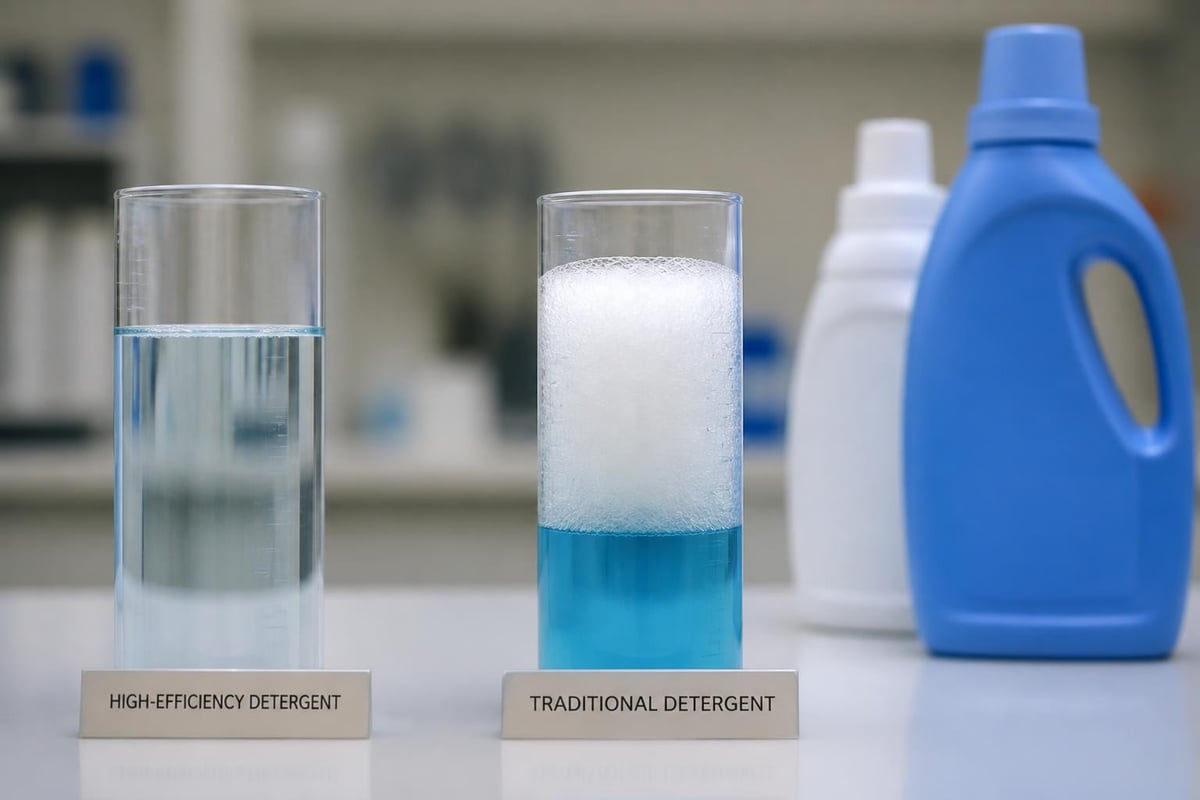
High-efficiency detergents represent a fundamental shift in laundry chemistry. Unlike traditional formulas, he laundry soaps are engineered to produce fewer suds while maintaining exceptional cleaning power. This low-sudsing characteristic is critical because HE washing machines use significantly less water than conventional models.
The chemistry behind these formulations involves sophisticated surfactant blends that work efficiently in lower water volumes. Traditional detergents create abundant foam, which can interfere with the tumbling action of HE machines and trap residues within fabrics. The evolution of anionic surfactant technology has enabled manufacturers to create detergents that clean effectively without excessive foaming.
Key Characteristics of HE Formulations
- Concentrated formulas requiring smaller doses per load
- Low-sudsing agents that prevent foam buildup
- Quick-dispersing ingredients that activate in minimal water
- Enzyme-rich compositions for enhanced stain removal
- Rinse-friendly chemistry that prevents residue accumulation
Understanding HE Machine Requirements
High-efficiency washing machines operate on fundamentally different principles than traditional top-loaders. These machines use a tumbling action with minimal water, creating unique challenges for detergent performance. The washing drum rotates clothes through a small pool of water rather than submerging them completely.
This washing method requires detergents that can penetrate fabric fibers quickly and release soil efficiently without relying on abundant water or mechanical agitation. He laundry soaps are specifically engineered to meet these requirements through advanced formulation techniques.
Water Usage and Detergent Performance
| Machine Type | Water per Load | Detergent Concentration | Suds Level |
|---|---|---|---|
| Traditional Top-Loader | 23-30 gallons | Standard | High |
| HE Top-Loader | 12-17 gallons | High | Low |
| HE Front-Loader | 10-15 gallons | Very High | Minimal |
The reduced water volume in HE machines means every component of the detergent formula must work harder. Concentrated formulations deliver powerful cleaning agents in smaller doses, reducing packaging waste and transportation costs. This concentration also means using the correct amount is critical. Too much detergent can cause residue buildup, while too little may compromise cleaning performance.
Modern commercial-grade laundry products take these principles further by incorporating multiple functions into single-use capsules, eliminating measurement errors and ensuring consistent results.
Benefits of Using HE Laundry Soaps
The advantages of high-efficiency detergents extend far beyond machine compatibility. These formulations represent a convergence of environmental responsibility, economic efficiency, and superior cleaning performance.
Environmental benefits stand at the forefront of HE detergent design. Lower water requirements translate directly to reduced energy consumption, as less water needs heating. The concentrated formulations mean smaller packaging, reducing plastic waste and transportation emissions. Many he laundry soaps now incorporate biodegradable ingredients that minimize aquatic ecosystem impact.
Economic and Performance Advantages
Operational costs decrease significantly with HE detergents. The concentrated nature means each bottle lasts longer, reducing purchase frequency. Energy savings from lower water heating requirements accumulate substantially over time, particularly in commercial operations processing hundreds of loads weekly.
Performance characteristics of modern HE formulations often surpass traditional detergents:
- Superior stain removal through enzyme technology
- Enhanced color protection with specialized brightening agents
- Improved fabric care through gentler chemical compositions
- Faster washing cycles enabled by quick-dissolving formulas
- Reduced rewashing from more effective first-pass cleaning
The best eco laundry detergent options combine these benefits while maintaining strong environmental credentials, proving that sustainability and performance are not mutually exclusive.
Choosing the Right HE Detergent Formula
Selecting appropriate he laundry soaps requires understanding your specific laundry needs and machine capabilities. Different formulations excel in different scenarios, making informed choice essential for optimal results.
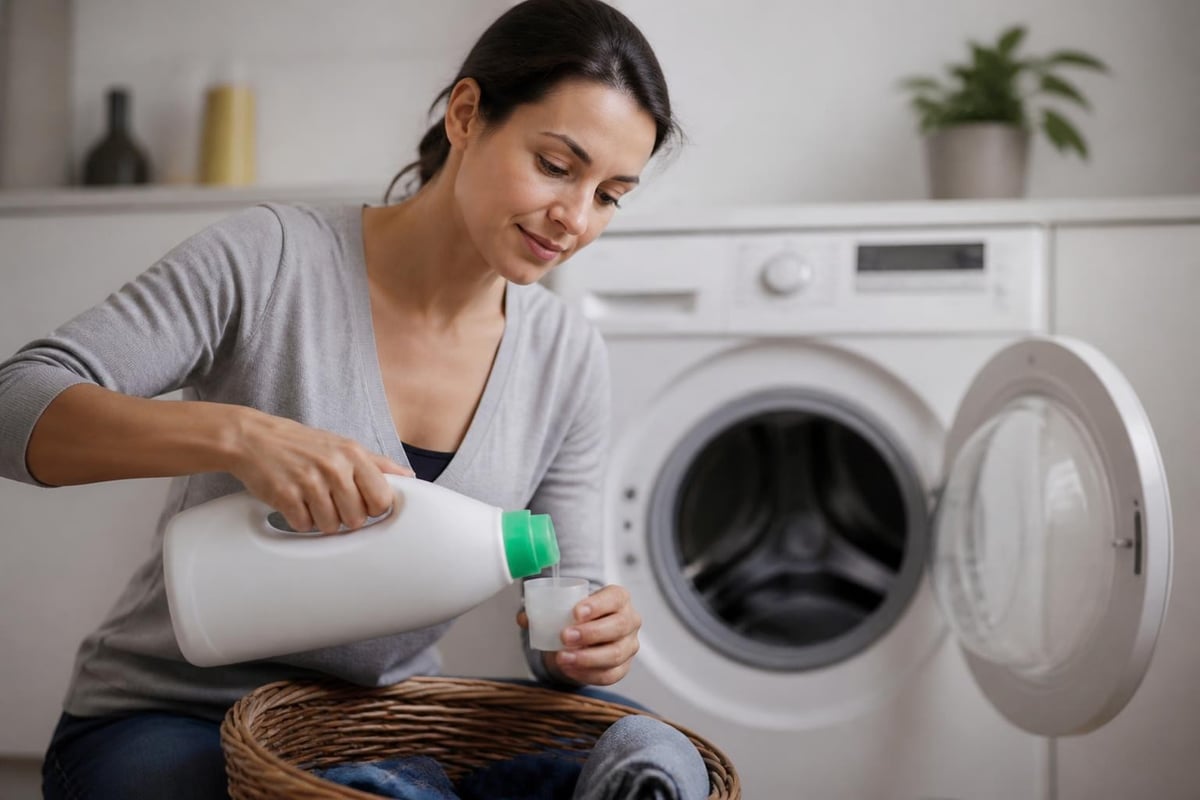
Liquid HE detergents offer versatility and easy measurement. They dissolve quickly in cold water and work well for pre-treating stains. However, they typically contain more water weight, increasing packaging and shipping impacts. Powder formulations provide excellent value and stability, particularly effective for heavily soiled items, though they may require warmer water for complete dissolution.
Capsule and Pod Technologies
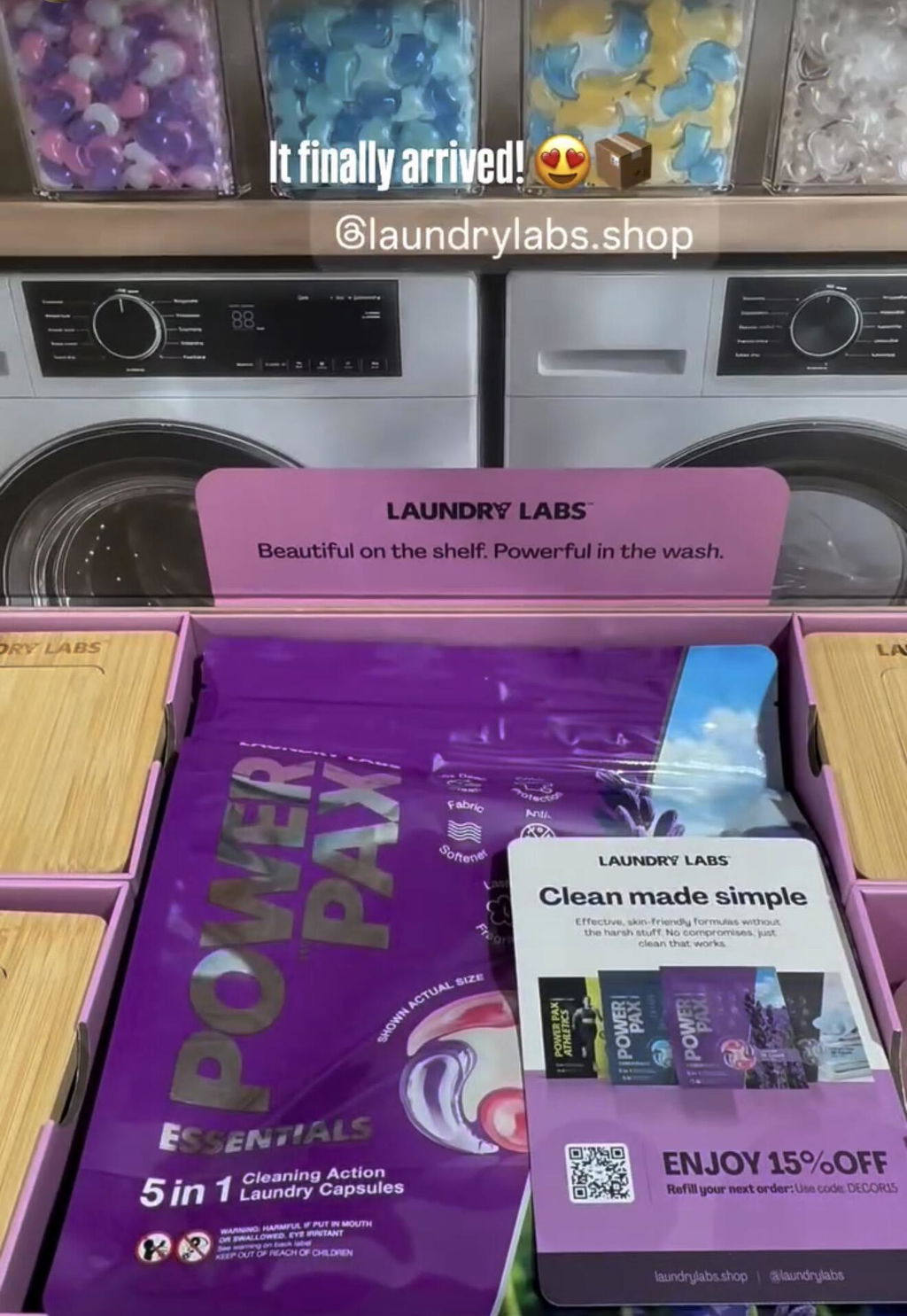
Single-dose capsules represent the newest evolution in laundry detergent delivery. These pre-measured pods eliminate dosing errors while incorporating multiple laundry functions into one convenient package. The 5-in-1 commercial laundry detergent capsules exemplify this technology, combining detergent, softener, stain treatment, odor control, and brightening agents.
Advantages of capsule systems:
- Precise dosing eliminates waste
- Convenient storage and handling
- Reduced spillage and mess
- Multi-functional formulations
- Improved inventory management for commercial operations
Fragrance options also play important roles in detergent selection. While nice smelling laundry detergent appeals to many users, sensitive skin considerations often necessitate fragrance-free alternatives. The free and clear formulations address these needs without compromising cleaning effectiveness.
Special Application Considerations
Different laundry scenarios demand tailored approaches to he laundry soaps selection. Understanding these specialized requirements ensures optimal results across various use cases.
Athletic and Performance Fabrics
Modern athletic wear incorporates synthetic fibers designed to wick moisture and regulate temperature. These technical fabrics require specialized cleaning approaches. Standard detergents can leave residues that reduce wicking capability and trap odors within synthetic fibers.
High-performance laundry solutions for activewear address these challenges through enzyme blends that break down protein-based sweat residues and specialized surfactants that penetrate technical fabric structures. These formulations maintain fabric breathability while eliminating embedded odors.
Commercial Laundry Operations
High-volume laundry operations face unique efficiency and cost management challenges. Commercial environments require he laundry soaps that deliver consistent results across hundreds of daily cycles while minimizing operational costs.
| Operation Type | Primary Concern | Recommended Features |
|---|---|---|
| Hotels/Hospitality | Stain removal, whiteness | High enzyme concentration, optical brighteners |
| Healthcare Facilities | Sanitization, allergen removal | Antibacterial agents, hypoallergenic formulas |
| Athletic Facilities | Odor elimination, fabric care | Specialized enzyme blends, residue-free formulas |
| Multi-family Housing | Cost efficiency, ease of use | Concentrated formulas, single-dose convenience |
Bulk packaging options and commercial-grade capsule systems provide cost-effective solutions for high-volume operations while maintaining the performance benefits of HE formulations.
Common Mistakes and How to Avoid Them
Even with superior he laundry soaps, improper usage can compromise results. Understanding common errors helps maximize detergent performance and machine longevity.
Overdosing ranks among the most frequent mistakes. The "more is better" mentality from traditional detergent usage doesn't apply to HE formulations. Excess detergent creates residue buildup on clothes and within the machine, potentially causing mechanical issues and reducing cleaning effectiveness. Always follow manufacturer dosing recommendations, adjusting only for extremely soiled loads or unusually large capacity.
Machine Maintenance and Detergent Performance
Regular machine maintenance directly impacts detergent effectiveness. HE machines require periodic cleaning to remove detergent residues, mineral deposits, and biological buildup. Monthly maintenance cycles with machine cleaning products or diluted vinegar prevent these accumulations from interfering with wash performance.
Critical maintenance practices:
- Leave the door ajar between loads to promote air circulation
- Clean door gaskets and dispensers monthly
- Run empty maintenance cycles with cleaning solution
- Check and clean drain filters quarterly
- Inspect hoses for buildup or damage annually
Water hardness significantly affects he laundry soaps performance. Hard water minerals can bind with detergent components, reducing cleaning power and contributing to residue formation. Testing water hardness and adjusting detergent amounts accordingly, or incorporating water softening solutions, optimizes results in areas with mineral-heavy water supplies.
Environmental Impact and Sustainability
The ecological footprint of laundry detergents extends from raw material sourcing through manufacturing, transportation, use, and disposal. Modern he laundry soaps increasingly prioritize environmental responsibility throughout this lifecycle.
Biodegradability represents a critical factor in detergent environmental impact. Plant-based surfactants break down more readily in aquatic environments than petroleum-derived alternatives. Phosphate-free formulations prevent eutrophication in water bodies, protecting aquatic ecosystems from harmful algae blooms.
Packaging and Distribution Considerations
Concentrated formulations reduce packaging requirements substantially. A bottle of HE detergent replaces multiple bottles of traditional formula, decreasing plastic usage. Single-dose pods further minimize packaging through efficient space utilization.
Transportation emissions decrease with concentrated products. Lighter, smaller packages mean more units per shipping container, reducing fuel consumption per dose delivered. This efficiency compounds across the supply chain, from manufacturing facilities to distribution centers to retail locations.
The cleaner laundry options movement emphasizes these environmental considerations, demonstrating that effective cleaning and ecological responsibility can coexist. Companies developing commercial-grade formulations increasingly incorporate sustainability metrics into product development, recognizing that environmental performance matters to informed consumers.
Future Trends in HE Detergent Technology
Innovation in laundry chemistry continues accelerating, driven by environmental concerns, technological advances, and evolving consumer expectations. Understanding emerging trends helps anticipate future developments in he laundry soaps.
Enzyme technology advances promise even more effective stain removal with lower environmental impact. Next-generation enzymes function efficiently at lower temperatures, reducing energy requirements while maintaining superior cleaning performance. These biological catalysts target specific stain types with remarkable precision, from protein-based food stains to grass and mud.
Smart Formulations and Connected Technology
Integration with smart home systems represents an emerging frontier. Internet-connected washing machines can communicate with detergent dispensing systems, automatically adjusting amounts based on load size, soil level, and fabric type. This automation ensures optimal dosing while minimizing waste.
Microencapsulation technologies enable time-release fragrance and performance additives. These microscopic capsules protect active ingredients during washing, releasing them gradually during wear or in response to specific triggers like body heat or friction. This innovation extends freshness and performance beyond the wash cycle itself.
Zero-waste initiatives drive development of completely plastic-free packaging solutions. Dissolvable pouches, concentrated strips, and refillable container systems aim to eliminate single-use plastic from laundry products entirely. These innovations maintain the convenience of modern detergents while dramatically reducing packaging waste.
Optimizing Results Across Different Water Temperatures
Temperature selection significantly impacts he laundry soaps effectiveness, though modern formulations perform remarkably well across temperature ranges. Understanding these relationships helps maximize cleaning performance while minimizing energy consumption.
Cold water washing has gained prominence as energy costs rise and environmental awareness increases. Modern HE detergents incorporate enzymes and surfactants specifically designed to activate in cold water. These formulations deliver effective cleaning while reducing energy consumption by up to eighty percent compared to hot water washing.
Temperature Selection Guidelines
| Fabric Type | Recommended Temperature | Detergent Consideration |
|---|---|---|
| Heavily soiled cotton | Warm to hot (90-140°F) | Standard HE formula |
| Synthetic activewear | Cold to warm (60-90°F) | Specialized performance formula |
| Delicate fabrics | Cold (60-80°F) | Gentle HE formula |
| White cotton/linen | Hot (130-140°F) | HE with optical brighteners |
| Colors/mixed loads | Cold to warm (60-90°F) | Color-safe HE formula |
Warm water provides versatile performance across most fabric types and soil levels. It activates detergent components efficiently while consuming less energy than hot water. This temperature range suits everyday laundry needs effectively.
Hot water remains valuable for sanitization requirements and heavily soiled items. Healthcare facilities, childcare operations, and households with immune-compromised individuals benefit from hot water's disinfecting properties. Pairing hot water with appropriate he laundry soaps ensures thorough cleaning and sanitization.
Professional Applications and Bulk Solutions
Commercial laundry operations demand consistent performance, cost efficiency, and operational simplicity. Professional-grade he laundry soaps address these requirements through specialized formulations and packaging options.
Bulk detergent systems reduce per-load costs significantly in high-volume operations. Large-capacity containers minimize packaging waste and storage requirements while providing economies of scale. Automated dispensing systems ensure precise dosing, eliminating waste from manual measurement.
Coin-Operated and Multi-Unit Applications
Multi-family housing and coin-operated laundries face unique challenges balancing performance, cost, and user convenience. Coin-vend compatible solutions provide pre-portioned detergent in formats suited to self-service environments, ensuring users have access to proper HE formulations without requiring bulk purchases.
Hospitality operations prioritize consistent results across diverse fabric types and soil levels. Professional HE formulations must handle everything from lightly soiled guest towels to heavily stained restaurant linens. Multi-functional capsule systems streamline inventory management by consolidating multiple products into single, comprehensive solutions.
Professional operation benefits:
- Reduced inventory complexity through multi-function products
- Consistent dosing eliminates user error
- Improved cost tracking and budget management
- Enhanced guest satisfaction through superior results
- Simplified staff training and procedures
Healthcare laundries face the strictest performance requirements, necessitating formulations that sanitize effectively while remaining gentle on sensitive skin. Hypoallergenic he laundry soaps that meet medical facility standards provide essential infection control while accommodating patient sensitivities.
Ingredient Transparency and Consumer Education
Modern consumers increasingly demand detailed information about product ingredients and their environmental impacts. This transparency trend influences he laundry soaps development and marketing significantly.
Understanding ingredient labels empowers informed purchasing decisions. Key components include surfactants (cleaning agents), enzymes (stain removers), builders (water softeners), and optical brighteners (whiteness enhancers). Plant-based alternatives to petroleum-derived ingredients appeal to environmentally conscious consumers without sacrificing performance.
Safety considerations extend beyond environmental impact to user health. Hypoallergenic formulations eliminate common irritants like dyes and synthetic fragrances, addressing needs of individuals with sensitive skin or chemical sensitivities. Third-party certifications from organizations like EPA Safer Choice or USDA BioPreferred provide independent verification of environmental and safety claims.
High-efficiency detergents represent the convergence of advanced chemistry, environmental responsibility, and practical performance requirements in modern laundry care. Selecting appropriate he laundry soaps optimizes machine performance, reduces operational costs, and minimizes environmental impact across residential and commercial applications. Whether you're managing a commercial laundry operation or simply seeking better results at home, Laundry Labs offers powerful, eco-friendly solutions designed for efficiency and sustainability, with innovative capsule formulations that simplify your laundry routine while delivering exceptional results.