How to Clean Bathing Suits: Expert Care Guide

Bathing suits endure a remarkable amount of stress throughout their lifecycle. Between chlorinated pools, saltwater, sunscreen, body oils, and UV exposure, swimwear fabrics face challenges that regular clothing never encounters. Understanding how to clean bathing suits correctly means the difference between a suit that lasts one season and one that maintains its shape, color, and elasticity for years.
The key lies in using the right techniques and products designed to handle the unique materials found in swimwear, particularly the delicate spandex and synthetic blends that give suits their stretch and fit.
Understanding Bathing Suit Fabrics and Their Care Requirements
Most modern swimwear contains a combination of nylon, polyester, and spandex, each serving a specific purpose. Nylon provides durability and quick-drying properties, polyester resists fading and maintains shape, while spandex delivers the essential stretch and recovery that keeps suits fitting properly.
The problem arises when these fabrics encounter harsh chemicals, hot water, or aggressive washing methods. Chlorine breaks down spandex fibers over time, causing that telltale sag. Saltwater leaves mineral deposits that stiffen fabric. Sunscreen oils create stubborn stains that attract dirt and bacteria.
Why Traditional Laundry Methods Fail Swimwear
Regular laundry detergents often contain optical brighteners, enzymes, and additives designed for cotton and natural fibers. These ingredients can actually damage synthetic swimwear materials. When considering how to clean bathing suits effectively, selecting appropriate detergents for swimsuits becomes critical to maintaining fabric integrity.
Key factors that damage bathing suits:
- High water temperatures above 85°F
- Harsh alkaline detergents
- Chlorine bleach on spandex
- Extended machine spin cycles
- Direct heat from dryers
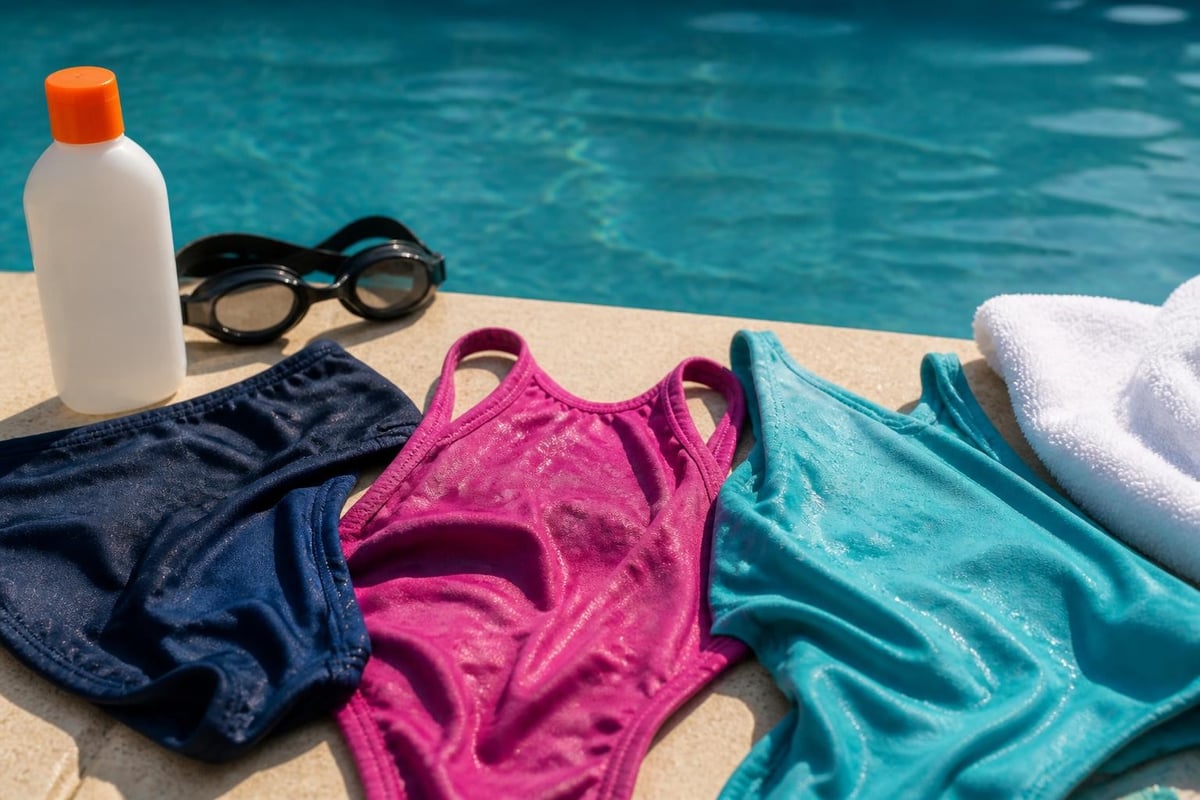
Hand Washing: The Gold Standard for Swimsuit Care
Hand washing remains the most reliable method when learning how to clean bathing suits. This gentle approach preserves elasticity, prevents snags, and allows you to target specific stains without exposing the entire garment to harsh conditions.
Start by filling a clean sink or basin with cool water. The temperature should feel comfortable to the touch, never exceeding lukewarm. Add a small amount of detergent designed for synthetic fabrics or delicate materials.
Step-by-Step Hand Washing Process
- Rinse immediately after use to remove chlorine, salt, or sand
- Submerge the suit in prepared cleaning solution for 15-30 minutes
- Gently agitate the water without twisting or wringing the fabric
- Focus on problem areas like the crotch lining and underarm sections
- Rinse thoroughly with cool, clean water until no soap remains
- Press out excess water by laying flat on a towel and rolling
According to expert swimsuit care guidelines from Persil, proper rinsing after each use dramatically extends suit lifespan by preventing chemical buildup that degrades elastic fibers.
Commercial-grade solutions designed for synthetic fabrics work exceptionally well for swimwear. The 5-in-1 commercial laundry detergent capsules from specialized manufacturers combine cleaning power with fabric protection, addressing multiple care needs simultaneously.
Machine Washing When Time Is Limited
While hand washing provides optimal care, practical realities sometimes demand machine washing. Understanding how to clean bathing suits in a washing machine requires specific precautions to minimize damage.
Essential machine washing guidelines:
- Place suits inside mesh lingerie bags
- Use the delicate or hand-wash cycle exclusively
- Select cold water temperature only
- Add minimal detergent (half the regular amount)
- Remove immediately after the cycle ends
- Never use the spin cycle at high speed
| Washing Method | Fabric Preservation | Time Required | Risk Level |
|---|---|---|---|
| Hand Washing | Excellent | 10-15 minutes | Very Low |
| Machine Delicate | Good | 30-45 minutes | Moderate |
| Regular Machine | Poor | 30-45 minutes | High |
| Professional Cleaning | Excellent | 3-5 days | Very Low |
Swimwear maintenance experts from The Laundress emphasize protective measures like mesh bags because they prevent suits from catching on drum paddles or tangling with other garments, both of which stretch elastic fibers beyond recovery.
Why Laundry Labs PowerPax™ Is the Best Detergent for Bathing Suits
Bathing suits go through more than almost any other piece of clothing in your wardrobe. Every trip to the beach or pool exposes them to chlorine, saltwater, sunscreen, body oils, sweat, sand, and UV rays—all of which slowly break down the delicate synthetic fibers that give swimsuits their stretch, shape, and vibrant color. Using the right detergent is one of the easiest ways to extend the life of your favorite swimwear, and that's exactly what Laundry Labs PowerPax™ was designed to do. Bathing suits face a unique combination of chemical exposure and fabric stress that requires gentle yet effective cleaning.
Deep Cleaning Without Damaging Delicate Fabrics
Unlike harsh detergents that can leave behind residue or wear down elastic fibers over time, every Laundry Labs PowerPax™ is formulated to deliver a powerful clean while helping protect technical fabrics like nylon, polyester, and spandex—the materials found in most modern swimsuits.
The concentrated 5-in-1 formula works to remove:
-
Chlorine residue
-
Saltwater buildup
-
Sunscreen oils
-
Sweat and body oils
-
Sand and dirt
-
Everyday odors
By thoroughly cleaning these contaminants after every wear, Laundry Labs helps prevent the buildup that can lead to fading, stretching, and unpleasant odors.

The Same Powerful Clean Across Every Collection
No matter which Laundry Labs PowerPax™ you choose, you'll receive the same commercial-grade cleaning performance that makes caring for swimwear simple.
-
Original Linen Fresh provides an everyday deep clean with a crisp, clean scent.
-
Lavender PowerPax™ delivers the same stain-fighting performance with an elevated lavender fragrance formulated in France.
-
Citrus Energy PowerPax™ offers a fresh citrus scent that's perfect for summer laundry.
-
Free & Clear PowerPax™ is dermatologist-tested and made without dyes or fragrances, making it an excellent choice for sensitive skin and those who spend hours in swimsuits.
-
Athletic PowerPax™ is ideal for swimmers, triathletes, and active families who want extra odor control and antibacterial cleaning for performance swimwear and athletic apparel.
Every pod is built on Laundry Labs' commercial-grade cleaning technology, giving you exceptional stain removal and fabric care regardless of the scent or collection you choose.
Protects the Swimwear You Invest In
Quality swimsuits aren't inexpensive, and replacing them every season can quickly become costly. Proper care helps preserve their fit, elasticity, and appearance.
Laundry Labs PowerPax™ cleans effectively in cold water, which is one of the best ways to protect spandex and elastic fibers from premature breakdown. Cold-water washing also helps preserve vibrant colors and prevents unnecessary stress on delicate swimsuit materials, making it an ideal choice for everything from competitive swimwear to designer bikinis and one-piece suits. Proper swimsuit care emphasizes cool water, gentle detergents, and avoiding harsh heat to maintain elasticity and color.
One Pod Makes Swimwear Care Simple
After a long day at the beach or pool, the last thing you want is a complicated laundry routine. Simply toss one Laundry Labs PowerPax™ into the washing machine with your bathing suits, beach towels, rash guards, cover-ups, and other summer essentials. The concentrated formula delivers a deep clean while helping protect the fabrics you rely on all summer long.
Whether you're washing swimsuits after family vacations, competitive swim practice, beach weekends, or afternoons by the pool, Laundry Labs PowerPax™ provides the cleaning power needed to remove chlorine, salt, sunscreen, sweat, and odors—all while helping your swimwear stay brighter, fresher, and in great condition for seasons to come.

Choosing the Right Detergent for Synthetic Fabrics
The detergent selection makes an enormous difference when determining how to clean bathing suits effectively. Standard detergents formulated for cotton can leave residue on synthetic fibers, creating a waxy buildup that traps odors and reduces fabric breathability.
Look for products specifically designed for athletic wear or synthetic materials. These formulations typically feature:
- pH-balanced cleaning agents
- Lower sudsing formulas
- No optical brighteners
- Enzyme blends safe for spandex
- Biodegradable ingredients
For those managing multiple suits or athletic wear, athletic-specific laundry solutions provide targeted cleaning that addresses both performance fabrics and odor control without compromising elasticity.
Tackling Stubborn Stains and Odors
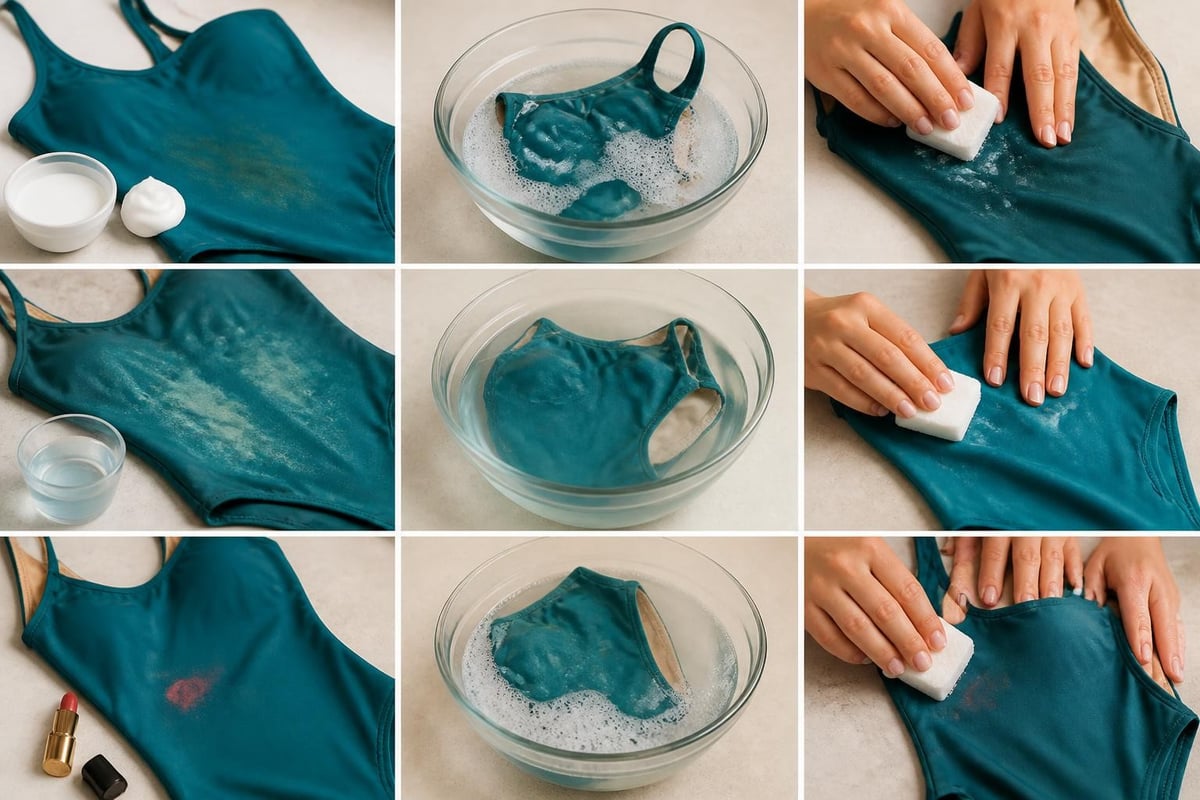
Bathing suits accumulate various stains that require specific treatment approaches. Sunscreen creates oil-based stains that resist water-based cleaning. Chlorine causes yellowing on white suits. Body oils combine with bacteria to create persistent odors.
Sunscreen Stain Removal Strategy
Sunscreen stains rank among the most challenging to remove from swimwear. The oils penetrate synthetic fibers quickly, and the chemical UV blockers can bond with fabric dyes.
Effective sunscreen stain treatment:
- Apply a small amount of dish soap directly to the stain
- Let it sit for 10-15 minutes before washing
- Use cool water to avoid setting the stain
- Repeat if necessary before air drying
- Never expose to heat until the stain disappears completely
Eliminating Chlorine Odors and Yellowing
Chlorine creates a distinctive smell that embeds itself in swimsuit fibers. Left untreated, it continues degrading the elastic even after you leave the pool. Methods to rid smells from bathing suits often involve neutralizing agents that counteract chlorine's alkaline properties.
Create a vinegar solution by mixing one tablespoon of white vinegar per quart of cool water. Soak the suit for 30 minutes, then wash as normal. The mild acid neutralizes chlorine residue without damaging spandex.
For persistent odors, especially in suits worn frequently at heavily chlorinated pools, consider an oxygen-based soak. These products release active oxygen that breaks down organic matter causing smells without the harshness of chlorine bleach.
Drying Methods That Preserve Shape and Elasticity
How you dry a bathing suit matters just as much as how to clean bathing suits. Heat represents the single greatest enemy of spandex, causing irreversible damage that results in baggy, stretched-out suits.
Never use these drying methods:
- Clothes dryer at any temperature
- Direct sunlight for extended periods
- Radiators or heating vents
- Hanging by straps (causes stretching)
- Wringing or twisting to remove water
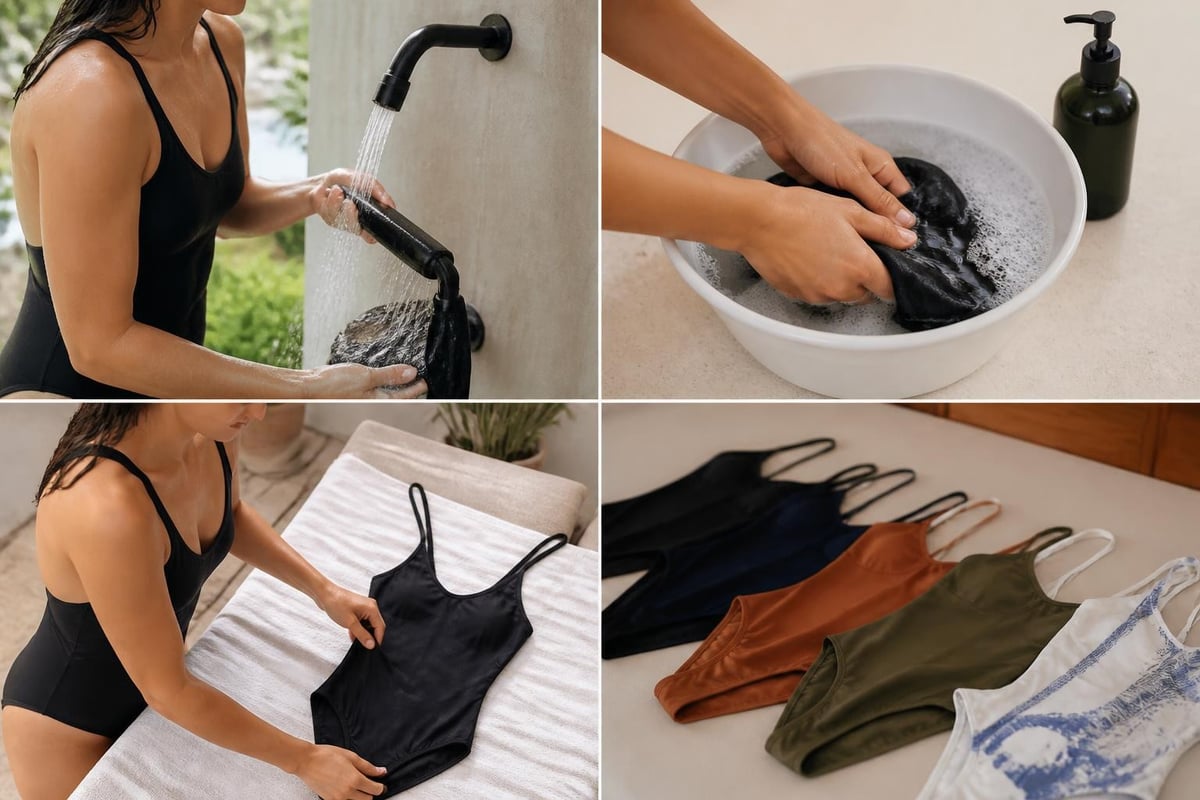
Instead, adopt these preservation techniques. After washing, gently press the suit between clean, dry towels to absorb excess moisture. Lay the suit flat on a fresh towel away from direct heat and sunlight. Reshape it to its original form, smoothing any wrinkles or bunching.

Air Drying Best Practices
Position suits in a well-ventilated area with good air circulation. Indoor drying typically works better than outdoor exposure because it eliminates UV damage risks. If you must dry outside, choose a shaded location during cooler parts of the day.
| Drying Location | Drying Time | Risk to Fabric | Recommended |
|---|---|---|---|
| Flat Indoor Shade | 4-8 hours | Minimal | Yes |
| Hanging Indoor | 3-6 hours | Moderate (strap stress) | Conditional |
| Direct Sunlight | 2-4 hours | High (UV + heat) | No |
| Machine Dryer | 20-30 minutes | Severe (permanent damage) | Never |
Some swimmers maintain rotation systems, owning three to four suits that they cycle through. This approach allows each suit 24-48 hours to dry completely and for elastic fibers to recover before the next use, significantly extending overall lifespan.
Preventive Care and Long-Term Maintenance
Understanding how to clean bathing suits encompasses more than washing techniques. Preventive measures taken before, during, and after wear dramatically impact suit longevity.
Pre-Wear Preparation
Before wearing a new bathing suit, some experts recommend a preliminary soak in cool water with a small amount of white vinegar. This process helps set dyes and prepares fibers for chemical exposure. While not mandatory, it can reduce color bleeding during initial washes.
Consider applying sunscreen and allowing it to dry completely before putting on your suit. This simple step reduces the amount of lotion transferred directly onto fabric, minimizing oil stains.
During-Wear Protection
When possible, rinse your suit with fresh water during extended pool or beach sessions. Many facilities provide outdoor showers specifically for this purpose. A quick rinse removes chlorine buildup and saltwater before they have time to penetrate deeply into fibers.
After swimming but before changing, some swimmers rinse their suits while still wearing them. This technique ensures thorough water penetration through all layers, including padded areas and linings that might otherwise trap chemicals.
Storage Considerations
Proper storage between uses matters almost as much as cleaning. Never store damp or wet bathing suits in plastic bags, gym bags, or enclosed spaces. The moisture creates an ideal environment for mildew growth, which creates permanent odors and can stain fabric.
Optimal storage practices:
- Ensure suits are completely dry before storage
- Fold loosely rather than compress tightly
- Store in breathable cotton bags or open drawers
- Keep away from rough surfaces that might snag
- Separate light and dark colors to prevent dye transfer
For those who swim regularly and need to transport suits frequently, invest in specialized swimwear bags with ventilation panels. These allow air circulation while protecting suits from contact with rough gym bag contents.
Specialized Care for Different Suit Types
Not all bathing suits require identical care approaches. Competition suits, training suits, and fashion swimwear each present unique considerations when determining how to clean bathing suits of various types.
Competition and Performance Suits
High-performance racing suits often incorporate advanced materials like polybutylene terephthalate (PBT) or specialized compression fabrics. These suits cost significantly more than recreational swimwear and demand meticulous care.
Professional cleaning approaches for delicate swimming items sometimes prove worthwhile for expensive competition gear. Professional cleaners understand the chemical compositions and can use pH-balanced solutions that preserve technical properties.
For home care, always hand wash competition suits in cool water with minimal agitation. Never wring or twist these suits, as they're designed with precise compression zones that permanent deformation can ruin.
Training Suits and Practice Wear
Daily training suits endure the harshest conditions. Competitive swimmers might spend 10-20 hours weekly in chlorinated water, exposing their suits to chemical levels that would destroy recreational swimwear within weeks.
Implement a rigorous post-swim routine: rinse immediately in fresh water for at least 60 seconds, focusing on areas that contact the body directly. Within hours of use, hand wash with a specialized synthetic fabric detergent. The Free & Clear formulations work particularly well for sensitive skin that spends extended time in swimwear.
Fashion Swimwear with Embellishments
Suits featuring sequins, metal hardware, underwires, or decorative elements require extra caution. These components can snag, rust, or deteriorate when exposed to certain cleaning methods.
Always hand wash embellished suits, paying attention to how you handle decorated areas. Support underwires rather than allowing them to twist or bend. Remove any detachable padding before washing, cleaning it separately to ensure thorough drying.
Metal components benefit from an extra fresh water rinse to remove all salt and chlorine residue. After washing, use a soft cloth to pat dry any hardware, preventing water spots and oxidation.
The Science Behind Swimwear Degradation
Understanding the chemical processes that damage bathing suits helps explain why specific care methods work. Chlorine's oxidizing properties attack the polymer chains in spandex, breaking molecular bonds that provide elasticity. Each exposure weakens these bonds incrementally until the fabric loses recovery properties entirely.
Saltwater presents different challenges. The sodium chloride crystals that remain after water evaporation create abrasive particles between fibers. These crystals act like microscopic sandpaper during movement, wearing down fabric from the inside out.
UV radiation accelerates both processes. Sunlight's ultraviolet wavelengths cause photodegradation in synthetic polymers, breaking down the chemical structures that give fabrics their strength and flexibility. Combined exposure to chlorine, salt, and sun creates a compounding effect where damage progresses exponentially rather than linearly.
Chemical degradation timeline:
- After 10 exposures: Minor molecular chain breaks begin
- After 25 exposures: Visible elasticity reduction in high-stress areas
- After 50 exposures: Significant color fading and fabric thinning
- After 75+ exposures: Severe degradation, replacement recommended
Proper care interrupts these degradation processes. Immediate rinsing removes chemicals before they penetrate deeply. Gentle washing eliminates abrasive particles. Shade drying prevents UV damage. Each protective step extends the timeline between degradation stages.
Environmental Considerations in Swimwear Care
Modern swimmers increasingly consider environmental impact when choosing how to clean bathing suits. Traditional detergents contain phosphates, synthetic fragrances, and non-biodegradable surfactants that accumulate in water systems. Given that swimwear cleaning involves rinsing chemicals directly from pool and ocean water, the environmental connection proves particularly relevant.
Eco-friendly laundry solutions designed with biodegradable ingredients minimize aquatic ecosystem impact. These formulations break down naturally without leaving persistent chemicals in wastewater. For environmentally conscious swimmers, choosing sustainable laundry products aligns swimwear care practices with broader environmental values.
Consider water conservation as well. Hand washing a single bathing suit uses significantly less water than running a full machine load. When you do machine wash, combine multiple suits or add other delicate items to maximize efficiency.
The connection between swimming and environmental awareness extends beyond pool chemicals. Many swimmers who frequent natural water bodies develop strong conservation ethics. Some choose to rinse suits in collected water that's then used for gardens rather than sending it directly to sewage systems. Others who enjoy regular sauna sessions and cold plunges as part of their recovery routine understand the importance of water quality and sustainable practices. For those interested in comprehensive wellness approaches that respect natural resources, exploring options like outdoor saunas from specialized retailers can complement a swimming routine while maintaining environmental consciousness.

Common Mistakes That Ruin Bathing Suits
Even well-intentioned care can damage swimwear when based on misconceptions about how to clean bathing suits properly. Recognizing these common errors helps avoid premature suit replacement.
Mistake #1: Leaving Suits in Bags
The single most common error involves leaving wet suits in gym bags or plastic containers. Within hours, mildew begins growing in the warm, moist environment. By the time you notice the smell, it has often penetrated so deeply that removal becomes nearly impossible.
Mistake #2: Using Hot Water
Many people assume hot water cleans better, applying household laundry logic to swimwear. In reality, temperatures above 85°F cause spandex to lose elasticity permanently. Guidance on cleaning bathing suits without damage consistently emphasizes cool water as non-negotiable for fabric preservation.
Mistake #3: Over-Detergenting
More detergent doesn't mean cleaner suits. Excess soap leaves residue that attracts dirt and creates a waxy coating on synthetic fibers. This buildup reduces breathability and can actually trap odors rather than eliminate them.
Mistake #4: Waiting Too Long Between Washes
Some swimmers wear suits multiple times before washing, assuming a quick rinse suffices. While better than nothing, rinsing alone doesn't remove body oils, sunscreen, or the chemical bonds that chlorine forms with fabric. Regular washing prevents these substances from setting permanently.
Mistake #5: Aggressive Wringing
Twisting suits to remove water seems efficient but stretches elastic fibers irreversibly. The force applied during wringing exceeds anything the suit experiences during normal wear, creating permanent deformation in the fabric's recovery mechanism.
Professional Cleaning Options
For valuable suits or when dealing with severe stains, professional cleaning offers advantages that home care cannot match. Dry cleaners specializing in delicate fabrics understand swimwear's unique requirements and stock appropriate solvents.
Professional services prove particularly valuable for:
- Vintage swimwear with historical value
- Designer pieces with complex construction
- Competition suits requiring perfect condition
- Suits with stubborn stains resistant to home treatment
- Extensive mildew damage requiring specialized remediation
When selecting a cleaner, verify their experience with synthetic athletic fabrics. Ask specifically about their process for spandex-containing garments. Some dry cleaning chemicals can damage elastic fibers, so ensure they use methods safe for swimwear.
Creating a Sustainable Swimsuit Care Routine
Developing consistent care habits makes proper maintenance automatic rather than burdensome. A systematic approach to how to clean bathing suits ensures no step gets overlooked and extends suit lifespan predictably.
Weekly swimmer's routine:
- Rinse suit immediately after each use (30-60 seconds fresh water)
- Hand wash within 6 hours of swimming
- Air dry completely in shaded, ventilated area
- Store only when 100% dry
- Rotate between multiple suits to allow fiber recovery
Monthly maintenance tasks:
- Deep clean with vinegar soak for chlorine neutralization
- Inspect elastic areas for wear or degradation
- Check for loose threads or developing holes
- Evaluate whether replacement may be needed soon
- Refresh storage areas to prevent musty odors
Seasonal considerations:
- Pre-season: inspect stored suits for damage, wash before first use
- Peak season: maintain rigorous daily care routine
- Post-season: thorough cleaning before storage, consider professional cleaning for expensive suits
- Off-season: proper storage in breathable containers, periodic checks for moisture or pests
By implementing these structured practices, swimmers develop muscle memory around suit care, reducing the likelihood of damaging mistakes while maximizing each suit's functional lifespan.
The investment in quality swimwear deserves protection through proper maintenance. Understanding chemical interactions, fabric properties, and effective cleaning techniques transforms swimsuit care from guesswork into a science-based practice that preserves both performance and appearance season after season.
Mastering how to clean bathing suits properly extends their functional life dramatically while maintaining the fit, color, and performance that make quality swimwear worth the investment. By implementing gentle hand washing techniques, using appropriate detergents designed for synthetic fabrics, and following proper drying methods, you protect the elastic fibers that give suits their essential stretch and recovery. Whether you're caring for competitive gear or fashion swimwear, these evidence-based practices ensure your suits withstand the harsh chemicals and environmental conditions they encounter.
For swimmers seeking commercial-grade cleaning solutions that combine powerful cleaning with fabric protection, Laundry Labs offers eco-friendly formulations specifically designed to handle the unique challenges of synthetic athletic fabrics while delivering the comprehensive care your swimwear deserves.