
How to Clean Jerseys: Complete Care Guide for 2026

Sports jerseys represent more than just athletic gear. They embody team pride, personal achievement, and significant financial investment. Whether you're caring for professional-grade uniforms, youth league jerseys, or cherished collectibles, understanding how to clean jerseys properly ensures they maintain their appearance and structural integrity season after season. This comprehensive guide explores proven techniques, addresses common challenges, and provides expert recommendations for keeping your athletic wear in championship condition.
Understanding Jersey Fabric Technology
Modern athletic jerseys feature sophisticated fabric engineering designed for performance. Moisture-wicking polyester dominates contemporary sportswear, moving sweat away from the body while maintaining breathability. These technical fabrics require specialized care approaches that differ significantly from traditional cotton garments.
Performance Fabric Characteristics
Different jersey types demand unique cleaning considerations:
- Polyester mesh: Lightweight, breathable, prone to odor retention
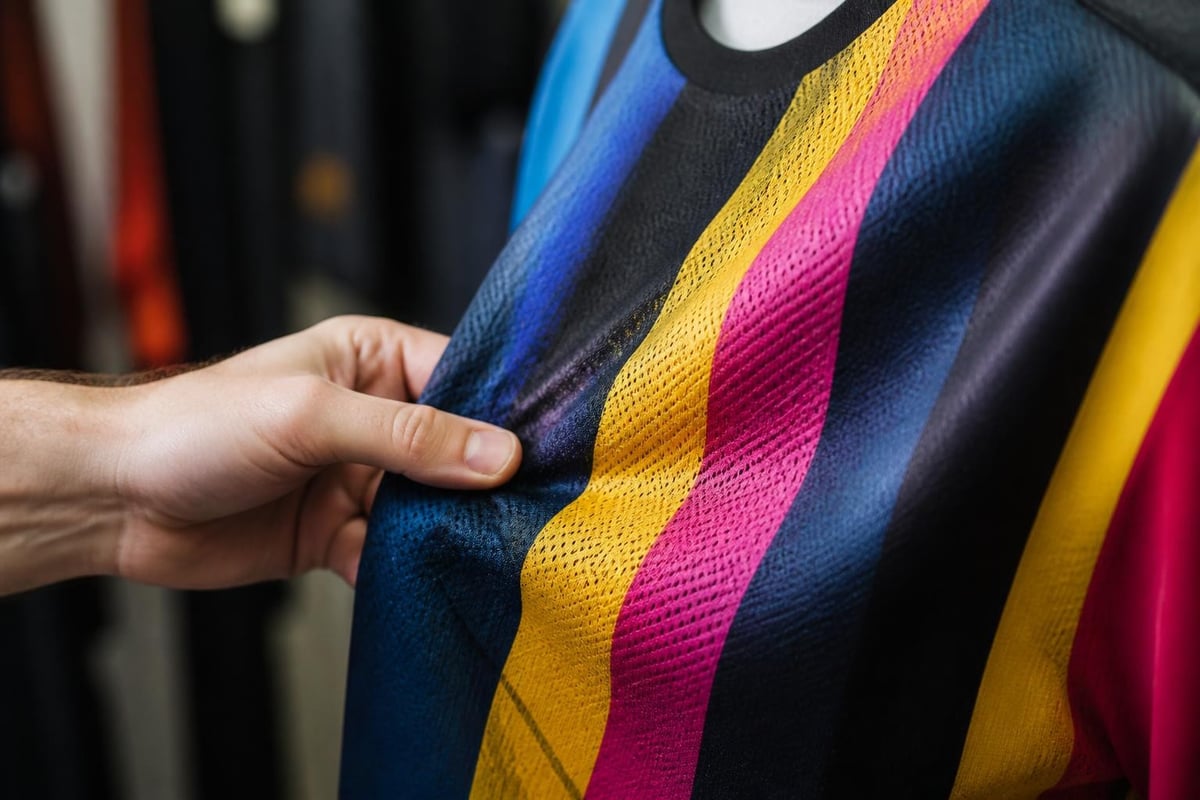
- Sublimated fabrics: Dye infused directly into fibers, requiring gentle treatment
- Compression materials: Elasticity-dependent, damaged by high heat
- Cotton blends: More forgiving but less moisture-resistant
The construction of athletic jerseys also incorporates heat-pressed numbers, screen-printed logos, and embroidered patches. These decorative elements become vulnerable during improper washing, making technique selection critical for preservation.
Pre-Wash Preparation Strategies
Successful jersey care begins before garments enter the washing machine. Pre-treatment determines overall cleaning effectiveness and prevents common problems like set-in stains or color bleeding.
Start by examining care labels thoroughly. Nike's official jersey washing guide emphasizes checking these instructions first, as manufacturers provide fabric-specific recommendations that override general advice.
Stain Assessment and Treatment
Identifying stain types allows for targeted treatment:
| Stain Type | Treatment Method | Timing |
|---|---|---|
| Grass | Enzyme-based pre-treater | 15-30 minutes |
| Mud | Air dry, then brush off | Before washing |
| Blood | Cold water rinse immediately | Within hours |
| Grease | Dish soap application | 10-15 minutes |
For ink stains, WikiLaundry recommends using rubbing alcohol on a cotton ball, dabbing gently from the stain's outer edge inward. This prevents spreading while breaking down the ink molecules.
Turn jerseys inside out before any washing process. This simple step protects graphics, reduces friction on decorative elements, and allows detergent direct access to areas with the heaviest sweat and oil accumulation. NBC News experts emphasize this technique as essential for preserving jersey appearance.

Why Laundry Labs Athletic PowerPax™ Is the Best Detergent for Sports Jerseys
Athletic jerseys aren't ordinary laundry. Every practice, game, and workout leaves behind sweat, bacteria, body oils, grass stains, and odors that become trapped deep inside moisture-wicking performance fabrics. Standard laundry detergents often clean what you can see but leave behind the odor-causing bacteria and residue hidden inside the fibers.
That's where Laundry Labs Athletic PowerPax™ was specifically designed to perform.
Unlike traditional detergents that simply wash away surface dirt, Athletic PowerPax™ is formulated specifically for high-performance athletic fabrics. Whether you're washing football jerseys, baseball uniforms, hockey gear, basketball jerseys, soccer kits, volleyball uniforms, wrestling singlets, lacrosse equipment, or everyday gym clothes, Athletic PowerPax™ provides a deeper clean without damaging the fabrics that athletes depend on.
Designed for Modern Performance Fabrics
Today's athletic apparel is engineered with advanced synthetic fibers that wick away sweat while remaining lightweight and breathable. Unfortunately, those same fibers are excellent at trapping bacteria and odor molecules.
Laundry Labs Athletic PowerPax™ helps solve that problem by delivering:
- Deep-cleaning enzymes that help lift sweat, dirt, grass, mud, and protein-based stains
- Advanced odor-control technology that targets the source of odors instead of simply masking them
- Antibacterial cleaning that helps eliminate bacteria commonly found in athletic gear
- Fabric protection that helps preserve elasticity, moisture-wicking performance, and vibrant team colors
- Cold-water performance, allowing jerseys to be washed safely without exposing graphics or fabrics to damaging heat
This combination makes it an ideal detergent for athletes who wear their uniforms multiple times each week.

Protects Jerseys Season After Season
One of the biggest concerns when washing jerseys is preserving everything that makes them look new.
Heat-pressed numbers, stitched logos, embroidered patches, vinyl lettering, and sublimated graphics can all deteriorate when exposed to harsh detergents or repeated hot washes. Athletic PowerPax™ is designed to clean effectively while remaining gentle on the materials that make jerseys unique.
Using cold water with one Athletic PowerPax™ helps preserve:
- Team colors
- Heat-pressed numbers
- Vinyl lettering
- Screen-printed graphics
- Embroidered logos
- Stretch fabrics
- Moisture-wicking technology
Instead of slowly breaking down technical fibers, the formula helps extend the life of expensive athletic apparel.
Built for Every Sport
No matter the sport, every athlete faces the same challenge: sweat and odor.
Athletic PowerPax™ is an excellent choice for cleaning:
- Football jerseys and practice gear
- Baseball and softball uniforms
- Basketball jerseys
- Soccer kits
- Hockey jerseys
- Wrestling singlets
- Volleyball uniforms
- Running apparel
- Cycling jerseys
- Gym clothing
- Compression shirts and shorts
- Athletic socks and performance base layers
Because the detergent is highly concentrated, only one pod is needed for most loads, making laundry simple after games, tournaments, practices, or weekend competitions.
More Than Just Detergent
Athletic PowerPax™ isn't simply another sports detergent. Each pod combines multiple laundry functions into one easy-to-use capsule, eliminating the need for separate stain removers, odor boosters, or fabric care products.
Every pod delivers:
- Commercial-strength detergent
- Built-in stain treatment
- Non-ionic fabric softening
- Antibacterial cleaning
- Advanced odor elimination
Instead of juggling multiple products, athletes and parents can simply toss in one pod and let it do the work.
The Smarter Way to Wash Jerseys
Sports jerseys often represent years of memories, championships, school pride, and significant financial investment. Taking proper care of them means using a detergent designed for the unique demands of athletic fabrics—not one made for everyday cotton clothing.
Laundry Labs Athletic PowerPax™ helps jerseys stay cleaner, smell fresher, and maintain their performance season after season. From youth sports to college athletics and professional training, it's a simple upgrade that helps protect the gear athletes rely on every time they step onto the field, court, rink, or track.

Selecting Optimal Washing Methods
How to clean jerseys effectively depends heavily on choosing appropriate washing parameters. Temperature, agitation intensity, and detergent selection create the foundation for successful jersey maintenance.
Temperature Considerations
Cold water washing provides multiple benefits for athletic wear. It prevents shrinkage in fabric blends, maintains elasticity in compression materials, and protects vibrant colors from fading. Heat accelerates color degradation and can damage heat-pressed graphics, making cold water the universally recommended option.
Modern formulations like those from Laundry Labs work efficiently in cold water while delivering commercial-grade cleaning power. Their athletic-specific capsules combine cleaning, softening, and odor elimination without requiring temperature elevation.
Cycle and Agitation Settings
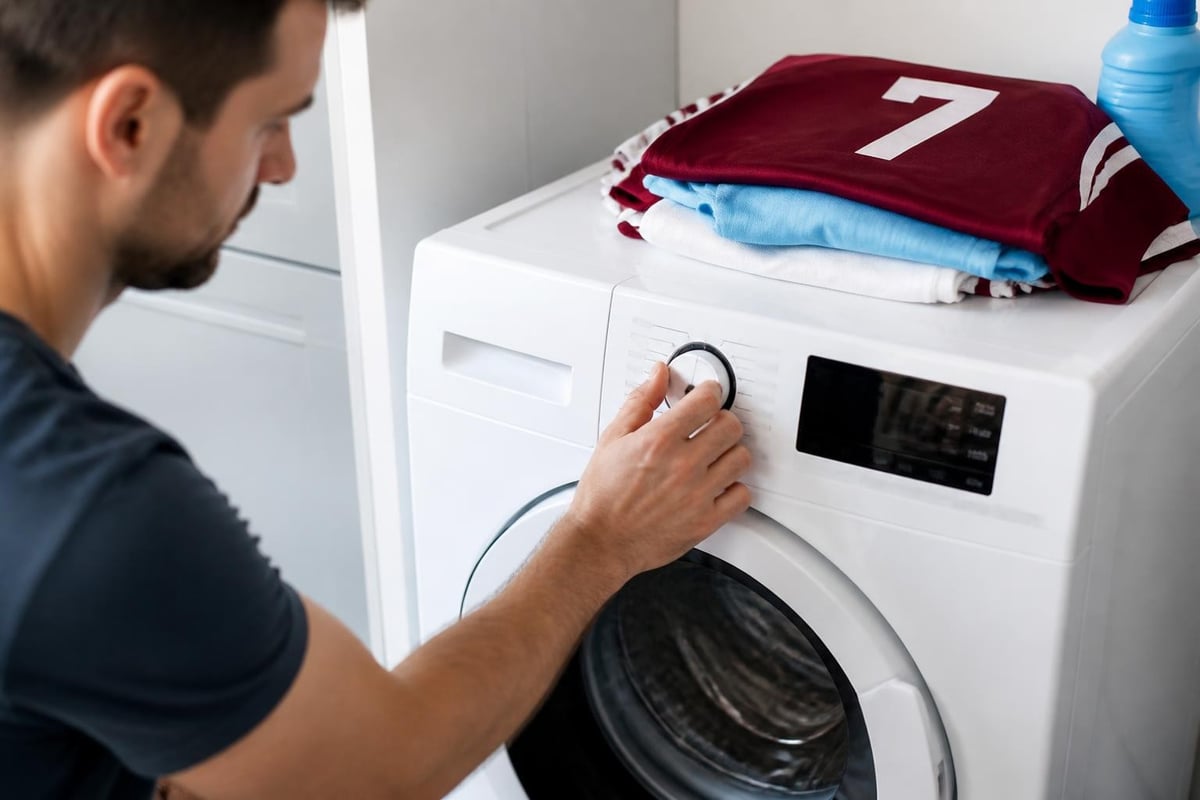
Gentle or delicate cycles minimize fabric stress while providing adequate cleaning:
- Gentle cycle: Reduces mechanical wear on fibers and graphics
- Short wash duration: 30-40 minutes typically sufficient
- Low spin speed: Prevents stretching and distortion
- Extra rinse: Removes detergent residue completely
Never overload washing machines when cleaning jerseys. Adequate water circulation ensures thorough cleaning while preventing excessive garment-to-garment friction that damages printed elements.
Advanced Stain Removal Techniques
Despite preventive measures, jerseys encounter stubborn stains requiring specialized treatment. Understanding how to clean jerseys when standard washing proves insufficient saves garments from permanent damage.
Grease and Oil Elimination
Tom's Guide's proven method combines dish soap and baking soda for remarkable grease-cutting power. Apply dish soap directly to the stain, work it gently into fabric, sprinkle baking soda over the area, and let sit for 30 minutes before washing.
This approach works particularly well on synthetic fibers that repel water-based treatments but respond to the surfactants in quality dish detergents.
Sublimated Jersey Special Care
Jerseys with sublimated designs require gentler approaches since aggressive stain treatment can fade the vibrant patterns. Wooter's specialized guidance recommends white vinegar solutions and patience rather than harsh chemical applications.
Mix equal parts white vinegar and cool water, apply to stained areas with a soft cloth, and gently dab rather than rub. The acidity breaks down organic stains without affecting dye molecules bonded to fabric fibers.
Drying Methods That Preserve Integrity
Proper drying technique proves equally important as washing when learning how to clean jerseys correctly. Heat represents the greatest threat to jersey longevity, affecting everything from fabric elasticity to graphic adhesion.
Air Drying Best Practices
Natural air drying remains the gold standard for jersey care:
- Hang jerseys on padded hangers to prevent shoulder marks
- Avoid direct sunlight that fades colors over time
- Ensure adequate air circulation around all fabric areas
- Never hang by screen-printed or heat-pressed numbers
- Allow 12-24 hours for complete moisture evaporation
For faster drying without heat damage, position jerseys near fans or in well-ventilated spaces. The increased air movement accelerates evaporation while maintaining safe temperatures.
When Machine Drying Becomes Necessary
If circumstances require machine drying, implement strict parameters:
| Setting | Recommendation | Reason |
|---|---|---|
| Temperature | Lowest/Air dry | Prevents shrinkage and graphic damage |
| Time | 10-15 minutes max | Removes excess moisture only |
| Load size | Small | Reduces friction and tangling |
| Follow-up | Air dry remainder | Completes process safely |
Arm & Hammer's jersey care tips specifically warn against high-heat drying, noting that even medium temperatures can compromise technical fabric performance over repeated cycles.
Handling Specialty Jersey Types
Different jersey categories present unique cleaning challenges requiring adjusted approaches. Understanding these variations ensures appropriate care regardless of jersey type or value.
Autographed and Collectible Jerseys
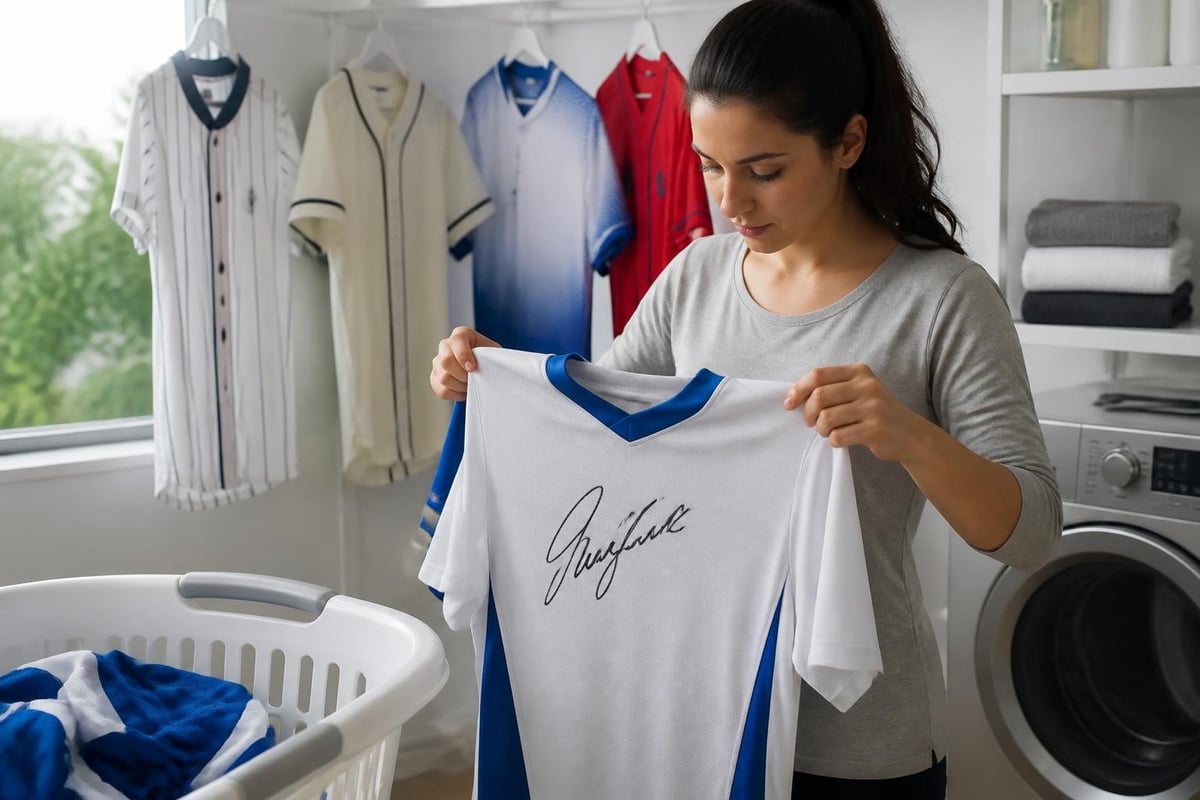
Valuable signed jerseys demand extra caution. Spot cleaning techniques allow targeted treatment without full submersion that might damage signatures or authentication features.
Use minimal moisture on a clean white cloth, work from stain edges inward, and never apply cleaning solutions directly to autographed areas. Some collectors prefer professional dry cleaning for particularly valuable pieces, though this introduces different chemical exposure risks.
Vintage and Replica Jerseys
Older jerseys often feature less durable construction methods than modern counterparts. Reduce agitation further, consider hand washing for extremely fragile items, and test any stain treatments on inconspicuous areas first.
Replica jerseys with lower-quality prints benefit from mesh laundry bags that provide additional protection during machine washing. This simple addition prevents direct contact with washer drums and other garments.
Frequency and Preventive Maintenance
Establishing appropriate washing schedules extends jersey life while maintaining hygiene standards. Overwashing damages fabrics unnecessarily, while underwashing allows bacteria and odor compounds to become permanently embedded.
Optimal Washing Schedule
Activity level determines washing frequency:
- Game/competition jerseys: After each use without exception
- Practice uniforms: Every 1-2 wears depending on intensity
- Casual wear jerseys: Every 3-4 wears or when visibly soiled
- Display/collectible pieces: Annually or when dust accumulation occurs
Between washes, air jerseys thoroughly after each use. Bacteria thrive in damp, enclosed spaces, so never leave worn jerseys crumpled in gym bags. Hanging them immediately allows moisture evaporation and prevents odor development.
Odor Prevention Strategies
Athletic wear odor stems from bacterial growth feeding on sweat and body oils. Prevention proves easier than elimination:
- Wash jerseys within 24 hours of wearing when possible
- Add white vinegar to rinse cycles for natural deodorizing
- Store completely dry jerseys in ventilated spaces
- Rotate multiple jerseys to reduce per-garment wear frequency
For persistent odor issues, Laundry Labs' athletic formulations incorporate specialized odor-control technology that neutralizes smell-causing compounds at the molecular level.
Storage Solutions for Long-Term Protection
Proper storage between seasons prevents damage during idle periods. Environmental factors like humidity, light exposure, and pests threaten jersey condition even when garments sit unused.
Clean jerseys thoroughly before storage, as residual body oils and invisible stains oxidize over time, creating permanent discoloration. Ensure complete dryness to prevent mildew growth in storage containers.
Use breathable garment bags rather than plastic, which traps moisture and promotes mold. Cedar blocks deter moths naturally without chemical exposure that might affect technical fabrics. Store in cool, dry locations away from direct sunlight that fades colors gradually.
Common Mistakes to Avoid
Learning how to clean jerseys includes recognizing practices that cause damage. These frequent errors compromise jersey quality despite good intentions:
Fabric softener remains one of the most harmful additions to jersey washing. It coats synthetic fibers, reducing moisture-wicking capabilities and creating residue that attracts dirt. The coating also breaks down elastic components over time.
Bleach and harsh stain removers damage both fabric structure and printed graphics. Even color-safe bleach formulations can fade vibrant hues and weaken fiber bonds. Enzyme-based treatments provide safer alternatives for organic stains.
Hot water washing accelerates every form of jersey degradation. Beyond color fading and shrinkage, heat weakens adhesives bonding numbers and logos to fabric surfaces. One hot wash cycle can cause peeling that never occurred during years of proper cold-water care.

Professional Cleaning Considerations
Some situations warrant professional intervention rather than home treatment. Valuable jerseys, stubborn contamination, or delicate vintage pieces may benefit from expert handling.
Professional dry cleaners specializing in athletic wear understand technical fabric requirements and possess commercial-grade stain removal capabilities. However, communicate jersey value and specific concerns clearly, as standard dry cleaning processes may use harsh chemicals inappropriate for synthetic athletic materials.
Request wet cleaning rather than traditional dry cleaning when possible. This water-based professional process provides gentler treatment while achieving thorough cleaning results.
Building Sustainable Jersey Care Routines
Modern jersey care balances effectiveness with environmental responsibility. Conscious product selection and efficient practices reduce ecological impact without compromising cleaning results.
Full loads consume less water and energy per garment than partial loads, making it efficient to accumulate several jerseys before washing. However, never overload machines, as this reduces cleaning effectiveness and increases mechanical wear.
Cold water washing alone reduces energy consumption by up to 90% compared to hot water cycles. When combined with concentrated, eco-friendly detergents that require smaller doses, environmental benefits multiply significantly.
Consider products designed with sustainability as a core principle. Laundry Labs' commercial-grade capsule formulations eliminate measuring waste, prevent overuse, and deliver multiple functions in single doses, reducing overall chemical consumption across laundry routines.
Year-Round Jersey Maintenance Calendar
Implementing systematic care throughout the year prevents emergency interventions and extends jersey serviceable life. This structured approach ensures nothing gets overlooked:
Pre-Season (January-February)
- Inspect stored jerseys for any damage or pest issues
- Refresh with gentle wash if musty odors developed
- Check for loose threads or graphics requiring repair
Active Season (March-November)
- Wash after every use following proper techniques
- Address stains immediately before they set
- Rotate jerseys when possible to reduce per-garment stress
Post-Season (December)
- Thorough cleaning before storage
- Professional assessment for valuable or damaged pieces
- Proper folding and storage preparation
This calendar adjusts based on sport seasons but provides a framework for consistent, preventive care rather than reactive problem-solving.
Mastering how to clean jerseys properly preserves these meaningful garments while maintaining their performance capabilities and visual appeal. The techniques outlined here work across jersey types, from youth league uniforms to professional-grade athletic wear, ensuring consistent results regardless of fabric technology or construction methods.
Whether you're managing team equipment or caring for personal collections, Laundry Labs provides commercial-grade, eco-friendly solutions specifically formulated for athletic wear challenges. Their innovative capsule technology delivers comprehensive cleaning, stain treatment, and odor control in a single convenient dose, making proper jersey care simpler and more effective than ever.
Shop Now
