
How to Wash Backpacks: Complete Professional Guide

Backpacks endure tremendous wear and tear, accumulating dirt, sweat, food spills, and odors from daily use. Whether you carry a school bag, hiking pack, or travel backpack, regular cleaning extends its lifespan and maintains hygiene. Understanding how to wash backpacks correctly protects your investment while ensuring the materials, straps, and zippers remain intact.
Many people avoid washing their backpacks due to uncertainty about proper methods, but with the right approach and quality cleaning products, the process becomes straightforward and effective.
Understanding Your Backpack's Material and Construction
Before learning how to wash backpacks, you need to identify what materials comprise your particular bag. Different fabrics require different care approaches.
Common Backpack Materials
Most backpacks use synthetic materials like nylon, polyester, or canvas blends. These fabrics generally tolerate machine washing well. However, some specialty backpacks feature leather accents, wool components, or delicate technical fabrics that demand gentler treatment.
Check the care label inside your backpack for manufacturer recommendations. This small tag provides invaluable guidance about temperature limits, washing methods, and materials to avoid. Nike's comprehensive backpack washing guide explains how different materials respond to various cleaning methods.
Key material considerations:
- Nylon and polyester: Durable, machine-washable
- Canvas: Sturdy but may shrink in hot water
- Leather trim: Requires spot cleaning only
- Technical waterproof fabrics: May lose coating if washed improperly
- Vintage or delicate materials: Hand washing recommended
Structural Components That Need Protection
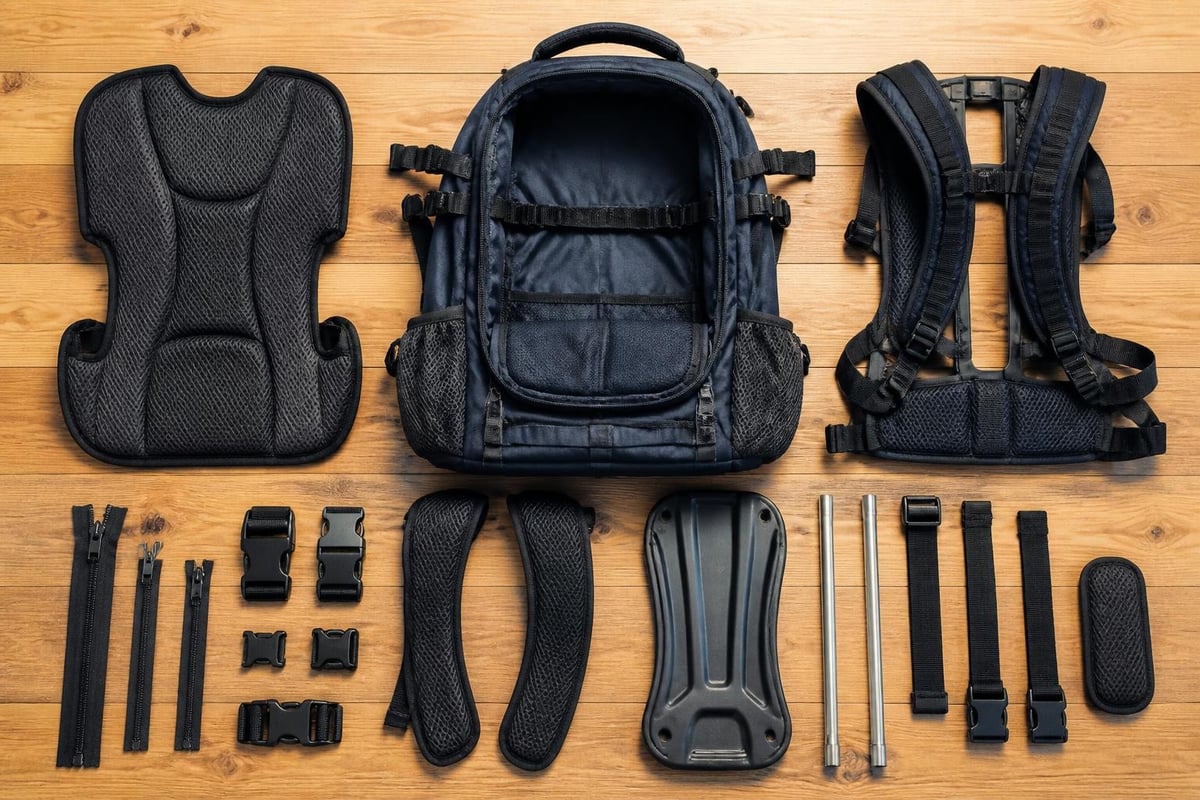
Beyond fabric, backpacks contain structural elements requiring special attention. Metal zippers, plastic buckles, padded laptop compartments, and rigid frame supports can all suffer damage during aggressive washing.
Pre-Wash Preparation Steps
Proper preparation makes the actual washing process more effective and protects your backpack from damage.
Empty and Inspect Thoroughly
Turn your backpack inside out and shake vigorously to remove loose debris. Check every pocket, including small zippered compartments where items hide. Remove any detachable components like straps, hip belts, or frames if possible.
| Preparation Task | Why It Matters | Time Required |
|---|---|---|
| Empty all pockets | Prevents damage to items and machine | 5 minutes |
| Vacuum interior | Removes crumbs and debris | 3 minutes |
| Spot treat stains | Increases cleaning effectiveness | 10 minutes |
| Check for damage | Identifies repairs needed before washing | 5 minutes |
Vacuum the interior using an upholstery attachment to extract dirt, crumbs, and dust that settled into seams and corners. This step prevents debris from becoming mud during washing.
Pre-Treat Stains and Problem Areas
Identify visible stains before washing. Bottom corners typically accumulate the most dirt, while shoulder strap areas often show sweat stains and oil from skin contact.
Apply a small amount of concentrated laundry detergent directly to stained areas. For stubborn marks, let the treatment sit for 15-20 minutes before washing. The backpack cleaning experts at Mountain Warehouse emphasize pre-treatment for optimal results.
Commercial-grade solutions work exceptionally well for pre-treatment. Products from Laundry Labs offer concentrated formulations that break down tough stains without requiring harsh scrubbing that might damage fabric.

Machine Washing Your Backpack
Machine washing offers the most thorough cleaning when done correctly. This method works best for durable synthetic backpacks without delicate components.
Selecting the Right Settings
Modern washing machines provide multiple settings, but not all suit backpacks. Choose a gentle or delicate cycle with cold or lukewarm water. Hot water can cause colors to bleed, materials to shrink, and adhesives to weaken.
Optimal machine settings:
- Cycle: Gentle/Delicate
- Temperature: Cold (60°F) to Cool (80°F)
- Spin speed: Low to medium
- Extra rinse: Yes, to remove all detergent
Place your backpack inside a mesh laundry bag or old pillowcase to protect straps from tangling and prevent hardware from banging against the drum. This protective layer reduces wear on both your backpack and washing machine.
Choosing the Right Detergent
Conventional detergents work for basic cleaning, but specialized formulations deliver superior results. The science behind effective laundry products reveals why properly balanced formulations matter.
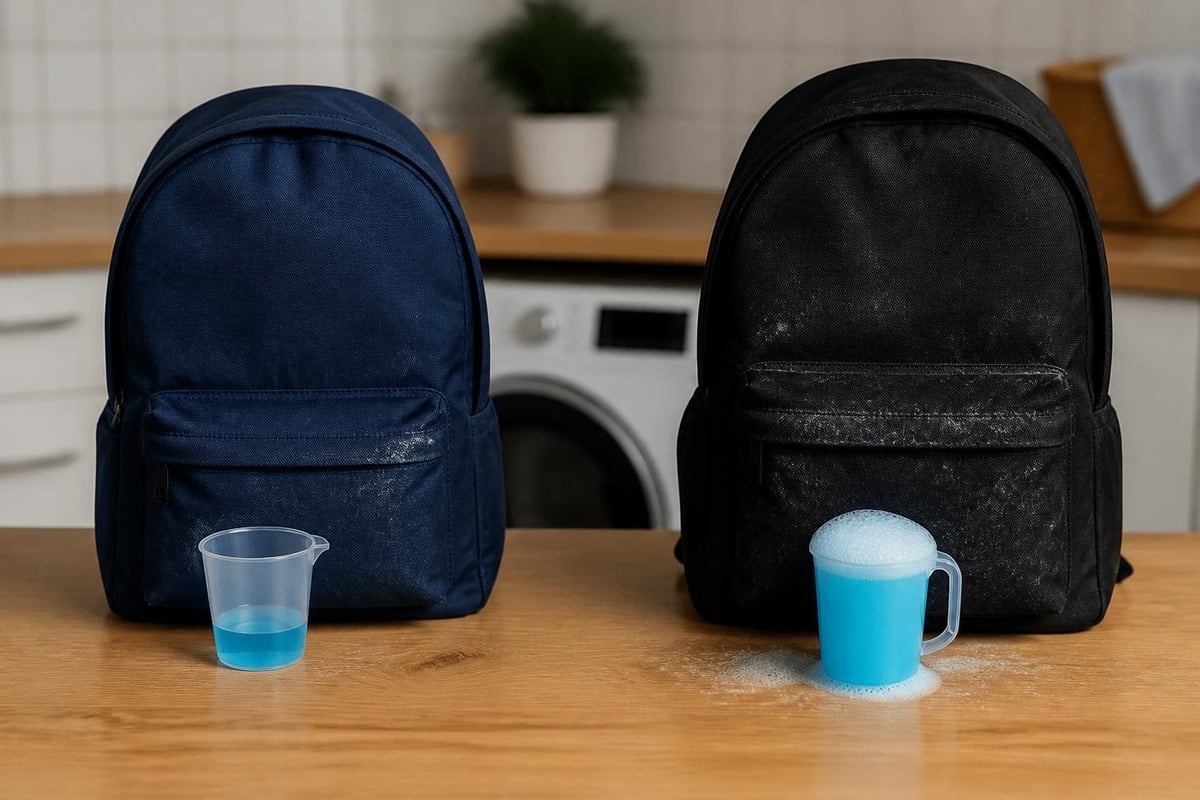
Avoid using too much detergent. Backpacks' thick padding and multiple layers trap soap, requiring extensive rinsing. Excess detergent leaves residue that attracts dirt and creates stiffness. Use half the recommended amount for a regular load.
Eco-friendly capsule formulations offer precise dosing and combine multiple cleaning actions. These all-in-one solutions include stain treatment and odor control, eliminating the need for multiple products. For backpacks used in athletic or outdoor activities, specialized athletic cleaning solutions target sweat and bacteria effectively.
Hand Washing Techniques for Delicate Backpacks
Some backpacks require gentler treatment than machine washing provides. Hand washing gives you complete control over the cleaning process.
Setting Up Your Washing Station
Fill a bathtub, large sink, or basin with cool water. Add a small amount of gentle detergent and swish to distribute evenly. The water should feel slightly slippery but not overly sudsy.
Submerge the backpack completely, pressing down to ensure water penetrates all layers. Let it soak for 15-30 minutes to loosen embedded dirt. Victorinox's detailed washing instructions provide excellent guidance for hand washing methods.
Gentle Scrubbing Methods
Use a soft-bristled brush or clean cloth to work on soiled areas. Focus on:
- Bottom panel and corners
- Shoulder strap undersides
- Areas around zippers and seams
- Any visible stains or discoloration
Work in circular motions with light to moderate pressure. Aggressive scrubbing damages fabric fibers and can cause pilling. For outdoor gear enthusiasts who've invested in quality packs, gentle care preserves performance features. Companies like Ejenti Outdoor manufacture durable outdoor products that reward proper maintenance with years of reliable service.
Drain the soapy water and refill with clean cool water for rinsing. Repeat this process 2-3 times until water runs clear and no soap residue remains. Thorough rinsing prevents stiffness and extends fabric life.
Spot Cleaning and Maintenance Between Washes
Full washing shouldn't happen too frequently. Excessive washing accelerates wear on fabrics, weakens stitching, and degrades waterproof coatings. Spot cleaning handles minor issues between deep cleans.
Quick Spot Treatment Process
Mix a small amount of gentle detergent with water to create a cleaning solution. Dip a clean cloth into this mixture, wring out excess liquid, and gently dab the stained area. Avoid saturating the fabric.
Common spots and solutions:
- Food stains: Blot immediately, treat with diluted detergent
- Ink marks: Rubbing alcohol on a cotton swab
- Mud: Let dry completely, brush off, then spot clean residue
- Grease: Cornstarch absorption before detergent treatment
Work from the outside edges of stains toward the center to prevent spreading. Rinse the treated area with a damp cloth and allow to air dry completely. Persil's spot cleaning guidance offers additional techniques for stubborn marks.
For families with active pets who use backpacks for outdoor adventures, regular maintenance prevents odor buildup. Products from companies like North Hound Life remind us that outdoor gear requires consistent care for optimal performance.
Regular Maintenance Habits
Developing simple maintenance habits reduces the need for frequent full washes:
- Empty and shake out your backpack weekly
- Wipe down exterior surfaces monthly
- Air out in sunlight quarterly to eliminate odors
- Deep clean 2-3 times yearly or as needed
Proper Drying Methods
How you dry your backpack matters as much as how to wash backpacks. Improper drying causes mildew, odors, and material damage.
Air Drying Best Practices
Never put backpacks in the dryer. The heat damages synthetic materials, melts adhesives, warps plastic components, and shrinks fabrics. Air drying remains the safest, most effective method.
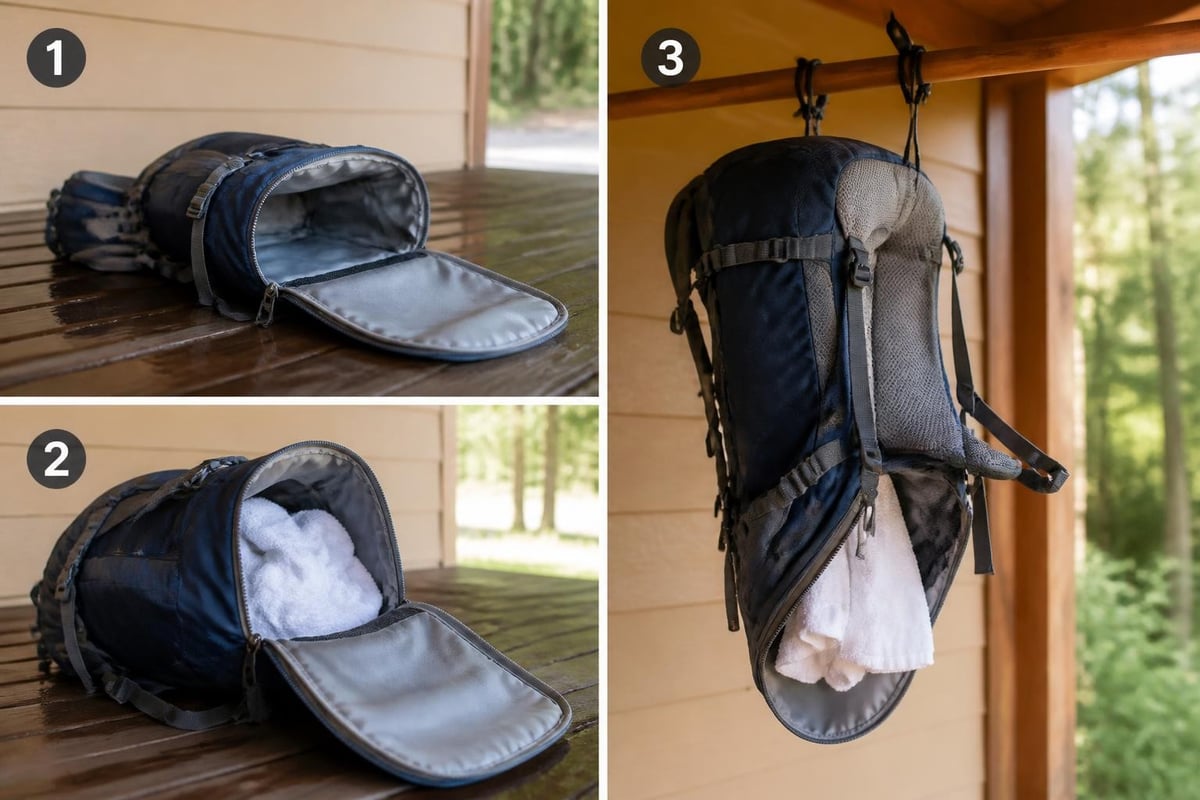
Hang your backpack upside down in a well-ventilated area. This position allows water to drain from pockets and compartments rather than pooling inside. Open all zippers and pockets to maximize airflow.
| Drying Method | Pros | Cons | Drying Time |
|---|---|---|---|
| Indoor hanging | Safe, controlled environment | Slower drying | 24-48 hours |
| Outdoor shade | Natural air circulation | Weather dependent | 12-24 hours |
| Fan assistance | Faster drying | Requires equipment | 8-16 hours |
| Dryer (not recommended) | Fast | Damages materials | N/A |
Stuff the backpack loosely with clean towels to help maintain shape and absorb interior moisture. Replace towels every few hours during the first day of drying. Avoid direct sunlight, which fades colors and degrades certain fabrics over time.
Checking for Complete Dryness
Backpacks' multiple layers and padding require thorough drying. A seemingly dry exterior may hide damp padding that breeds mildew. Check all areas:
- Press padding to feel for moisture
- Smell for any musty odors indicating dampness
- Inspect dark corners and bottom seams
- Verify all pockets and compartments are dry
Complete drying typically requires 24-48 hours depending on climate and backpack size. Rushing this process creates more problems than skipping washing altogether.
Special Considerations for Different Backpack Types
Different backpack styles present unique washing challenges. Understanding these variations helps you adapt general techniques appropriately.
School and Everyday Backpacks
Standard school backpacks tolerate machine washing well. These workhorse bags accumulate food spills, pen marks, and general grime. Wash them every 2-3 months during the school year, or whenever visible soiling occurs.
Pay special attention to bottom corners where lunch containers leak. Pre-treat these areas aggressively before washing. For families with school-aged children, establishing a routine cleaning schedule at the start of each season keeps backpacks fresh.
Technical Hiking and Outdoor Packs
Hiking backpacks often feature waterproof coatings, technical fabrics, and complex frame systems. These require gentler treatment to preserve performance features.
Hand washing works best for technical packs. Avoid submerging frame components if they're not removable. Comprehensive guidance from Backpacks Global addresses specific concerns for outdoor gear.
After washing technical packs, consider reapplying DWR (durable water repellent) treatment if water no longer beads on the surface. This maintenance step restores weather protection.
Travel and Wheeled Backpacks
Wheeled backpacks combine fabric components with hard plastic or metal wheel assemblies. Remove or protect wheels during washing to prevent damage.
These larger packs may not fit standard washing machines. Hand washing in a bathtub provides adequate space and control. Focus cleaning efforts on fabric areas that contact floors and overhead compartments during travel.
Laptop and Professional Backpacks
Professional backpacks often contain padded laptop compartments with specialized materials. Remove any internal laptop sleeves if possible and wash separately by hand.
Test padded areas for removable inserts before washing. Some manufacturers use foam that deteriorates when wet. When uncertain, spot clean padded sections and machine wash only the outer shell.
For professionals who need their gear looking sharp, companies like MAIN Design demonstrate how quality materials and thoughtful construction create products that maintain appearance through regular use and cleaning.

Addressing Odors and Sanitization
Backpacks develop odors from sweat, food spills, and bacterial growth. Regular washing handles most smell issues, but persistent odors require additional treatment.
Natural Deodorizing Methods
Baking soda absorbs odors effectively. Sprinkle a generous amount inside your backpack, close it, and let sit overnight. Vacuum thoroughly the next day. Repeat as needed for stubborn smells.
White vinegar neutralizes odors during washing. Add half a cup to the rinse cycle when machine washing, or include it in your hand washing water. Vinegar smell dissipates completely during drying, taking other odors with it.
Sunlight naturally sanitizes and deodorizes. After washing, place your backpack in direct sunlight for a few hours. UV rays kill bacteria and eliminate musty smells. However, limit sun exposure to prevent color fading.

Dealing with Mildew
Mildew develops when backpacks stay damp too long. This fungus creates distinctive musty odors and appears as dark spots on fabric.
Treat mildew before washing:
- Brush off visible growth outdoors to avoid spreading spores
- Mix equal parts white vinegar and water
- Spray affected areas thoroughly
- Let sit for one hour
- Wash normally following previous instructions
Prevention beats treatment. Always dry backpacks completely before storage, and never store damp packs in enclosed spaces.
Common Mistakes to Avoid
Understanding how to wash backpacks includes knowing what not to do. These common errors cause unnecessary damage:
Critical mistakes:
- Using hot water that causes shrinking and color bleeding
- Overloading washing machines, preventing proper cleaning
- Skipping the pre-treatment step on visible stains
- Adding too much detergent that leaves residue
- Machine drying, which damages materials and structure
- Washing too frequently, accelerating wear
- Ignoring care labels and manufacturer instructions
The Kitchn's practical backpack washing advice emphasizes reading care labels before beginning any cleaning process.
Another frequent error involves using inappropriate cleaning products. Bleach damages colored fabrics and weakens synthetic fibers. Fabric softener leaves residue that reduces technical fabrics' performance. Stick with quality detergents designed for the task.
Storing Clean Backpacks Properly
Proper storage protects your freshly cleaned backpack until its next use. Poor storage negates all your washing efforts.
Short-Term Storage Between Uses
For backpacks in regular rotation, store them in a dry, well-ventilated area. Hang on hooks rather than stuffing in closets where air circulation is limited. Keep zippers partially open to allow air exchange and prevent musty odors.
Avoid storing backpacks on floors where they collect dust and dirt. Wall-mounted hooks or dedicated shelving keeps them accessible and clean.
Long-Term Storage for Seasonal Packs
Backpacks used seasonally require special storage preparation:
- Wash thoroughly and dry completely
- Stuff loosely with acid-free tissue to maintain shape
- Store in breathable cotton bags, not plastic
- Keep in climate-controlled areas away from extreme temperatures
- Check periodically for signs of mildew or pest damage
Never store backpacks while damp or dirty. Both conditions attract mold and insects that damage materials during storage.
Extending Backpack Lifespan Through Proper Care
Learning how to wash backpacks properly represents just one aspect of comprehensive care. Multiple factors influence how long your backpack remains functional and attractive.
Regular Inspections and Repairs
Check your backpack monthly for developing problems. Small issues become major failures if ignored:
- Loose stitching that needs reinforcement
- Stuck or damaged zippers requiring lubrication or replacement
- Fraying straps that need repair before breaking
- Missing or damaged buckles requiring replacement
Address minor repairs immediately. A few stitches now prevent complete strap failure later. Most outdoor retailers offer repair services for quality backpacks, or you can learn basic sewing techniques for simple fixes.
Using Appropriate Cleaning Products
Quality cleaning products make significant differences in results and material preservation. Commercial-grade formulations offer superior performance compared to basic household detergents.
Laundry Labs' eco-friendly solutions combine powerful cleaning with environmental responsibility. Their capsule technology ensures precise dosing while delivering comprehensive stain treatment, odor control, and fabric care in a single product.
For households managing multiple backpacks for school, work, and recreation, efficient laundry solutions simplify maintenance routines. Using the right products reduces time spent rewashing and extends the intervals between necessary cleanings.

Knowing how to wash backpacks properly protects your investment while maintaining hygiene and appearance. Whether you choose machine washing for durable synthetic packs or hand washing for delicate materials, following proper techniques ensures thorough cleaning without damage. Regular maintenance between deep cleans, appropriate drying methods, and quality storage practices further extend backpack lifespan.
For all your backpack washing needs, Laundry Labs provides powerful, eco-friendly solutions that deliver commercial-grade results with sustainable formulations designed for efficiency and fabric care.