Laundry Detergent How to Use: Complete Expert Guide

Understanding laundry detergent how to use properly transforms ordinary washing into professional-level cleaning. Most people use twice the necessary amount of detergent, creating residue buildup on clothes and washing machines while wasting money. This comprehensive guide reveals exactly how to measure, place, and optimize your detergent usage for superior results, whether you're managing a commercial laundry operation or simply seeking cleaner clothes at home. The correct techniques ensure your garments emerge truly clean, your machine operates efficiently, and you maximize the value of every wash cycle.
Understanding Detergent Types and Their Proper Applications
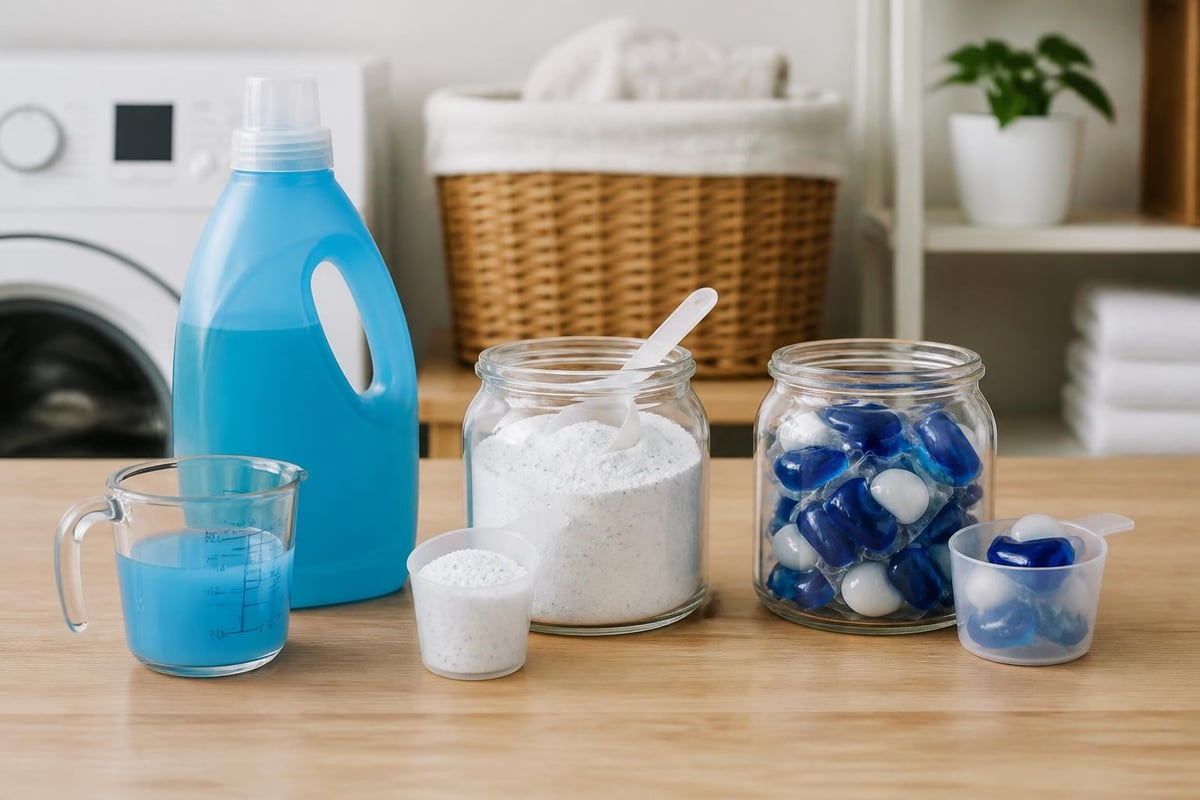
Selecting the right detergent format significantly impacts how you'll use it. Modern laundry solutions come in liquid, powder, and capsule formulations, each with distinct usage requirements.
Liquid detergents offer versatility for pre-treating stains and work effectively in cold water. They're ideal for greasy stains but can leave residue if overused. Pour liquid detergent directly into the dispenser drawer rather than onto clothes to prevent concentrated spots.
Powder detergents excel in hot water applications and typically cost less per load. They're particularly effective for outdoor dirt and mud. However, powder requires complete dissolution, making it less suitable for quick cold-water cycles.
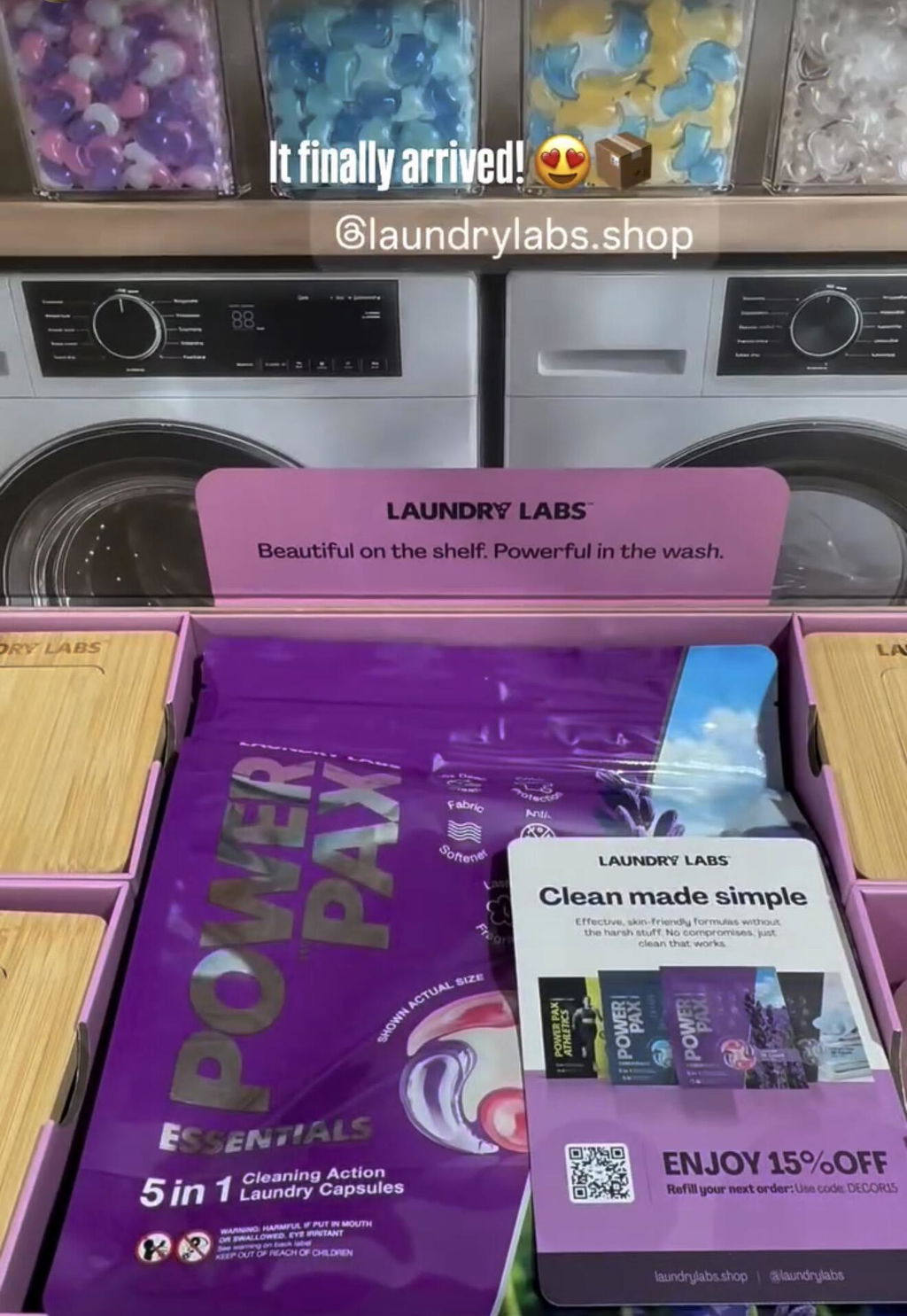
Capsule formulations have revolutionized convenience by combining multiple cleaning agents into pre-measured units. The 5-in-1 commercial laundry detergent capsules from Laundry Labs integrate detergent, softener, stain treatment, and odor control, eliminating guesswork entirely.
Water Hardness Considerations
Your water quality determines detergent effectiveness. Hard water contains minerals that interfere with cleaning action, requiring more detergent to achieve results. Soft water works more efficiently, meaning you'll need less product.
Test your water hardness using inexpensive strips available at hardware stores. Adjust your detergent quantity accordingly, reducing by 20-30% for soft water or increasing slightly for hard water conditions.
How Much Detergent Actually Works
The most critical aspect of laundry detergent how to use correctly involves proper measurement. According to experts who study detergent usage patterns, most consumers use significantly more than necessary, creating problems rather than solving them.
Standard Measurement Guidelines
| Load Size | Liquid Detergent | Powder Detergent | Soil Level |
|---|---|---|---|
| Small (4-6 lbs) | 1 tablespoon | 2 tablespoons | Light |
| Medium (8-12 lbs) | 2 tablespoons | 3 tablespoons | Moderate |
| Large (15+ lbs) | 3 tablespoons | 4 tablespoons | Heavy |
These measurements assume regular soil levels and medium water hardness. The American Cleaning Institute provides comprehensive laundry basics that emphasize starting with less detergent and increasing only if needed.
Common dosing mistakes include:
- Using the cap fill line as a measurement (caps often hold 3-4 times the necessary amount)
- Adding extra detergent for heavily soiled items (pre-treatment works better)
- Ignoring high-efficiency (HE) washer requirements
- Measuring by visual estimation rather than actual tablespoons
Modern concentrated formulas require far less product than older versions. Check your product label carefully, as concentrations vary significantly between brands.
Signs You're Using Too Much Detergent
Excess detergent creates distinct problems that signal overuse. Watch for stiff fabrics, dingy whites, musty odors after washing, or visible residue on dark clothing. Common mistakes that lead to detergent stains include overdosing, incorrect placement, and using the wrong formula for your machine type.
Your washing machine also suffers from detergent overuse. Buildup accumulates in drum gaskets, dispensers, and drain lines, creating maintenance issues and foul odors.
Proper Detergent Placement Techniques
Knowing where to put detergent ranks equally important as knowing how much to use when learning laundry detergent how to use effectively. Placement affects dissolution, distribution, and cleaning performance.
Front-Load Washer Dispensers
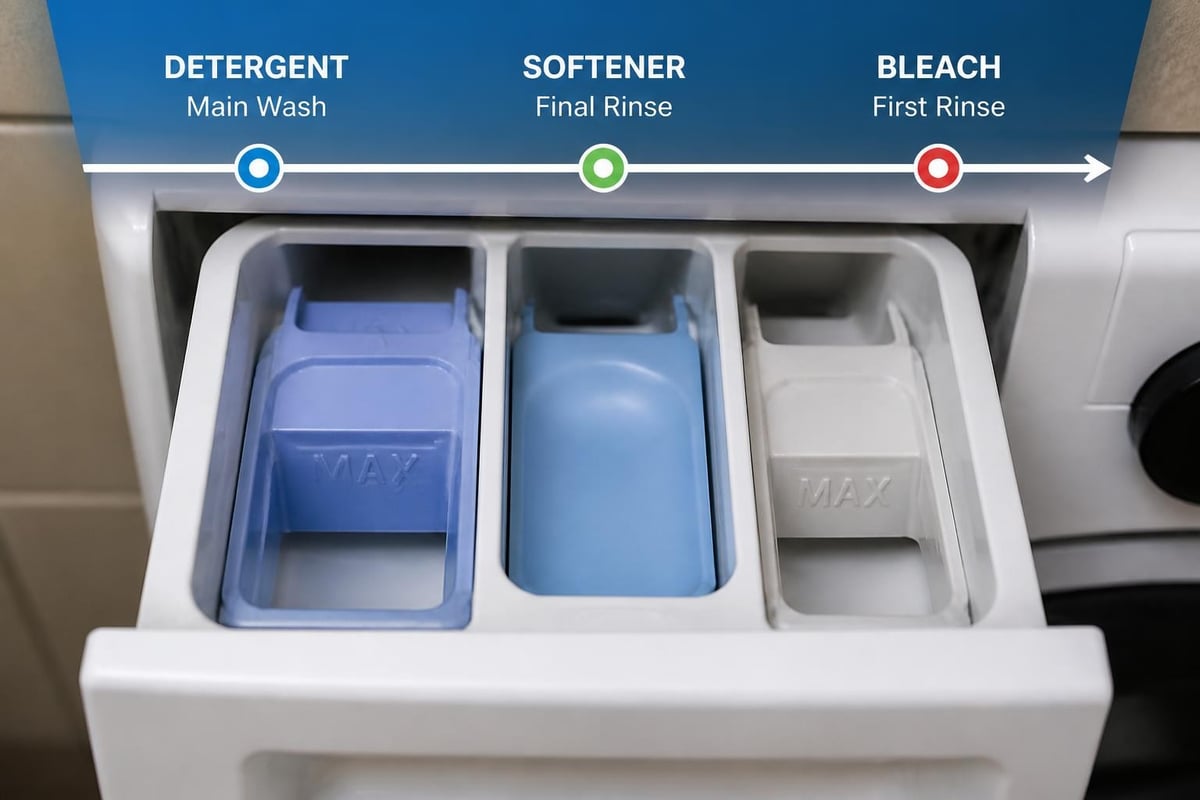
Front-load machines feature dedicated dispenser drawers with multiple compartments. The main wash compartment (typically marked "II" or with a flower symbol) receives detergent. This compartment releases product at the optimal wash cycle moment.
Never pour detergent directly onto clothes in a front-loader. This prevents proper dissolution and can damage fabrics with concentrated product. The proper placement of liquid laundry detergent ensures even distribution throughout the wash cycle.
Samsung and LG machines include specific guidance for their dispensers. Samsung's detergent instructions detail how their AutoDispense technology works, while LG's support documentation covers proper usage in top-load models.
Top-Load Washer Applications
Traditional top-load washers without dispensers allow direct addition to the drum. Add detergent first, then water, then clothes. This sequence ensures complete dissolution before fabric contact.
High-efficiency top-loaders with automatic dispensers function similarly to front-loaders. Fill the appropriate compartment, and the machine releases detergent at the correct time.
Capsule and Pod Placement
Laundry capsules require specific placement for optimal performance. Place capsules at the back or bottom of the drum before adding clothes. Never place them in the dispenser drawer, as they need direct water contact to dissolve properly.
Water temperature matters significantly for capsules. While most dissolve in cold water, very cold conditions (below 60°F) may require warmer settings. The concentrated formulations in Laundry Labs' commercial-grade capsules dissolve efficiently across temperature ranges due to advanced encapsulation technology.
Optimizing Detergent for Different Fabrics
Different fabric types require adjusted approaches to laundry detergent how to use for optimal care and cleaning results.
Delicate and Special-Care Items
Delicate fabrics need gentler treatment with reduced detergent quantities. Use half the standard amount for:
- Silk and satin garments
- Wool and cashmere items
- Lace and embroidered pieces
- Swimwear and athletic wear with special moisture-wicking properties
The Athletic Pax formulation specifically addresses performance fabrics without the harsh chemicals that can damage technical materials.
Heavy-Duty and Work Clothes
Industrial fabrics, work uniforms, and heavily soiled items benefit from proper pre-treatment rather than increased detergent. Apply liquid detergent directly to stains 10-15 minutes before washing, allowing enzymes time to break down soils.
For sustainable alternatives that complement powerful cleaning, Tinc offers eco-friendly stain removal bars that work alongside detergent for stubborn marks without plastic packaging.
| Fabric Type | Detergent Amount | Water Temperature | Special Notes |
|---|---|---|---|
| Cotton/Linen | Standard | Hot to warm | Most durable, handles full dose |
| Synthetics | Reduced 25% | Warm to cold | Prone to residue buildup |
| Delicates | Reduced 50% | Cold only | Use gentle cycle |
| Performance fabrics | Standard (specialized formula) | Cold to warm | Avoid fabric softener |
Troubleshooting Common Detergent Usage Problems
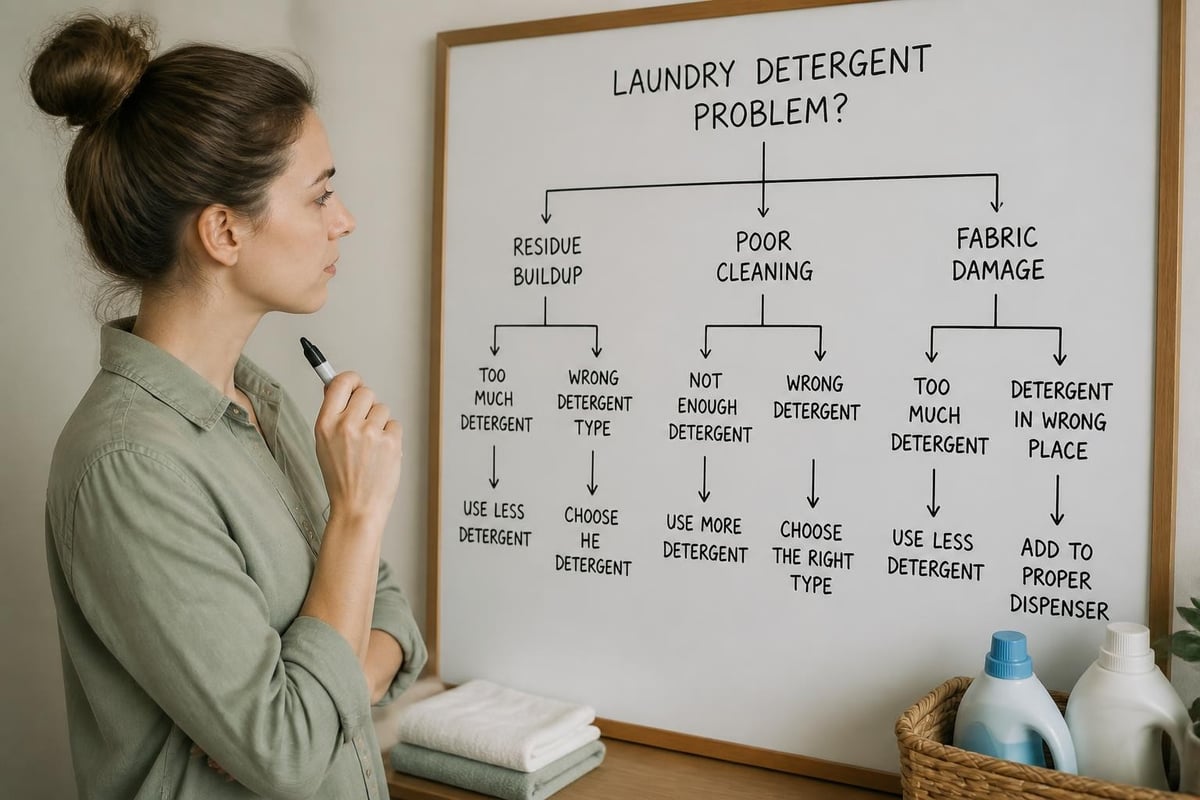
Even experienced users encounter issues when applying laundry detergent how to use principles. Recognizing and correcting these problems prevents damage and improves results.
Detergent Residue Issues
White streaks or sticky spots on clean clothes indicate residue problems. Expert advice on avoiding detergent mistakes emphasizes using less product as the primary solution.
Immediate fixes for residue:
- Run an extra rinse cycle to remove excess detergent
- Reduce your standard dose by half for the next several loads
- Clean your washing machine's dispenser drawer and drum
- Switch to a capsule format for pre-measured accuracy
Inadequate Cleaning Results
If clothes aren't getting clean despite proper detergent use, several factors might be responsible. Overloading the machine prevents proper agitation and water circulation. As a rule, fill the drum only three-quarters full.
Water temperature affects cleaning power significantly. While cold water saves energy, some stains require warm or hot water to activate enzymes fully. Review comprehensive laundry guidance for temperature recommendations by fabric and soil type.
Fading and Fabric Damage
Excessive detergent concentration can fade colors and weaken fibers over time. This particularly affects dark colors and delicate materials. The best practices for cleaner laundry include using color-safe formulas and proper dosing to maintain fabric integrity.
For sensitive skin or allergy concerns, the Free & Clear capsule formulation eliminates dyes and fragrances while maintaining cleaning power.
Advanced Techniques for Maximum Efficiency
Professional laundry operations employ specific strategies to optimize detergent performance and cost-effectiveness.
Pre-Treatment Strategies
Strategic pre-treatment reduces the need for excess detergent in the main wash. Apply liquid detergent directly to collar rings, cuffs, and visible stains before washing. Let sit for 5-15 minutes depending on stain severity.
Effective pre-treatment targets:
- Protein stains (blood, sweat, food)
- Oil-based stains (grease, makeup, cooking oil)
- Tannin stains (coffee, tea, wine)
- Dye transfer and color bleeding
Temperature and Cycle Selection
Matching water temperature to detergent type maximizes cleaning while minimizing energy use. Cold water works well for most modern detergents but may require slightly more product. Hot water activates enzymes faster but can set protein stains permanently.
Cycle selection impacts detergent effectiveness as much as quantity. Extended wash cycles allow more time for detergent action, potentially compensating for reduced product usage. Quick cycles require fully dissolved detergent from the start, making capsules or liquid formats preferable.
Sustainable Detergent Practices
Eco-conscious laundry extends beyond choosing eco-friendly detergent formulations. Using the correct amount prevents wastewater contamination from excess chemicals.
Cold water washing reduces energy consumption by up to 90% compared to hot water cycles. Modern detergents, particularly concentrated formulas, perform effectively in cold water when used correctly.
Full loads maximize water and detergent efficiency, but avoid overloading. The optimal load size allows clothes to move freely, ensuring proper cleaning and detergent distribution.
Special Considerations for Commercial Applications
Commercial and multi-user laundry environments require stricter adherence to proper detergent usage protocols. High-volume operations benefit significantly from precision dosing.
Multi-User Facility Guidelines
Laundromats, apartment buildings, and shared laundry facilities face unique challenges. Users often bring their own detergent with varying concentrations and formulations. Providing clear instructions near machines helps prevent misuse that damages equipment.
Commercial operators benefit from single-dose packaging that eliminates measurement errors. The complete guide to Time magazine's expert laundry tips includes professional recommendations applicable to high-volume settings.
Cost-Per-Load Optimization
Understanding actual cost per load helps commercial operators balance cleaning performance with budget constraints. Calculate true cost by dividing product price by the number of recommended loads, not the manufacturer's maximum load count.
| Product Format | Cost Per Load | Convenience Rating | Dosing Accuracy |
|---|---|---|---|
| Bulk Liquid | $0.15-0.25 | Medium | Low (user dependent) |
| Powder | $0.10-0.20 | Low | Medium (measuring required) |
| Capsules | $0.25-0.40 | High | Excellent (pre-measured) |
While capsules show higher per-load costs, they eliminate waste from overdosing and reduce labor time in commercial settings. The efficiency of capsule formulations often justifies the price differential in professional applications.
Seasonal and Situational Adjustments
Effective laundry detergent how to use requires adaptation to changing conditions and special circumstances throughout the year.
Summer and High-Activity Periods
Warmer months bring increased perspiration and outdoor activities. Sweat contains proteins and salts that require enzymatic action for removal. Standard detergent quantities work well, but pre-treatment of underarm areas improves results.
Athletic gear and performance fabrics need specialized care. The best detergent for athletes and activewear addresses technical fabric requirements without damaging moisture-wicking properties.
Winter and Indoor Challenges
Cold weather laundry presents different obstacles. Lower ambient temperatures can affect detergent dissolution, even with heated wash water. Ensure liquid detergents are stored at room temperature before use.
Indoor drying during winter concentrates any residual detergent, making proper dosing even more critical. Reduce detergent slightly if you notice fabric stiffness after air-drying indoors.
Travel and Temporary Situations
Portable laundry solutions require compact, efficient products. Single-dose capsules eliminate the need to transport large bottles while ensuring proper measurement. The travel-friendly formulations combine multiple functions into minimal packaging.
Unknown water conditions in hotels or temporary housing make pre-measured options particularly valuable. You'll avoid the guesswork of adjusting for unfamiliar water hardness or machine types.
Environmental Impact and Sustainability
Understanding laundry detergent how to use properly extends to environmental stewardship. Proper usage reduces chemical loads in wastewater systems and minimizes packaging waste.
Reducing Chemical Output
Every excess milliliter of detergent contributes to environmental contamination. Municipal water treatment facilities process laundry wastewater, but excess phosphates, surfactants, and optical brighteners strain these systems.
Use the minimum effective dose to achieve clean results. Run a test with reduced quantities to find your optimal amount. Most users discover they can reduce usage by 30-50% without compromising cleanliness.
Packaging and Waste Considerations
Traditional liquid detergent packaging creates substantial plastic waste. A typical household uses 6-8 large bottles annually, generating several pounds of plastic waste.
Concentrated formulas and capsule systems reduce packaging volume significantly. The compact design of multi-function capsules eliminates separate bottles for softener, stain treatment, and odor control.
For those committed to zero-waste lifestyles, exploring sustainable household products from retailers like Tinc complements efficient detergent usage with broader environmental consciousness.
Water Conservation
Proper detergent usage directly impacts water consumption. Overdosing requires additional rinse cycles to remove residue, wasting gallons per load. HE machines use 20-66% less water than traditional washers, but only when detergent quantities are correctly adjusted.
Using HE detergent in HE machines prevents excess suds that interfere with cleaning action and water efficiency. These formulas produce fewer suds while maintaining cleaning power, allowing the machine to operate as designed.
Mastering laundry detergent how to use properly delivers cleaner clothes, extends fabric life, and reduces environmental impact while saving money. The key principles-accurate measurement, proper placement, and formula selection appropriate to your needs-apply universally across all washing scenarios. Laundry Labs simplifies this process with pre-measured, multi-functional capsule formulations that eliminate guesswork while delivering commercial-grade cleaning power in an eco-friendly package. Whether you're managing a high-volume commercial operation or simply seeking better results at home, applying these professional techniques transforms your laundry routine from a chore into an efficient, effective process.