
Laundry Detergent on Sale: Smart Buying Guide 2026

Finding quality laundry detergent on sale requires more than simply grabbing the first discounted bottle you encounter. With the global laundry detergent market projected to reach significant growth, consumers and businesses alike face an overwhelming array of options, pricing structures, and promotional strategies. Understanding when to buy, what formats deliver genuine value, and how to balance cost savings with performance creates opportunities for substantial long-term savings without compromising cleaning power or environmental responsibility.
Understanding the Modern Laundry Detergent Market
The laundry care industry continues evolving rapidly, with U.S. laundry detergent dollar sales reflecting shifting consumer preferences toward convenience and sustainability. Market dynamics influence pricing strategies across retailers, manufacturers, and direct-to-consumer brands throughout the year.
Traditional seasonal sales patterns still dominate the marketplace. Retailers typically offer the deepest discounts during spring cleaning season, back-to-school periods, and major shopping holidays. However, subscription models and direct purchasing channels have disrupted conventional discount cycles, creating year-round opportunities for savvy shoppers.
Price Variations Across Product Formats
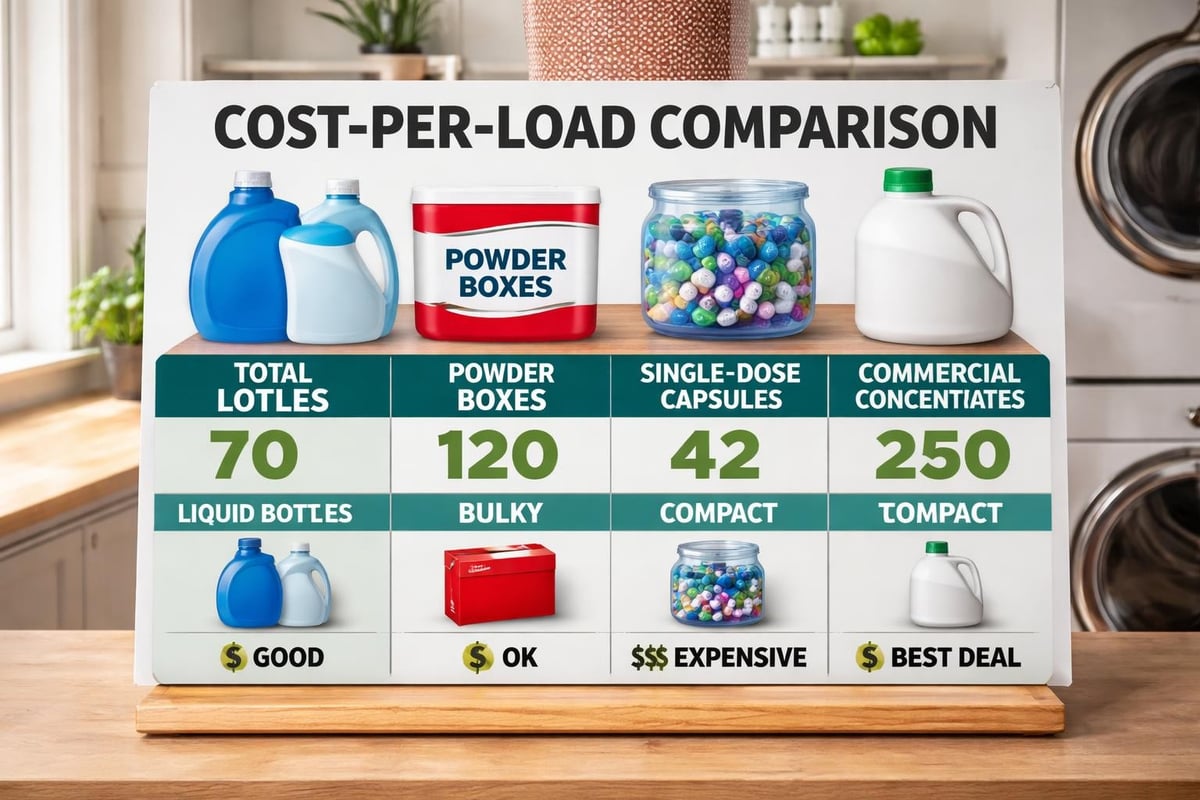
Different detergent formats carry distinct pricing structures and sale opportunities:
- Liquid detergents frequently appear in promotional bundles, especially from leading brands
- Powder formulations often deliver lower per-load costs but receive fewer promotional markdowns
- Single-dose pods and capsules command premium pricing but increasingly feature subscription discounts
- Commercial-grade concentrates provide exceptional value despite higher upfront costs
Strategic Timing for Maximum Savings
Purchasing laundry detergent on sale demands understanding promotional calendars and inventory cycles. Major retailers clear seasonal stock predictably, creating windows of opportunity for bulk purchases.
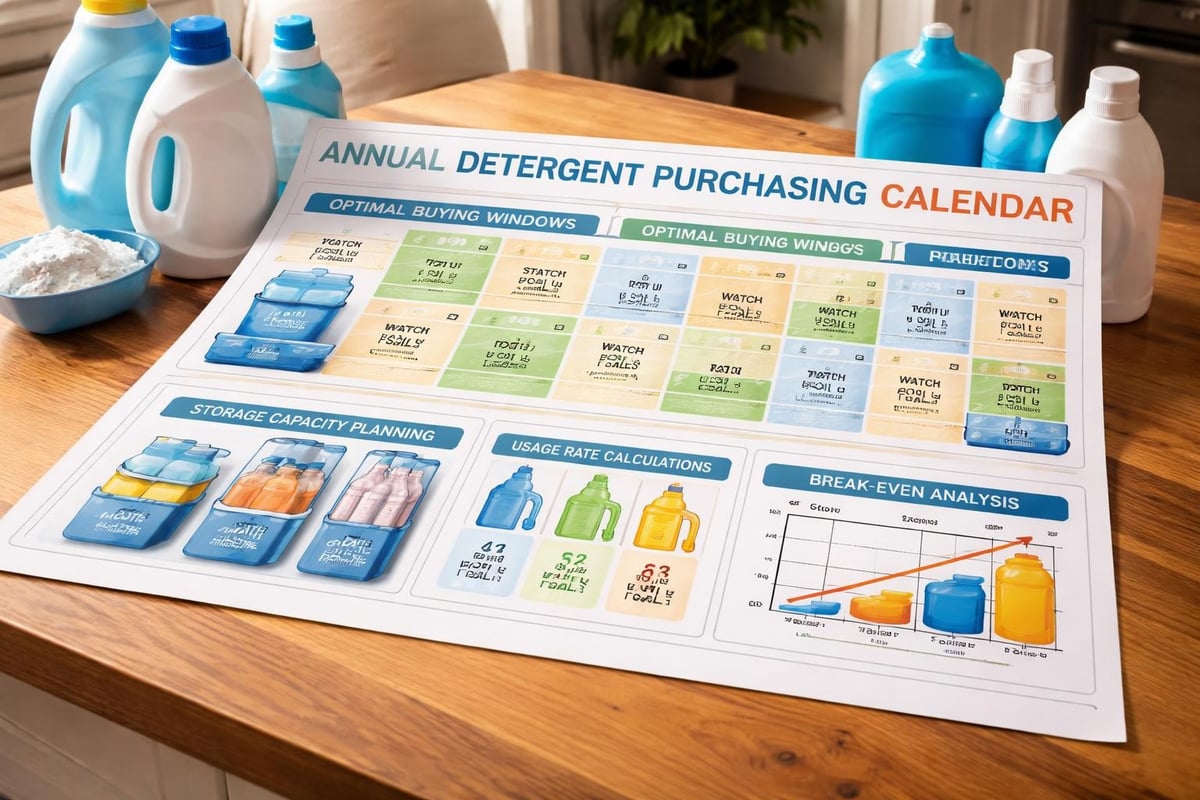
January and February consistently deliver strong promotions as retailers liquidate holiday inventory. Spring cleaning campaigns throughout March and April introduce manufacturer rebates and store coupons. September's back-to-school push targets households restocking essentials, while November and December feature Black Friday and year-end clearance events.
Manufacturer Direct Opportunities
Brands increasingly bypass traditional retail channels, offering exclusive promotions through their websites. Laundry Labs exemplifies this approach, providing direct access to commercial-grade products without retail markup. Subscription models through direct channels frequently deliver 15-25% savings compared to one-time retail purchases.
| Sales Channel | Typical Discount Range | Additional Benefits |
|---|---|---|
| Big Box Retailers | 20-35% during sales | Immediate availability |
| Online Marketplaces | 15-30% with coupons | Comparison shopping |
| Direct Subscription | 15-25% ongoing | Predictable delivery |
| Warehouse Clubs | 10-20% everyday | Bulk quantities |
Evaluating True Value Beyond Sticker Price
Smart shoppers recognize that laundry detergent on sale only represents genuine savings when cost-per-load calculations reveal actual value. Heavily discounted products using inferior formulations or requiring double doses ultimately cost more despite attractive shelf prices.
Concentration levels dramatically impact real value. Ultra-concentrated formulas require smaller doses per load, extending product lifespan significantly. Commercial-grade products typically offer 2-3 times the concentration of consumer-grade alternatives, making them economically superior even at higher absolute prices.
The Hidden Costs of Cheap Detergent
Budget detergents frequently require additional products to achieve satisfactory results:
- Separate fabric softeners adding $0.15-$0.30 per load
- Stain pretreatment products increasing per-load costs
- Odor eliminators for inadequate freshness performance
- Repeated washing cycles due to poor cleaning efficacy
Premium formulations like those in the 5-in-1 collection consolidate these functions, eliminating supplementary product expenses. This integrated approach often proves more economical than purchasing the cheapest laundry detergent on sale plus required additives.
Bulk Buying Strategies for Different User Types
Volume purchasing magnifies sale savings but requires appropriate storage and usage planning. Different household and commercial scenarios demand tailored approaches to bulk buying opportunities.
Residential users benefit from 3-6 month supply purchases during promotional periods. This timeframe balances storage constraints against opportunity costs of waiting for subsequent sales. Families processing 8-10 loads weekly should target 200-300 load supplies when finding quality products at 25% or greater discounts.
Commercial operators including laundromats, hospitality facilities, and athletic programs require different calculations. The athletics collection addresses high-volume specialized needs where bulk purchasing at contracted rates surpasses intermittent retail sales.
Storage Considerations
Proper storage preserves product efficacy and prevents waste:
- Temperature control - Maintain storage areas between 50-80°F to prevent separation or degradation
- Moisture protection - Powder formulations require low-humidity environments
- Container integrity - Transfer bulk purchases to sealed containers if original packaging compromises
- Rotation systems - Implement first-in, first-out protocols for supplies exceeding six months
- Space efficiency - Calculate cubic storage requirements against available space before committing
Subscription Models versus Sale Shopping
The subscription economy has fundamentally altered how consumers approach laundry detergent on sale. Fixed-interval deliveries at discounted rates compete directly with traditional episodic sale shopping, each model offering distinct advantages.
Subscription programs provide price stability and convenience. Smartest stocking strategies through subscription eliminate the mental burden of monitoring prices and rushing to stores during brief sale windows. Many direct-to-consumer brands offer 15-20% subscription discounts that equal or exceed typical retail sales.
Traditional sale shopping retains advantages for strategic buyers. Deal stacking combines manufacturer coupons, retailer promotions, and credit card rewards to achieve discounts exceeding 40%. This approach requires time investment and sale monitoring but delivers maximum per-unit savings.
| Buying Method | Average Annual Savings | Time Investment | Flexibility |
|---|---|---|---|
| Subscription Only | $45-$75 | Minimal setup | Low |
| Strategic Sale Shopping | $60-$120 | 2-3 hours monthly | High |
| Hybrid Approach | $80-$140 | 1 hour monthly | Medium |
Environmental Impact and Sale Purchasing
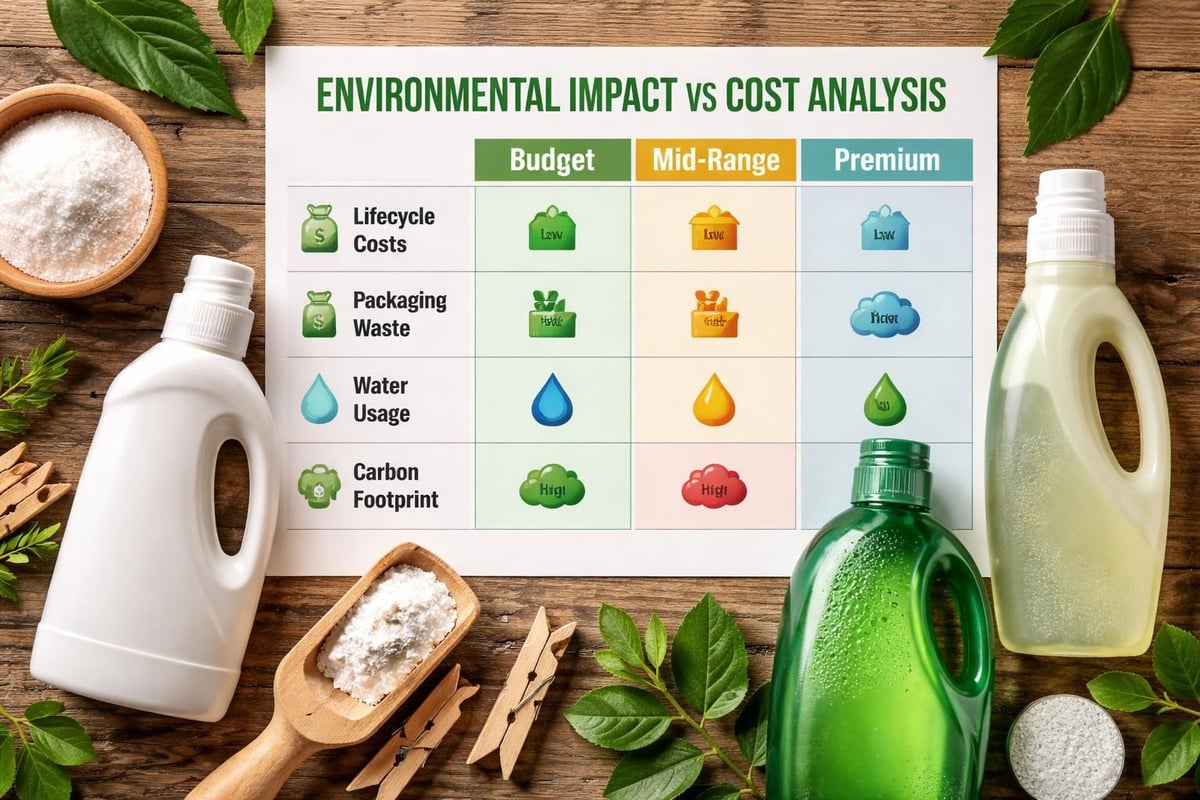
Eco-conscious consumers face unique considerations when purchasing laundry detergent on sale. Budget pressures often conflict with sustainability goals, but strategic buying aligns both priorities effectively.
The global shift toward eco-friendly products reflects growing consumer awareness of environmental impacts. However, sustainable formulations frequently carry premium pricing that diminishes during sales less dramatically than conventional products.
Green Product Sale Strategies
Maximizing value on eco-friendly detergents requires targeted approaches:
- Direct brand purchases bypass retail markup, offering better everyday pricing than waiting for infrequent sales
- Concentrated formulas reduce packaging waste while delivering superior value per load
- Subscription commitments often unlock the deepest discounts on premium sustainable products
- Multi-product bundles from manufacturers like offerings in the all products collection provide volume discounts without requiring single-product overstock
Recent industry safety concerns highlight the importance of quality assurance. Deeply discounted products may represent inventory clearance of reformulated or problematic batches, making brand reputation and transparency critical evaluation criteria.
Commercial Buyer Considerations
Commercial laundry operations approach sales differently than residential consumers. Volume requirements, performance consistency, and operational efficiency override simple per-unit cost calculations that guide household purchasing.
Hospitality operations processing hundreds of loads weekly cannot afford product variability. Switching formulations to capitalize on temporary sales creates risks including inconsistent results, staff retraining needs, and potential guest satisfaction issues. Establishing relationships with reliable suppliers offering contract pricing typically surpasses chasing retail sales.
Small Laundromat Strategies
Independent laundromat owners occupy a middle ground between residential and large commercial buyers. Competing with corporate chains requires both cost control and service differentiation.
Bulk purchasing during seasonal sales builds inventory reserves while maintaining cash flow. Forward-buying 90-120 day supplies during promotional periods balances working capital constraints against cost savings. Many independent operators find subscription pod services provide predictable costs and premium positioning opportunities.
Digital Tools for Sale Tracking
Technology streamlines finding and capitalizing on laundry detergent on sale. Multiple platforms monitor prices, alert users to promotions, and facilitate comparison shopping across retailers.
Price tracking browser extensions automatically monitor selected products across major retailers, sending notifications when prices drop below set thresholds. These tools prove particularly valuable for households willing to switch brands based on best available deals.
Coupon Aggregation Resources
Modern coupon ecosystems extend beyond traditional newspaper inserts:
- Manufacturer apps offering digital coupons directly loaded to loyalty cards
- Cashback platforms providing percentage rebates on qualifying purchases
- Browser extensions automatically applying available coupon codes at checkout
- Loyalty program integration stacking store rewards with manufacturer promotions
Strategic buyers combining these resources regularly achieve compound savings exceeding 50% off regular retail pricing during promotional periods.
Quality Assessment During Sales
Significant discounts sometimes signal closeout inventory, reformulations, or approaching expiration dates. Evaluating product condition and formulation integrity protects against false economy where savings prove illusory.
Expiration date checking becomes critical when purchasing laundry detergent on sale in bulk. While detergents generally maintain efficacy for 12-18 months, heavily discounted products may approach or exceed optimal use windows. Degraded formulations deliver poor results, negating cost advantages.
Packaging integrity directly impacts product quality. Damaged containers allow moisture infiltration in powder formulas or concentration changes in liquids. Inspect bulk purchases carefully, refusing compromised units regardless of discount depth.
Formulation Consistency
Brand reformulations frequently trigger clearance sales of discontinued versions. While these sales offer genuine savings, understanding formula changes helps predict performance:
- Concentration adjustments may alter dosing requirements
- Fragrance modifications affect scent preferences
- Ingredient substitutions potentially impact cleaning performance or skin sensitivity
- Packaging transitions from bottles to capsule formats represent fundamental product evolution
Specialized Product Opportunities
Niche detergent categories including athletic wear cleaners, delicate fabric formulas, and hypoallergenic options follow different sale patterns than mainstream products. Limited distribution and specialized marketing create unique purchasing opportunities.
Athletic and performance fabric detergents like the Athletic Pax capsules rarely appear in traditional retail sales. Direct purchasing through specialized manufacturers typically provides better value than waiting for infrequent promotional discounts.
Hypoallergenic and free-and-clear formulations including the 5-in-1 Free & Clear collection serve sensitive skin needs. These products maintain premium pricing with modest sale discounts, making subscription programs economically superior to sale hunting.
Evaluating New Product Introductions
Launch promotions for new detergent products often deliver exceptional value as manufacturers build market share. Introductory pricing frequently undercuts established competitors by 20-30%, creating opportunities for trial at minimal financial risk.
Trial-size offerings during promotional periods allow low-risk evaluation of new formulations. Many premium brands including those offering Power Pax technology provide starter packs at aggressive pricing to encourage switching from conventional products.
Risk mitigation strategies for new product trials include:
- Starting with single-unit purchases despite bulk pricing incentives
- Testing on non-critical laundry loads initially
- Comparing performance against established products directly
- Evaluating complete cost including potential supplementary products
- Assessing skin reactions for sensitive household members
Making Informed Purchase Decisions
Successfully capitalizing on laundry detergent on sale requires systematic evaluation frameworks balancing multiple factors. Price alone provides insufficient decision criteria for purchases affecting daily household operations over extended periods.
Performance metrics including stain removal efficacy, fabric care, freshness longevity, and required dosing directly impact true value. Products requiring double doses or supplementary stain treatments quickly erode apparent savings from low shelf prices.
Environmental considerations increasingly influence purchasing decisions as consumers recognize verifiable eco-credentials over generic marketing claims. Third-party certifications and transparent ingredient disclosures distinguish genuine sustainable products from greenwashing.
Comprehensive Value Calculation
Total cost of ownership extends beyond per-unit pricing:
| Cost Component | Calculation Factor | Impact on True Value |
|---|---|---|
| Base product price | Per-load cost | Primary consideration |
| Required dosing | Concentration level | 20-40% variance |
| Supplementary products | Added softeners/treatments | $15-$40 monthly |
| Rewash frequency | Cleaning efficacy | 10-25% hidden cost |
| Environmental impact | Disposal and production | Long-term sustainability |
Finding quality laundry detergent on sale combines strategic timing, format evaluation, and comprehensive value assessment to maximize both savings and performance. By understanding market dynamics, calculating true per-load costs, and balancing immediate discounts against long-term value, households and commercial operators alike achieve substantial savings without compromising results. Laundry Labs offers powerful, eco-friendly solutions that eliminate the need for supplementary products, delivering genuine value through concentrated formulations and innovative capsule technology designed for efficiency and sustainability.