Laundry Detergent Soap: Complete Guide for 2026

The laundry industry has transformed dramatically over the past century, evolving from simple soap bars to sophisticated cleaning formulations. Understanding laundry detergent soap requires exploring both its chemical composition and practical applications in modern washing environments. Whether you manage a commercial laundry facility, run a laundromat, or simply want cleaner clothes at home, the type of laundry detergent soap you choose directly impacts cleaning performance, fabric longevity, and environmental sustainability. This comprehensive guide examines the science behind laundry detergent soap, explores different formulation types, and helps you make informed decisions about which products deliver the best results for your specific needs.
Understanding Laundry Detergent Soap Composition
Modern laundry detergent soap differs significantly from traditional soap products. The technical distinction between soap and detergent centers on their chemical structure and cleaning mechanisms. Traditional soaps are made from natural fats and oils combined with alkali substances, while synthetic detergents utilize petroleum-based or plant-based surfactants engineered for superior cleaning performance.
Key Active Ingredients
The effectiveness of laundry detergent soap depends on several critical components working in synergy:
- Surfactants: Lower surface tension between water and fabric fibers, allowing dirt and oils to lift away
- Enzymes: Break down protein-based stains, starches, and fats at molecular levels
- Builders: Soften water by binding to minerals that interfere with cleaning
- Bleaching agents: Remove color-based stains and brighten whites
- Optical brighteners: Absorb UV light and emit blue light, making fabrics appear whiter
These ingredients create formulations that outperform traditional soap bars in virtually every cleaning scenario. The scientific research on laundry detergents demonstrates how carefully balanced formulations achieve maximum cleaning efficiency while minimizing environmental impact.

Formulation Types and Their Applications
Laundry detergent soap comes in multiple formats, each offering distinct advantages for different washing scenarios. The format you choose affects dosing accuracy, storage requirements, and overall cleaning performance.
Powder Formulations
Powdered laundry detergent soap has served the industry for decades, offering cost-effectiveness and long shelf life. These formulations excel in high-temperature washes and provide excellent stain-fighting capabilities for heavily soiled items.
Advantages of powder detergents:
- Cost-effective for bulk purchasing
- Effective in hard water conditions
- Superior whitening performance
- Extended storage life without degradation
- Reduced packaging weight compared to liquids
However, powder formulations present challenges in cold water washing and may leave residue in modern high-efficiency machines. The comparison between powder detergent and capsules reveals important considerations for commercial applications.
Liquid Concentrates
Liquid laundry detergent soap dissolves quickly in any water temperature, making it versatile for diverse washing conditions. These formulations typically contain higher surfactant concentrations than powders.
| Feature | Powder | Liquid | Capsules |
|---|---|---|---|
| Cold water performance | Moderate | Excellent | Excellent |
| Dosing precision | Variable | Moderate | Perfect |
| Storage efficiency | High | Low | High |
| Pre-treatment capability | Limited | Excellent | N/A |
| Waste reduction | Moderate | Low | High |
Advanced Capsule Technology
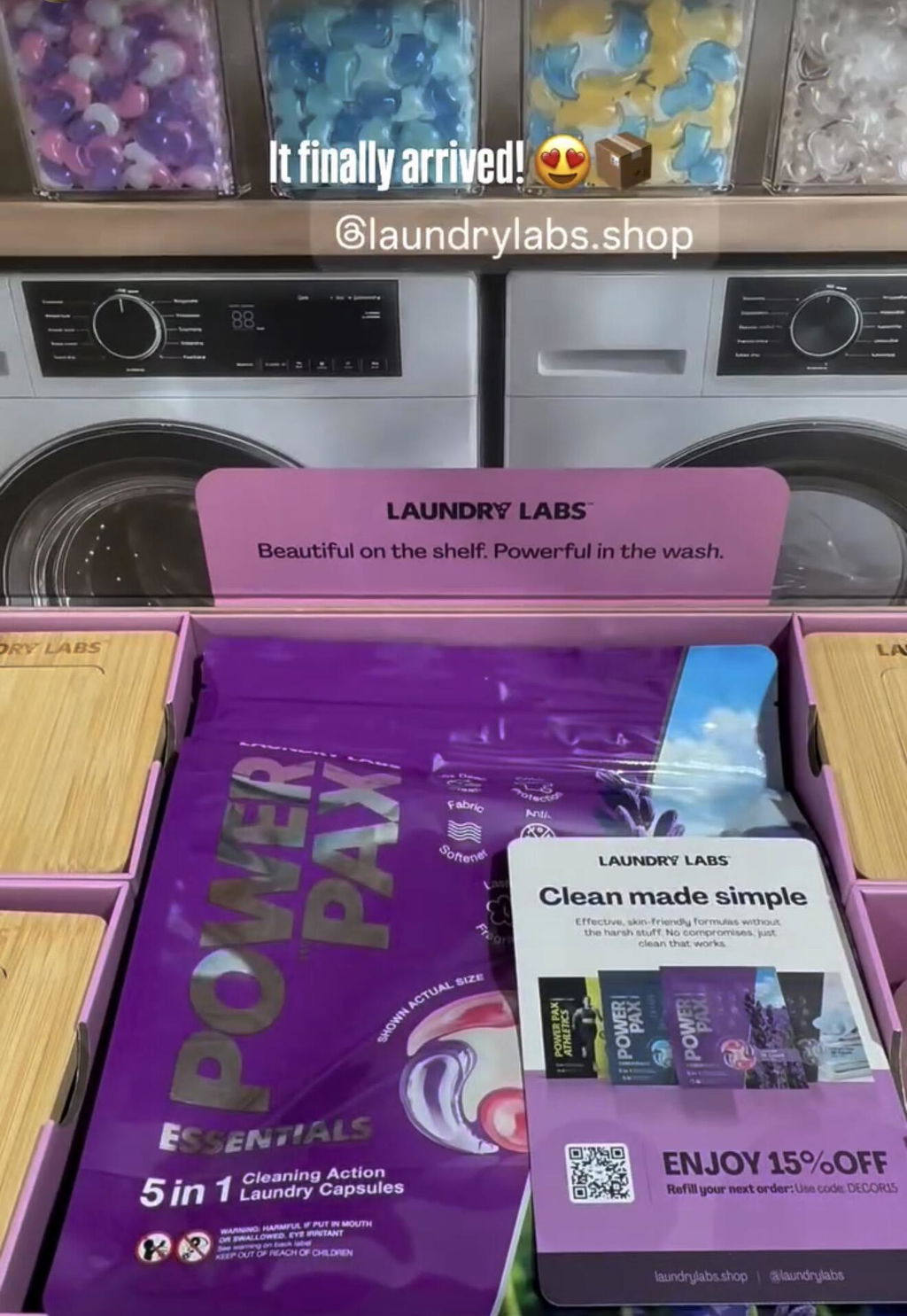
Modern capsule formulations represent the cutting edge of laundry detergent soap innovation. These pre-measured units eliminate dosing errors while delivering concentrated cleaning power. The PowerPax collection demonstrates how multi-chamber capsules can combine detergent, softener, stain treatment, and odor control in single units.
Capsules offer particular advantages for commercial settings:
- Consistent dosing eliminates waste from overpouring
- Reduced storage space compared to bulk liquids
- Simplified inventory management through easy counting
- Enhanced safety with sealed, non-spill packaging
- Faster dissolution in modern washing machines
Environmental Considerations for Laundry Detergent Soap
Sustainability has become a critical factor when evaluating laundry detergent soap products. The environmental impact extends beyond just the cleaning chemicals to include packaging, transportation, and water usage.
Phosphate-Free Formulations
Traditional laundry detergent soap often contained phosphates as water softeners and cleaning boosters. However, these compounds caused severe environmental damage when they entered waterways, triggering algae blooms that depleted oxygen and killed aquatic life. Modern formulations use alternative builders like zeolites, citrates, and polycarboxylates that provide comparable cleaning performance without ecological harm.
Biodegradable Surfactants
Plant-based surfactants derived from coconut, palm, or corn oils break down naturally in wastewater treatment systems. These ingredients deliver cleaning performance comparable to petroleum-based alternatives while significantly reducing environmental persistence. Products focused on eco-friendly laundry solutions demonstrate how modern chemistry achieves both effectiveness and sustainability.
Key environmental certifications to look for:
- EPA Safer Choice recognition
- USDA BioPreferred designation
- Leaping Bunny cruelty-free certification
- Carbon-neutral manufacturing processes
- Recyclable or compostable packaging materials

Commercial Applications and Performance Standards
Commercial laundry operations face unique challenges that require specialized laundry detergent soap formulations. High-volume washing, diverse fabric types, and strict hygiene standards demand products engineered for industrial performance.
Healthcare and Hospitality Requirements
Medical facilities and hotels require laundry detergent soap that meets stringent sanitation standards while protecting expensive linens. These environments demand:
- Proven antimicrobial efficacy at specified wash temperatures
- Color-safe bleaching that maintains textile appearance
- Low-residue formulations preventing skin irritation
- Consistent performance across hundreds of wash cycles daily
- Compatibility with automated dosing systems
The historical development of commercial laundry soap reveals how industry demands have driven formulation improvements over decades.
Athletic and Performance Fabric Care
Modern athletic wear incorporates technical fabrics that require specialized care. Standard laundry detergent soap can damage moisture-wicking properties, compression features, and antimicrobial treatments. Formulations designed for athletic performance fabrics address these specific challenges.
Performance fabric considerations:
- Enzyme selection that removes sweat and oils without damaging fibers
- pH-balanced formulations preventing elastic degradation
- Low-sudsing chemistry compatible with high-efficiency machines
- Odor-neutralizing compounds that eliminate bacteria-caused smells
- Rinse-clean formulas preventing buildup on synthetic materials
Selecting the Right Laundry Detergent Soap for Your Needs
Choosing appropriate laundry detergent soap requires analyzing multiple factors specific to your washing environment and fabric care requirements. The decision impacts not only cleaning results but also operational costs and environmental footprint.
Water Hardness Analysis
Water mineral content dramatically affects laundry detergent soap performance. Hard water contains elevated calcium and magnesium levels that bind with soap molecules, creating insoluble precipitates that reduce cleaning effectiveness and cause fabric graying.
| Water Hardness Level | Grains per Gallon | Required Adjustments |
|---|---|---|
| Soft | 0-3.5 | Standard dosing |
| Moderate | 3.5-7.0 | Increase dose 10-15% |
| Hard | 7.0-10.5 | Increase dose 25-30% or add softener |
| Very Hard | 10.5+ | Water softening system recommended |
Testing your water hardness helps optimize detergent selection and dosing. Many municipalities provide water quality reports, or you can use simple test strips for accurate measurements.
Machine Type Compatibility
High-efficiency (HE) washing machines require low-sudsing laundry detergent soap formulations. Traditional high-sudsing products create excessive foam that interferes with the tumbling action and prevents proper rinsing. Always verify HE compatibility when purchasing detergent for modern washing equipment.
The Consumer Reports buying guide provides valuable insights into matching detergent types with specific machine models and washing conditions.
Load Size and Frequency Considerations
Commercial operations processing dozens of loads daily require different products than residential users washing a few times weekly. Bulk packaging reduces per-load costs significantly, but only if you can properly store and use large quantities before expiration.
Dosing calculation factors:
- Average load weight in pounds or kilograms
- Soil level classification (light, moderate, heavy)
- Water temperature ranges used most frequently
- Machine capacity and recommended fill levels
- Frequency of washing cycles per week
Innovation in Laundry Detergent Soap Technology
The laundry industry continues advancing through chemical innovation, sustainable sourcing, and smart packaging solutions. Understanding these developments helps you access superior cleaning performance while supporting environmental responsibility.
Multi-Function Formulations
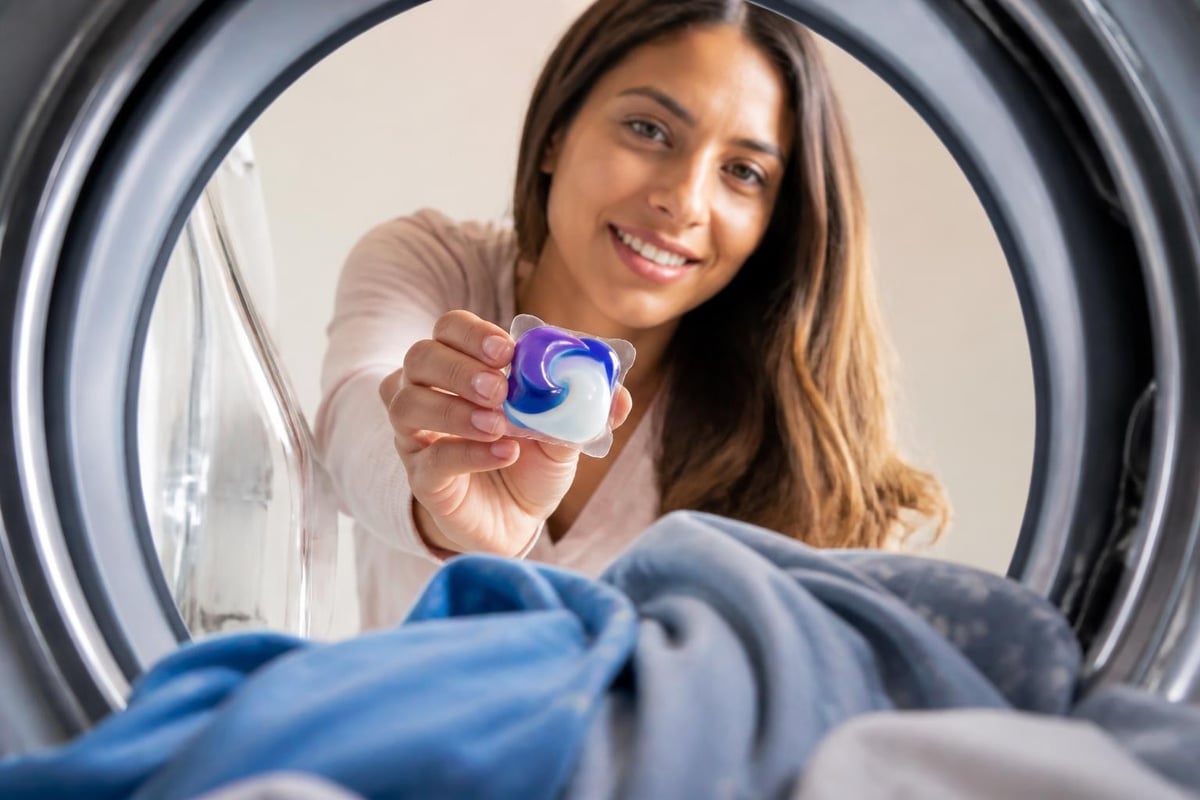
Single-dose capsules now combine five or more functions previously requiring separate products. The 5-in-1 formulations integrate cleaning, softening, stain removal, odor elimination, and fabric protection into unified systems. This consolidation reduces packaging waste, simplifies inventory management, and ensures balanced performance across all laundry care functions.
Cold Water Optimization
Energy costs and environmental concerns drive demand for laundry detergent soap effective in cold water. Modern enzyme systems activate at temperatures as low as 60°F, delivering cleaning results previously achievable only in hot water. This innovation reduces energy consumption by up to 90% per load while maintaining hygiene standards.
Cold water washing benefits:
- Dramatic reduction in energy costs for heating water
- Extended fabric life through reduced heat exposure
- Color preservation without hot water fading
- Compatibility with delicate and performance fabrics
- Lower carbon footprint per wash cycle
Fragrance Technology Advances
Modern scent formulations use microencapsulation technology that releases fragrance gradually during fabric use rather than just after washing. This provides long-lasting freshness without overwhelming artificial scents. Hypoallergenic and fragrance-free options serve sensitive skin needs while maintaining cleaning effectiveness.
Cost Analysis and Value Optimization
Understanding the true cost of laundry detergent soap requires looking beyond the shelf price to per-load expense, cleaning effectiveness, and long-term fabric care benefits.
Per-Load Cost Calculation
Calculate actual value by dividing total product cost by the number of loads it processes. A cheaper product requiring double dosing often costs more per load than premium concentrated formulations.
Value comparison formula:
Total product cost ÷ (number of loads × dosing amount) = Cost per load
Factor in additional expenses like fabric softeners, stain pre-treatments, and rewashing poorly cleaned items when comparing products. Integrated multi-function products often deliver superior overall value despite higher initial costs.
Bulk Purchasing Strategies
Commercial operations benefit significantly from bulk purchasing, but requires careful planning:
- Calculate monthly detergent consumption based on load volume
- Verify product shelf life and storage requirements
- Compare unit pricing across package sizes
- Evaluate supplier reliability and delivery schedules
- Consider subscription services offering automatic replenishment
The all products collection demonstrates various package sizes optimized for different operational scales.
Waste Reduction Impact
Concentrated formulations and precise dosing systems reduce both product waste and packaging material. Single-dose capsules eliminate overpouring that wastes up to 30% of liquid detergent in typical usage. This efficiency improves both economic and environmental performance.
Health and Safety Considerations
Proper handling and storage of laundry detergent soap protects both users and the environment. Understanding safety protocols prevents accidents while ensuring optimal product performance.
Skin Sensitivity and Allergies
Fragrances, dyes, and preservatives in laundry detergent soap can trigger allergic reactions or skin irritation in sensitive individuals. Hypoallergenic formulations eliminate common allergens while maintaining cleaning performance. The Free & Clear collection addresses these specific needs without compromising effectiveness.
Common irritants to avoid:
- Synthetic fragrances and masking agents
- Optical brighteners that remain on fabrics
- Residual surfactants from incomplete rinsing
- Preservatives like methylisothiazolinone
- Fabric softeners containing quaternary ammonium compounds
Storage and Handling Protocols
Proper storage maintains laundry detergent soap effectiveness and prevents safety hazards:
- Store in cool, dry locations away from direct sunlight
- Keep containers tightly sealed to prevent moisture absorption
- Separate from food items and medications
- Maintain childproof barriers for homes with young children
- Follow manufacturer guidelines for shelf life and expiration
Powder formulations can cake or clump in humid environments, while liquids may separate or freeze in extreme temperatures. Capsules offer superior storage stability across wider temperature ranges.
Future Trends in Laundry Detergent Soap Development
The laundry industry continues evolving toward greater sustainability, enhanced performance, and improved user convenience. Understanding emerging trends helps you make forward-thinking purchasing decisions.
Waterless Formulations
Concentrated sheets and ultra-compact pods reduce water content in products, dramatically lowering shipping weights and transportation emissions. The encyclopedia overview of laundry detergent evolution traces how the industry continually innovates toward more sustainable formats.
Smart Dosing Technology
Internet-connected washing machines now communicate with detergent dispensers to deliver precise amounts based on load size, fabric type, and soil level. This automation eliminates human error while optimizing cleaning performance and resource usage.
Biotechnology Integration
Engineered enzymes and bio-based surfactants deliver superior cleaning with minimal environmental impact. These innovations represent the convergence of science and sustainability in modern laundry care.
Emerging biotechnology applications:
- Enzymes that function effectively in cold water
- Microorganism-derived surfactants replacing petroleum products
- Biodegradable polymers for controlled fragrance release
- Plant-based optical brighteners eliminating synthetic alternatives
- Probiotic additives for odor control in athletic wear
Modern laundry detergent soap has evolved far beyond simple cleaning agents into sophisticated formulations that balance performance, sustainability, and cost-effectiveness. Whether you manage commercial laundry operations or simply want better results at home, understanding composition, formats, and application-specific requirements empowers smarter purchasing decisions. Laundry Labs combines commercial-grade cleaning power with eco-friendly formulations in innovative capsule systems that simplify your laundry routine while delivering exceptional results. Explore their complete range of sustainable laundry solutions designed for efficiency without compromise.