Laundry Detergent Workout Clothes: Complete Guide 2026

Workout clothes require specialized care that goes beyond standard laundry practices. The synthetic fabrics, moisture-wicking technologies, and compression materials used in modern athletic apparel trap sweat, bacteria, and body oils differently than conventional cotton garments. Selecting the right laundry detergent workout clothes formula becomes critical for maintaining fabric performance, eliminating persistent odors, and extending the lifespan of expensive activewear. Understanding what makes athletic fabrics unique helps you choose cleaning solutions that address these specialized needs while preserving the technical features that make performance clothing effective.
Understanding Why Workout Clothes Need Special Attention
Athletic apparel presents unique laundering challenges that standard detergents often fail to address adequately. The synthetic materials commonly used in workout gear, including polyester, nylon, spandex, and proprietary moisture-wicking blends, behave fundamentally different from natural fibers when exposed to sweat and bacteria.
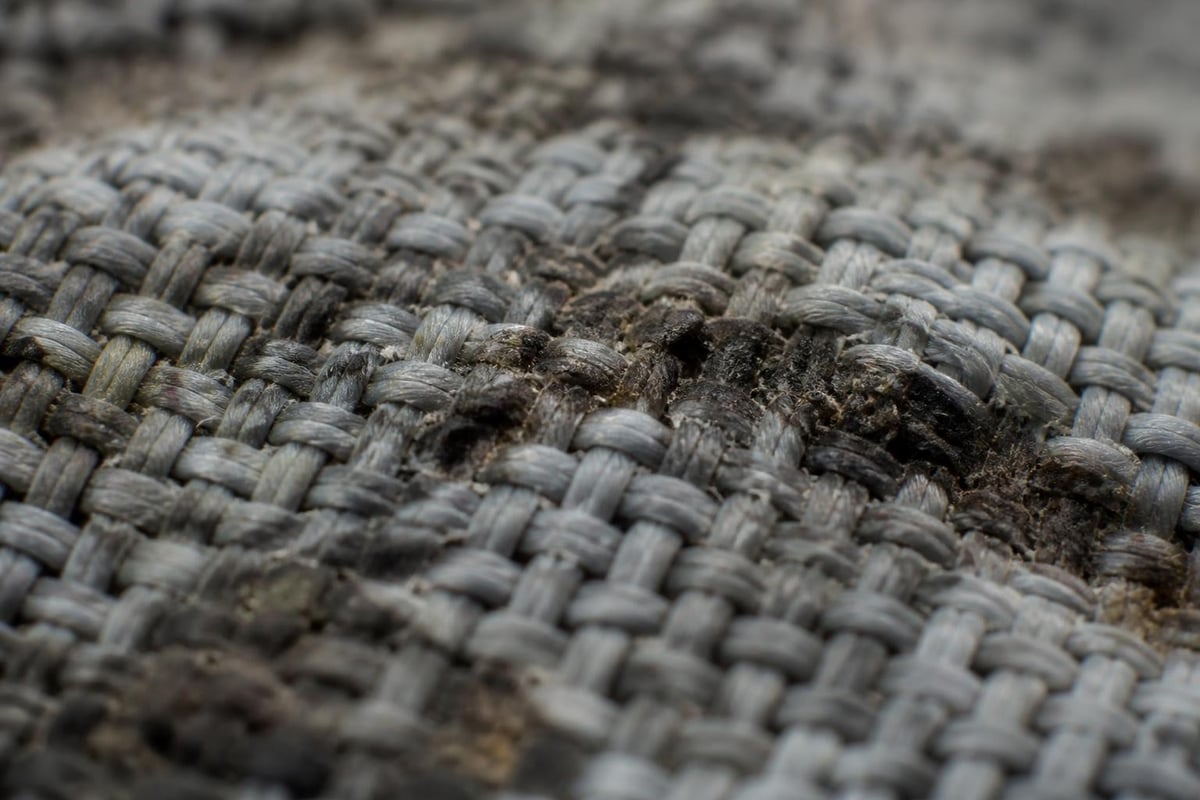
These performance fabrics are engineered with microscopic spaces that allow moisture to move away from skin. Unfortunately, these same spaces become repositories for body oils, dead skin cells, and odor-causing bacteria. Once embedded, these contaminants create the notorious "permastink" that survives multiple wash cycles with conventional detergents.
The Science Behind Activewear Odor
Bacteria thrive in the warm, moist environment created during workouts. When sweat combines with oils secreted by skin, bacteria multiply rapidly within fabric fibers. As Consumer Reports explains in their guide to washing workout clothes, synthetic materials make odor removal particularly challenging because they're hydrophobic by nature.
The chemical composition of performance fabrics repels water, which ironically makes them harder to clean thoroughly. Standard detergents may clean the fabric surface while leaving bacteria and oils trapped deeper within fiber structures. This explains why workout clothes sometimes smell fresh out of the wash but develop odors as soon as body heat reactivates dormant bacteria.
Choosing the Right Laundry Detergent Workout Clothes Formula
Not all detergents deliver equal performance when cleaning athletic apparel. The right laundry detergent workout clothes solution must balance several competing demands: penetrating synthetic fibers effectively, breaking down oils and bacteria, preserving fabric elasticity, and avoiding residue buildup.
Key Ingredients That Make a Difference
Effective workout clothes detergents contain specific formulation elements:
- Enzymatic cleaners that break down protein-based stains from sweat and skin
- Surfactants designed to penetrate hydrophobic synthetic fibers
- Odor-neutralizing agents that eliminate smell sources rather than masking them
- Gentle pH-balanced formulas that preserve fabric stretch and elasticity
- Low-residue compositions that rinse completely from technical fabrics
Traditional detergents often include optical brighteners, heavy fragrances, and fabric softening agents that coat synthetic fibers, reducing their moisture-wicking capabilities. Persil's activewear detergent line demonstrates industry movement toward specialized formulations, though commercial-grade solutions often deliver superior results.
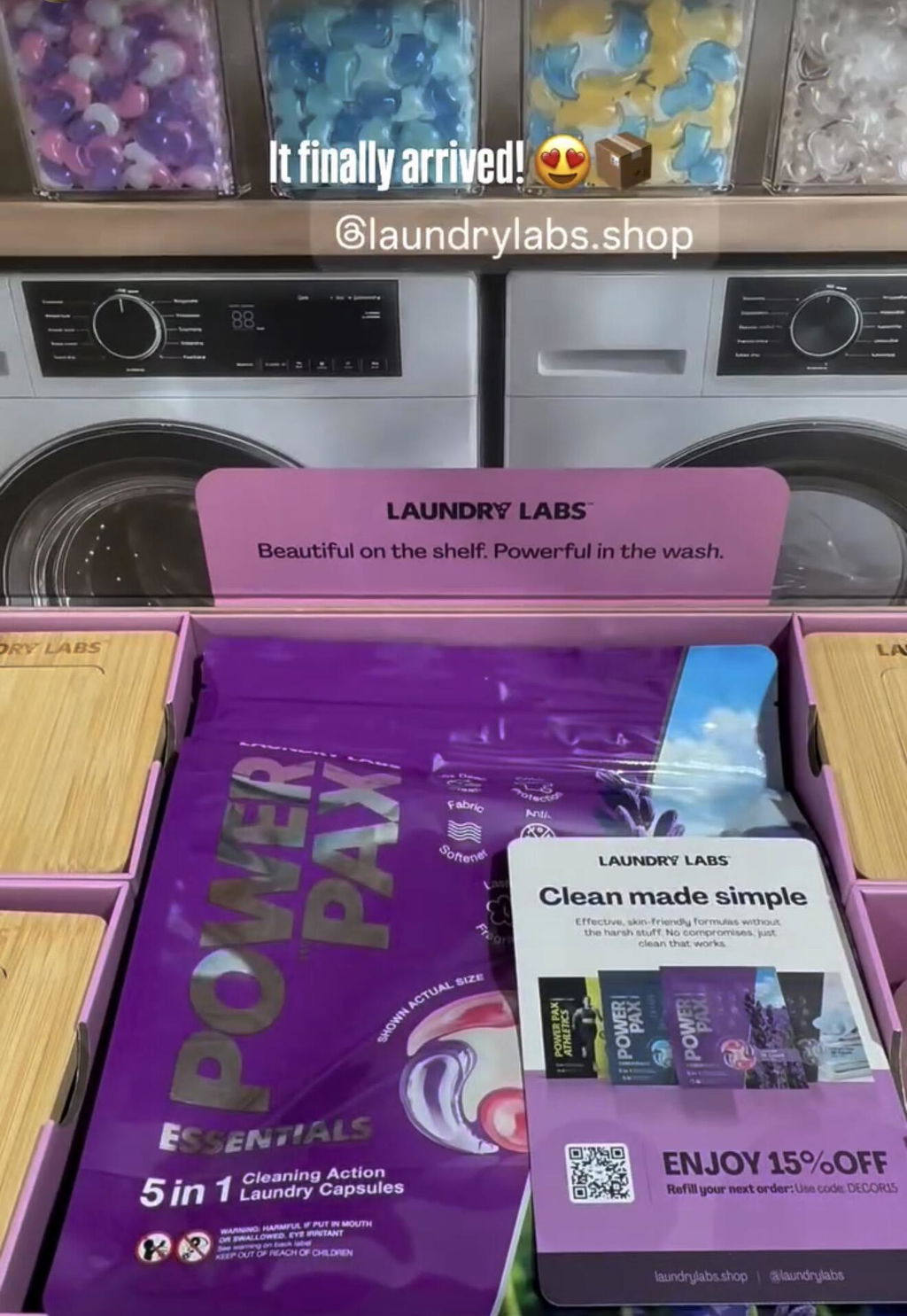
The 5-in-1 commercial laundry detergent capsules approach combines multiple cleaning functions in precise formulations, eliminating the need for multiple products while ensuring comprehensive cleaning action.
Essential Washing Techniques for Athletic Apparel
Even the best laundry detergent workout clothes formula requires proper washing techniques to maximize effectiveness. The way you handle workout clothes from gym to washer significantly impacts cleaning results.
Pre-Wash Preparation Steps
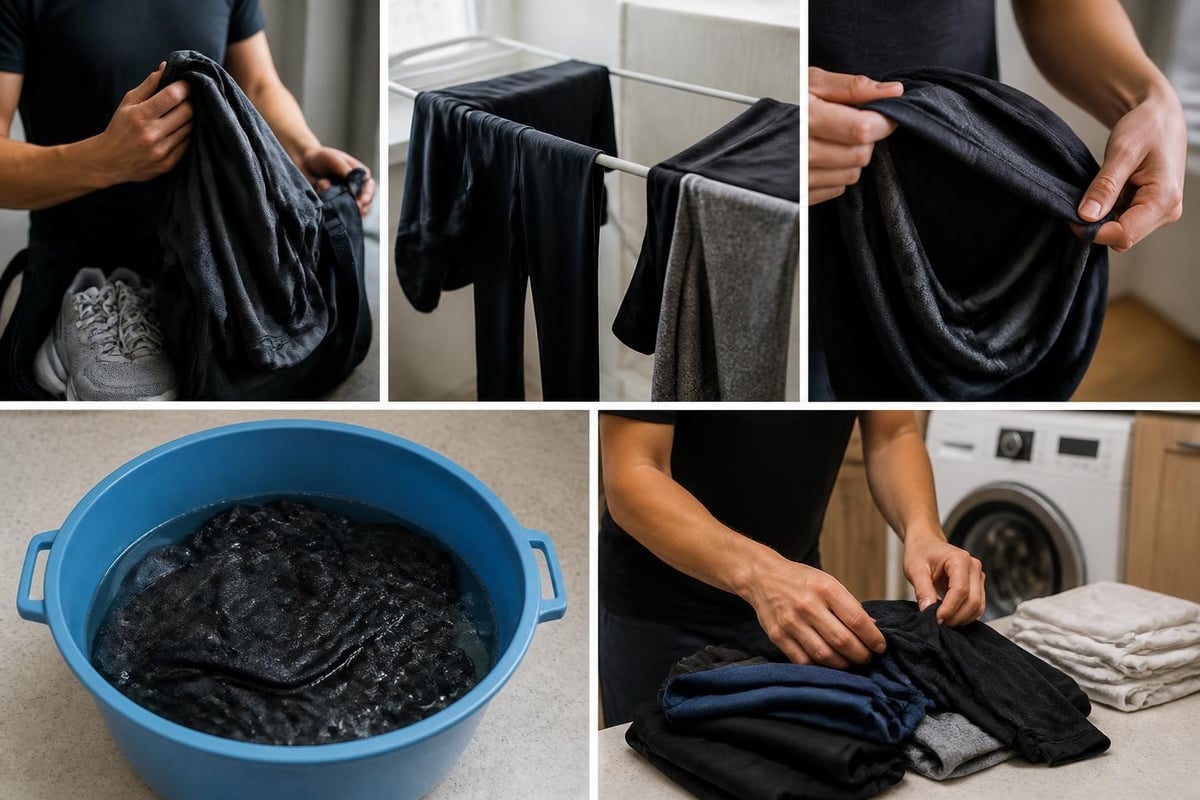
Before clothes reach the washing machine, several preparatory actions improve cleaning outcomes:
- Air out immediately - Remove workout clothes from gym bags within two hours
- Hang items separately - Allow air circulation around each garment
- Pre-soak heavily soiled items - Use cold water with detergent for 30-60 minutes
- Turn garments inside out - Exposes the sweatiest areas directly to wash action
- Check care labels - Verify temperature limits and specific manufacturer instructions
Nike's comprehensive guide on removing sweat smell emphasizes that prevention starts the moment you finish exercising. Allowing damp clothes to sit creates ideal bacterial breeding conditions that become exponentially harder to reverse.
Optimal Machine Settings and Practices
Washing machine settings dramatically affect cleaning performance for athletic apparel. Samsung's support documentation provides manufacturer-specific guidance, though general principles apply across brands.
| Washing Parameter | Recommended Setting | Reason |
|---|---|---|
| Water Temperature | Cold (60-80°F) | Preserves elasticity, prevents fiber damage |
| Wash Cycle | Delicate/Normal | Balances cleaning power with fabric protection |
| Spin Speed | Medium | Removes water without overstressing fibers |
| Load Size | Small to Medium | Allows proper agitation and rinsing |
| Detergent Amount | Manufacturer recommendation | Prevents residue buildup |
Never overload washing machines when cleaning workout clothes. Fabrics need space to move freely, allowing water and detergent to circulate through and around fibers. Overcrowding reduces cleaning effectiveness regardless of which laundry detergent workout clothes formula you use.
Common Mistakes That Damage Workout Clothes
Understanding what not to do proves equally important as knowing proper techniques. Several widespread practices actually undermine fabric performance and cleaning effectiveness.
Fabric Softener: The Hidden Enemy
Fabric softener represents the single most damaging product for workout clothes. These products coat fibers with waxy substances that repel water, directly contradicting the moisture-wicking properties engineered into performance fabrics. The coating also traps bacteria and oils, creating permanent odor problems.
Similarly, dryer sheets leave residues that accumulate over multiple wash cycles. As Laundry with Olivia explains, sport-specific care routines specifically exclude these products because they fundamentally compromise fabric functionality.
Temperature and Drying Errors
High heat destroys elastic fibers. Spandex, elastane, and similar stretchy materials lose their recovery properties when exposed to excessive temperatures. This applies to both washing and drying. Hot water breaks down elastic bonds, while high heat drying causes permanent fabric distortion.
Air drying remains the gold standard for workout clothes preservation. When machine drying becomes necessary, use the lowest heat setting or air-dry cycles. Remove items while slightly damp to minimize heat exposure duration.
Advanced Odor Elimination Strategies
Sometimes standard washing fails to eliminate deeply embedded odors. These situations require strategic interventions beyond basic laundry detergent workout clothes applications.
Natural Odor-Fighting Additions
White vinegar serves as a powerful natural deodorizer for synthetic fabrics. Homes & Gardens details this budget-friendly method, which works by lowering pH levels and creating environments hostile to odor-causing bacteria.
Vinegar Application Methods:
- Add one cup to fabric softener dispenser during rinse cycle
- Pre-soak extremely odorous items in 4:1 water-to-vinegar solution
- Combine with regular detergent (never with bleach)
- Use white distilled vinegar only, never apple cider varieties
Baking soda provides another natural option, though it works through different mechanisms. Adding half a cup during wash cycles helps neutralize odors while providing gentle abrasive action that loosens trapped particles.
When to Replace Workout Clothes
Even with perfect care, athletic apparel eventually reaches end-of-life. Knowing when replacement becomes necessary saves frustration with items that no longer perform adequately.
Signs indicating replacement time include:
- Persistent odors despite proper washing and odor treatment
- Visible thinning, pilling, or fabric deterioration
- Loss of elasticity resulting in loose, baggy fit
- Moisture-wicking failure (fabric stays wet against skin)
- Seam separation or irreparable tears
Understanding what makes great laundry detergent helps maximize garment lifespan, but all fabrics eventually succumb to wear.
Specialty Considerations for Different Fabric Types
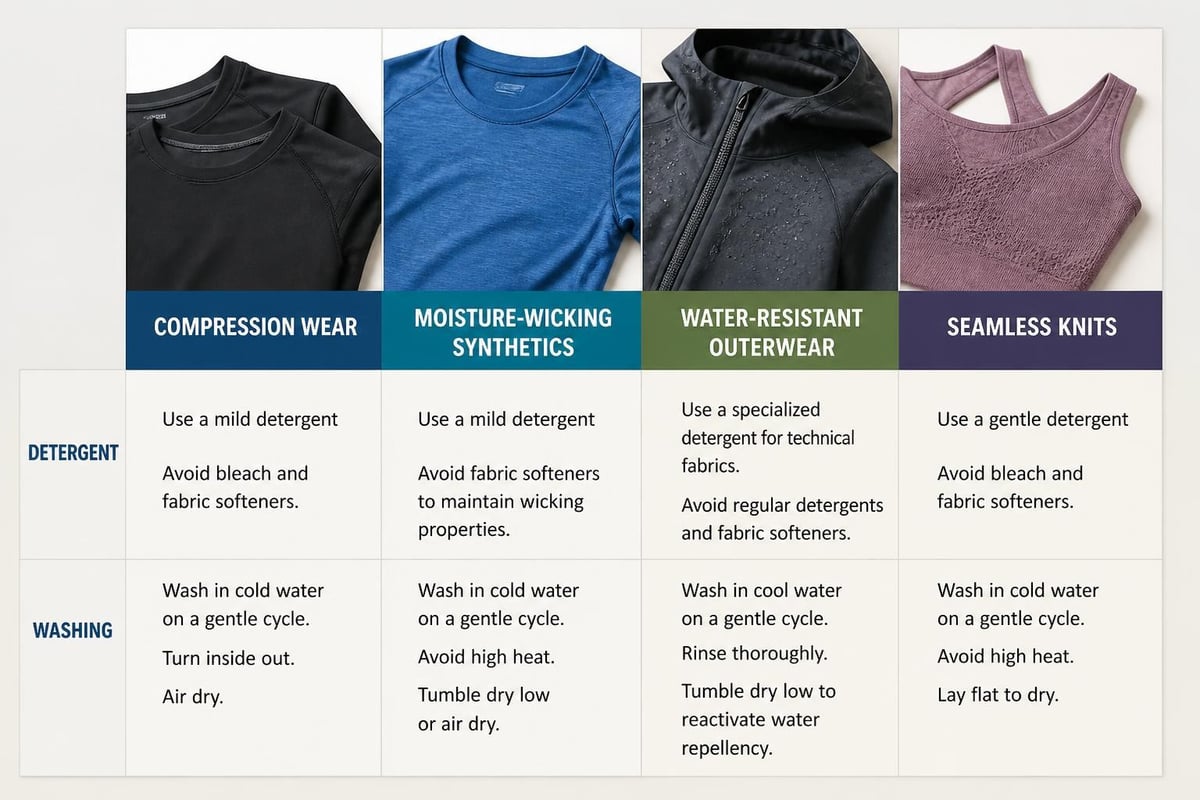
Not all workout clothes require identical treatment. Different fabric technologies and garment types need tailored approaches for optimal results.
Compression Wear and Graduated Fabrics
Compression garments use tightly woven synthetic blends that provide targeted pressure to muscles. These items require especially gentle handling because aggressive washing can disrupt fiber alignment, reducing compression effectiveness.
Always wash compression items inside out in mesh laundry bags. This protects delicate fiber structures from abrasion against machine drums or other garments. AIS Sports outlines proper washing steps specifically for maintaining compression integrity.
Waterproof and Water-Resistant Garments
Athletic jackets and outerwear often feature DWR (Durable Water Repellent) coatings that require special care. Regular detergents can strip these coatings, reducing weather protection. Tech-wash products or specialized athletic formulations maintain protective treatments while cleaning fabric effectively.
Avoid conventional fabric treatments entirely with water-resistant garments. The goal involves cleaning without compromising functional coatings that make the garments perform as designed.
Building an Effective Workout Clothes Laundry Routine
Consistency delivers better results than occasional deep-cleaning efforts. Establishing systematic approaches to athletic apparel care prevents problems before they require intensive interventions.
Daily and Weekly Habits
Immediately after workouts:
- Remove clothes from bags
- Hang or drape items for air circulation
- Spot-treat visible stains with detergent
- Store in open, ventilated area until wash day
On laundry day:
- Sort workout clothes separately from regular laundry
- Turn all items inside out
- Check pockets and close all zippers/fasteners
- Use appropriate laundry detergent workout clothes formula
- Start wash within 24-48 hours of last wear
Gardening Beyond's comprehensive guide emphasizes that timing matters tremendously. The longer bacteria have to colonize fabrics, the harder removal becomes.
Storage Between Wears and Washes
Proper storage prevents odor development and extends time between necessary washes. Workout clothes worn for light activities may not require immediate washing if handled correctly.
Create designated storage areas that promote air circulation. Avoid closed hampers for damp athletic wear. Instead, use open bins, hanging racks, or wire baskets that allow continuous airflow. This simple change dramatically reduces bacterial growth and odor development.
The Economic Value of Proper Athletic Wear Care
Quality workout clothes represent significant investments. Proper laundering techniques using appropriate detergents protect these investments while delivering better performance throughout garment lifecycles.
Cost Analysis: Prevention vs. Replacement
| Scenario | Annual Cost | Garment Lifespan | Long-term Value |
|---|---|---|---|
| Premium detergent + proper care | $120 | 3-4 years | High |
| Standard detergent + good practices | $60 | 2-3 years | Medium |
| Improper care regardless of detergent | $40 | 6-12 months | Low |
The math proves compelling. Spending slightly more on specialized laundry detergent workout clothes formulas while following proper care protocols extends garment life significantly. A $80 pair of leggings lasting four years costs $20 annually, while the same leggings replaced annually cost $80 per year.
The best laundry detergent for athletes and activewear balances cleaning power, fabric preservation, and environmental responsibility while delivering measurable economic benefits through extended garment lifecycles.
Environmental Considerations
Extending clothing lifespan through proper care reduces environmental impact substantially. Manufacturing athletic apparel requires significant resources, energy, and often petroleum-based materials. Each additional year of garment use multiplies the value extracted from those initial manufacturing inputs.
Choosing eco-friendly laundry detergent options compounds environmental benefits. Formulations that clean effectively using plant-based ingredients, biodegradable surfactants, and minimal packaging reduce ongoing environmental costs while maintaining garment quality.
Troubleshooting Persistent Problems
Despite best efforts, some workout clothes develop stubborn issues requiring targeted solutions. Knowing how to address specific problems saves garments that might otherwise seem beyond redemption.
Addressing Set-in Stains and Odors
When regular washing fails to eliminate problems, escalate to more intensive treatments:
For persistent odors:
- Soak overnight in enzymatic cleaner solution
- Wash with detergent plus oxygen bleach (safe for colors)
- Add bacteria-killing additives like tea tree oil (10-15 drops per load)
- Consider professional sports laundry services for valuable items
For stubborn stains:
- Pre-treat with concentrated detergent paste (detergent + water)
- Allow paste to sit for 30-60 minutes before washing
- Use coldest water that effectively cleans (hot sets protein stains)
- Repeat treatments if needed before heat drying
Learning how to remove set-in stains becomes valuable knowledge that extends beyond athletic wear to general laundry challenges.
When Professional Services Make Sense
High-value athletic wear sometimes justifies professional cleaning services. Specialty sports laundries understand technical fabric requirements and have access to commercial-grade treatments unavailable to consumers.
Consider professional services for:
- Designer athletic wear with expensive proprietary fabrics
- Competition uniforms requiring pristine presentation
- Garments with special coatings or treatments
- Items with combined materials (leather trim, etc.)
- Damage repair alongside cleaning
Professional services cost more per item but may prove economical for pieces that would otherwise require replacement.
The Future of Athletic Apparel Care
Innovation continues reshaping how we approach workout clothes laundering. Understanding emerging trends helps consumers make informed decisions about products and practices.
Technological Advances in Fabric Engineering
Manufacturers increasingly incorporate antimicrobial treatments directly into fabric structures. Silver ions, copper particles, and proprietary chemical treatments inhibit bacterial growth at the fiber level. While not eliminating washing needs entirely, these technologies reduce odor development between laundries.
Smart fabrics that actively manage moisture and temperature represent the next evolution. These advanced materials will require equally sophisticated care approaches, likely driving demand for specialized laundry detergent workout clothes formulations designed specifically for emerging fabric technologies.
Sustainable Product Innovation
The laundry industry responds to consumer demand for environmental responsibility through concentrated formulas, plastic-free packaging, and plant-based ingredients. Commercial-grade laundry capsules exemplify this trend, delivering powerful cleaning in precise doses that eliminate waste while reducing packaging volume.
Consumers increasingly expect products that perform excellently while minimizing environmental footprints. Companies meeting both demands simultaneously position themselves favorably for long-term market success as sustainability consciousness continues growing across demographics.
Maintaining workout clothes requires understanding their unique composition and applying appropriate care techniques consistently. The right laundry detergent workout clothes formula combined with proper washing methods preserves fabric performance, eliminates odors effectively, and extends garment lifespan significantly. Whether you're an occasional gym-goer or dedicated athlete, investing in specialized cleaning solutions delivers measurable returns through better-performing, longer-lasting athletic wear. Laundry Labs offers commercial-grade detergent capsules that combine cleaning power, fabric care, and environmental responsibility in convenient single-dose formats designed specifically for performance fabrics and demanding cleaning challenges.