Laundry Pods: Safety, Efficiency & Sustainability Guide

The convenience of single-dose laundry products has revolutionized how businesses and consumers approach fabric care. These compact cleaning solutions have evolved from simple detergent packets into sophisticated multi-functional systems that streamline operations while addressing environmental concerns. Understanding the technology, safety standards, and performance characteristics behind modern capsule formulations helps facility managers, laundromat owners, and commercial operations make informed decisions about their laundry solutions.
The Technology Behind Modern Laundry Pods
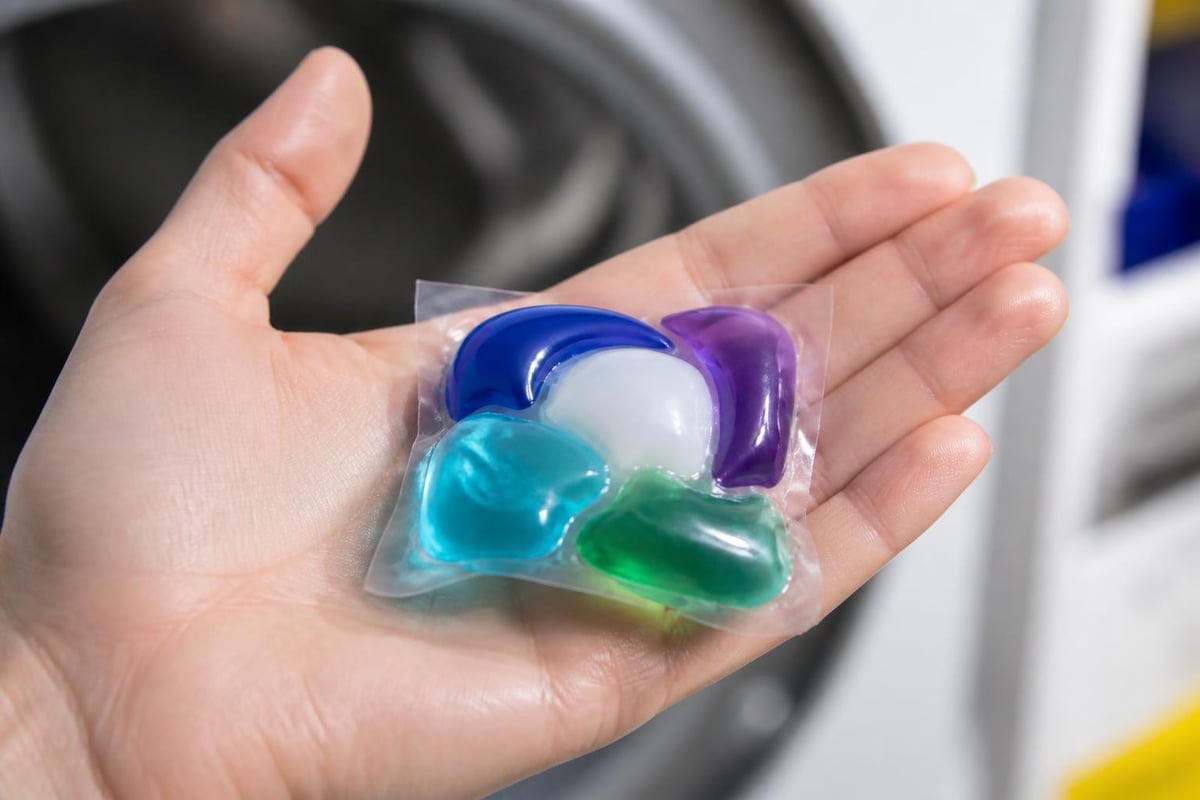
Laundry pods represent a significant advancement in detergent delivery systems. Unlike traditional liquid or powder products that require measuring and dispensing, these pre-measured capsules contain precisely calibrated cleaning formulations enclosed in water-soluble film. The technology eliminates dosing errors that commonly occur with conventional products, where users frequently pour too much or too little detergent.
The water-soluble film that encases these products typically consists of polyvinyl alcohol (PVA), a synthetic polymer designed to dissolve completely in water. Recent scrutiny of PVA films has raised important questions about how thoroughly these materials break down in wastewater treatment facilities. This ongoing discussion highlights the importance of selecting formulations from manufacturers committed to environmental testing and transparency.
Multi-Chamber Design Innovation
Advanced capsule systems utilize multi-chamber technology that separates different cleaning agents until they enter the wash cycle. This design prevents incompatible ingredients from interacting prematurely, which would reduce effectiveness.
Key components typically include:
- Concentrated surfactants for soil removal
- Enzymatic stain fighters targeting proteins, starches, and oils
- Optical brighteners and color-safe bleaching agents
- Fabric conditioning polymers
- Fragrance systems with controlled release mechanisms
The separation of ingredients allows manufacturers to include components that would destabilize in a pre-mixed liquid format. When comparing powder detergent vs capsules, the capsule format delivers superior ingredient stability and shelf life.
Safety Standards and Regulatory Framework
The safety specifications for liquid laundry packets established by ASTM International provide comprehensive guidelines for manufacturers. These standards address packaging design, labeling requirements, and formulation safety to minimize unintentional exposures, particularly among vulnerable populations.
Consumer safety organizations have documented concerns about accidental ingestion incidents. Consumer Reports highlighted risks associated with attractive packaging and concentrated formulations, leading to industry-wide improvements in child-resistant containers and opaque packaging designs.
| Safety Feature | Implementation | Purpose |
|---|---|---|
| Opaque containers | Non-transparent packaging | Reduces visual appeal to children |
| Bittering agents | Added to film coating | Discourages ingestion if mouthed |
| Flow-restrictive openings | Specially designed lids | Limits access to multiple pods |
| Warning labels | Standardized placement | Communicates proper storage requirements |
Commercial operations benefit from these safety improvements while maintaining efficiency. The safety guidelines developed for various environments emphasize proper storage protocols that protect staff and customers.
Chemical Composition and Handling
Understanding the regulatory and safety standards governing these products helps facilities establish appropriate handling procedures. Regulations cover chemical concentration limits, pH levels, enzyme content, and preservative systems. Facilities processing large volumes should implement documented protocols for inventory management and staff training.
The concentrated nature of capsule formulations requires different handling compared to diluted liquid detergents. Staff members should receive training on proper dispensing, emergency response procedures, and storage requirements that prevent exposure to moisture or extreme temperatures.
Environmental Impact and Sustainability Considerations
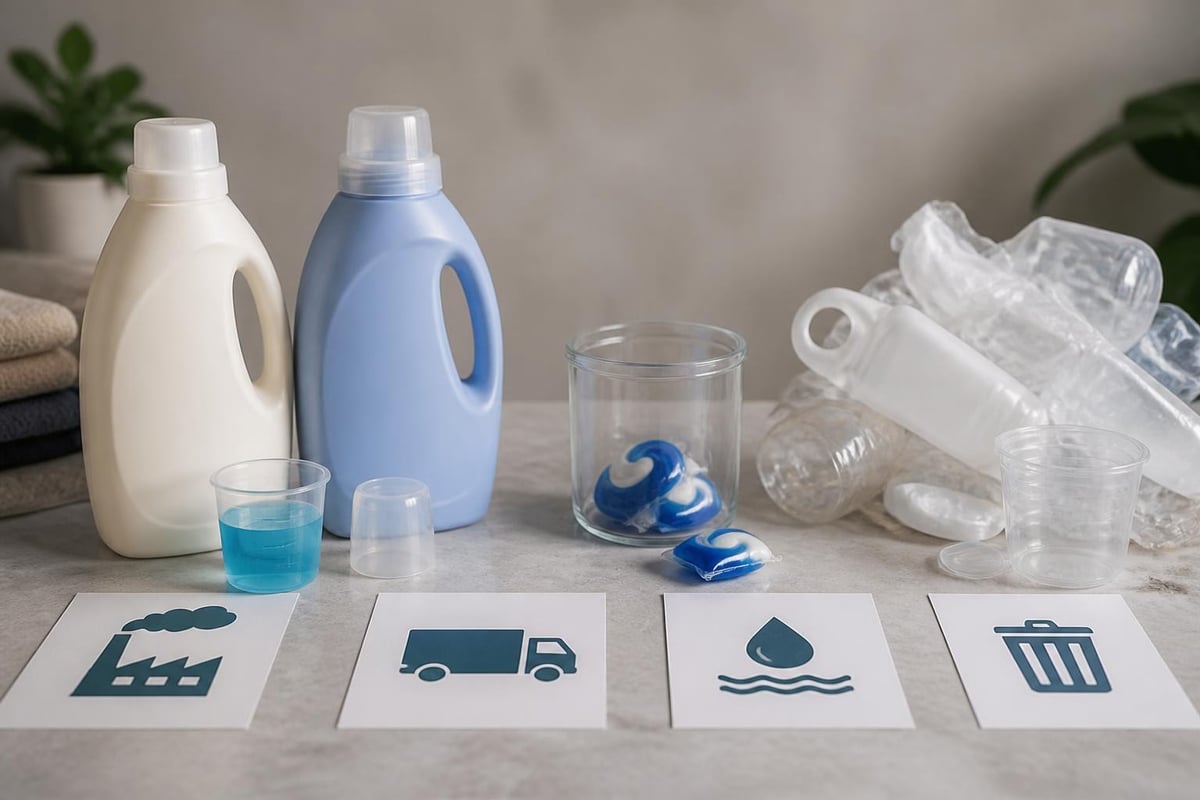
The environmental profile of laundry pods involves multiple factors beyond the water-soluble film. Research from European environmental agencies evaluates whether pre-measured pods reduce environmental impact through accurate dosing, offsetting concerns about packaging materials.
Environmental considerations include:
- Reduction in overdosing and chemical waste
- Concentrated formulations reducing transportation emissions
- Water-soluble film biodegradability in treatment systems
- Packaging materials and recyclability
- Manufacturing energy consumption
The pre-measured format prevents the common problem of detergent overdosing, which occurs in approximately 60% of conventional detergent use according to industry studies. This waste not only increases costs but also contributes unnecessary chemicals to wastewater streams.
Addressing Plastic Content Concerns
Questions about plastic content in pods and sheets have prompted increased scrutiny of PVA film materials. While PVA dissolves in water, it remains a synthetic polymer with ongoing debate about complete biodegradation in various environmental conditions.
Progressive manufacturers are investing in alternative film technologies and comprehensive lifecycle testing. Selecting suppliers who provide transparent environmental data and third-party certifications demonstrates commitment to sustainability goals. The eco-friendly approach requires balancing performance, safety, and environmental responsibility.
Performance Characteristics for Commercial Applications
Commercial laundry operations demand consistent results across varying water temperatures, hardness levels, and soil loads. Modern capsule technology delivers professional-grade cleaning power in formats designed for high-volume processing.
Temperature Flexibility
Advanced formulations dissolve effectively in cold water, supporting energy conservation initiatives. Traditional pods required warm or hot water for complete dissolution, limiting their utility in commercial settings prioritizing energy efficiency. Current technology provides reliable performance across temperature ranges from 60°F to 140°F.
Cold-water washing reduces energy costs by approximately 90% compared to hot-water cycles. For facilities processing hundreds of loads weekly, this translates to substantial operational savings while maintaining cleaning standards.
Compatibility with Equipment Types
Different commercial washers require specific product characteristics:
| Equipment Type | Optimal Pod Characteristics | Dissolution Time |
|---|---|---|
| High-efficiency front loaders | Low-sudsing, concentrated | 3-5 minutes |
| Top-load commercial washers | Moderate sudsing, rapid dissolve | 2-4 minutes |
| Continuous batch washers | Ultra-low foam, instant release | 1-2 minutes |
| Ozone-compatible systems | Oxygen-bleach activated formulas | 2-3 minutes |
Matching product specifications to equipment capabilities ensures optimal performance and prevents issues like insufficient cleaning or excessive residue. The 5-in-1 formulations designed for commercial applications incorporate cleaning, softening, stain treatment, brightening, and odor control in compatible concentrations.
Specialized Applications and Industry-Specific Solutions
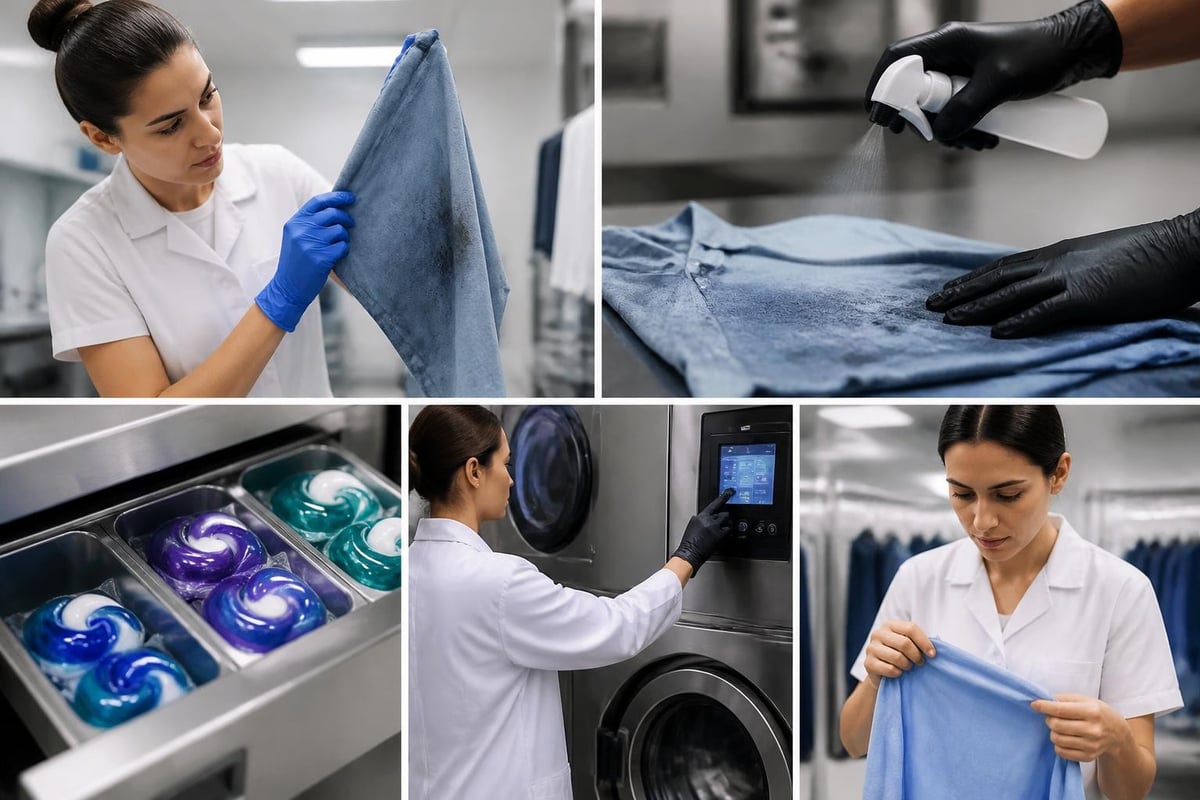
Different commercial sectors require tailored approaches to laundry challenges. Athletic facilities, hospitality operations, healthcare institutions, and industrial laundromats each face unique soil types, fabric compositions, and processing volumes.
Athletic and Performance Fabrics
Synthetic athletic wear requires specialized treatment to remove body oils, perspiration salts, and embedded odors without damaging moisture-wicking properties. Athletic-specific formulations incorporate enzymes that target protein-based soils while protecting technical fabric structures.
Traditional detergents often leave residue that blocks moisture-management fibers, reducing garment performance. Capsule systems designed for athletic applications use low-residue surfactant packages and controlled fragrance levels that won't trigger sensitivities during physical activity.
Hospitality and Linen Services
Hotels, restaurants, and healthcare facilities processing white linens benefit from formulations that maintain brightness without harsh chlorine bleach. Oxygen-activated bleaching systems integrated into capsule designs provide effective whitening while extending fabric life.
The linen-specific solutions address challenges like graying, yellowing, and embedded stains common in commercial textile processing. Consistent dosing eliminates the variability that occurs with manual measuring, improving quality control across shifts and staff members.
Cost Analysis and Operational Efficiency
Implementing capsule-based systems requires analyzing total cost of ownership rather than simple per-load pricing. While individual pods may appear more expensive than equivalent doses of bulk detergent, the complete financial picture includes several factors.
Total cost considerations:
- Elimination of product waste from overdosing
- Reduced labor for measuring and dispensing
- Decreased equipment maintenance from optimal dosing
- Improved fabric longevity from precise chemical levels
- Inventory management simplification
- Reduced storage space requirements
A medium-sized laundromat processing 500 loads weekly typically sees 15-20% reduction in total detergent costs when switching from bulk liquids to properly specified capsule systems. This savings results primarily from eliminating the overuse that occurs with free-pour dispensing.
Subscription Models for Predictable Budgeting
Commercial subscription programs provide cost predictability while ensuring consistent inventory levels. Automated delivery schedules based on processing volume eliminate emergency purchases at premium pricing and reduce administrative overhead.
For facility managers tracking multiple cost centers, subscription models simplify expense allocation and budget forecasting. Consistent per-load pricing supports accurate job costing in contract laundry operations.
Quality Control and Performance Verification
Commercial operations require documented cleaning performance to meet customer expectations and contractual obligations. Capsule-based systems support quality assurance programs through consistent formulation delivery and traceable lot numbers.
Testing Protocols
Establishing baseline performance standards helps identify issues before they affect customer satisfaction. Regular testing should include:
- Visual inspection for residual staining
- pH testing of finished fabrics
- Fragrance consistency evaluation
- Fabric softness assessment
- Colorfastness verification on colored items
Maintaining performance logs creates trend data that supports predictive maintenance and identifies when equipment calibration or water treatment adjustments are needed. When assessing pod safety and performance, commercial users should prioritize products with transparent testing data and performance guarantees.
Integration with Marketing and Brand Building
Progressive laundromat operators and commercial laundry services use premium products as differentiators in competitive markets. Offering eco-friendly, high-performance capsule options appeals to environmentally conscious customers willing to pay premium pricing for superior results.
Small laundromats competing with corporate chains benefit from emphasizing sustainable practices and innovative products. Marketing materials highlighting advanced capsule technology, environmental responsibility, and superior cleaning outcomes support premium positioning strategies.
The visible commitment to innovation extends beyond laundry operations. Just as businesses use custom branded materials at events and tradeshows to enhance brand visibility, forward-thinking laundry operators leverage their product selection to communicate values and differentiate their services in crowded markets.
Customer Education Initiatives
Providing clear information about product benefits, proper usage, and environmental advantages builds trust and justifies premium pricing. Point-of-sale materials, digital communications, and staff training ensure consistent messaging about quality and value.
Educational content addressing common questions about pod safety, environmental impact, and performance characteristics helps customers make informed choices while reducing misconceptions about capsule technology.
Future Developments in Capsule Technology
Ongoing research focuses on improving environmental profiles while maintaining or enhancing cleaning performance. Emerging innovations include:
- Biodegradable film alternatives from renewable sources
- Enzyme systems targeting microplastic release from synthetic fabrics
- Fragrance-free formulations for sensitivity-conscious markets
- Ultra-concentrated formulas reducing packaging requirements
- Smart packaging with freshness indicators
The trajectory of capsule technology points toward increasingly sustainable formulations without compromising the convenience and performance that drive commercial adoption. Manufacturers investing in research and development position themselves as industry leaders while addressing legitimate environmental concerns.
Customization for Specific Applications
Advanced manufacturers now offer formulation customization for large-volume commercial accounts with unique requirements. Custom enzyme packages, fragrance selection, and specialized additive systems allow operations to optimize results for their specific fabric mixes, water chemistry, and customer preferences.
This flexibility represents a significant advantage over one-size-fits-all bulk detergents. The ability to precisely match cleaning chemistry to application requirements improves results while potentially reducing overall chemical usage through enhanced efficiency.
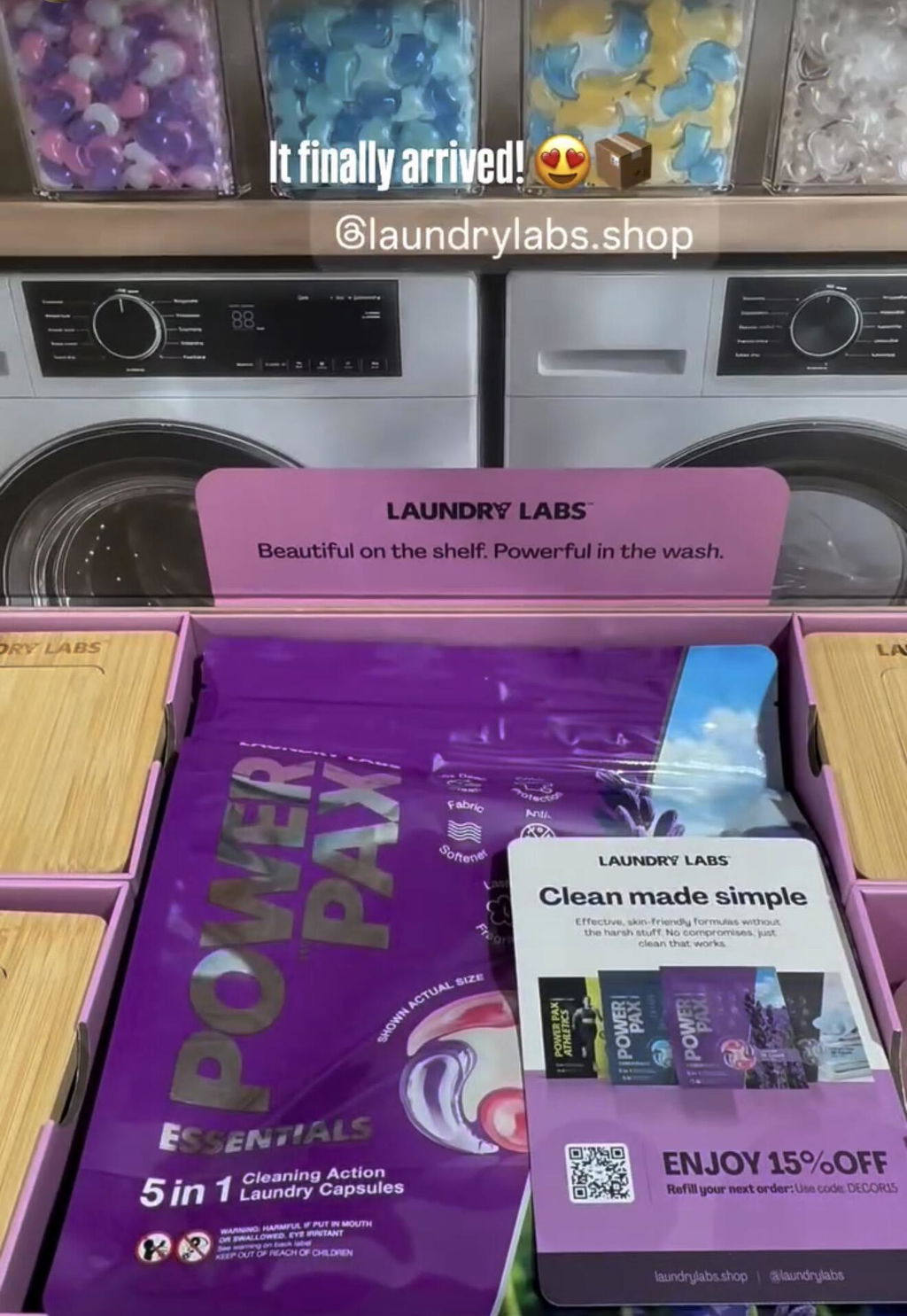
Modern laundry pods represent sophisticated cleaning technology that addresses efficiency, safety, and environmental considerations for commercial operations. By understanding the science, regulatory framework, and performance characteristics of advanced capsule systems, facility managers can make informed decisions that improve results while supporting sustainability goals. Laundry Labs provides commercial-grade capsule formulations engineered to deliver professional performance through innovative 5-in-1 technology that combines cleaning power, stain treatment, fabric softening, brightening, and odor control in convenient, precisely dosed formats designed for demanding commercial applications.