Laundry Soap: The Complete Guide for 2026

Choosing the right laundry soap has become more complex and more important than ever before. With environmental concerns at the forefront of consumer decision-making and technological advances transforming how we clean our clothes, understanding what makes an effective and sustainable laundry soap is essential for both households and commercial operations. Modern formulations deliver powerful cleaning performance while addressing concerns about water conservation, chemical safety, and packaging waste. This comprehensive guide explores the science, options, and best practices for selecting and using laundry soap in 2026.
Understanding Modern Laundry Soap Formulations
Today's laundry soap represents a sophisticated blend of chemistry and environmental science. Unlike the simple soap bars our grandparents used, modern formulations combine multiple active ingredients to tackle different aspects of fabric care simultaneously.
The Core Components of Effective Laundry Soap
Surfactants form the foundation of any laundry soap, working to lift dirt and oils from fabric fibers. These molecules have a hydrophobic end that attaches to oils and a hydrophilic end that binds to water, allowing stains to be suspended and rinsed away.
Modern formulations typically include:
- Anionic surfactants for heavy-duty cleaning power
- Nonionic surfactants for gentle yet effective stain removal
- Enzymes that break down protein-based, starch-based, and fat-based stains
- Builders that soften water and enhance cleaning efficiency
- Optical brighteners that make fabrics appear whiter and brighter
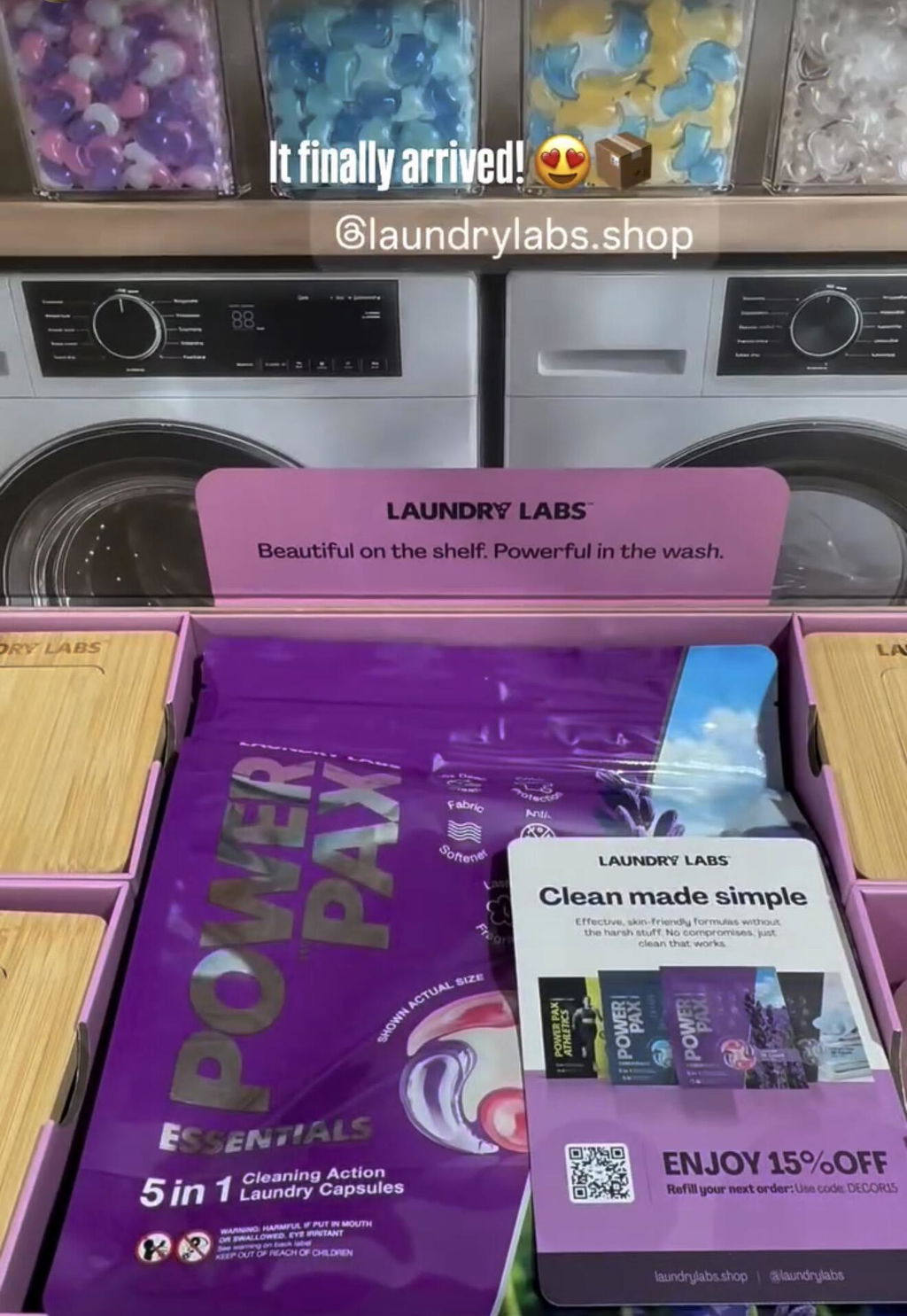
The integration of multiple cleaning agents into single-dose 5-in-1 capsule formulations has revolutionized convenience in the laundry industry. These advanced systems combine detergent, softener, stain treatment, odor control, and brightening agents in precisely measured doses.
Liquid, Powder, and Capsule Formats
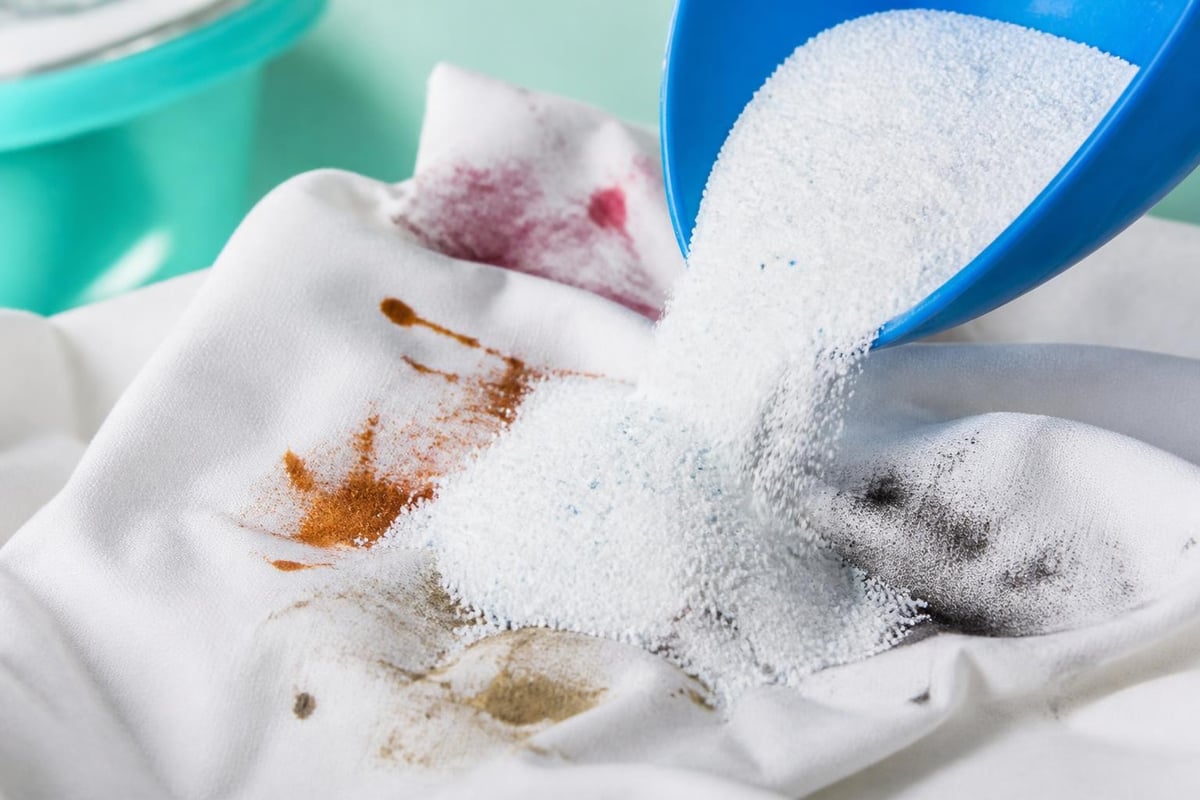
The format of your laundry soap significantly impacts its performance, storage requirements, and environmental footprint. Each type offers distinct advantages depending on your specific needs.
| Format | Best For | Advantages | Considerations |
|---|---|---|---|
| Liquid | Pre-treating stains, cold water washing | Dissolves quickly, precise dosing for small loads | Heavier to transport, plastic packaging |
| Powder | Large loads, hot water washing, value pricing | Excellent for whitening, minimal packaging | May not dissolve fully in cold water |
| Capsules/Pods | Convenience, portion control, commercial use | Pre-measured, no spills, compact storage | Higher per-load cost, potential safety concerns with children |
According to Consumer Reports' comprehensive testing, capsule formats have improved significantly in recent years, with top performers matching or exceeding the cleaning power of traditional liquids while offering superior convenience.
Environmental Impact and Sustainable Choices
The laundry industry's environmental footprint extends far beyond the wash cycle itself. From manufacturing and packaging to water usage and chemical discharge, every aspect of laundry soap production and use carries environmental implications.
Eco-Friendly Ingredients and Certifications
Selecting laundry soap with verified environmental credentials ensures you're making a genuinely sustainable choice. The EPA Safer Choice program provides rigorous standards for ingredient safety, requiring products to meet specific criteria for human health and environmental impact.
Key sustainability factors include:
- Biodegradable surfactants that break down quickly in water systems
- Plant-based ingredients instead of petroleum derivatives
- Phosphate-free formulations to prevent water pollution
- Concentrated formulas that reduce packaging and transportation emissions
- Recyclable or minimal packaging materials
The searchable database of Safer Choice-certified products helps consumers identify laundry soaps that meet stringent environmental and health standards. These products undergo comprehensive ingredient screening to ensure they don't contain chemicals of concern.
Water and Energy Conservation
Modern laundry soap formulations are designed to work effectively in cold water, which accounts for approximately 90% of the energy used in washing clothes. Cold-water cleaning technology has advanced dramatically, with enzymes specifically engineered to remain active at lower temperatures.
Concentrated formulas also reduce water waste during manufacturing and decrease the carbon footprint of transportation. A single compact capsule can deliver the same cleaning power as a cup of traditional liquid detergent, representing a significant reduction in packaging materials and shipping weight.
Commercial operations particularly benefit from powdered detergent solutions that offer exceptional value while minimizing environmental impact through reduced packaging and concentrated formulas.
Choosing Laundry Soap for Different Applications
Not all laundry soap performs equally across different washing scenarios. Matching your detergent to your specific needs ensures optimal results while avoiding waste and potential fabric damage.
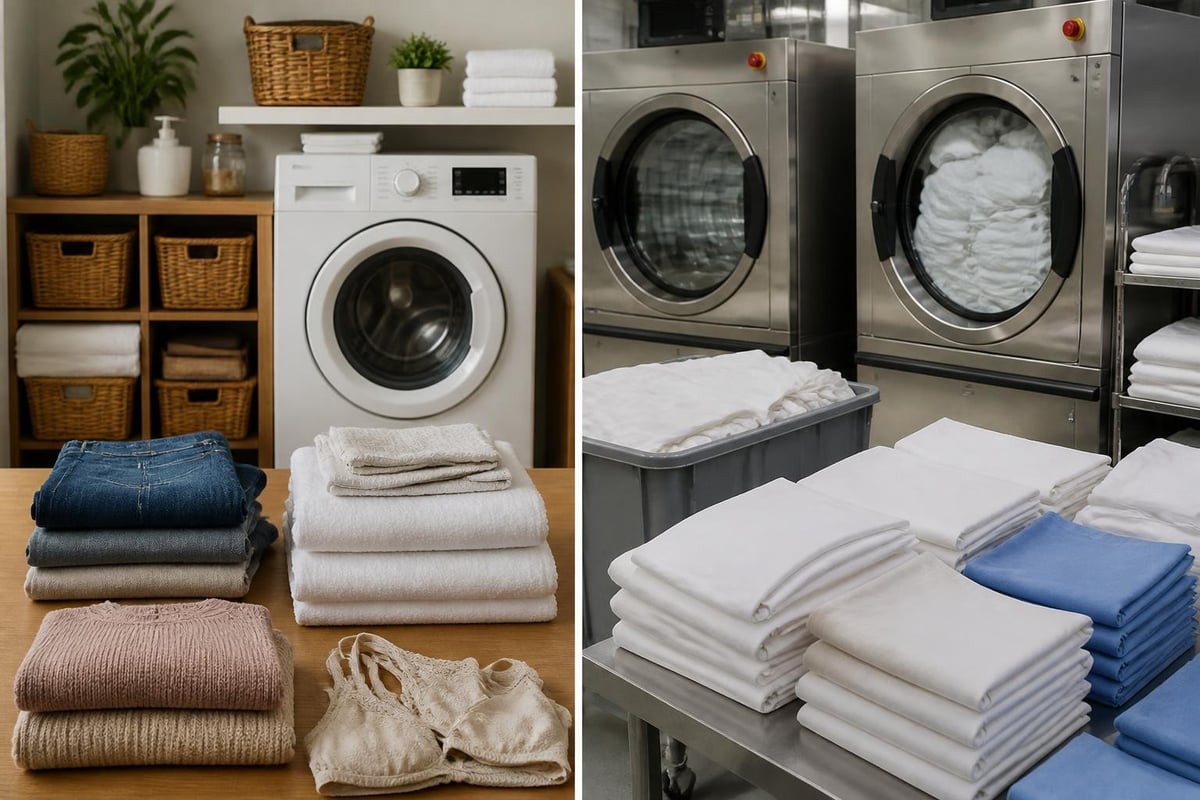
Residential Versus Commercial Requirements
Residential users typically prioritize:
- Fabric softening and pleasant fragrance
- Stain removal for everyday household items
- Skin sensitivity considerations
- Cost per load for regular washing
Commercial operations require:
- Consistent performance across high-volume washing
- Compatibility with industrial machines and water systems
- Cost efficiency at scale
- Reliable stain removal for diverse fabric types
The commercial-grade capsule options available today bridge this gap, offering professional-level performance in convenient, portion-controlled formats suitable for both laundromats and multi-family housing facilities.
Special-Purpose Formulations
Certain laundry challenges demand specialized soap formulations designed to address specific issues beyond general cleaning.
Athletic and Performance Wear
Technical fabrics used in athletic clothing require special attention. Traditional laundry soap can leave residue in moisture-wicking materials, reducing their performance. Specialized athletic formulations break down sweat, oils, and odor-causing bacteria without damaging fabric technology or leaving buildup.
Sensitive Skin and Allergen Concerns
Fragrance-free and dye-free options eliminate common irritants while maintaining cleaning effectiveness. These formulations avoid potential allergens while still incorporating the full spectrum of cleaning agents needed for thorough soil removal.
Pet Owners
Households with pets face unique laundry challenges, from embedded pet hair to distinctive odors. Purpose-designed pet-focused laundry solutions incorporate enzymes that specifically target pet-related stains and odors while remaining safe for fabrics that come in contact with animals.
The Science of Stain Removal
Understanding how laundry soap interacts with different stain types enables more effective treatment and better outcomes. Not all stains respond to the same cleaning approach, and matching your soap to the stain type dramatically improves results.
Protein-Based Stains
Blood, sweat, and food proteins require enzymatic action for complete removal. Proteases break down protein molecules into smaller, water-soluble components that rinse away easily. Cold water is essential for protein stains, as hot water can set the stain permanently.
Oil and Grease Stains
Surfactants excel at removing oil-based stains by surrounding oil molecules and allowing them to be suspended in wash water. Higher concentrations of surfactants and longer wash cycles improve performance on heavy grease stains.
Tannin Stains
Coffee, tea, wine, and plant-based stains contain tannins that bind strongly to fabric fibers. These require both surfactant action and oxygen-based bleaching agents for effective removal. Many modern formulations include oxygen bleach alternatives that work without the harsh effects of chlorine bleach.
Combination Stains
Real-world stains rarely fall into a single category. Grass stains, for example, contain chlorophyll (oil-based), proteins, and tannins. Comprehensive formulations that include multiple enzyme types, surfactants, and mild bleaching agents handle combination stains most effectively.
A recent study on detergent formulations highlights how modern laundry soap chemistry has evolved to address not only visible stains but also microbial colonization in fabrics and washing machines themselves, contributing to fresher-smelling laundry and cleaner appliances.
Optimizing Laundry Soap Performance
Even the best laundry soap underperforms when used incorrectly. Proper dosing, water temperature selection, and washing technique significantly impact cleaning results and fabric longevity.
Dosing Guidelines and Common Mistakes
Overdosing represents one of the most common errors in laundry care. Excess soap creates excessive suds that cushion fabrics against the mechanical action needed for cleaning, leaving residue that attracts dirt and makes clothes appear dingy over time.
Proper dosing depends on:
- Water hardness in your area (harder water requires more detergent)
- Load size and soil level
- Washing machine type (HE machines require less soap)
- Detergent concentration (ultra-concentrated formulas need smaller amounts)
Pre-measured capsule systems eliminate guesswork, delivering consistent results across different load sizes and washing conditions. This precision prevents both waste and the performance problems associated with incorrect dosing.
Water Temperature Selection
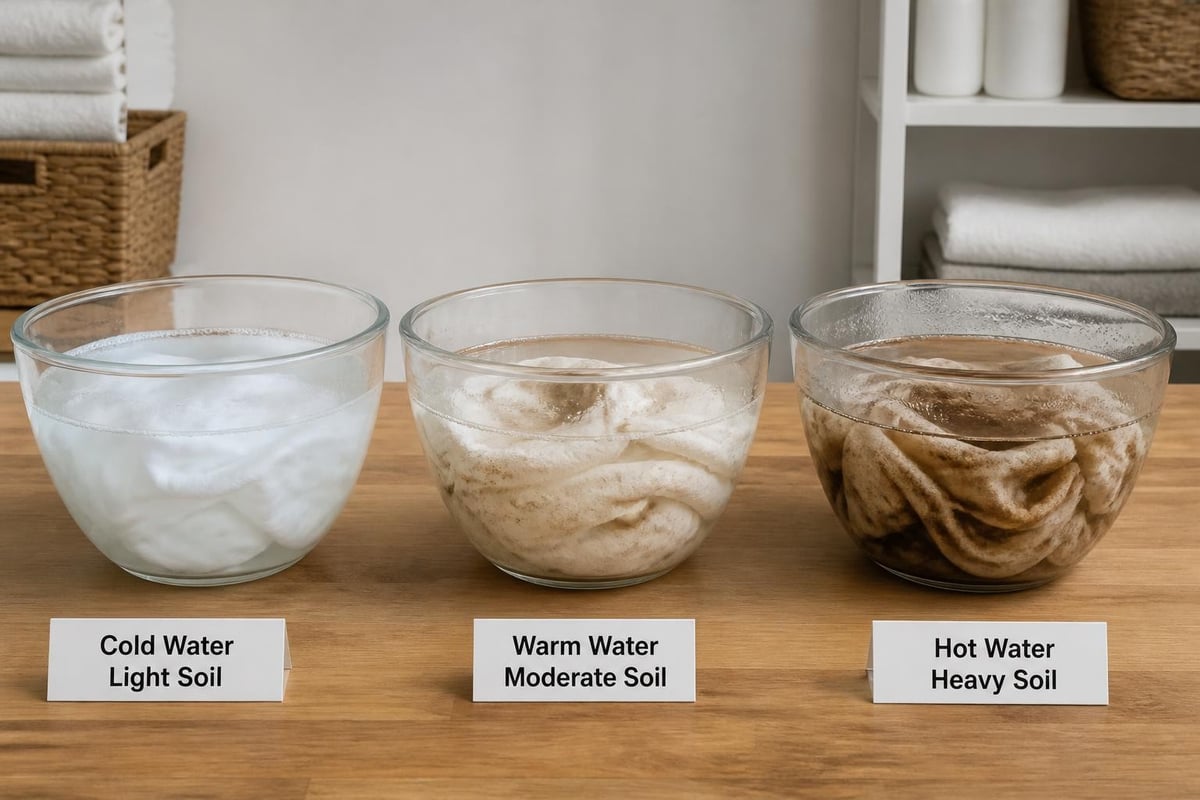
Modern laundry soap formulations are engineered for cold-water effectiveness, but certain situations still benefit from warmer temperatures:
- Cold water (60-80°F): Best for colors, delicates, and lightly soiled items
- Warm water (90-110°F): Effective for moderate soil and synthetic fabrics
- Hot water (130°F+): Reserved for heavily soiled items, whites, and sanitization needs
The enzymes in quality laundry soap remain active across temperature ranges, though some work more efficiently at specific temperatures. Most everyday washing achieves excellent results in cold water, conserving energy without sacrificing cleanliness.
Advanced Features in Modern Laundry Products
Innovation continues to drive the laundry soap industry forward, with manufacturers developing increasingly sophisticated solutions to meet evolving consumer demands.
Multi-Benefit Capsule Technology
The integration of multiple laundry functions into single capsules represents a significant advancement in convenience and performance. Instead of adding separate products for washing, softening, stain treatment, and odor control, modern all-in-one capsules deliver complete care in one step.
This technology offers particular advantages for commercial settings, where simplified procedures reduce labor costs and eliminate the risk of incorrect product combinations. The complete range of commercial capsule solutions available today demonstrates how far this technology has progressed.
Odor-Elimination Technology
Beyond masking unpleasant smells with fragrance, advanced odor-control technology actually neutralizes odor-causing molecules at the chemical level. This approach proves especially valuable for athletic wear, pet bedding, and any fabrics exposed to strong odors.
Fabric Protection and Care
Premium laundry soap formulations now include ingredients that actively protect fabric fibers during washing:
- Color-guard technology prevents dye transfer and fading
- Fiber-smoothing agents reduce pilling and extend fabric life
- Anti-redeposition agents prevent removed soil from settling back onto fabrics
- pH balancers maintain optimal conditions for fabric integrity
Commercial and High-Efficiency Applications
Large-scale laundry operations demand different considerations than residential washing. Volume, consistency, and cost-effectiveness take priority, while maintaining the quality standards customers expect.
Vending and Coin-Operated Solutions
Laundromats and multi-housing facilities require laundry soap packaging designed for vending machines. Coin-vend compatible formats offer precise portioning in packaging that works seamlessly with automated dispensing systems.
These solutions must balance multiple requirements:
- Compact size for vending machine compatibility
- Durable packaging that withstands mechanical dispensing
- Clear usage instructions for diverse customer bases
- Competitive pricing that appeals to cost-conscious users
High-Efficiency (HE) Machine Compatibility
High-efficiency washing machines use significantly less water than traditional top-loaders, requiring specially formulated low-sudsing laundry soap. Standard detergents create excessive suds in HE machines, leading to poor rinsing, residue buildup, and potential mechanical problems.
HE-compatible formulations feature concentrated cleaning agents that work effectively in minimal water while producing controlled suds levels. Most modern capsule and concentrated liquid products carry HE compatibility, though verification on packaging remains important.
Cost Analysis and Value Considerations
Understanding the true cost of laundry soap requires looking beyond the shelf price to consider concentration, effectiveness, and overall value per load.
Price Per Load Calculations
Liquid detergents typically range from $0.15 to $0.40 per load, depending on brand and concentration. Generic and store brands often deliver comparable cleaning performance to premium options at substantially lower costs.
Powder formulations generally offer the best value, ranging from $0.10 to $0.25 per load. The trade-off involves slightly less convenience and potential dissolution issues in cold water.
Capsules and pods command premium pricing at $0.25 to $0.50 per load but eliminate measuring errors and provide consistent results. For commercial operations, bulk capsule purchasing significantly reduces per-load costs while maintaining convenience benefits.
| Product Type | Typical Cost Per Load | Best Value Scenario |
|---|---|---|
| Store Brand Liquid | $0.15 - $0.22 | Large household, varied washing needs |
| Premium Liquid | $0.28 - $0.40 | Stain-prone households, fabric care priority |
| Powder Detergent | $0.10 - $0.25 | Budget-conscious, hot water washing |
| Standard Capsules | $0.25 - $0.35 | Convenience priority, moderate usage |
| Commercial Capsules (bulk) | $0.18 - $0.28 | High-volume operations, consistency important |
Long-Term Value Factors
The cheapest per-load option doesn't always deliver the best long-term value. Factors to consider include:
- Fabric longevity: Quality soap that protects fibers extends clothing lifespan
- Machine maintenance: Proper formulations prevent buildup and mechanical issues
- Rewashing prevention: Effective cleaning the first time eliminates double-washing costs
- Water and energy usage: Cold-water effectiveness and concentration reduce utility expenses
Storage and Safety Best Practices
Proper storage of laundry soap ensures product effectiveness and household safety, particularly in homes with children or pets.
Optimal Storage Conditions
Temperature stability matters for liquid formulations, which can separate or degrade in extreme heat or freezing conditions. Store liquid laundry soap at room temperature, away from direct sunlight.
Moisture protection is essential for powder and capsule products. Humidity causes clumping in powders and can compromise the water-soluble film of capsules. Keep these products in sealed containers in dry locations.
Childproofing requirements have become increasingly important as brightly colored capsules can resemble candy to young children. Store all laundry products in locked cabinets or on high shelves beyond children's reach. Many manufacturers now include child-resistant packaging, but secure storage remains the primary safety measure.
Shelf Life and Product Degradation
Most laundry soap maintains effectiveness for 6-12 months under proper storage conditions. Signs of degradation include:
- Separation in liquids (though some separation is normal)
- Hardening or extreme clumping in powders
- Discoloration or unusual odors
- Dissolved or damaged capsule films
Using degraded products results in poor cleaning performance and potential fabric damage. Regular inventory rotation ensures you're always using fresh, fully effective laundry soap.
Innovation and Future Trends
The laundry soap industry continues evolving, driven by environmental concerns, technological advancement, and changing consumer preferences.
Sustainable Packaging Solutions
Plastic reduction represents a major focus across the industry. Innovations include concentrated refill systems, water-soluble packaging, post-consumer recycled materials, and aluminum containers that offer infinite recyclability.
Enzyme Technology Advancement
Next-generation enzymes target previously difficult stain types while remaining stable at lower temperatures and across a wider pH range. This advancement enables truly effective cold-water washing for all soil types.
Smart Dosing Systems
Integration with smart washing machines allows automatic dispensing of precisely measured laundry soap based on load size, soil level, and fabric type. These systems optimize cleaning while minimizing waste and environmental impact.
Microbiome-Friendly Formulations
Emerging research on fabric microbiomes is driving development of laundry soap that maintains beneficial bacteria while eliminating odor-causing organisms. This approach may reduce the need for harsh antimicrobial agents while improving long-term fabric freshness.
Selecting the right laundry soap involves balancing cleaning performance, environmental impact, convenience, and cost-effectiveness based on your specific washing needs. Whether you're managing a commercial operation or simply seeking better results at home, understanding modern formulations and application techniques ensures optimal outcomes. Laundry Labs specializes in powerful, eco-friendly solutions that deliver commercial-grade performance through innovative capsule technology, combining detergent, softener, stain treatment, and odor control in precisely measured doses designed for efficiency and sustainability.