Laundry Soap and Detergent: A Complete 2026 Guide

The choice between laundry soap and detergent has evolved dramatically over the past decade, transforming from a simple preference into a decision that impacts cleaning performance, environmental sustainability, and operational efficiency. Modern consumers and commercial operators face an overwhelming array of options, from traditional bar soaps to sophisticated capsule formulations that deliver multiple functions in one dose. Understanding the fundamental differences between these products and how they interact with today's fabrics, washing machines, and water conditions is essential for achieving optimal results while minimizing environmental impact.
Understanding the Core Differences Between Soap and Detergent
The distinction between laundry soap and detergent goes far beyond marketing terminology. These products are fundamentally different in their chemical composition and how they function in water.
Traditional laundry soap consists of fatty acids combined with alkali, creating a natural cleaning agent that has been used for centuries. When soap molecules encounter dirt and grease, they surround these particles and allow them to be rinsed away. However, soap has significant limitations in modern laundry applications.
Synthetic detergents, on the other hand, are engineered cleaning compounds designed to overcome soap's shortcomings. Developed in the mid-20th century, detergents use surfactants (surface-active agents) that work effectively in all water temperatures and hardness levels.
Key Performance Differences
| Characteristic | Traditional Soap | Modern Detergent |
|---|---|---|
| Hard water performance | Poor (forms scum) | Excellent |
| Cold water cleaning | Limited | Highly effective |
| Residue buildup | Common | Minimal with quality formulas |
| Environmental breakdown | Generally good | Varies by formulation |
| Multi-functionality | Single purpose | Often combines multiple treatments |
The American Cleaning Institute provides comprehensive information on how different detergent types function and their specific applications in modern laundry care.
The Evolution of Laundry Cleaning Agents
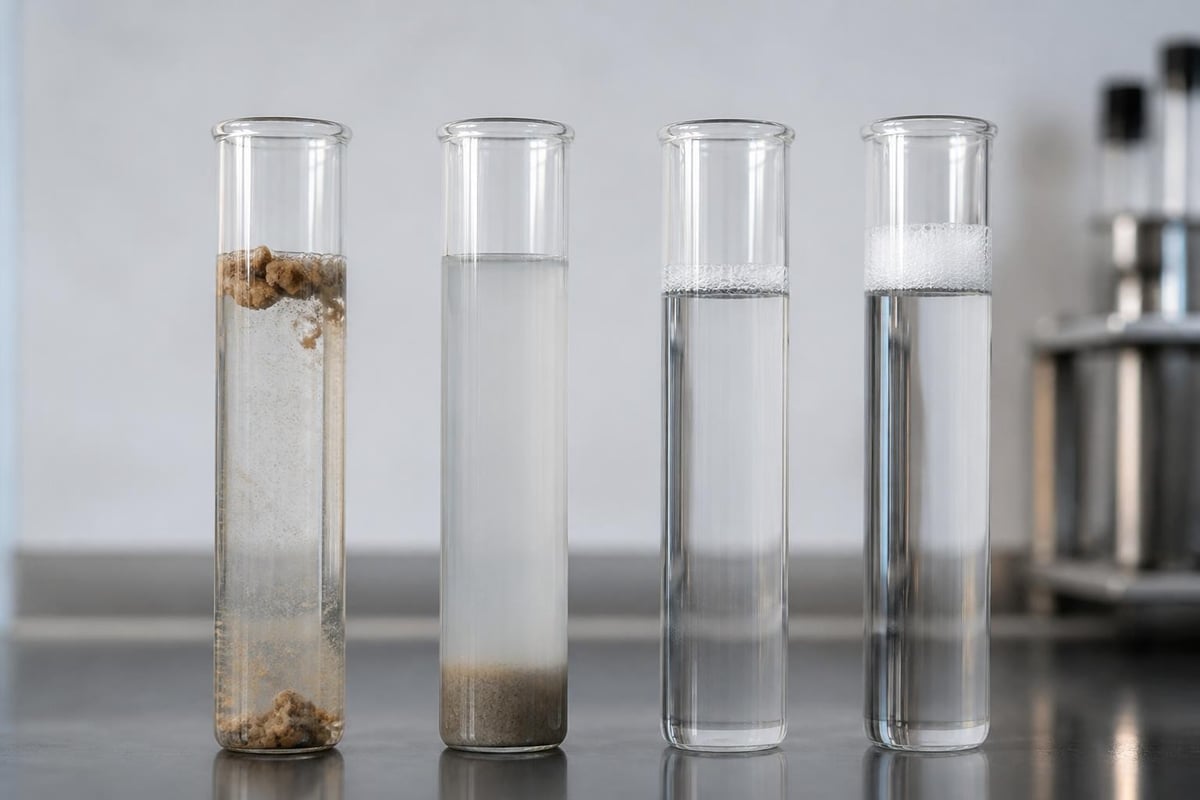
The laundry industry has undergone remarkable transformation since the first synthetic detergents appeared in the 1930s. Each generation of products has addressed specific challenges while introducing new considerations.
First Generation: Basic Surfactants
Early detergents focused solely on replacing soap's cleaning action without the hard water problems. These formulations were revolutionary but lacked the sophistication we expect today.
Second Generation: Enzyme Integration
The introduction of enzymes marked a turning point in laundry soap and detergent development. These biological catalysts break down specific stain types:
- Proteases target protein-based stains (blood, grass, food)
- Amylases tackle starches and carbohydrates
- Lipases dissolve oils and greasy residues
- Cellulases help maintain fabric appearance by removing microfibers
Third Generation: Concentrated and Multi-Functional
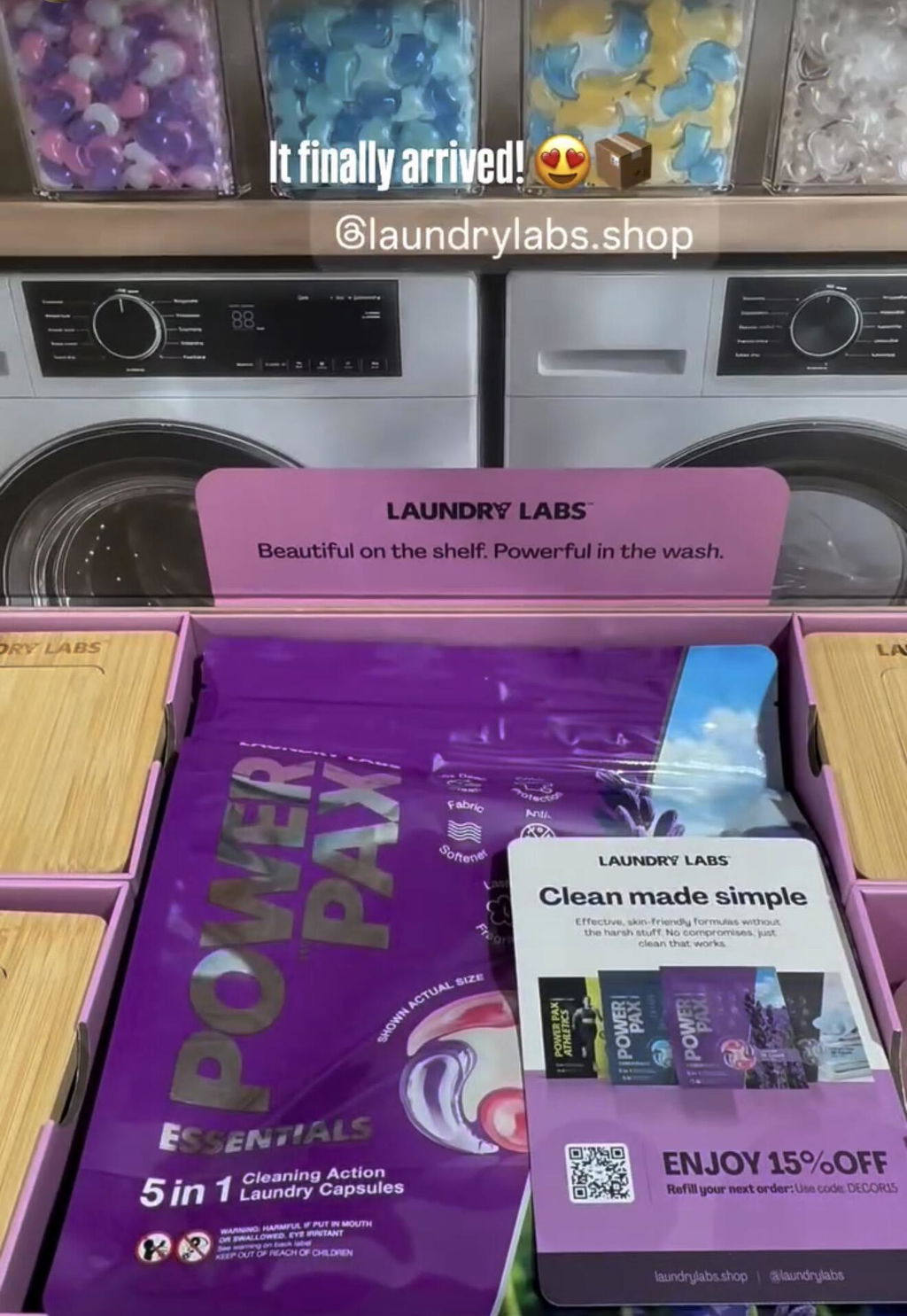
Modern formulations combine cleaning power with fabric care, water conservation, and environmental responsibility. Laundry Labs' PowerPax capsules exemplify this evolution, integrating detergent, softener, stain treatment, and odor control into precise, pre-measured doses.
Environmental Considerations in Modern Formulations
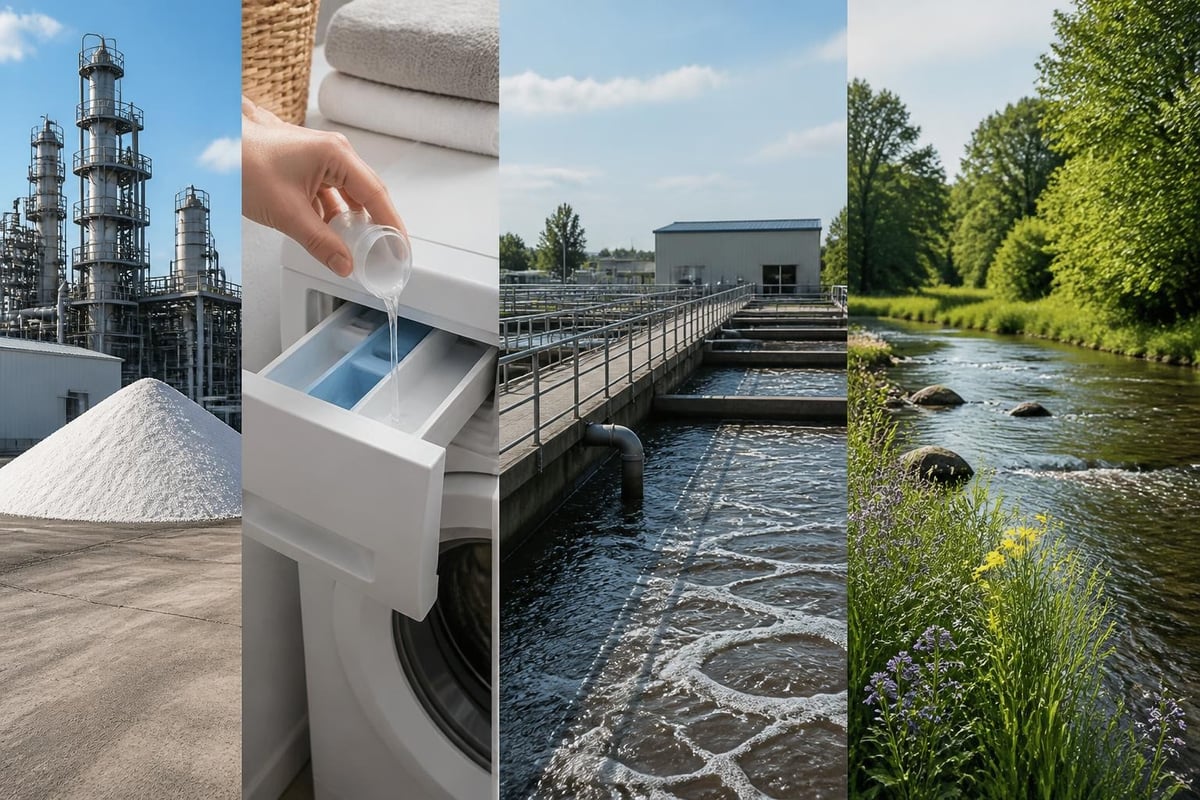
The environmental impact of laundry soap and detergent extends beyond the washing machine, affecting waterways, aquatic ecosystems, and broader environmental health. Understanding these impacts helps consumers and businesses make informed choices.
Phosphates and Nutrient Pollution
Historically, phosphates served as water softeners and cleaning boosters in detergents. However, their environmental consequences proved severe. The EPA provides guidance on reducing nutrient pollution from household sources, including choosing phosphate-free laundry products.
When phosphates enter waterways, they trigger algae blooms that deplete oxygen and harm aquatic life. Most modern detergents have eliminated or drastically reduced phosphate content, relying instead on alternative builders like citrates and zeolites.
Microplastic Concerns
A less visible but equally important issue involves microplastic pollution from laundry products. Research has shown that certain washing conditions and detergent formulations affect microfiber release during the wash cycle.
The European Union has taken regulatory action through restrictions on synthetic polymer microparticles in detergents and other products, setting a precedent for global standards.
Safer Chemistry Standards
The EPA Safer Choice program evaluates laundry and cleaning product ingredients against rigorous safety criteria. Products meeting these standards undergo comprehensive assessment of their surfactants, enzymes, builders, and other components.
Manufacturers committed to sustainability, like Laundry Labs, formulate products to meet or exceed these environmental benchmarks while maintaining commercial-grade cleaning performance. Understanding what "eco-friendly" truly means requires examining certifications and third-party verification.
Choosing the Right Formula for Different Applications
Not all laundry soap and detergent products perform equally across different use cases. Selecting the appropriate formula requires considering water hardness, fabric types, soil levels, and washing machine design.
Residential Applications
Home users typically prioritize convenience, fabric care, and fragrance alongside cleaning performance. Modern households face diverse laundry challenges:
Activewear and performance fabrics demand specialized treatment. These technical materials trap oils and odors within their fibers, requiring detergents with lipase enzymes and odor-neutralizing technology. Athletic-specific formulations address these unique challenges without compromising fabric breathability or moisture-wicking properties.
Delicate fabrics need gentler surfactant systems that clean effectively without causing damage. The pH level, enzyme selection, and mechanical action all influence fabric longevity.
High-efficiency (HE) machines require low-sudsing formulas. Excess suds interfere with the tumbling action necessary for proper cleaning in these water-conserving machines.
Commercial and Institutional Use
Commercial laundry operations demand different performance characteristics than residential use. Volume, consistency, and cost-per-load become critical factors.
Healthcare facilities face particularly stringent requirements. The WHO's WASH guidance for healthcare facilities emphasizes proper laundering protocols as essential infection control measures, requiring detergents that effectively remove soil and microorganisms while remaining safe for patients with sensitivities.
Hotels and hospitality businesses need products that:
- Deliver consistent results across hundreds of daily loads
- Maintain white linens without yellowing or graying
- Remove diverse stain types from food service and guest use
- Work efficiently in commercial-grade equipment
Athletic facilities and gyms battle constant challenges with sweat-saturated fabrics and persistent odors. Specialized formulations for gym towels and athletic textiles address these specific needs with targeted enzyme blends and odor eliminators.
Form Factors: Liquid, Powder, Pods, and Capsules
The physical form of laundry soap and detergent significantly impacts performance, convenience, storage, and environmental footprint.
Liquid Detergents
Liquid formulations offer several advantages:
- Dissolve immediately in all water temperatures
- Can be applied directly to stains as pretreatment
- Easy to measure for custom dosing
However, liquids also present challenges. They're heavy to ship, increasing transportation emissions. Bottles create plastic waste, and liquid detergent often leads to overuse and waste in commercial settings due to inconsistent measuring.
Powder Detergents
Powders were the original synthetic detergent format and remain popular in some markets:
- Generally less expensive per load
- Excellent for heavily soiled items
- Long shelf life without preservatives
- Lightweight shipping reduces environmental impact
Powder limitations include poor dissolution in cold water and potential for residue on dark fabrics. The shift away from commercial washing powder reflects these performance gaps and the industry's move toward more precise dosing systems.
Single-Dose Capsules and Pods
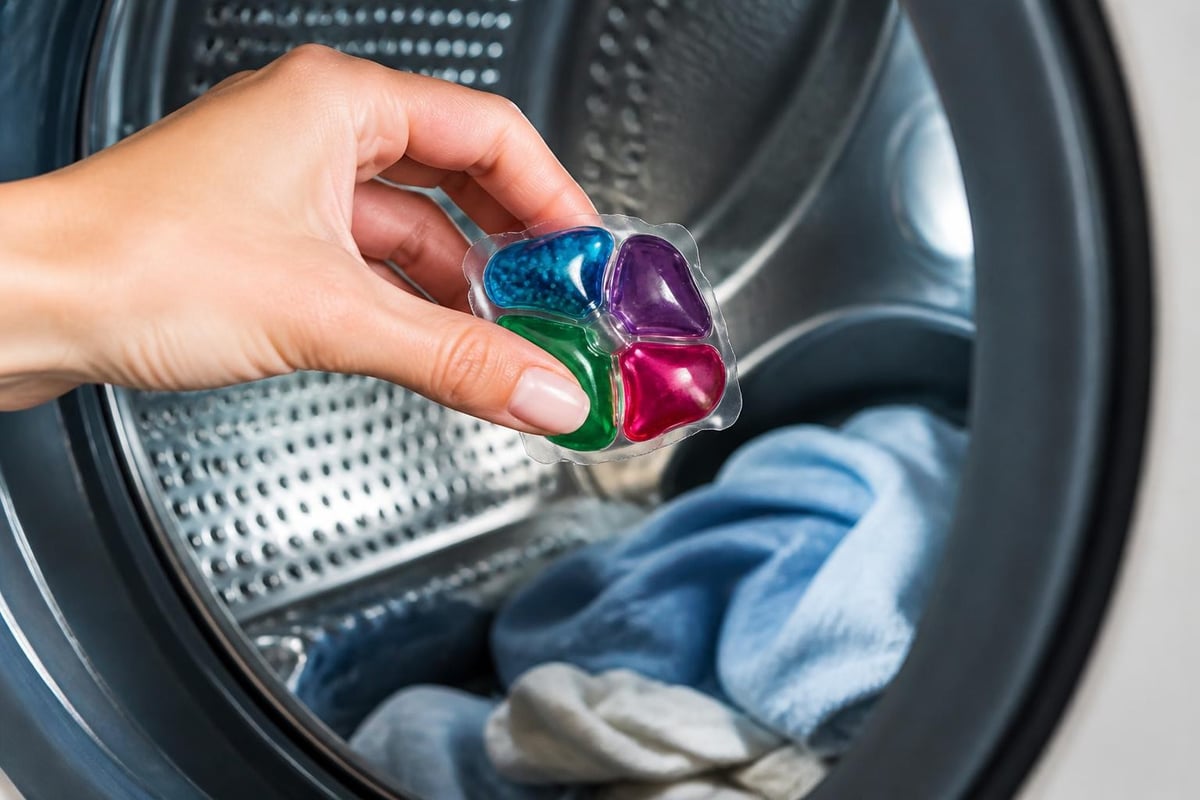
Pre-measured doses eliminate guesswork and waste. However, not all pods are created equal. True capsules use water-soluble PVA film that dissolves completely in the wash, while some "pods" rely on different technologies.
| Feature | Traditional Pods | Advanced Capsules |
|---|---|---|
| Precise dosing | Yes | Yes |
| Multi-chamber design | Sometimes | Often standard |
| Film dissolution | Variable | Complete in all temps |
| Integrated treatments | Limited | Comprehensive (5-in-1) |
| Storage requirements | Dry location | Dry location |
| Cost per load | Varies widely | Premium but efficient |
Why pods represent the future of fabric care becomes clear when examining the precision, performance, and waste reduction they offer.
The Science Behind Stain Removal
Understanding how laundry soap and detergent remove stains reveals why modern formulations outperform traditional options. Stain removal involves multiple mechanisms working in concert.
Surfactant Action
Surfactant molecules have hydrophilic (water-loving) heads and hydrophobic (water-fearing) tails. This dual nature allows them to:
- Penetrate between fabric fibers and soil particles
- Surround and lift dirt from surfaces
- Suspend soil particles in wash water
- Prevent redeposition onto clean fabrics
Enzymatic Breakdown
Different enzymes target specific stain chemistries. This specificity explains why enzyme-enriched detergents excel at removing stains that defeated previous generations of products.
A single load might contain grass stains (chlorophyll and protein), tomato sauce (protein, starch, and oil), and perspiration (protein and salts). Comprehensive enzyme systems address all these simultaneously.
Chemical and Mechanical Synergy
Modern washing relies on four factors working together:
- Chemical action from detergent ingredients
- Thermal action from water temperature
- Mechanical action from machine agitation
- Time for ingredients to work
Balancing these factors allows cold-water washing to achieve results previously requiring hot water, reducing energy consumption significantly.
Commercial-Grade Performance in Everyday Use
The gap between consumer-grade and commercial-grade laundry products has narrowed considerably. What "commercial-grade" actually means for home users involves understanding formulation concentration, quality control standards, and performance consistency.
Concentration and Dilution
Commercial products typically use higher active ingredient concentrations than consumer formulas. This concentration delivers:
- Stronger cleaning power per dose
- Better cost efficiency at scale
- Reduced packaging and shipping waste
- Consistent performance across varying conditions
Quality Control Standards
Commercial operations cannot tolerate batch-to-batch variability. Industrial laundry facilities process thousands of items daily, requiring absolute consistency. This demand drives stricter quality control than consumer products typically undergo.
Efficiency Calculations
Understanding true cost per load reveals that premium products often deliver better value than bargain alternatives. When a single capsule replaces separate detergent, softener, stain treatment, and odor control products, the apparent price premium disappears.
For commercial operators, the mathematics of concentrated solutions demonstrates how efficient formulations dramatically reduce per-load costs while improving storage efficiency and operational simplicity.
Specialized Applications and Targeted Solutions
Modern laundry challenges require specialized approaches beyond general-purpose cleaning. The diversity of fabrics, soil types, and use cases has driven development of targeted laundry soap and detergent formulations.
Athletic and Performance Fabrics
Technical athletic wear presents unique challenges. Synthetic fibers like polyester and nylon trap body oils and odors within their structure, creating persistent smell problems even after washing. Specialized athletic formulations use specific enzyme combinations and odor-neutralizing technology rather than just fragrance masking.
Travel and Portable Solutions
Frequent travelers need compact, effective solutions that work in various water conditions and temperatures. Single-dose capsules excel in this application, eliminating the need to carry bulky bottles while ensuring proper dosing in unfamiliar facilities.
Sensitive Skin Considerations
Hypoallergenic formulations omit common irritants while maintaining cleaning effectiveness. This requires careful ingredient selection and thorough rinsing characteristics. Gentle but effective cleaning addresses needs of those with skin sensitivities without sacrificing performance.
The Future of Laundry Technology
Innovation in laundry soap and detergent continues at a rapid pace, driven by environmental concerns, technological advancement, and changing consumer expectations.
Sustainability Initiatives
The industry is moving toward:
- Completely biodegradable ingredients
- Plastic-free packaging solutions
- Waterless formulations requiring minimal dilution
- Carbon-neutral production processes
- Closed-loop recycling systems
Smart Dosing Systems
Integration with connected washing machines enables automatic detergent dispensing based on load size, soil level, and fabric type. This precision eliminates waste while optimizing cleaning performance.
Biotechnology Advances
Enzyme engineering produces catalysts that work effectively at lower temperatures, reducing energy requirements. Novel enzymes target previously difficult stains while remaining gentle on fabrics and safe for the environment.
Subscription and Delivery Models
Subscription services for laundry products ensure users never run out while optimizing delivery logistics to reduce environmental impact. Predictable demand also helps manufacturers plan production more efficiently.
Making Informed Decisions
Selecting appropriate laundry soap and detergent requires evaluating multiple factors beyond basic cleaning ability. Choosing the best detergent for your lifestyle involves assessing your specific needs, priorities, and usage patterns.
Consider these factors:
Water hardness in your area affects how well different formulas perform. Hard water requires detergents with water-softening ingredients or may benefit from supplemental water conditioning.
Machine type determines whether you need HE-compatible formulas or can use traditional high-sudsing products.
Fabric composition in your typical loads influences which enzymes and surfactants will deliver best results.
Environmental priorities guide decisions about ingredients, packaging, certifications, and overall sustainability impact.
Budget considerations should factor in actual cost per load rather than package price, accounting for concentration and effectiveness.
Performance requirements vary dramatically between washing lightly soiled everyday clothes versus heavily soiled work uniforms or athletic gear.
Modern laundry soap and detergent technology has evolved far beyond simple cleaning, incorporating environmental responsibility, specialized performance, and operational efficiency into sophisticated formulations. Whether you're managing a commercial operation, equipping a household, or seeking solutions for specific challenges, understanding these products' capabilities and limitations empowers better decisions. Laundry Labs brings commercial-grade performance and genuine sustainability together in innovative capsule formulations designed for the demands of 2026 and beyond, offering powerful cleaning with minimal environmental impact.