Lavender for Sleep: Science, Benefits & Laundry Uses

Sleep quality affects every aspect of daily life, from cognitive performance to physical health and emotional resilience. As more people seek natural alternatives to pharmaceutical sleep aids, lavender for sleep has emerged as one of the most researched and widely adopted aromatherapy solutions. This purple-flowered herb, scientifically known as Lavandula angustifolia, contains bioactive compounds that research suggests can genuinely improve sleep outcomes. Beyond diffusers and pillow sprays, lavender's sleep-promoting properties extend into unexpected places-including your laundry routine, where the science behind laundry fragrance creates opportunities for continuous aromatherapy throughout the night.
The Scientific Evidence Behind Lavender for Sleep
Recent clinical research provides compelling evidence for lavender's effectiveness as a sleep aid. A 2024 systematic review and meta-analysis examined randomized controlled trials involving adults and found that aromatherapy with lavender essential oil significantly improved sleep quality compared to placebo or control methods. The data analyzed multiple studies across diverse populations, strengthening confidence in lavender's therapeutic value.
What makes this research particularly valuable is its focus on measurable outcomes rather than subjective impressions. Participants in these studies used validated sleep quality instruments, providing objective data about sleep latency, duration, and overall restfulness.
How Lavender Compounds Affect the Nervous System
The mechanisms behind lavender for sleep involve specific chemical interactions within the brain. Lavender essential oil contains linalool and linalyl acetate as primary constituents, compounds that research suggests may work through GABAergic pathways to produce sedative effects. GABA (gamma-aminobutyric acid) is the brain's primary inhibitory neurotransmitter, responsible for reducing neuronal excitability and promoting relaxation.
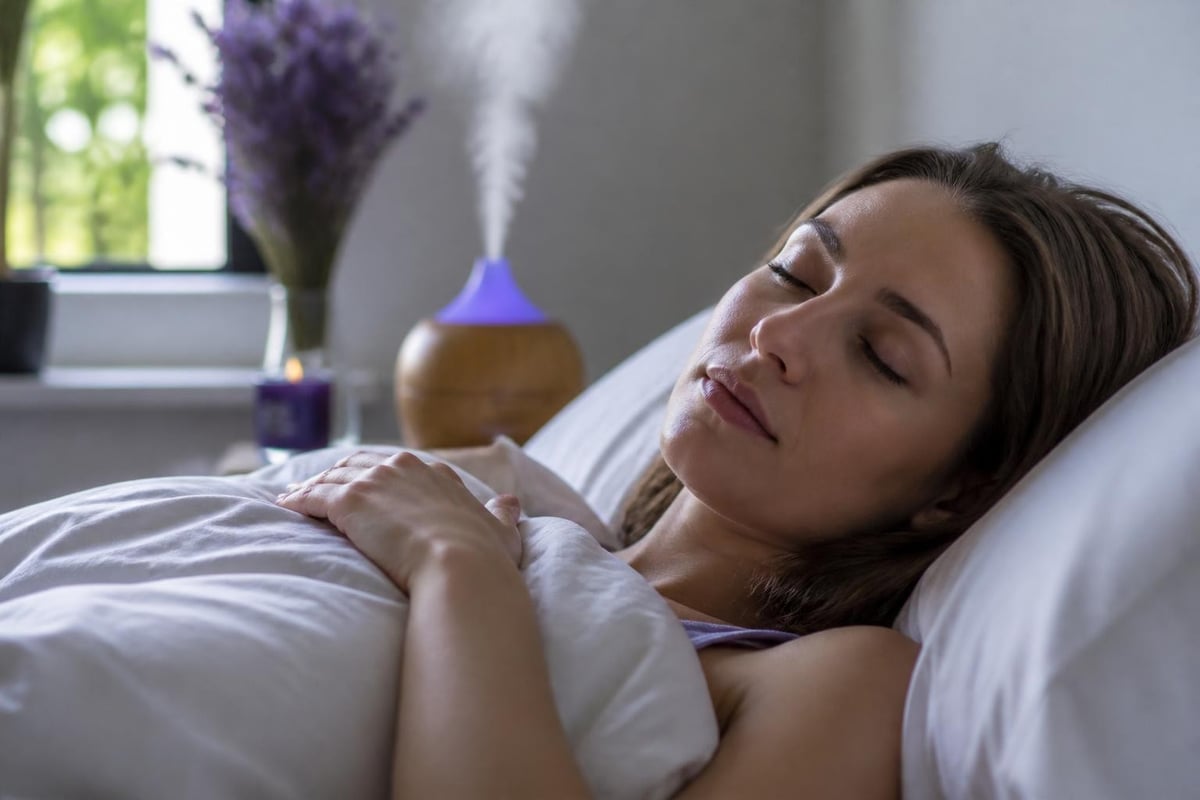
When you inhale lavender aromatics, these molecules travel through the olfactory system to the limbic region of the brain, which governs emotions and stress responses. This direct pathway explains why lavender for sleep can produce relatively rapid effects compared to oral supplements that must pass through the digestive system.
The National Center for Complementary and Integrative Health acknowledges these potential benefits while noting that more research is needed to fully understand optimal dosing, delivery methods, and long-term effects. This balanced perspective helps consumers make informed decisions about incorporating lavender into their wellness routines.
Practical Applications of Lavender for Sleep
Understanding the science is one thing; knowing how to apply it effectively is another. Lavender for sleep works best when integrated thoughtfully into your evening routine rather than used sporadically.
Aromatherapy Methods That Work
Different delivery methods offer varying levels of effectiveness and convenience:
- Diffusion: Electric or ultrasonic diffusers disperse lavender essential oil molecules into the air, creating a consistent aromatic environment. Run the diffuser 30-60 minutes before bedtime.
- Topical application: Diluted lavender oil (2-3 drops in a carrier oil) can be applied to pulse points, though this method requires attention to skin sensitivity.
- Linen and fabric application: Lavender-scented bedding provides extended exposure throughout the night, surrounding you with aromatherapy as you sleep.
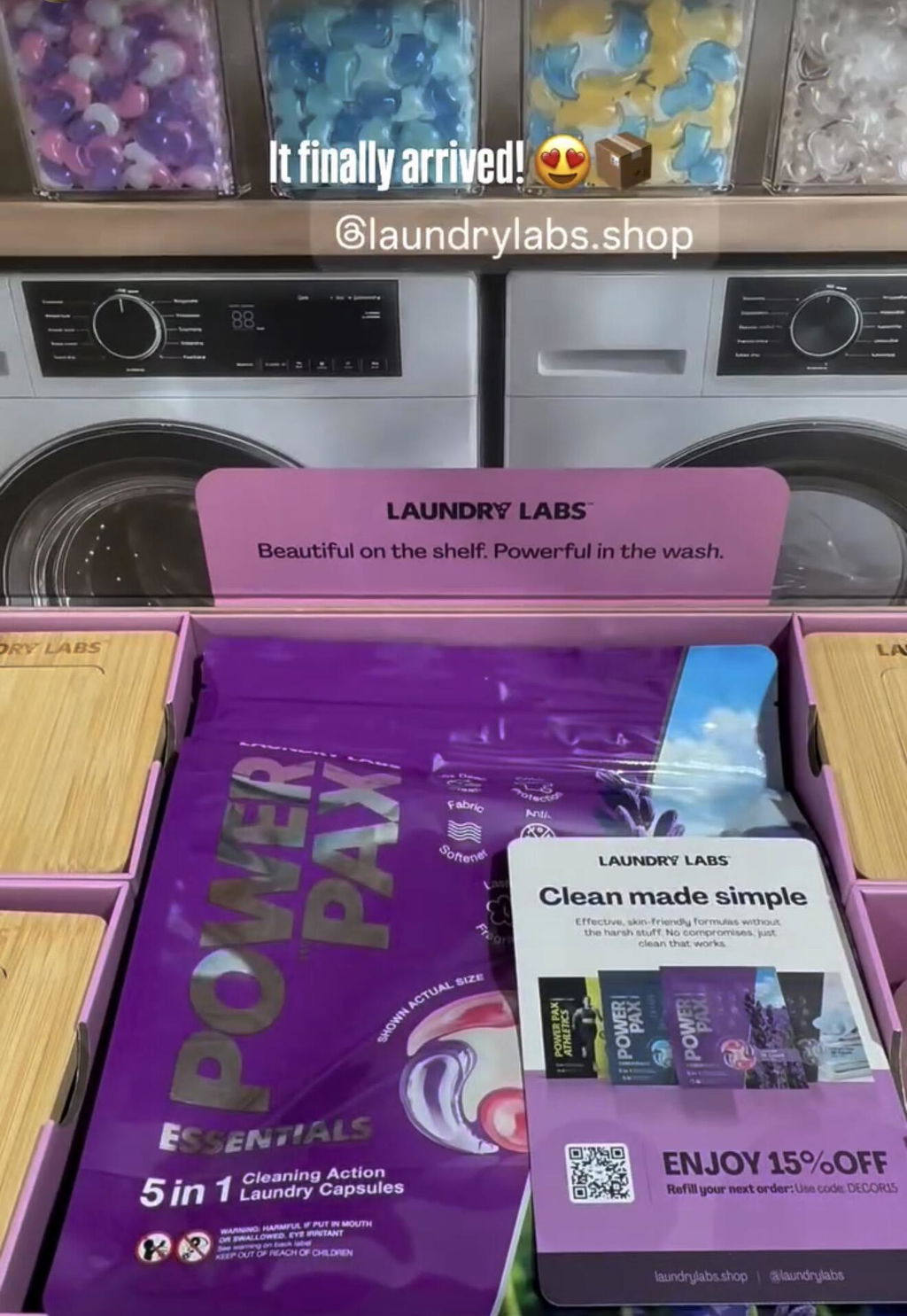
The third method-incorporating lavender into fabrics-represents an often-overlooked but highly practical approach. When you wash sheets, pillowcases, and sleepwear with nice-smelling laundry detergent featuring lavender notes, you create a sleep environment that delivers aromatherapy benefits for hours rather than minutes.
Clinical Settings and Specialized Applications
Beyond home use, lavender for sleep has shown promise in medical environments where sleep is particularly compromised. A randomized controlled trial published in August 2025 investigated lavender essential oil inhalation in patients with intracranial tumors during the postoperative period. Even in this sensitive medical context with significant sleep disruption, lavender aromatherapy showed positive effects on sleep quality measures.
This research suggests that lavender's benefits extend beyond typical insomnia to situations involving pain, medical stress, and hospital environments-contexts where pharmaceutical sleep aids may interact problematically with other medications.
Comparing Lavender Delivery Systems
| Method | Duration of Effect | Convenience | Cost Efficiency | Coverage Area |
|---|---|---|---|---|
| Essential oil diffuser | 2-4 hours | Moderate | Medium | Single room |
| Pillow spray | 3-5 hours | High | Low | Immediate sleep area |
| Lavender sachets | Continuous (mild) | Very high | High | Localized |
| Scented linens | 8+ hours | Very high | Very high | Full bed environment |
The table illustrates why fabric-based delivery-particularly through lavender-scented laundry products-offers unique advantages. Unlike diffusers that require refilling and cleaning, or sprays that need nightly application, properly scented bedding provides consistent aromatherapy with minimal ongoing effort.
Safety Considerations and Quality Standards
While lavender for sleep is generally considered safe, responsible use requires awareness of potential concerns. The National Institute of Environmental Health Sciences notes that essential oils, including lavender, contain complex chemical mixtures that may have unintended effects in some individuals.
Understanding Purity and Standardization
Not all lavender products contain the same compounds or concentrations. Quality varies significantly based on:
- Growing conditions and lavender species
- Extraction methods (steam distillation versus chemical solvents)
- Storage conditions affecting compound degradation
- Addition of synthetic fragrance components
When selecting lavender-scented laundry products, look for transparent ingredient disclosure. Non-toxic laundry detergents that incorporate natural lavender essential oils offer genuine aromatherapy benefits, while synthetic "lavender scent" may provide pleasant fragrance without the therapeutic compounds.
Potential Side Effects and Precautions
Most people tolerate lavender aromatherapy well, but some precautions apply:
- Skin sensitivity: Always dilute essential oils before topical application
- Allergic reactions: Discontinue use if respiratory irritation or headaches occur
- Medication interactions: Consult healthcare providers if taking sedatives or anxiolytics
- Pregnancy considerations: Pregnant women should discuss aromatherapy use with their obstetrician
The key is starting with low concentrations and observing your body's response. With fabric-based delivery through laundry products, you benefit from diluted exposure that minimizes these risks while still providing aromatherapy benefits.

Integrating Lavender Into Your Complete Sleep Hygiene System
Lavender for sleep works most effectively as part of comprehensive sleep hygiene rather than as a standalone solution. Think of it as one valuable tool in a complete toolkit for better rest.
Building a Multi-Sensory Sleep Environment
Quality sleep requires attention to multiple environmental factors:
Temperature regulation: Keep bedrooms between 60-67°F (15-19°C) for optimal sleep. Clean, breathable bedding helps maintain this comfort zone.
Light management: Minimize blue light exposure for 2-3 hours before bed. Blackout curtains or eye masks further reduce visual stimulation.
Sound control: White noise machines or earplugs can mask disruptive sounds. Quiet washing machines that handle overnight laundry cycles without disturbance support better sleep schedules.
Aromatherapy layering: Combine lavender-scented bedding with other calming scents like chamomile or bergamot for enhanced relaxation effects.
The sensory experience of crawling into freshly laundered sheets with subtle lavender aromatics creates a powerful sleep cue. This ritualistic consistency signals your brain that it's time to transition into rest mode.
Timing and Consistency Matter
Research on circadian rhythms shows that consistent routines strengthen sleep-wake cycles. Establishing a regular laundry schedule ensures your bedding maintains optimal freshness and scent intensity. Many people find that washing sheets weekly provides the right balance-frequent enough for hygiene and aromatherapy benefits without becoming burdensome.
Best fragrance laundry detergent options designed for commercial and residential use can maintain scent longevity even with weekly washing, providing continuous lavender exposure that supports sleep quality.
The Connection Between Clean Linens and Sleep Quality
Beyond aromatherapy, the cleanliness of your sleep environment directly impacts rest quality. Accumulated skin cells, body oils, and dust mites in bedding can trigger allergies and respiratory irritation that fragment sleep.
Washing Frequency and Sleep Outcomes
| Washing Frequency | Allergen Buildup | Scent Retention | Sleep Quality Impact |
|---|---|---|---|
| Weekly | Minimal | Optimal | Highest positive effect |
| Bi-weekly | Moderate | Good | Moderate positive effect |
| Monthly | Significant | Poor | Minimal to negative effect |
Regular laundering with effective detergents removes these sleep disruptors while refreshing aromatherapy benefits. The physical act of making a bed with clean, lavender-scented sheets also creates a psychological reset-you're literally preparing a clean space for rest.
Eco-friendly laundry solutions accomplish this hygiene goal without introducing harsh chemicals or synthetic fragrances that might themselves disrupt sleep. Plant-based formulations that incorporate natural lavender essential oils align with both environmental values and sleep health objectives.
Lavender for Different Sleep Challenges
Different sleep issues may respond differently to lavender for sleep interventions. Understanding your specific challenge helps optimize your approach.
Stress-Related Insomnia
If racing thoughts and anxiety prevent sleep onset, lavender's anxiolytic properties may prove particularly valuable. Traditional uses and pharmacology research documents lavender's historical application for "nervous conditions" and modern studies confirm effects on anxiety markers.
For stress-related sleep issues:
- Begin lavender exposure 60-90 minutes before bed
- Combine aromatherapy with meditation or gentle stretching
- Create strong environmental cues through scented bedding
- Maintain consistent sleep-wake times to reinforce circadian patterns
Sleep Maintenance Problems
Some people fall asleep easily but wake frequently throughout the night. Lavender-scented bedding offers continuous exposure that may help maintain sleep states. Unlike diffusers that run dry or sprays that dissipate, fabric-based lavender provides all-night aromatherapy.
Consider pairing lavender bedding with other sleep maintenance strategies like limiting fluid intake before bed and managing room temperature throughout the night.
Shift Work and Travel Disruption
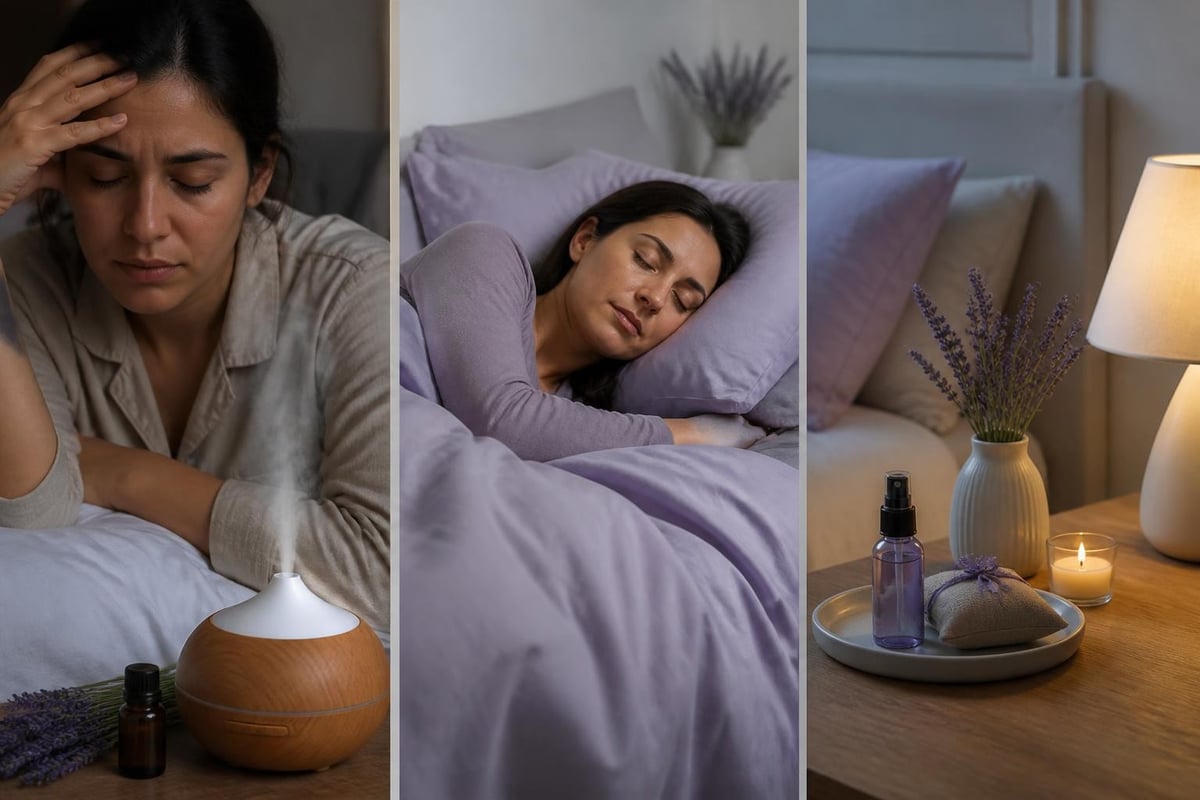
People with irregular schedules or frequent travel face unique sleep challenges. Portable lavender solutions-like travel-sized linen sprays or small sachets-can recreate familiar sleep cues in unfamiliar environments. This consistency helps signal your brain that it's time for rest regardless of time zone or location.
Athletes and travelers particularly benefit from portable laundry solutions that maintain the familiar lavender aromatherapy they associate with quality rest at home.
Commercial Applications: Hotels, Spas, and Wellness Centers
The hospitality industry has recognized lavender for sleep as a competitive differentiator. Hotels and wellness retreats increasingly incorporate lavender aromatherapy into their offerings, understanding that sleep quality directly impacts guest satisfaction and reviews.
Creating Signature Sleep Experiences
Forward-thinking properties develop distinctive sleep programs featuring:
- Lavender-scented welcome amenities
- In-room diffusers with lavender essential oil options
- Bedding laundered with lavender-enhanced detergents
- Turndown services that include pillow refreshment
These multi-touchpoint approaches create memorable experiences that guests associate with exceptional rest. The key is consistency-every element of the sleep environment should reinforce the calming, restorative atmosphere.
Laundromats and commercial laundry operations serving hospitality clients can differentiate their services by offering specialty lavender-scented programs. Commercial-grade laundry products designed for efficiency can incorporate aromatherapy benefits without sacrificing cleaning power or sustainability standards.
Sustainability and Sleep: The Eco-Conscious Approach
As awareness of environmental impact grows, consumers increasingly seek lavender for sleep solutions that align with sustainability values. This intersection of wellness and environmental responsibility shapes purchasing decisions across demographics.
Evaluating Environmental Impact
Consider these factors when choosing lavender sleep products:
- Sourcing: Organic lavender cultivation avoids pesticide residues
- Processing: Steam distillation preserves compound integrity without chemical solvents
- Packaging: Concentrated formulas reduce shipping weight and plastic waste
- Biodegradability: Plant-based carriers break down safely in water systems
Capsule-based laundry systems that combine cleaning, softening, and aromatherapy functions reduce overall product consumption while delivering lavender benefits. Single-dose precision prevents overuse and waste, while water-soluble packaging eliminates plastic bottle disposal.
The future of fabric care increasingly emphasizes efficiency and sustainability without compromising performance-including aromatherapy benefits that support better sleep.
Measuring Your Sleep Improvement
Subjective impression matters, but objective tracking provides clearer insight into whether lavender for sleep genuinely helps your individual situation. Modern sleep tracking tools make this assessment increasingly accessible.
Tracking Methods and Metrics
Sleep diaries: Record bedtime, wake time, perceived quality (1-10 scale), and whether you used lavender aromatherapy. After 2-3 weeks, patterns emerge.
Wearable devices: Fitness trackers and smartwatches estimate sleep stages, duration, and restlessness. Compare metrics before and after introducing lavender interventions.
Partner feedback: Bed partners can report on snoring, movement, and apparent restfulness that you might not consciously notice.
Daytime function: Improved sleep should translate to better focus, energy, and mood. Track these outcomes alongside sleep metrics.
If lavender for sleep produces meaningful improvement in your tracking data, you've identified an effective intervention worth maintaining. If metrics remain unchanged after consistent use for several weeks, other sleep hygiene factors may require attention.
Beyond Sleep: Additional Lavender Benefits
While this article focuses on lavender for sleep, the compound benefits extend to related wellness areas that indirectly support better rest.
Lavender aromatherapy has shown potential for:
- Reducing anxiety and stress throughout the day, creating better conditions for evening relaxation
- Managing pain perception, which often interferes with sleep quality
- Improving mood stability, which correlates with sleep-wake cycle regulation
- Enhancing cognitive performance after restful sleep
These complementary effects create positive feedback loops. Better stress management during waking hours leads to easier sleep onset. Quality sleep improves next-day cognitive function and emotional regulation. This virtuous cycle reinforces the value of incorporating lavender into your daily environment-not just at bedtime.
The cumulative exposure from lavender-scented bedding, clothing, and towels provides ongoing aromatherapy benefits that support overall wellness alongside targeted sleep improvement.
Creating Your Personal Lavender Sleep Protocol
Generic advice helps establish baselines, but optimal results come from personalization. Your ideal lavender for sleep protocol depends on individual sensitivity, preferences, and specific sleep challenges.
Experimentation Framework
Week 1: Establish baseline sleep metrics without lavender interventions. Track quality, duration, and daytime function.
Week 2-3: Introduce one lavender method (such as scented bedding from lavender-enhanced laundry detergent). Maintain all other sleep habits consistently.
Week 4: Assess changes in sleep metrics. If improvement appears, continue this method. If minimal change occurs, try a different delivery system.
Week 5-6: If desired, layer additional lavender interventions (diffuser plus scented bedding, for example). Monitor whether combined approaches enhance results or create diminishing returns.
This systematic approach identifies what works for your unique physiology rather than following one-size-fits-all recommendations. Some individuals respond dramatically to lavender aromatherapy; others experience subtle benefits; a small percentage may not respond noticeably at all.
The investment in discovering your personal response pattern pays ongoing dividends in improved sleep quality and daytime vitality.
Lavender for sleep represents one of the most thoroughly researched natural approaches to improving rest quality, with clinical evidence supporting its effectiveness across diverse populations. From understanding the neurochemical mechanisms behind lavender's sedative properties to implementing practical aromatherapy strategies through scented bedding, multiple pathways exist for harnessing these benefits. Whether you're addressing stress-induced insomnia, seeking to enhance overall sleep hygiene, or creating wellness experiences in commercial settings, lavender offers versatile applications backed by both traditional wisdom and modern science. Laundry Labs brings this aromatherapy potential directly into your sleep environment through eco-friendly, commercial-grade laundry solutions that combine powerful cleaning with calming lavender essential oils-transforming your bedding into a continuous source of sleep-supporting aromatherapy that works throughout the night.