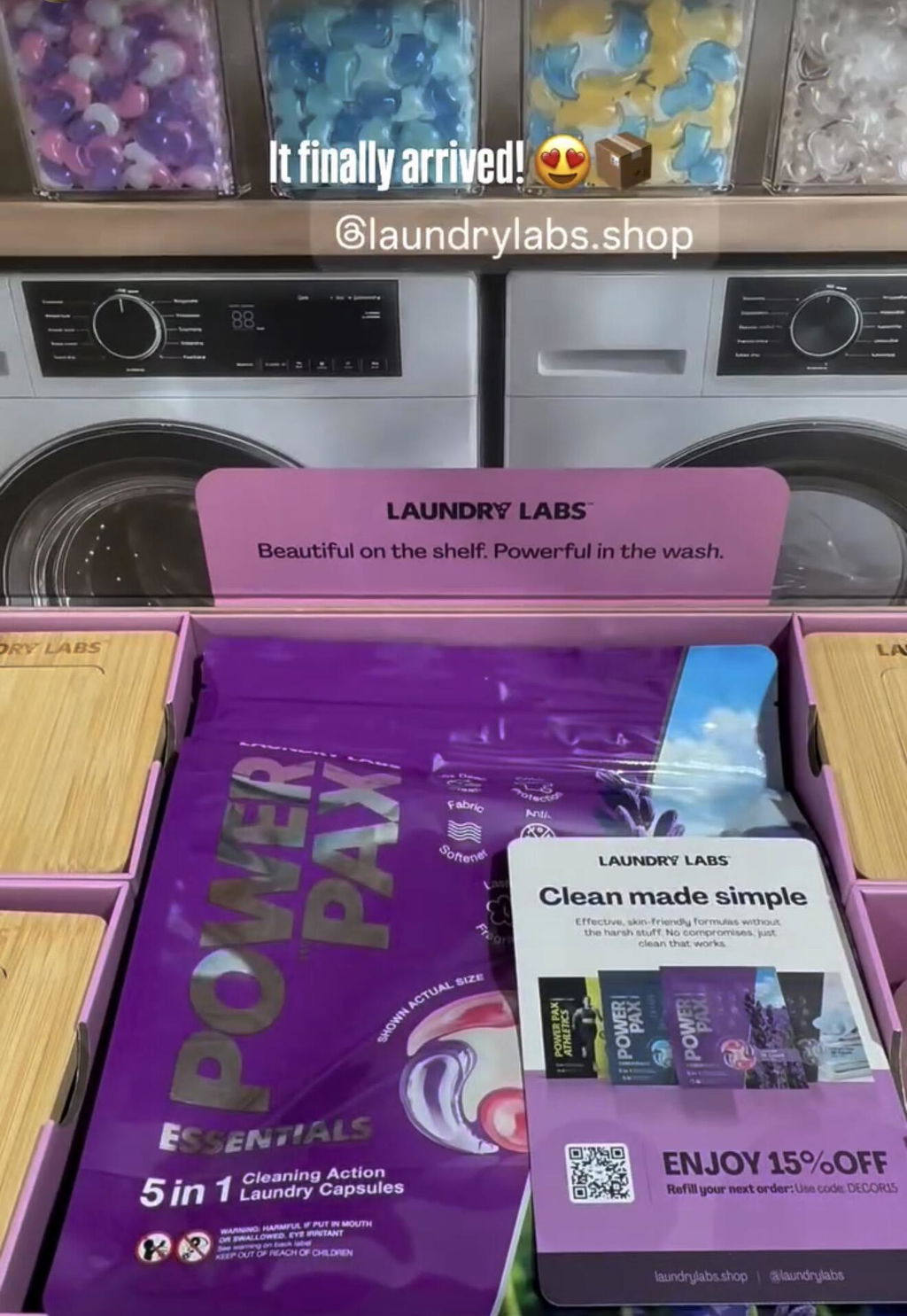
Liquid Detergent Pods: Complete Guide for 2026

The laundry industry has witnessed remarkable innovation over the past decade, with liquid detergent pods emerging as one of the most transformative products in household and commercial cleaning. These convenient, pre-measured capsules have revolutionized how businesses and consumers approach laundry tasks, offering precision dosing and simplified storage in a compact format. As we navigate 2026, understanding the science, benefits, and considerations surrounding these products becomes increasingly important for making informed decisions about laundry operations.
The Science Behind Liquid Detergent Pod Technology
Liquid detergent pods represent sophisticated chemical engineering packaged in a dissolvable film. The outer casing typically consists of polyvinyl alcohol (PVA), a water-soluble polymer that maintains structural integrity during storage but dissolves rapidly when exposed to water during the wash cycle. Understanding how these pods work and their benefits provides valuable context for their widespread adoption.
Multi-Chamber Design and Formulation
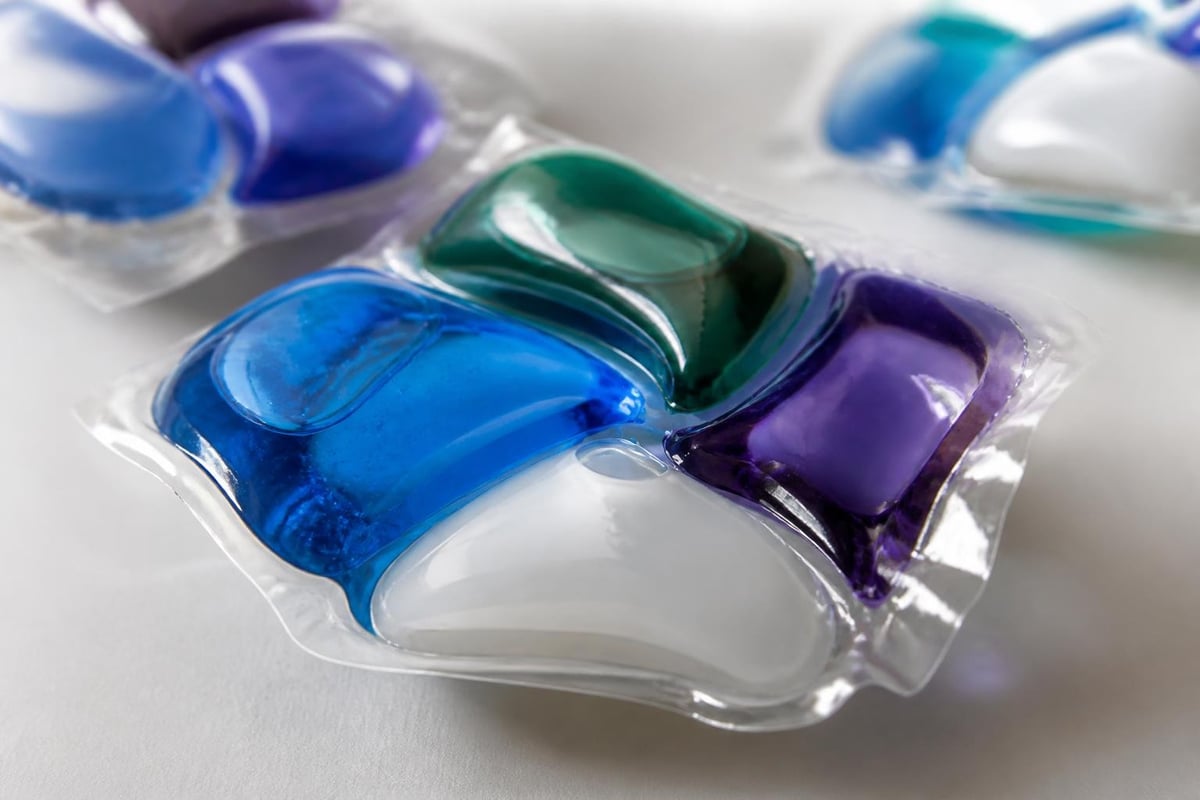
Modern liquid detergent pods utilize multi-chamber technology that separates incompatible ingredients until the washing process begins. This innovation allows manufacturers to combine:
- Concentrated detergents for primary cleaning action
- Enzymes targeting specific stain types
- Brightening agents to enhance fabric appearance
- Surfactants that reduce water surface tension
- Fragrance compounds for fresh-smelling results
The separation of these components prevents premature reactions and maintains formula stability. When the PVA film dissolves, these ingredients release in a controlled sequence, maximizing cleaning efficiency throughout the wash cycle. Commercial-grade formulations have advanced further, incorporating softeners and odor control technologies within single capsules.
Chemical Composition and Performance Factors
The effectiveness of liquid detergent pods depends on precise formulation balance. Manufacturers calibrate surfactant concentrations, pH levels, and enzyme activity to work optimally in various water conditions. Temperature plays a crucial role in dissolution rates, with modern formulations designed to perform in cold water cycles, reducing energy consumption while maintaining cleaning power.
| Component | Function | Performance Impact |
|---|---|---|
| Anionic Surfactants | Primary cleaning | Removes oils and dirt |
| Non-ionic Surfactants | Soil suspension | Prevents redeposition |
| Enzymes (Protease, Amylase) | Stain breakdown | Targets protein and starch |
| Brighteners | Optical enhancement | Improves whiteness |
| Chelating Agents | Water softening | Enhances detergent efficiency |
Commercial Applications and Efficiency Benefits
For commercial laundry operations, liquid detergent pods deliver measurable advantages in workflow optimization and cost control. The pre-measured format eliminates dosing errors that commonly occur with liquid or powder detergents, where operators may overuse or underuse products based on subjective judgment.
Operational Advantages in High-Volume Settings
Commercial facilities processing hundreds of loads daily benefit from the consistency that liquid detergent pods provide. Each capsule delivers identical cleaning power, ensuring uniform results across different operators, shifts, and equipment. This standardization proves particularly valuable in settings where multiple staff members handle laundry responsibilities without specialized training.
Time savings accumulate significantly:
- No measuring or pouring required
- Reduced product handling and transfer
- Simplified inventory tracking by unit count
- Minimized spills and cleanup needs
- Faster training for new employees
The 5-in-1 commercial laundry capsules exemplify this evolution, combining multiple laundry functions in formulations specifically designed for demanding commercial environments. These advanced solutions address the unique challenges faced by athletic facilities, hospitality operations, and healthcare institutions.
Cost Analysis and Return on Investment
While liquid detergent pods typically carry higher per-unit costs compared to traditional bulk detergents, comprehensive cost analysis reveals potential savings in other areas. Reduced product waste, elimination of overdosing, and decreased labor time contribute to overall operational efficiency. Commercial operations should evaluate total cost of ownership rather than focusing solely on product price.
Environmental Considerations and Sustainability
The environmental impact of liquid detergent pods has become a focal point of industry discussion and regulatory attention. The PVA film used in these products raises questions about long-term environmental effects, particularly regarding biodegradation and accumulation in waterways.
PVA Film Biodegradation Debate
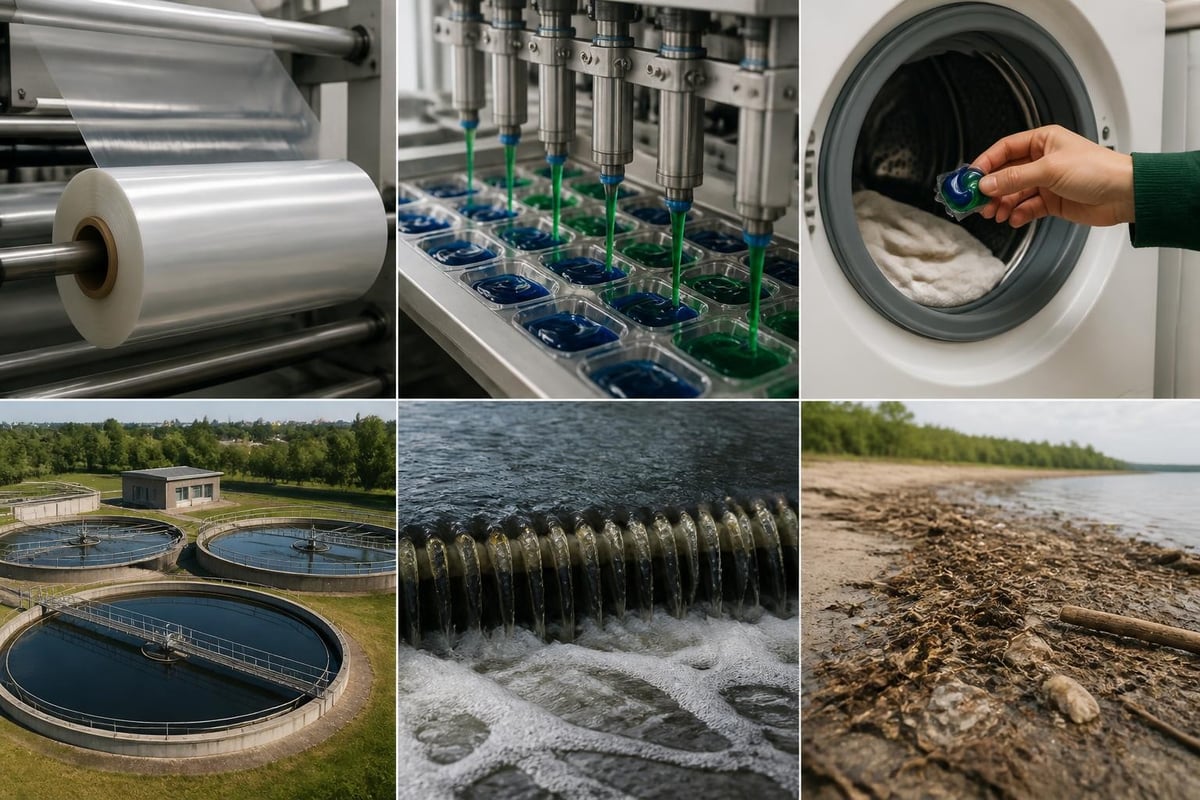
Research on the environmental impact indicates that while PVA is marketed as biodegradable, the rate and completeness of this degradation vary significantly based on environmental conditions. Wastewater treatment facilities may not achieve complete breakdown of PVA materials, potentially allowing them to enter natural water systems.
Studies suggest that up to 75% of plastics from detergent pods may enter the environment, contrasting sharply with industry assurances about safe biodegradation. This discrepancy has prompted calls for more rigorous testing protocols and clearer environmental claims.
Concentrated Formulas and Resource Efficiency
Despite concerns about packaging materials, liquid detergent pods offer environmental advantages through concentration. Traditional liquid detergents contain 50-80% water, requiring larger containers, more transportation fuel, and additional storage space. The concentrated formulations in pods reduce these logistical impacts substantially.
Resource efficiency metrics:
- 60-75% reduction in packaging volume versus liquid bottles
- Lower transportation emissions per wash load
- Decreased warehouse and retail space requirements
- Reduced water usage in manufacturing processes
Companies prioritizing sustainability increasingly focus on developing eco-friendly formulations that minimize harmful chemicals while maintaining cleaning performance. Exploring environmental impact factors helps consumers and businesses make informed choices aligned with their environmental values.
Safety Protocols and Regulatory Compliance
The convenience of liquid detergent pods comes with heightened safety responsibilities, particularly regarding child safety and proper storage. The colorful, compact appearance of these products can attract young children, creating ingestion risks that require proactive prevention measures.
Industry Safety Standards
Regulations governing detergent products have evolved significantly to address pod-specific risks. Current requirements mandate child-resistant packaging, opaque containers, and clear warning labels. Manufacturers must comply with standards set by consumer product safety organizations and chemical regulatory bodies.
Professional settings implementing liquid detergent pods should establish comprehensive safety protocols:
- Storage in locked cabinets away from public access
- Clear labeling of all storage containers
- Staff training on handling procedures
- Immediate cleanup of any spills or damaged pods
- Emergency response plans for accidental exposure
Safety tips for proper handling become essential knowledge for any organization utilizing these products in their operations. Understanding proper procedures protects both employees and customers while ensuring regulatory compliance.
Handling Damaged or Leaking Pods
Compromised liquid detergent pods require careful attention to prevent skin contact with concentrated formulas. The high concentration levels that make pods effective also increase their potential for causing irritation if handled improperly. Staff should use gloves when handling damaged units and dispose of them according to manufacturer guidelines.
Market Trends and Future Developments
The liquid detergent pods market continues expanding as consumer preferences shift toward convenience and precision. Market analysis indicates significant growth in the water-soluble detergent pods sector, driven by urbanization, smaller living spaces, and increasing demand for simplified household tasks.
Innovation in Formulation Technology
The next generation of liquid detergent pods incorporates advanced technologies addressing both performance and environmental concerns. Researchers are developing alternative film materials that offer improved biodegradability while maintaining the protective qualities necessary for product stability. Enzyme technology continues advancing, enabling effective cleaning at lower temperatures and shorter cycle times.
| Innovation Area | Current Development | Expected Impact |
|---|---|---|
| Film Materials | Plant-based polymers | Enhanced biodegradation |
| Cold Water Formulas | Optimized enzyme blends | Energy savings |
| Specialized Treatments | Targeted stain removal | Reduced rewashing |
| Fragrance Technology | Long-lasting scents | Enhanced user satisfaction |
| Hypoallergenic Options | Simplified ingredient lists | Broader accessibility |
Consumer Preference Patterns
Market research reveals distinct preferences across different user segments. Commercial operations prioritize consistency and cost-effectiveness, while residential consumers emphasize convenience and fragrance options. This segmentation drives product development, with manufacturers creating specialized formulations for specific applications.
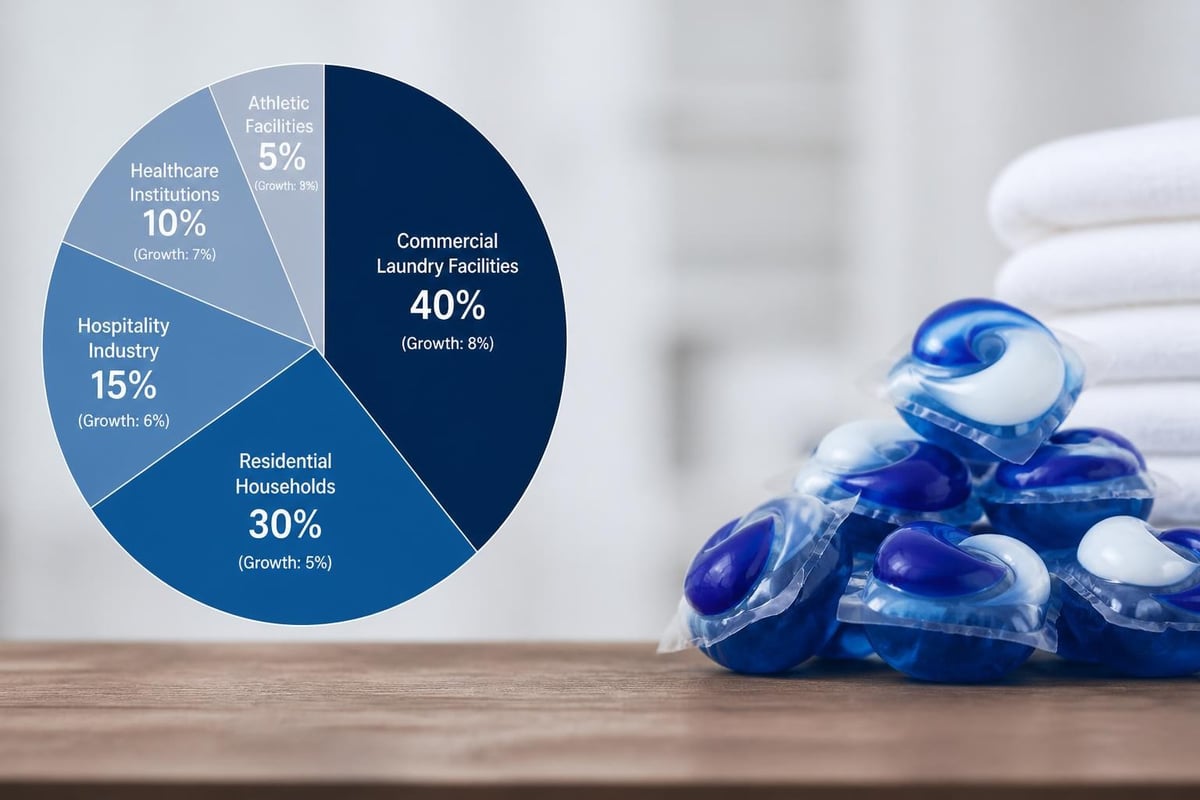
The commercial laundry solutions sector demonstrates particularly strong growth as businesses recognize the operational benefits of standardized dosing and simplified inventory management. Products designed specifically for commercial applications incorporate higher concentrations and specialized additives addressing the unique challenges of high-volume laundry operations.
Selecting the Right Product for Your Needs
Choosing appropriate liquid detergent pods requires evaluating multiple factors beyond basic cleaning capability. Different formulations address specific laundry challenges, from heavily soiled athletic wear to delicate hotel linens requiring gentle treatment.
Formulation Types and Applications
Standard cleaning pods work effectively for general household and commercial laundry with typical soil levels. These formulations balance cleaning power with fabric care, suitable for mixed loads containing various fabric types.
Heavy-duty formulations incorporate enhanced enzyme systems and higher surfactant concentrations for challenging applications. Athletic facilities and industrial laundries benefit from these specialized products designed to tackle stubborn stains and persistent odors.
Sensitive skin options eliminate dyes, fragrances, and harsh chemicals that may trigger allergic reactions. Free and clear varieties provide effective cleaning while minimizing potential irritants, essential for healthcare settings and childcare facilities.
Compatibility Considerations
Modern washing machines, particularly high-efficiency (HE) models, require low-sudsing formulations to function properly. Liquid detergent pods designed for HE machines ensure optimal performance without excessive foam that can interfere with cleaning action or damage equipment. Verify compatibility before purchasing pods for specific machine types.
Water hardness significantly affects detergent performance. Areas with hard water benefit from formulations containing additional chelating agents that prevent mineral deposits and maintain cleaning effectiveness. Conversely, soft water areas may require different formulation balances to achieve optimal results.
Storage and Shelf Life Management
Proper storage practices ensure liquid detergent pods maintain their effectiveness and safety throughout their usable life. Environmental factors including humidity, temperature, and light exposure affect product stability and dissolution characteristics.
Optimal Storage Conditions
Liquid detergent pods should remain in their original containers until use, as these packages provide moisture barriers preventing premature dissolution. Storage areas should maintain:
- Temperature range between 50-80°F
- Relative humidity below 60%
- Protection from direct sunlight
- Separation from incompatible chemicals
- Secure access control in commercial settings
Inventory rotation practices ensure older stock gets used before expiration dates. The "first in, first out" principle prevents waste and maintains consistent product performance. Commercial operations should implement tracking systems monitoring purchase dates and usage rates.
Signs of Product Degradation
Visual inspection helps identify compromised liquid detergent pods before use. Warning signs include:
- Sticky or tacky film surfaces
- Discoloration or fading
- Leaking or damaged packaging
- Hardened or crystallized contents
- Unusual odors
Degraded products may not dissolve properly or deliver expected cleaning performance. Disposing of compromised pods according to local regulations prevents potential issues and ensures safety.
Performance Optimization Strategies
Maximizing the effectiveness of liquid detergent pods requires understanding proper usage techniques and wash cycle selection. While these products offer convenience, optimal results depend on following manufacturer guidelines and matching products to specific laundry needs.
Load Size and Machine Capacity
Overloading washing machines reduces cleaning effectiveness regardless of detergent type. Liquid detergent pods work best when loads allow adequate water circulation and mechanical action. Commercial operations should establish loading guidelines ensuring machines operate at 80-90% capacity for optimal results.
Cycle selection impacts dissolution and distribution:
- Cold water cycles require pods formulated for low-temperature activation
- Quick wash settings may not allow complete dissolution
- Heavily soiled loads benefit from pre-wash or extended cycles
- Delicate settings require gentler formulations
Understanding your specific laundry needs helps select appropriate products and cycles, ensuring consistent results while protecting fabrics and equipment.
Water Temperature Considerations
While modern liquid detergent pods function in cold water, understanding temperature effects optimizes performance. Enzyme activity increases with temperature up to certain thresholds, after which proteins denature and lose effectiveness. Most formulations achieve peak performance between 60-90°F, balancing enzyme activity with energy efficiency.
Cold water washing conserves energy and prevents color fading, but may require longer cycle times or specialized formulations. Hot water enhances sanitization and removes oily soils more effectively, making it preferable for healthcare linens and heavily soiled items despite higher operational costs.
Integration with Broader Laundry Systems
Successful implementation of liquid detergent pods within commercial laundry operations requires consideration of the entire workflow, from receiving and storage through dispensing and quality control. These products represent one component of comprehensive laundry management systems.
Workflow Integration Points
Modern commercial laundry facilities coordinate multiple processes simultaneously. Liquid detergent pods simplify certain aspects while requiring adjustments in others:
| Workflow Stage | Traditional Detergent | Pod-Based System |
|---|---|---|
| Receiving | Bulk containers | Case units |
| Storage | Dedicated dispensing area | Secure dry storage |
| Inventory Tracking | Volume/weight measurement | Unit counting |
| Dispensing | Automated or manual dosing | Manual pod placement |
| Quality Control | Concentration testing | Visual inspection |
The shift to pod-based systems often reduces equipment maintenance associated with liquid dispensing systems while increasing focus on proper handling training. Commercial operators should evaluate these trade-offs when considering system changes.
Staff Training and Standardization
Comprehensive training programs ensure consistent pod usage across shifts and personnel. Key training elements include proper handling techniques, load size matching, storage protocols, and emergency procedures. Standardized processes reduce variability and maintain quality standards regardless of which staff members handle specific loads.
Documentation systems tracking pod usage by load type, machine, and operator enable performance analysis and continuous improvement. Digital tracking platforms increasingly integrate with commercial laundry management software, providing real-time inventory monitoring and usage analytics.
Liquid detergent pods continue evolving as manufacturers address environmental concerns while enhancing performance and safety features. Understanding the science, benefits, and proper implementation strategies enables informed decisions aligned with operational goals and sustainability commitments. Laundry Labs combines cutting-edge capsule technology with eco-conscious formulations, delivering commercial-grade cleaning power that simplifies operations while supporting environmental responsibility. Explore their innovative solutions designed specifically for demanding professional applications.