Liquid Laundry Detergent: The Complete 2026 Guide

The world of fabric care has undergone a remarkable transformation over the past few decades, with liquid laundry detergent emerging as a dominant force in both residential and commercial settings. As we navigate 2026, the industry continues to evolve, driven by consumer demands for sustainability, efficiency, and performance. Understanding the science, benefits, and innovations behind liquid laundry detergent helps businesses and consumers make informed decisions that align with both environmental values and cleaning effectiveness. This comprehensive guide explores the multifaceted world of liquid detergents, from their chemical composition to market trends shaping the future of laundry care.
The Science Behind Liquid Laundry Detergent Formulations
Modern liquid laundry detergent represents a sophisticated blend of surfactants, enzymes, builders, and specialty additives designed to remove soil, stains, and odors while protecting fabric integrity. The liquid format offers distinct advantages over powder alternatives, particularly in solubility and low-temperature washing performance.
Core Components and Their Functions
The primary cleaning agents in liquid laundry detergent are surfactants, which reduce surface tension between water and soil particles. These molecules possess both hydrophilic (water-attracting) and hydrophobic (water-repelling) properties, allowing them to surround and lift dirt from fabric fibers.
Key ingredients typically include:
- Anionic surfactants for heavy soil removal
- Nonionic surfactants for grease and oil dissolution
- Enzymes (proteases, amylases, lipases) targeting specific stain types
- Builders that soften water and enhance cleaning efficacy
- Optical brighteners for whiteness enhancement
- Preservatives to maintain product stability
According to research on biosurfactant-containing liquid laundry detergents, the industry is increasingly incorporating bio-based surfactants to reduce environmental impact while maintaining cleaning performance. This shift reflects broader sustainability trends influencing product development across the sector.

pH Balance and Fabric Protection
Professional formulations carefully control pH levels to balance cleaning power with fabric preservation. Most liquid laundry detergent products maintain a neutral to slightly alkaline pH (7.0-10.5), optimizing enzyme activity while minimizing damage to delicate fibers. This consideration proves especially critical for commercial laundry operations handling diverse fabric types and quality standards.
Environmental Impact and Sustainability Initiatives
The environmental footprint of liquid laundry detergent extends beyond its cleaning performance to encompass manufacturing processes, packaging materials, and post-use water treatment challenges. Industry leaders are responding with innovative formulations that prioritize ecological responsibility without compromising effectiveness.
Reducing Chemical Load
Traditional detergent formulations often contained phosphates, which contributed to aquatic eutrophication when discharged into waterways. Modern products have largely eliminated these compounds, adopting alternative builders such as citrates and zeolites. The National Park Service emphasizes the importance of selecting biodegradable products to minimize environmental impact, particularly in sensitive ecosystems.
Concentration represents another significant sustainability advancement. Ultra-concentrated liquid laundry detergent requires less packaging, reduces transportation emissions, and decreases storage space requirements. These formulations deliver equivalent cleaning power in smaller doses, aligning with consumer preferences for efficient, space-saving products.
| Sustainability Factor | Traditional Formulation | Modern Eco-Formulation | Environmental Benefit |
|---|---|---|---|
| Phosphate Content | 15-30% | 0% | Prevents water eutrophication |
| Concentration Level | Standard (1x) | Ultra (3-5x) | Reduces packaging by 60-80% |
| Biodegradability | 60-70% | 90-95% | Minimizes aquatic toxicity |
| Renewable Ingredients | 10-20% | 40-70% | Lowers carbon footprint |
Microplastic Concerns and Solutions
Recent research has highlighted concerns about microplastics in liquid laundry detergent, particularly from encapsulated fragrances and colorants. Industry publications discuss how manufacturers are addressing this issue through biodegradable encapsulation technologies and natural alternative ingredients. This innovation aligns with regulatory pressures and consumer demand for cleaner formulations.
Commercial Applications and Market Growth
The liquid laundry detergent market continues experiencing robust growth, driven by expanding commercial applications and evolving consumer preferences. Market research projections indicate significant expansion through 2035, fueled by urbanization, rising disposable incomes, and increased awareness of hygiene standards.
Industry Segmentation
Commercial sectors utilizing liquid laundry detergent include:
- Hospitality and lodging facilities
- Healthcare institutions and medical facilities
- Athletic facilities and sports complexes
- Industrial uniform services
- Coin-operated laundromats
- Residential multi-family housing
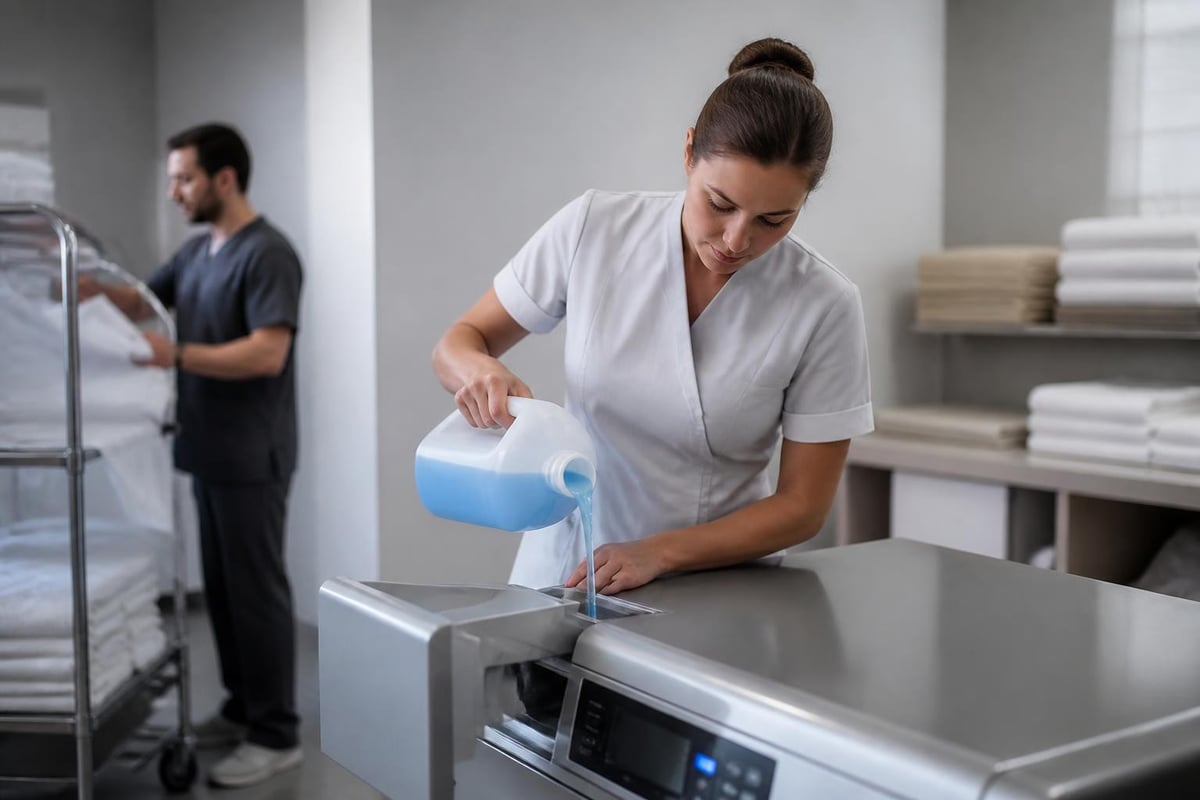
Each segment presents unique requirements regarding cleaning power, fabric compatibility, and cost-effectiveness. For instance, athletic applications demand specialized formulations capable of addressing synthetic fabrics, body oils, and odor-causing bacteria while maintaining garment performance characteristics.
Consumer Preference Trends
Market analysis from Emergen Research reveals shifting consumer priorities that influence product development and marketing strategies. Convenience, sustainability certifications, and multi-functional formulations rank among top purchase drivers in 2026.
The rise of all-in-one solutions reflects consumer desire for simplified laundry routines. Modern liquid laundry detergent products increasingly incorporate fabric softening agents, stain fighters, and odor neutralizers in single formulations. This trend has catalyzed innovation in capsule technologies that pre-measure optimal doses while combining multiple treatment functions.
Performance Optimization and Usage Guidelines
Achieving optimal results with liquid laundry detergent requires understanding proper dosing, water temperature selection, and machine compatibility. Overdosing remains a common issue that wastes product, increases residue risk, and elevates environmental impact.
Dosing Precision
Manufacturers provide usage guidelines based on load size, soil level, and water hardness. However, many consumers use 20-30% more product than necessary, driven by the misconception that more detergent equals cleaner clothes.
Recommended dosing factors:
- Load size: Small (1 tablespoon), medium (2 tablespoons), large (3 tablespoons)
- Soil level: Light (reduce by 25%), normal (standard dose), heavy (increase by 25%)
- Water hardness: Soft (reduce by 15%), moderate (standard), hard (increase by 20%)
High-efficiency (HE) washing machines require specially formulated low-sudsing liquid laundry detergent. Regular formulations produce excessive foam that interferes with mechanical washing action and may leave residue on fabrics. Understanding proper detergent selection ensures compatibility with modern appliance technologies.
Temperature Considerations
Cold water washing has gained popularity due to energy savings and fabric preservation benefits. Modern liquid laundry detergent formulations incorporate enzymes and surfactants engineered to perform effectively at temperatures as low as 60°F (15°C). This capability supports sustainability goals while maintaining cleaning standards.
| Water Temperature | Energy Consumption | Cleaning Effectiveness | Fabric Protection | Best Applications |
|---|---|---|---|---|
| Cold (60-80°F) | Lowest | Good for light soil | Excellent | Delicates, colors, synthetics |
| Warm (90-110°F) | Moderate | Very good for most loads | Good | General washing, mixed fabrics |
| Hot (130-140°F) | Highest | Excellent for sanitization | Fair | Whites, heavily soiled items |
Innovation in Delivery Systems
The evolution from traditional bottles to advanced delivery mechanisms represents a significant chapter in liquid laundry detergent development. These innovations address consumer pain points including mess, overdosing, and storage challenges.
Pre-Measured Solutions
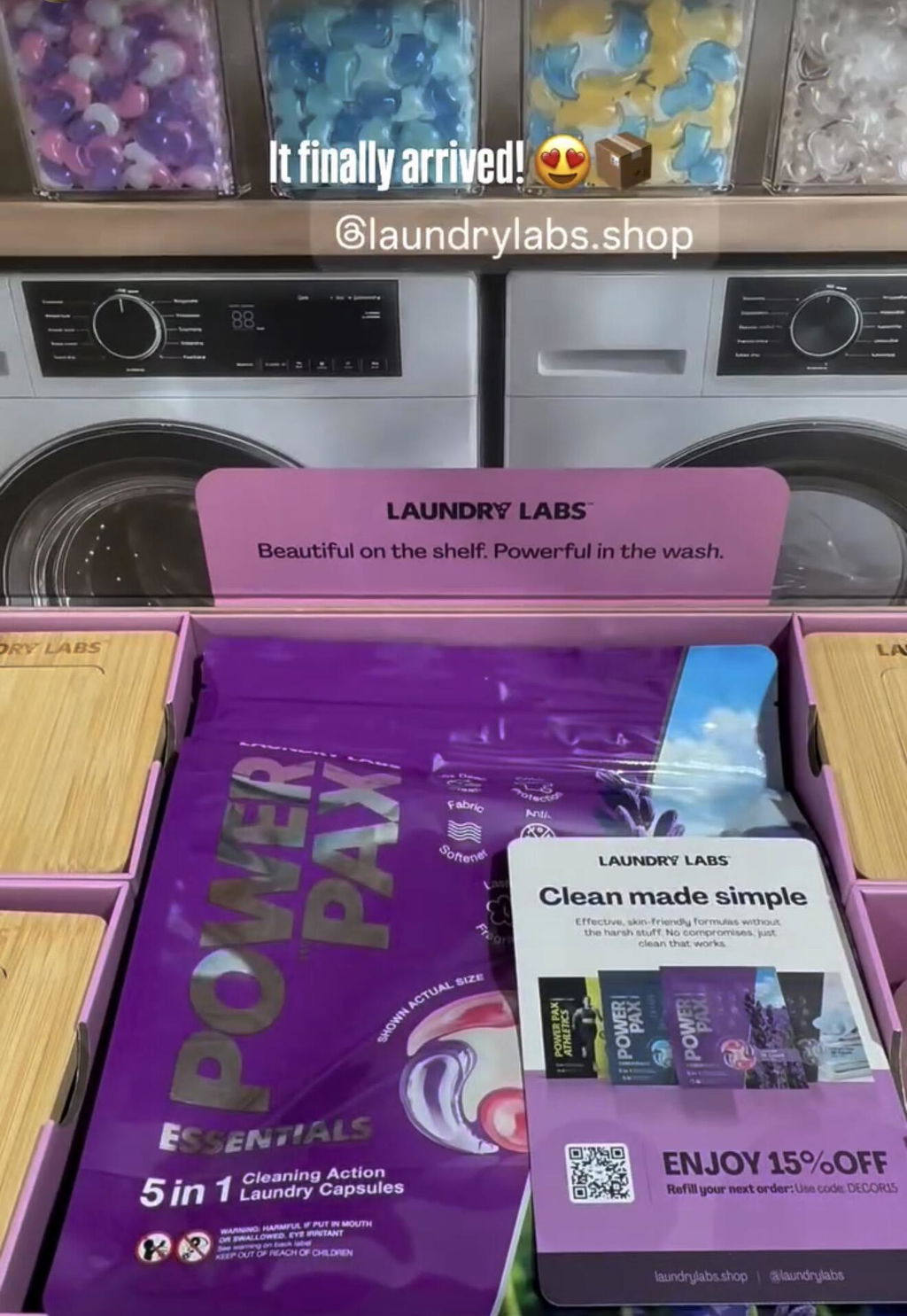
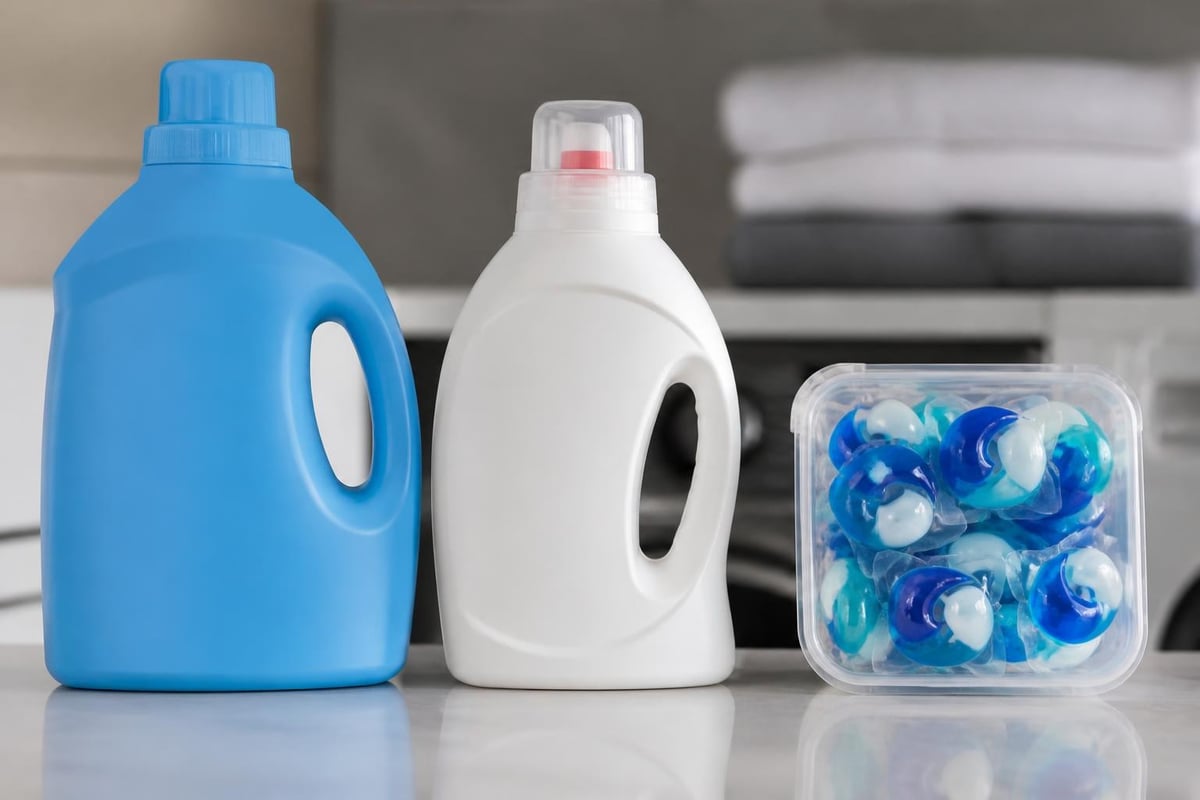
Single-dose pods and capsules have transformed the liquid detergent category since their introduction. These pre-measured units contain concentrated liquid laundry detergent within dissolvable films, eliminating guesswork and reducing waste. The science behind commercial detergent capsules demonstrates how multi-chamber technology enables separation of incompatible ingredients until wash activation.
Advanced formulations now incorporate five distinct functions within single capsules: cleaning agents, fabric softeners, stain treatments, odor eliminators, and brightening compounds. This consolidation appeals to consumers seeking simplified routines and commercial operators managing inventory complexity.
Subscription and Bulk Models
The subscription economy has extended into laundry care, with businesses offering regular deliveries of liquid laundry detergent products tailored to household consumption patterns. This model provides convenience while enabling companies to optimize production schedules and reduce packaging waste through bulk shipments.
Commercial facilities benefit from bulk procurement strategies that lower per-load costs while ensuring consistent supply. Industrial dispensing systems meter precise amounts of concentrated liquid laundry detergent directly into machines, maximizing efficiency and minimizing handling requirements.
Quality Assurance and Performance Testing
Professional-grade liquid laundry detergent undergoes rigorous testing to validate cleaning efficacy, safety, and stability claims. Industry-standard protocols evaluate performance across multiple parameters, ensuring products meet commercial and regulatory requirements.
Standardized Testing Methodologies
Key performance metrics include:
- Soil removal efficiency across fabric types
- Stain-specific performance (protein, tannin, oil-based)
- Color retention and fabric damage assessment
- Whiteness maintenance over repeated wash cycles
- Residue levels post-rinse
- Fragrance longevity and intensity
- pH stability during storage
Third-party certifications provide independent verification of environmental and safety claims. Eco-conscious certifications such as EPA Safer Choice, USDA BioPreferred, and Leaping Bunny demonstrate commitment to transparency and responsible formulation practices.
Allergen Management
Sensitive skin considerations drive development of hypoallergenic liquid laundry detergent formulations. These products eliminate common irritants including synthetic fragrances, dyes, and harsh preservatives while maintaining cleaning performance. Dermatologist testing and hypoallergenic certification provide assurance for consumers with chemical sensitivities or skin conditions.
Formulation Challenges and Solutions
Creating effective liquid laundry detergent involves balancing competing requirements: cleaning power, gentleness, stability, cost, and environmental responsibility. Formulators navigate complex chemistry to deliver products meeting diverse consumer needs.
Stability and Shelf Life
Liquid products face stability challenges that powder formulations avoid. Enzymes may degrade over time, surfactants can separate or cloud, and fragrances may oxidize. Modern formulations employ sophisticated stabilizer systems, controlled pH ranges, and protective packaging to maintain efficacy for 12-24 months under typical storage conditions.
Temperature extremes during shipping and storage can compromise product integrity. Formulators must ensure liquid laundry detergent remains stable across temperature ranges from freezing to 100°F (38°C), maintaining consistent viscosity and preventing ingredient separation.
Cost-Performance Balance
Price sensitivity varies across market segments, requiring manufacturers to develop tiered product lines. Value formulations focus on core cleaning performance at competitive prices, while premium liquid laundry detergent offerings incorporate specialty enzymes, advanced fragrance systems, and eco-certifications justifying higher price points.
Concentration level directly impacts cost-per-load calculations. Ultra-concentrated formulations reduce packaging and shipping costs but require consumer education to prevent overdosing. Clear labeling and measurement guidance help users maximize value from concentrated products.
Future Directions and Emerging Technologies
The liquid laundry detergent industry continues evolving, driven by technological advances, regulatory pressures, and changing consumer expectations. Several trends will shape product development through the coming decade.
Biotechnology Integration
Enzyme engineering enables creation of specialized proteins targeting specific stain types with enhanced performance at lower temperatures. Next-generation liquid laundry detergent formulations will likely incorporate designer enzymes capable of breaking down challenging soils including synthetic polymers and microplastics shed from garments.
Biosurfactants derived from microbial fermentation offer renewable alternatives to petroleum-based cleaning agents. While currently more expensive than conventional surfactants, scaling production and improving efficiency will make bio-based options increasingly cost-competitive.
Smart Formulations and IoT Integration
Connected appliances create opportunities for intelligent dosing systems that communicate with liquid laundry detergent dispensers. These systems could adjust detergent quantity based on load size, fabric type, soil level, and water hardness detected by machine sensors, optimizing cleaning performance while minimizing waste.
Packaging Innovation
Refillable and returnable packaging systems address single-use plastic concerns while reducing consumer costs. Concentrated liquid laundry detergent refills shipped in minimal packaging enable users to reuse durable containers, aligning with circular economy principles gaining traction across consumer products.
Water-soluble packaging films extend beyond pods to larger format containers, eliminating plastic waste entirely. These innovations require careful material selection to ensure adequate barrier properties preventing product degradation while achieving complete dissolution in wash water.
Professional vs. Consumer Formulations
Distinctions between professional-grade and retail liquid laundry detergent reflect differing priorities regarding cost, performance, and application requirements. Understanding these differences helps businesses select appropriate products for their specific needs.
Concentration and Efficacy
Professional formulations typically feature higher active ingredient concentrations, delivering superior cleaning performance per unit volume. This concentration enables lower per-load costs despite higher upfront prices, making commercial products cost-effective for high-volume operations.
Industrial liquid laundry detergent also incorporates specialized additives addressing commercial challenges: heavy soil loads, diverse fabric types, hard water conditions, and sanitization requirements. Safety considerations for commercial applications ensure proper handling, storage, and usage protocols protect workers while maintaining effectiveness.
Understanding liquid laundry detergent technology, environmental considerations, and performance optimization enables informed decisions supporting both operational efficiency and sustainability goals. Whether managing commercial operations or seeking household solutions, the right detergent formulation balances cleaning power with ecological responsibility. Laundry Labs combines cutting-edge capsule technology with eco-friendly ingredients, delivering commercial-grade performance in convenient, sustainable formats designed for modern laundry challenges.