No Fragrance Laundry Detergent: A Complete Guide

The laundry aisle presents an overwhelming array of choices, with most products competing for attention through powerful scents. However, a growing number of consumers are discovering that what you don't smell can matter more than what you do. No fragrance laundry detergent represents a fundamental shift in how we approach clean clothes, prioritizing health and safety over artificial scents. These specialized formulas eliminate synthetic fragrances that can trigger allergic reactions, skin irritation, and respiratory issues while still delivering powerful cleaning performance.
Understanding No Fragrance Laundry Detergent
No fragrance laundry detergent contains zero added fragrances, whether synthetic or natural. This distinction matters significantly because fragrance-free formulations reduce exposure to harmful chemicals that manufacturers are not legally required to disclose.
The term "fragrance" on a product label can represent hundreds of undisclosed chemical compounds. Many of these substances include phthalates, synthetic musks, and volatile organic compounds (VOCs) that pose potential health risks. When you choose fragrance-free options, you eliminate this uncertainty entirely.
The Difference Between Fragrance-Free and Unscented
Many consumers mistakenly believe fragrance-free and unscented products are identical. They are not:
- Fragrance-free: Contains absolutely no added fragrances or masking agents
- Unscented: May contain masking fragrances to neutralize the natural scent of ingredients
- Hypoallergenic: A marketing term with no regulatory standards that may still include fragrances
- Natural fragrance: Still contains fragrance compounds, though derived from natural sources
Understanding these distinctions helps consumers make informed decisions. The difference between these categories affects skin health significantly, particularly for individuals with chemical sensitivities.
Health Benefits of Fragrance-Free Detergent
Switching to no fragrance laundry detergent offers measurable health advantages that extend beyond simple preference. The skin, as the body's largest organ, absorbs chemicals from clothing throughout the day and night.
Reduced Skin Irritation and Allergies
Synthetic fragrances rank among the top five allergens worldwide. Contact dermatitis, eczema flare-ups, and general skin sensitivity often improve dramatically when individuals eliminate fragranced products from their laundry routine.
Research shows that laundry habits significantly impact skin health, with detergent selection playing a crucial role. Fragrance compounds can remain in fabric fibers even after rinsing, creating continuous exposure against the skin.
Common skin reactions from fragranced detergents include:
- Contact dermatitis and rashes
- Eczema exacerbation
- Hives and welts
- Itching and burning sensations
- Dry, flaky skin patches
Respiratory and Neurological Benefits
Beyond skin contact, fragrance chemicals become airborne during washing, drying, and when wearing freshly laundered clothes. These airborne compounds can trigger:
- Asthma attacks in sensitive individuals
- Headaches and migraines from chemical exposure
- Respiratory irritation including coughing and wheezing
- Dizziness and nausea from VOC inhalation
- Cognitive disruption affecting concentration and mood
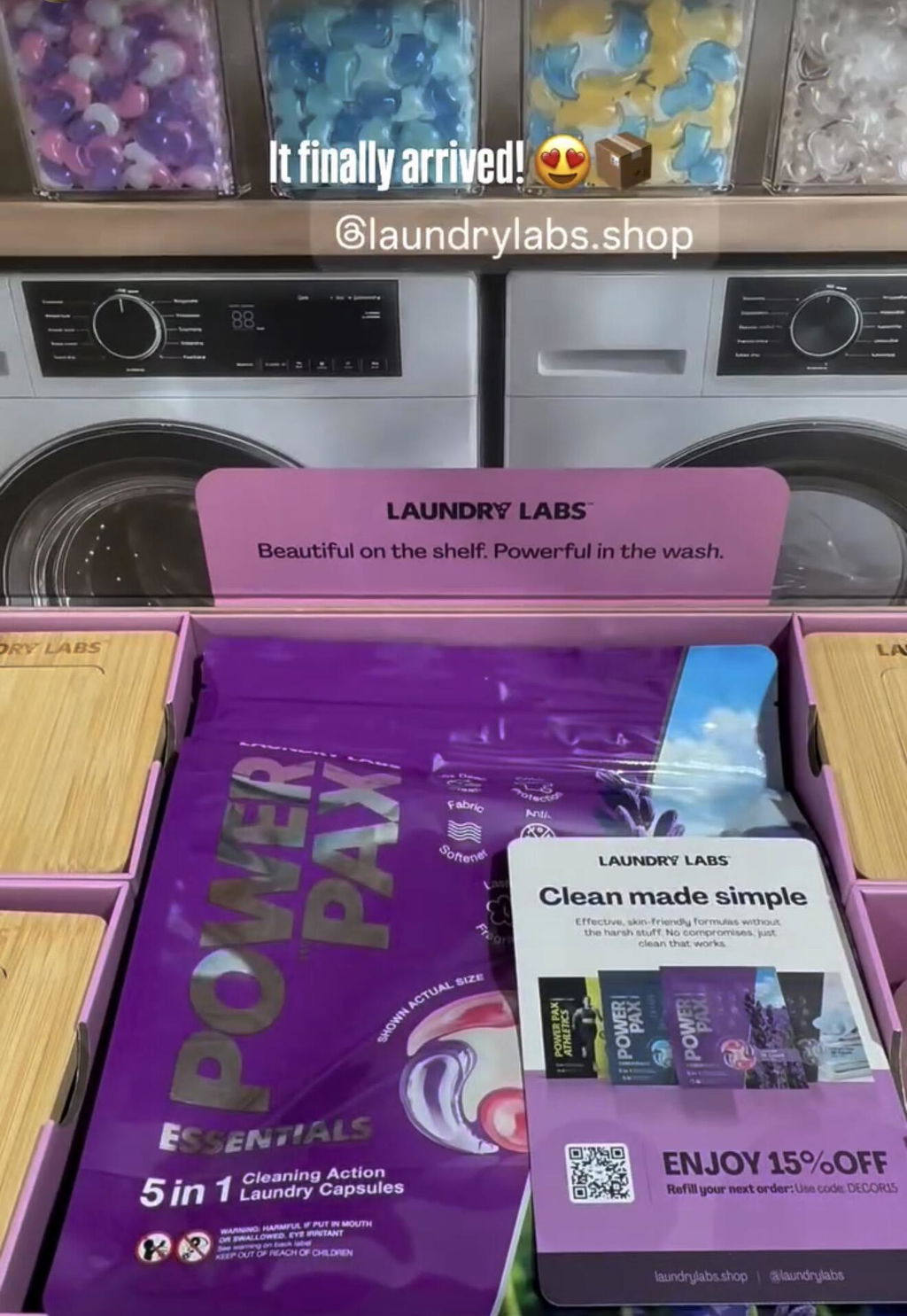
The Laundry Labs Free & Clear capsules demonstrate that powerful cleaning performance doesn't require added fragrances, combining detergent, softener, stain treatment, and odor control without synthetic scents.
Environmental Impact of Fragrance-Free Formulas
No fragrance laundry detergent benefits more than human health. The environmental consequences of synthetic fragrances extend throughout water systems and ecosystems.
Water Quality and Aquatic Life
Fragrance compounds don't fully break down during wastewater treatment. These persistent chemicals enter rivers, lakes, and oceans where they accumulate in aquatic organisms. Studies document fragrance materials in fish tissues, potentially disrupting endocrine systems and reproduction.
| Environmental Concern | Fragranced Detergent | Fragrance-Free Detergent |
|---|---|---|
| VOC emissions | High | Minimal |
| Water contamination | Persistent chemicals | Reduced pollutants |
| Aquatic toxicity | Documented harm | Lower impact |
| Biodegradability | Often poor | Generally superior |
Air Quality Considerations
Indoor air quality suffers when volatile fragrance compounds off-gas from fabrics and during the drying cycle. Fragrance-free options reduce VOC emissions that contribute to indoor air pollution, particularly important in tight, energy-efficient homes with limited ventilation.
Commercial laundry facilities especially benefit from fragrance-free formulations, protecting workers from prolonged chemical exposure while improving air quality for building occupants.

Choosing the Right No Fragrance Laundry Detergent
Selecting an effective no fragrance laundry detergent requires evaluating several factors beyond the absence of scent. Performance, concentration, and additional ingredients all influence cleaning results and value.
Key Selection Criteria
Cleaning power: Fragrance-free doesn't mean weak. Consumer Reports testing shows that many gentle, fragrance-free detergents clean effectively, with some outperforming heavily fragranced competitors.
Ingredient transparency: Look for brands that fully disclose ingredients. Non-toxic formulations prioritize safety through clear labeling and third-party certifications.
Concentration and efficiency: Concentrated formulas reduce packaging waste and shipping emissions while delivering more loads per container. Multi-functional products like those offered by Laundry Labs combine multiple laundry steps into single-dose capsules, streamlining the washing process.
Certifications and Standards to Seek
- EPA Safer Choice: Verified safer chemical ingredients
- Made Safe: Tested for known carcinogens and toxins
- Leaping Bunny: Cruelty-free certification
- USDA Certified Biobased: Renewable, plant-based ingredients
- Hypoallergenic (third-party verified): Independently tested for allergen reduction
Optimal Usage for Best Results
No fragrance laundry detergent performs best when used correctly. Proper dosing and washing techniques maximize cleaning power while protecting fabrics.
Dosing Guidelines
Most consumers use too much detergent, regardless of type. Excess detergent doesn't improve cleaning and can leave residue that attracts dirt and irritates skin.
Proper dosing depends on:
- Water hardness in your area
- Load size and soil level
- Washer type (HE versus standard)
- Detergent concentration
Pre-measured capsules eliminate guesswork, delivering precise dosing every time. The Power Pax formulations provide consistent, optimal amounts for various washing needs.
Water Temperature and Cycle Selection
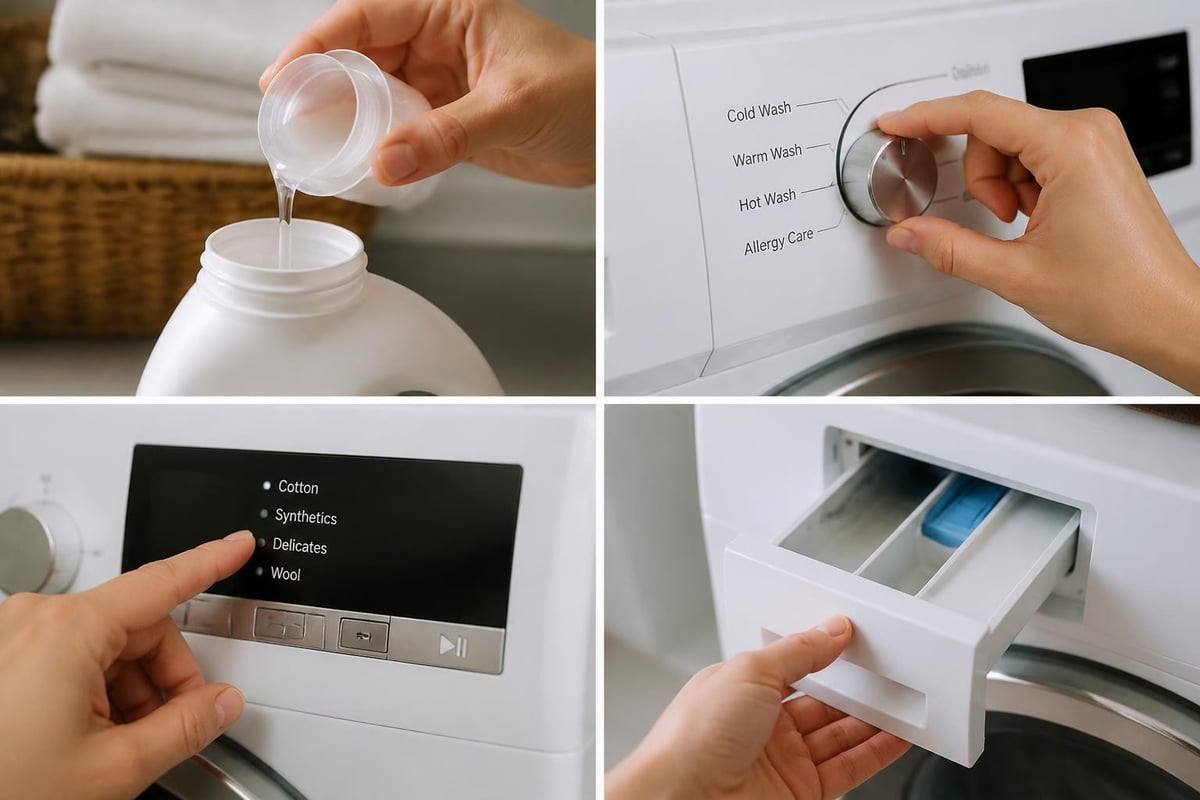
| Fabric Type | Water Temperature | Recommended Cycle |
|---|---|---|
| Whites and linens | Hot (130°F+) | Heavy duty |
| Colors and synthetics | Warm (90°F) | Normal |
| Delicates | Cold (60-80°F) | Gentle/delicate |
| Athletic wear | Cold | Normal or athletic |
Cold water washing conserves energy while modern detergents clean effectively at lower temperatures. No fragrance formulas work particularly well in cold water, as they lack fragrance compounds that sometimes require heat activation.
Special Considerations for Sensitive Skin
People with diagnosed skin conditions or chemical sensitivities should take additional precautions:
- Run an extra rinse cycle to remove all detergent residue
- Avoid fabric softeners, which add unnecessary chemicals
- Wash new clothes before wearing to remove manufacturing chemicals
- Choose breathable, natural fabrics when possible
- Consider dedicated athletic formulas for performance wear that tends to trap odors and bacteria
Commercial and Institutional Applications
No fragrance laundry detergent serves essential functions in commercial settings where diverse populations and health considerations require accommodations.
Healthcare Facilities
Hospitals, nursing homes, and medical clinics must protect immunocompromised patients and staff with chemical sensitivities. Fragrance-free protocols reduce allergic reactions, asthma triggers, and chemical exposure in already vulnerable populations.
Healthcare laundry also demands superior disinfection and stain removal without relying on masking fragrances. Effective fragrance-free formulas prove that clean doesn't need to smell like anything except clean.
Hospitality Industry
Hotels and vacation rentals increasingly offer fragrance-free options as guest expectations evolve. Providing truly fragrance-free linens differentiates properties and accommodates guests with allergies or preferences for unscented products.
The hospitality sector benefits from concentrated, multi-functional formulas that reduce storage needs and simplify inventory management while meeting diverse guest needs.
Laundromat and Multi-Housing Applications
Shared laundry facilities present unique challenges. Strong fragrances from one user's detergent can transfer to subsequent loads, causing problems for sensitive individuals. Coin-operated and card-based systems benefit from pre-portioned products that prevent overuse and maintain consistent cleaning standards.
The Science Behind Fragrance-Free Cleaning
Effective cleaning depends on surfactants, enzymes, and builders, not fragrance. Understanding the science reveals why no fragrance laundry detergent cleans just as effectively as scented alternatives.
How Detergents Clean Without Fragrance
Surfactants reduce water's surface tension, allowing it to penetrate fabric fibers and lift away dirt and oils. Enzymes break down specific stains like proteins, starches, and fats. Builders soften water and enhance surfactant performance.
Essential cleaning components:
- Surfactants: Remove soil and suspend it in wash water
- Enzymes: Target specific stain types (protease, amylase, lipase)
- Builders: Soften water and boost cleaning power
- Stabilizers: Maintain product consistency and enzyme activity
- pH adjusters: Optimize cleaning conditions
None of these functional ingredients require fragrance to work. Understanding laundry science helps consumers recognize that fragrance serves purely cosmetic purposes.
Odor Elimination Versus Masking
Traditional fragranced detergents mask odors rather than eliminating them. This approach leaves odor-causing bacteria and compounds in fabrics, temporarily covered by perfume.
No fragrance laundry detergent tackles odors at their source through:
- Enzymatic breakdown of odor-causing proteins
- Thorough soil and bacteria removal
- pH optimization that inhibits bacterial growth
- Complete rinsing without residue buildup
This approach delivers truly clean laundry that doesn't smell like anything, rather than dirty laundry masked by perfume.
Addressing Common Misconceptions
Several myths persist about no fragrance laundry detergent that deserve clarification based on scientific evidence and real-world performance.
Myth: Fragrance-Free Means Less Effective
Performance testing consistently shows that fragrance provides no cleaning benefit. Many fragrance-free detergents outperform scented competitors in standardized cleaning tests.
Manufacturers invest in effective cleaning ingredients rather than expensive fragrance compounds, often resulting in superior formulas at comparable or lower prices.
Myth: Clothes Will Smell Bad Without Fragrance
Properly cleaned clothes smell fresh and clean without added fragrance. Any residual odor indicates incomplete cleaning or rinsing, not lack of perfume.
The expectation that clean laundry must smell strongly reflects marketing conditioning rather than actual cleanliness. Fresh air and sunshine provide natural freshness without chemicals when line-drying is possible.
Myth: Fragrance-Free Options Are Hard to Find
The market for no fragrance laundry detergent has expanded significantly. Major retailers now stock multiple fragrance-free options, and specialized brands focus exclusively on sensitive-skin formulations.
Online shopping provides even broader selection, with subscription services ensuring consistent supply of preferred products. Laundry Labs offers convenient delivery of fragrance-free capsules designed for both residential and commercial applications.
Cost-Effectiveness and Value Analysis
Budget concerns influence purchasing decisions, but true cost extends beyond price per bottle to include long-term health impacts, environmental consequences, and actual cost per load.
Calculating Real Cost Per Load
| Product Type | Price Point | Loads Per Container | Cost Per Load | Hidden Costs |
|---|---|---|---|---|
| Fragrance-free concentrate | Higher upfront | 96-128 | $0.15-0.25 | Minimal |
| Standard liquid | Moderate | 64-80 | $0.20-0.30 | Health, environmental |
| Fragrance-free capsules | Premium | 36-425 | $0.25-0.40 | None |
| Bargain powder | Lowest | 40-60 | $0.10-0.15 | Residue, inefficiency |
Concentrated and capsule formats often provide better value than initially apparent. Pre-measured doses prevent overuse, a common problem with liquid detergents that can waste 20-30% through incorrect dosing.
Long-Term Health Savings
While difficult to quantify precisely, reducing chemical exposure through no fragrance laundry detergent may decrease healthcare costs associated with:
- Dermatologist visits for skin conditions
- Allergy medications and treatments
- Asthma management and emergency care
- Respiratory medications
These potential savings, combined with environmental benefits, justify premium pricing for truly clean, safe formulations.
Making the Transition to Fragrance-Free
Switching to no fragrance laundry detergent requires minimal adjustment, though some users experience a brief adaptation period as they recalibrate expectations around how "clean" should smell.
Gradual Transition Strategies
For households accustomed to heavily fragranced products, a gradual approach can ease the transition:
- Start with less-intimate items like towels and sheets before transitioning undergarments and sleepwear
- Mix loads using fragrance-free for sensitive family members while others adjust gradually
- Try sample sizes before committing to large quantities
- Educate family members about the health and environmental benefits to build buy-in
The PowerPax Sample Kit allows testing different formulas before selecting a primary option.
Dealing with Lingering Fragrance Residue
Previous detergent fragrances can persist in washing machines and fabrics, requiring active removal:
- Run empty hot water cycles with vinegar to clean the washing machine
- Wash previously fragranced items multiple times with fragrance-free detergent
- Add baking soda to loads to help neutralize residual scents
- Sun-dry items when possible to naturally dissipate chemical residues
Within several weeks of consistent use, fragrance buildup clears and laundry achieves true freshness.
Professional Recommendations and Expert Insights
Healthcare professionals, dermatologists, and environmental scientists increasingly recommend no fragrance laundry detergent as a foundational element of healthy home environments.
Dermatologist Perspectives
Board-certified dermatologists routinely advise patients with eczema, psoriasis, and sensitive skin to eliminate fragranced products. Fragrance-free detergent is better for sensitive skin because it removes a major source of irritation while maintaining effective cleaning.
Many skin conditions improve significantly with this single change, sometimes eliminating the need for prescription medications or expensive treatments.
Environmental Health Experts
Scientists studying indoor air quality and environmental toxicology emphasize fragrance reduction as a high-impact intervention. Unlike some environmental improvements requiring significant investment, switching detergents provides immediate benefits at minimal cost.
The cumulative effect of fragrance-free choices across multiple product categories substantially reduces household chemical burden and environmental impact.
Pediatric Considerations
Infants and children show heightened vulnerability to chemical exposures due to developing systems and greater surface-area-to-body-weight ratios. Pediatricians frequently recommend fragrance-free laundry products for:
- Newborns and infants
- Children with eczema or allergies
- Cloth diaper washing
- Baby bedding and clothing
Starting children with fragrance-free products from birth may reduce sensitization and future chemical sensitivities.
Choosing no fragrance laundry detergent represents a meaningful step toward healthier living and environmental responsibility. The evidence clearly demonstrates that effective cleaning requires no added fragrance, while the benefits of elimination extend to skin health, respiratory wellness, and ecosystem protection. Laundry Labs provides powerful, eco-friendly solutions that prove you don't need to compromise performance when choosing fragrance-free formulations. Their innovative capsule technology delivers commercial-grade cleaning, stain treatment, and odor control in convenient, pre-measured doses designed for efficiency and sustainability.