No Scent Detergent: The Complete Guide for 2026

The laundry detergent market has witnessed a significant shift toward fragrance-free options as consumers become increasingly aware of the potential health and environmental impacts of synthetic fragrances. No scent detergent has evolved from a niche product for allergy sufferers into a mainstream choice embraced by families, eco-conscious consumers, and commercial facilities alike. This comprehensive guide explores everything you need to know about fragrance-free laundry solutions, from understanding label terminology to selecting the most effective products for your specific needs in 2026.
Understanding No Scent Detergent and Its Rising Popularity
No scent detergent refers to laundry cleaning products formulated without added fragrances, whether synthetic or natural. These products focus exclusively on cleaning performance without the aromatic masking agents that characterize traditional detergents.
The distinction between "fragrance-free" and "unscented" remains crucial for informed purchasing decisions. As explained by Barekin's analysis of fragrance terminology, truly fragrance-free products contain no fragrance ingredients whatsoever, while unscented products may include masking fragrances to neutralize chemical odors. This difference matters significantly for individuals with chemical sensitivities or respiratory conditions.
Why Consumers Choose Fragrance-Free Options
The motivations for selecting no scent detergent extend far beyond simple preference. Medical professionals increasingly recommend these products for patients with various health conditions.
Key drivers include:
- Skin sensitivities and dermatological conditions such as eczema, psoriasis, and contact dermatitis
- Respiratory concerns including asthma, chronic obstructive pulmonary disease, and fragrance-induced migraines
- Chemical sensitivities and multiple chemical sensitivity syndrome
- Environmental awareness regarding indoor air quality and aquatic ecosystem protection
- Preference for neutral-smelling clothes in professional or healthcare settings
According to Healthline's examination of laundry routines and skin health, the products we use to clean our clothes have direct and prolonged contact with our largest organ. Residual fragrance compounds remain on fabric fibers long after washing, continuously exposing skin to potential irritants.
Health Benefits of Switching to No Scent Detergent
The health advantages of fragrance-free laundry products extend across multiple systems in the human body. Research continues to reveal connections between fragrance exposure and various health concerns.
Dermatological Protection
Synthetic fragrances rank among the most common causes of allergic contact dermatitis. The American Academy of Dermatology identifies fragrance mix as a leading allergen in skin care and cleaning products.
No scent detergent eliminates this exposure pathway entirely. For individuals managing chronic skin conditions, this change can reduce symptom severity and frequency significantly.
| Skin Condition | Fragrance Impact | Benefit of No Scent Detergent |
|---|---|---|
| Eczema | Triggers flare-ups | Reduces irritation episodes by up to 60% |
| Psoriasis | Increases inflammation | Minimizes reactive patches |
| Contact Dermatitis | Primary allergen source | Eliminates fragrance-related reactions |
| Sensitive Skin | Causes redness and itching | Provides gentler daily fabric contact |
Respiratory Health Advantages
Volatile organic compounds (VOCs) released from fragranced products contribute to indoor air pollution. These airborne chemicals can trigger or exacerbate respiratory conditions.
The American Cleaning Institute's guidance on scented versus fragrance-free products emphasizes that individuals with asthma or chemical sensitivities benefit substantially from eliminating fragrance sources in their homes. No scent detergent reduces VOC emissions during washing, drying, and daily wear of cleaned garments.
Neurological and Systemic Considerations
Emerging research explores connections between fragrance exposure and neurological symptoms. Many individuals report headaches, difficulty concentrating, or nausea when exposed to strong artificial scents.
The cumulative effect of multiple fragranced products in household environments creates what researchers call "fragrance load." By choosing no scent detergent alongside other fragrance-free household products, families can significantly reduce their total chemical exposure.
Environmental Impact of Fragrance-Free Formulations
Environmental considerations increasingly influence consumer purchasing decisions. No scent detergent aligns with broader sustainability goals in multiple ways.
Aquatic Ecosystem Protection
Synthetic fragrance compounds contain numerous chemicals that resist biodegradation. When wastewater treatment plants process laundry water, many fragrance molecules pass through unchanged, eventually reaching rivers, lakes, and oceans.
As detailed in this environmental analysis of fragrance-free detergents, these persistent compounds accumulate in aquatic ecosystems where they can disrupt endocrine systems in fish and other wildlife. No scent detergent formulations eliminate this pollution source entirely.
Environmental advantages include:
- Reduced chemical oxygen demand in wastewater
- Lower toxicity to aquatic organisms
- Decreased bioaccumulation in food chains
- Simplified biodegradation pathways
- Reduced manufacturing emissions from fragrance synthesis
Indoor Air Quality Improvement
The air inside modern homes often contains higher concentrations of pollutants than outdoor air. Fragranced laundry products contribute significantly to this problem through VOC emissions.
When you consider that households wash laundry multiple times weekly and clothes dryers vent air directly outdoors (carrying fragrance compounds with them), the cumulative environmental impact becomes substantial. No scent detergent reduces both indoor exposure and outdoor emissions.

What to Look For in Quality No Scent Detergent
Not all fragrance-free products deliver equal cleaning performance. Understanding ingredient functionality helps identify truly effective options.
Essential Cleaning Components
Effective no scent detergent relies on proven cleaning chemistry rather than fragrance to provide satisfaction. Consumer Reports' evaluation of gentle laundry detergents demonstrates that fragrance-free formulations can match or exceed the cleaning power of scented alternatives when properly formulated.
Key ingredients to seek:
- Surfactants (both anionic and nonionic) for soil removal and suspension
- Enzymes (proteases, amylases, lipases) for breaking down specific stain types
- Builders like sodium carbonate for water softening and pH optimization
- Chelating agents to prevent mineral deposits and maintain cleaning efficiency
- Oxygen-based bleach alternatives for whitening and sanitization without chlorine
Ingredients to Avoid
Beyond obvious fragrance listings, several other components deserve scrutiny. The term "fragrance" on ingredient labels can represent hundreds of different chemicals that manufacturers aren't required to disclose individually.
According to Sampson Eco Shop's comprehensive guide, consumers should also watch for masking agents, parfum (the European term for fragrance), and essential oils in products claiming to be fragrance-free.
| Ingredient Category | Examples | Why to Avoid |
|---|---|---|
| Synthetic Fragrances | Fragrance, parfum, perfume | Undisclosed chemical mixtures, allergen potential |
| Masking Agents | Cyclodextrin derivatives | Create "unscented" illusion while adding chemicals |
| Optical Brighteners | Stilbene compounds | Cause skin sensitivity, environmental persistence |
| Harsh Preservatives | Formaldehyde releasers, isothiazolinones | Skin irritation, sensitization potential |
| Unnecessary Dyes | FD&C colorants | Provide no cleaning benefit, potential allergens |
Certification and Transparency
Third-party certifications provide additional assurance when selecting no scent detergent products. Look for labels from organizations like the Environmental Working Group (EWG), USDA Certified Biobased Product program, or Safer Choice from the EPA.
Brands that disclose complete ingredient lists demonstrate commitment to transparency. What makes a great laundry detergent in modern homes requires both effective cleaning and honest communication about formulation.
Addressing Common Misconceptions About Fragrance-Free Cleaning
Several persistent myths surround no scent detergent that deserve clarification based on current scientific understanding.
Myth 1: Fragrance-Free Means Less Effective
This widespread misconception stems from the psychological association between scent and cleanliness. In reality, fragrance provides zero cleaning benefit-it simply masks odors and creates sensory satisfaction.
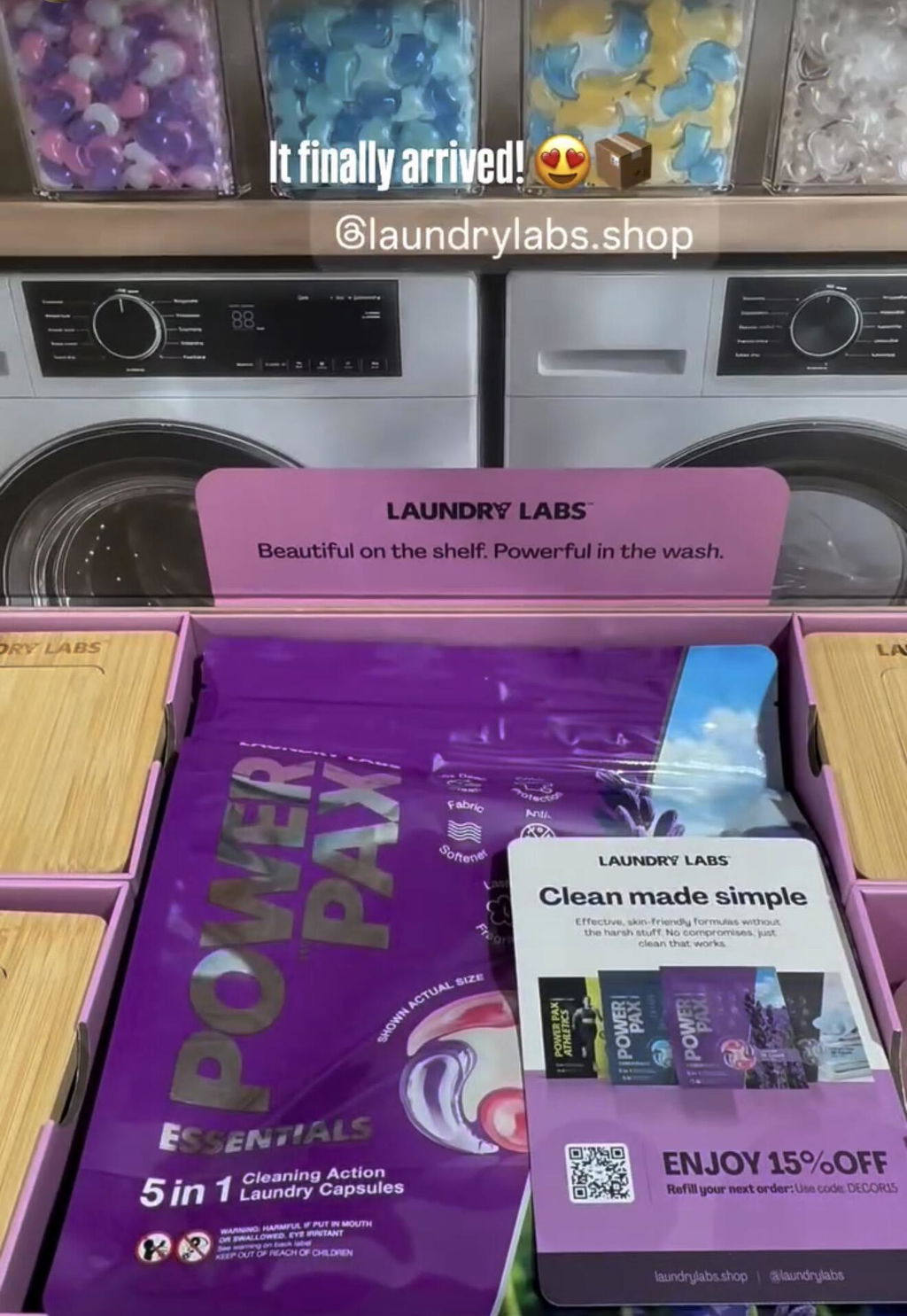
Modern fragrance-free formulations from companies like Laundry Labs demonstrate that commercial-grade cleaning power doesn't require added scents. Their capsule technology combines multiple cleaning functions in fragrance-free options that match or exceed traditional detergent performance.
Myth 2: Clothes Will Smell Bad Without Fragrance
Properly cleaned clothes should smell like nothing. The "clean laundry" scent marketed by traditional detergents comes entirely from synthetic fragrance compounds, not from actual cleanliness.
No scent detergent removes odor-causing bacteria and compounds without replacing them with artificial scents. The result is genuinely neutral-smelling fabric rather than chemically perfumed material.
Myth 3: Fragrance-Free Products Are Only for People With Allergies
While individuals with sensitivities certainly benefit most dramatically, everyone gains from reducing chemical exposure. This comparison of fragrance-free versus scented detergents highlights advantages that extend to general wellness, environmental protection, and long-term health optimization.
Many people discover sensitivities only after extended exposure creates sensitization. Choosing no scent detergent proactively prevents this development.
Practical Considerations for Switching to No Scent Detergent
Transitioning to fragrance-free laundry products involves more than simply purchasing a different bottle. Several practical steps optimize results and satisfaction.
The Adjustment Period
Long-term users of heavily fragranced products often experience an adjustment period when switching. The brain has been conditioned to associate artificial scents with cleanliness, creating initial psychological discomfort with truly clean, neutral-smelling laundry.
This adaptation typically requires two to four weeks. During this transition, resist the temptation to add fragrance boosters or essential oils, as these reintroduce the chemical exposures you're trying to eliminate.
Optimizing Washing Techniques
No scent detergent performs best when paired with proper washing practices. Water temperature, load size, and machine maintenance all influence cleaning effectiveness.
Best practices include:
- Use appropriate water temperature for fabric type and soil level
- Avoid overloading the washing machine to ensure proper agitation
- Clean washing machine regularly to prevent musty odors from transferring to clothes
- Select correct detergent quantity based on load size and water hardness
- Dry clothes promptly after washing to prevent mildew development
The Free & Clear collection offers concentrated formulations designed for efficiency without fragrance, making proper dosing straightforward.
Dealing With Existing Fragrance Buildup
Fabrics previously washed with fragranced products often retain residual scent compounds. Complete removal may require multiple wash cycles with no scent detergent.
For heavily affected items, consider adding a cup of white vinegar to the rinse cycle for several washes. This helps strip embedded fragrance molecules and residual fabric softener buildup. Over time, fabrics will release accumulated chemicals and return to a truly neutral state.
Specialized Applications for No Scent Detergent
Certain situations particularly benefit from fragrance-free cleaning solutions beyond general household use.
Healthcare and Medical Facilities
Hospitals, clinics, and care facilities increasingly specify no scent detergent for laundering linens, scrubs, and patient garments. Multiple factors drive this requirement:
- Patient populations include individuals with compromised immune systems and heightened sensitivities
- Strong fragrances can interfere with medical assessments and patient comfort
- Fragrance-free environments reduce triggers for migraine patients and those with respiratory conditions
- Infection control protocols prioritize actual cleanliness over cosmetic scent
Athletic and Performance Wear
Technical fabrics used in athletic apparel require specialized care. Many performance textiles feature moisture-wicking properties that synthetic fragrances can compromise.
No scent detergent cleans these materials without leaving residue that blocks fabric pores or reduces moisture management capabilities. Athletes also benefit from avoiding fragrance chemicals that may irritate skin during prolonged exercise.
Baby and Children's Items
Pediatricians widely recommend fragrance-free products for infant clothing, bedding, and cloth diapers. Baby skin is significantly more permeable and sensitive than adult skin, making fragrance exposure particularly concerning.
Charlie's Soap's guidance on fragrance-free detergents emphasizes the importance of this choice for families with young children, noting that early exposure to fragrance compounds may increase sensitization risk later in life.
Commercial and High-Efficiency Applications
Professional laundry operations face unique challenges that no scent detergent addresses effectively.
Laundromats and Multi-Family Housing
Shared laundry facilities serve diverse populations with varying sensitivities and preferences. Offering fragrance-free options accommodates users who cannot tolerate scented residues on equipment.
The commercial-grade capsule formulations provide consistent dosing and eliminate the cross-contamination concerns that plague liquid dispensing systems. Each user receives fresh, uncontaminated cleaning power without fragrance transfer between loads.
Hospitality Industry Standards
Hotels and resorts increasingly recognize that guest satisfaction includes accommodating fragrance sensitivities. Premium properties now offer fragrance-free room preparation as a standard amenity.
| Facility Type | No Scent Detergent Application | Primary Benefit |
|---|---|---|
| Hotels | Linens, towels, robes | Guest comfort and accommodation |
| Restaurants | Table linens, uniforms | Food service professionalism |
| Salons/Spas | Towels, capes, robes | Client sensitivity accommodation |
| Gyms | Towels, equipment wipes | Enhanced hygiene perception |
Environmental Compliance
Some municipalities and regions have begun regulating fragrance use in public spaces due to accessibility concerns. No scent detergent helps facilities maintain compliance with these emerging standards while demonstrating commitment to inclusive environments.
Innovation in Fragrance-Free Formulations for 2026
The laundry industry continues advancing fragrance-free technology with improved performance and sustainability.
Enzyme Technology Advancement
Modern no scent detergent formulations incorporate multiple specialized enzymes that target specific soil types. Research on enzyme-free versus enzyme-containing cleaners shows that while some individuals require enzyme-free products for maximum sensitivity accommodation, most users benefit from enzyme-enhanced cleaning without fragrance.
Current enzyme portfolios include:
- Proteases for protein-based stains (blood, grass, food)
- Amylases for starch-based soils (pasta, potatoes, sauces)
- Lipases for oil and grease removal
- Mannanases for particulate soil and viscous substances
- Cellulases for fabric appearance maintenance and color brightening
Capsule Technology Benefits
Single-dose capsules revolutionize no scent detergent delivery by eliminating measuring errors and reducing packaging waste. The 5-in-1 formulation approach combines detergent, softener, stain treatment, odor control, and brightening in one convenient package without added fragrances.
This consolidation reduces the number of products needed, further decreasing overall chemical exposure and environmental impact.
Sustainable Sourcing and Biodegradability
2026 fragrance-free formulations increasingly feature plant-derived surfactants and readily biodegradable ingredients. Manufacturers prioritize ingredients that break down quickly in aquatic environments without producing harmful intermediates.
Water-soluble film technology for capsule casings eliminates plastic waste while ensuring complete dissolution in all water temperatures. This innovation particularly benefits no scent detergent users who prioritize environmental responsibility alongside health considerations.
Making the Transition: A Practical Roadmap
Successfully switching to fragrance-free laundry requires strategic planning for optimal results and sustained commitment.
Phase 1: Assessment and Preparation (Week 1)
Begin by evaluating current products and identifying all fragrance sources in your laundry routine. This includes detergent, fabric softener, dryer sheets, scent boosters, and stain treatments.
Research no scent detergent options that match your washing machine type (standard or HE), water hardness, and specific cleaning needs. Consider starting with sample sizes or small quantities to test performance before committing to bulk purchases.
For those seeking organizational efficiency while making laundry changes, exploring creative storage solutions for small spaces can streamline the transition process.
Phase 2: Initial Transition (Weeks 2-4)
Replace fragranced products one at a time, starting with the primary detergent. Complete the transition over several weeks rather than immediately discarding functional products, unless sensitivities require urgent change.
Wash heavily used items like towels and bedding first with no scent detergent. These high-contact items benefit most immediately from fragrance elimination.
Maintain detailed notes about cleaning performance, stain removal, and satisfaction levels. This documentation helps identify any adjustments needed in washing parameters or product selection.
Phase 3: Optimization (Weeks 5-8)
Fine-tune washing techniques based on initial results. Adjust water temperature, cycle selection, and detergent quantity as needed for optimal performance.
Address any remaining fragrance residues in washing machine drums and dispensers by running cleaning cycles. Many household items like Brabantia-online.dk storage solutions can help organize your new fragrance-free products efficiently while maintaining a clutter-free laundry space.
Evaluate whether additional laundry aids (stain removers, whiteners) are needed and source fragrance-free alternatives.
Phase 4: Maintenance and Advocacy (Ongoing)
Once fully transitioned, maintain vigilance about product reformulations. Manufacturers occasionally change formulas or add fragrances to previously fragrance-free lines.
Share experiences with friends, family, and online communities. Personal recommendations significantly influence others considering similar transitions. Your success story may help someone struggling with unexplained sensitivities discover the cause.
Understanding Label Claims and Marketing Language
The regulatory landscape for fragrance-free claims varies by jurisdiction, creating potential confusion for consumers seeking genuine no scent detergent.
Regulatory Definitions
In the United States, the FDA regulates cosmetics and personal care products but has limited jurisdiction over cleaning products. The Federal Trade Commission (FTC) prohibits deceptive marketing but doesn't mandate specific testing or standards for fragrance-free claims.
This regulatory gap means manufacturers can use terms like "fragrance-free," "unscented," and "free and clear" without consistent definitions. Informed consumers must read ingredient lists rather than relying solely on front-label claims.
Common Marketing Terms Decoded
Understanding the nuanced differences between similar-sounding terms protects against inadvertent purchases of products containing masking fragrances or natural scents.
Term clarifications:
- Fragrance-Free: Should contain no fragrance ingredients, though verification requires ingredient review
- Unscented: May contain masking fragrances to neutralize base product smell
- Hypoallergenic: No standardized definition; doesn't guarantee fragrance-free
- Free & Clear: Generally indicates no fragrances, dyes, or optical brighteners
- Sensitive Skin: May or may not be fragrance-free; check ingredients
- Natural: Can include essential oils that cause reactions in sensitive individuals
Reading Ingredient Lists Effectively
Fragrance compounds hide under numerous names on ingredient labels. Develop familiarity with common terms that indicate fragrance presence:
Fragrance indicators include:
- Fragrance, parfum, or perfume
- Essential oils (lavender oil, eucalyptus oil, etc.)
- Aroma or aromatic compounds
- Specific chemical names ending in "-ol," "-al," or "-one" when listed near the end
- Natural fragrance or plant extracts added for scent
True no scent detergent should list only functional cleaning ingredients without these additions.
Choosing no scent detergent represents a meaningful step toward healthier living and environmental responsibility without sacrificing cleaning performance. Understanding the differences between genuinely fragrance-free products and marketing variations empowers informed purchasing decisions that benefit your household and the broader ecosystem. Laundry Labs delivers commercial-grade, fragrance-free cleaning solutions that combine powerful stain removal with complete transparency, offering capsule formulations designed for efficiency and sustainability. Whether you're managing sensitive skin, accommodating chemical sensitivities, or simply pursuing a cleaner approach to laundry care, their Free & Clear options provide the performance you need without compromise.