Soap Detergent: The Complete Guide for 2026

The laundry industry has undergone remarkable transformation over the past century, with soap detergent emerging as one of the most essential household products worldwide. Understanding the science, formulation, and environmental impact of these cleaning agents helps consumers make informed decisions about their laundry routines. Whether you're managing a commercial laundromat, running an athletic facility, or simply looking to optimize your home washing practices, the right soap detergent can dramatically improve cleaning performance while reducing environmental footprint.
Understanding Soap Detergent Chemistry
The distinction between soap and detergent is more than semantic. Traditional soap is made from natural fats and oils combined with an alkali, creating a product that has served humanity for thousands of years. Detergents, however, are synthetic surfactants engineered to overcome soap's limitations, particularly in hard water conditions.
The Molecular Structure
Soap detergent molecules contain both hydrophobic (water-repelling) and hydrophilic (water-attracting) components. This dual nature allows them to surround dirt particles and suspend them in water for removal during the rinse cycle.
Key components include:
- Surfactants that reduce water surface tension
- Builders that soften water and boost cleaning power
- Enzymes that break down protein-based stains
- Optical brighteners that enhance fabric appearance
- Fragrance compounds that provide lasting freshness
When selecting formulations for commercial or residential use, understanding these components helps predict performance outcomes. The science behind laundry fragrance plays a crucial role in customer satisfaction, particularly for businesses offering laundry services.
Types of Soap Detergent Formulations
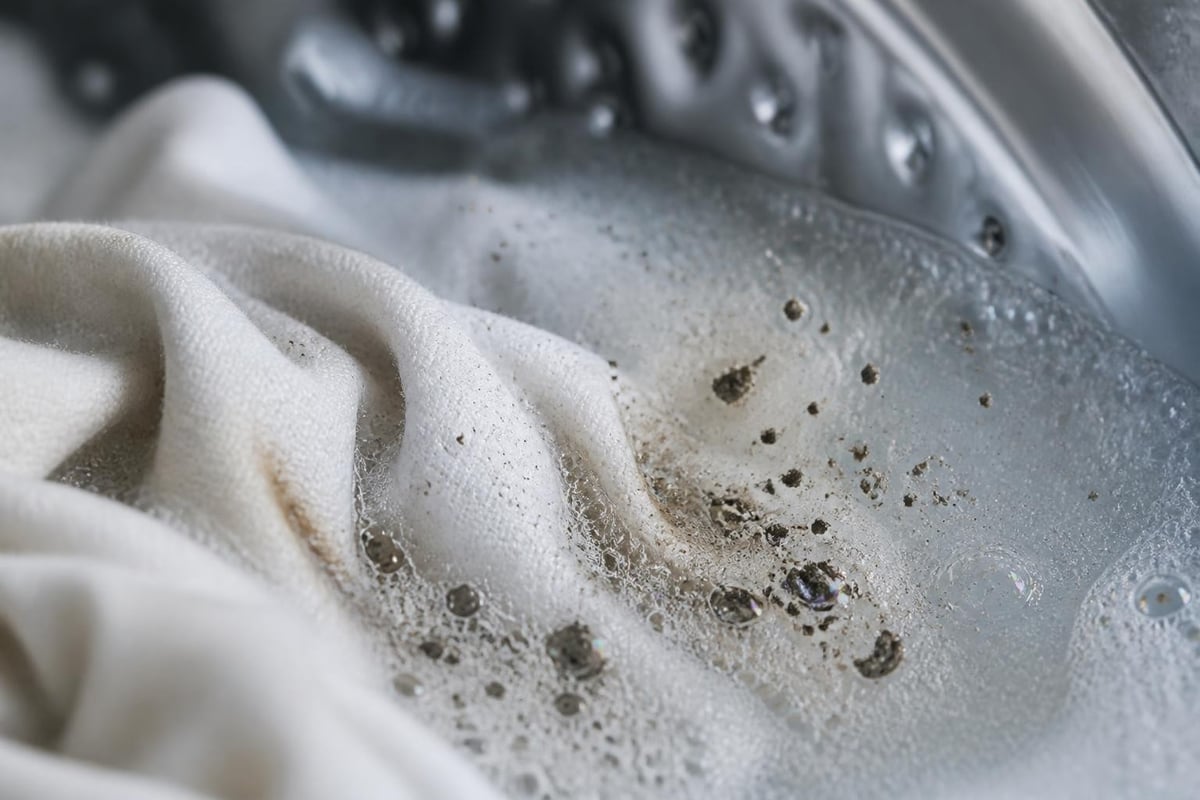
The market offers numerous soap detergent formats, each designed for specific applications and user preferences. Choosing the right type impacts cleaning effectiveness, storage requirements, and operational efficiency.
Powder Versus Liquid Versus Capsules
| Format | Advantages | Best Applications | Storage Considerations |
|---|---|---|---|
| Powder | Cost-effective, long shelf life, excellent for hard water | Bulk laundry, commercial facilities | Requires dry conditions, can clump |
| Liquid | Pre-dissolved, works in cold water, precise dosing | Front-loading machines, delicate fabrics | Heavier to transport, can separate |
| Capsules | Convenient, pre-measured, combines multiple functions | Travel, vending machines, residential | Compact storage, moisture-sensitive |
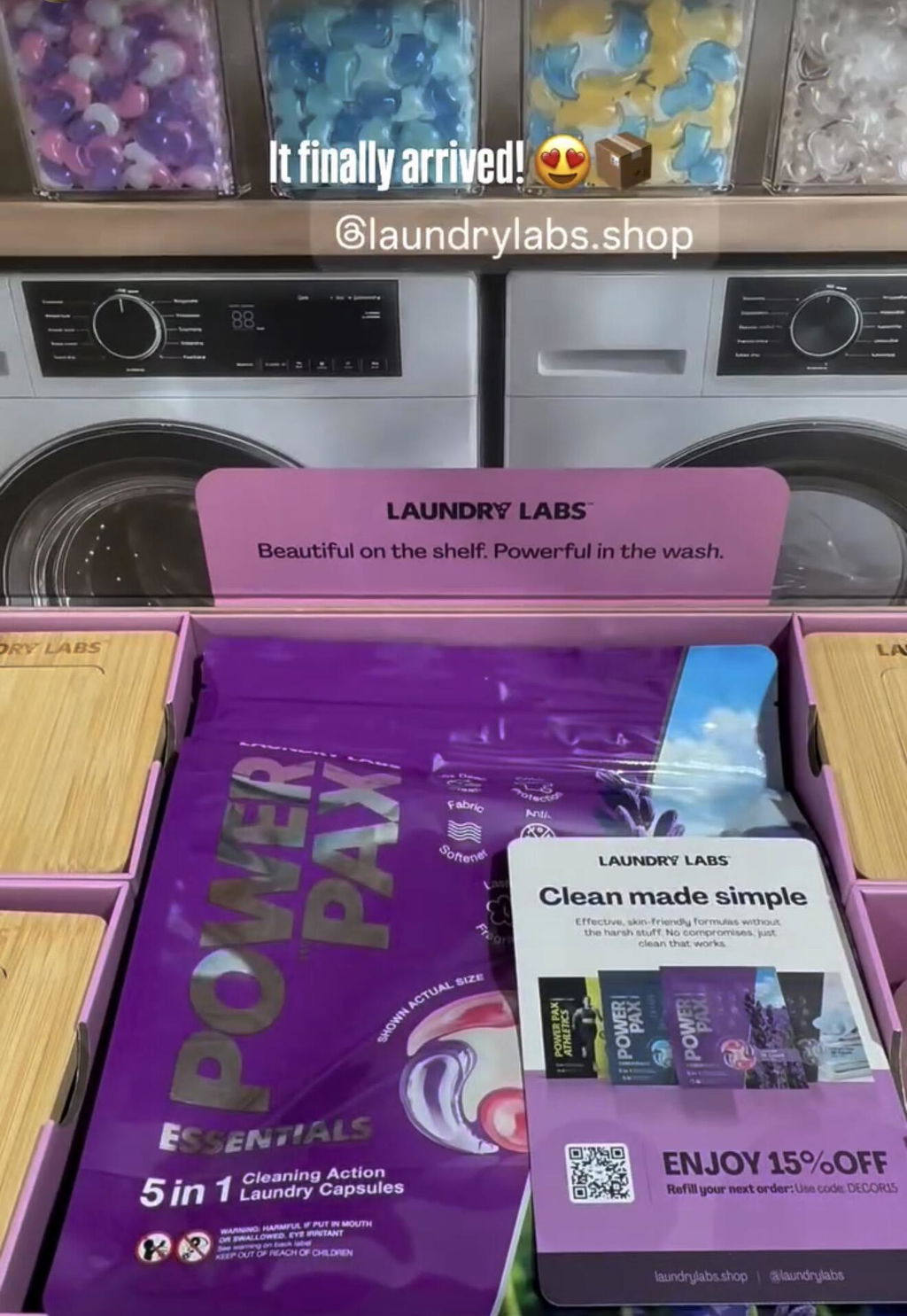
Modern capsule formulations represent the latest innovation, combining detergent, softener, stain treatment, and odor control in a single dose. This technology addresses the most common complaint about traditional soap detergent: the complexity of measuring and combining multiple products.
Concentrated Formulas
Concentration levels have increased dramatically over the past decade. Modern soap detergent formulations deliver equivalent or superior cleaning power using significantly less product per load. This trend aligns with both environmental sustainability goals and consumer desire for compact storage solutions.
High-efficiency (HE) formulas produce fewer suds while maintaining cleaning performance. These formulations are essential for front-loading washers and newer top-loading machines designed for water conservation.
Environmental Impact and Sustainability
The environmental footprint of soap detergent extends from manufacturing through disposal. Regulatory bodies have long monitored this industry, with comprehensive guidelines for soap and detergent manufacturing established decades ago and continuously updated.
Phosphate-Free Formulations
Phosphates were once common builders in soap detergent, but their contribution to water eutrophication led to widespread bans. Modern formulations use alternative builders like zeolites, citrates, and polycarboxylates that provide effective water softening without environmental harm.
Environmental considerations include:
- Biodegradability of surfactants and additives
- Packaging materials and reduction strategies
- Manufacturing energy consumption
- Transportation carbon footprint
- Water usage during production and application
Companies focusing on sustainability have developed plant-based surfactants derived from coconut oil, palm kernel oil, and other renewable sources. These ingredients perform comparably to petroleum-based alternatives while offering superior biodegradability.
Households seeking eco-conscious options should look for third-party certifications that verify environmental claims. Legitimate certifications require independent testing and ongoing compliance monitoring.

Performance Optimization for Different Applications
Not all soap detergent formulations perform equally across different scenarios. Temperature, water hardness, soil types, and fabric characteristics all influence cleaning outcomes.
Athletic and Performance Fabrics
Athletic wear presents unique challenges. Synthetic materials like polyester and spandex trap odor-causing bacteria within their fiber structure. Standard soap detergent may clean visible dirt but fail to eliminate embedded odors.
Specialized formulations for athletic performance fabrics incorporate enzymes specifically targeting protein-based soils and bacterial residue. These products work at lower temperatures, preserving the elastic properties of technical fabrics while delivering superior freshness.
Commercial Laundromat Operations
Commercial facilities require soap detergent that delivers consistent results across diverse load types while controlling operational costs. Bulk purchasing, accurate dispensing systems, and reliable performance matter more than convenience features valued in residential markets.
Modern vending solutions allow laundromats to offer premium soap detergent options while maintaining profitability. Subscription models have emerged as popular alternatives, providing customers with regular supplies while ensuring recurring revenue for operators.
Sensitive Skin Formulations
Approximately 20% of consumers report skin sensitivity to standard soap detergent formulations. Free-and-clear versions eliminate fragrances, dyes, and potential allergens while maintaining cleaning effectiveness.
These formulations rely on hypoallergenic surfactants and avoid common irritants like preservatives MIT and MCIT. Despite simplified ingredient lists, performance testing demonstrates comparable cleaning power to traditional products.
Stain Removal Technology
The effectiveness of soap detergent against specific stain types depends heavily on enzyme selection and concentration. Different enzymes target different soil categories.
Enzyme Categories and Applications
| Enzyme Type | Target Stains | Optimal Temperature | Effectiveness Rating |
|---|---|---|---|
| Proteases | Blood, grass, egg | 40-60°C | Excellent |
| Amylases | Starches, sauces | 30-60°C | Very Good |
| Lipases | Oils, grease, butter | 30-40°C | Excellent |
| Cellulases | Fabric pilling, color brightness | 30-50°C | Good |
| Mannanases | Food gums, thickeners | 30-60°C | Very Good |
Modern soap detergent formulations often combine multiple enzyme types to address the full spectrum of household stains. The synergistic effect of enzyme combinations exceeds the performance of individual enzymes used separately.
Removing set-in stains requires either prolonged enzyme exposure or specialized pre-treatment products. Professional-grade formulations incorporate higher enzyme concentrations than typical retail products, delivering superior results on challenging soils.
Water Temperature and Efficiency
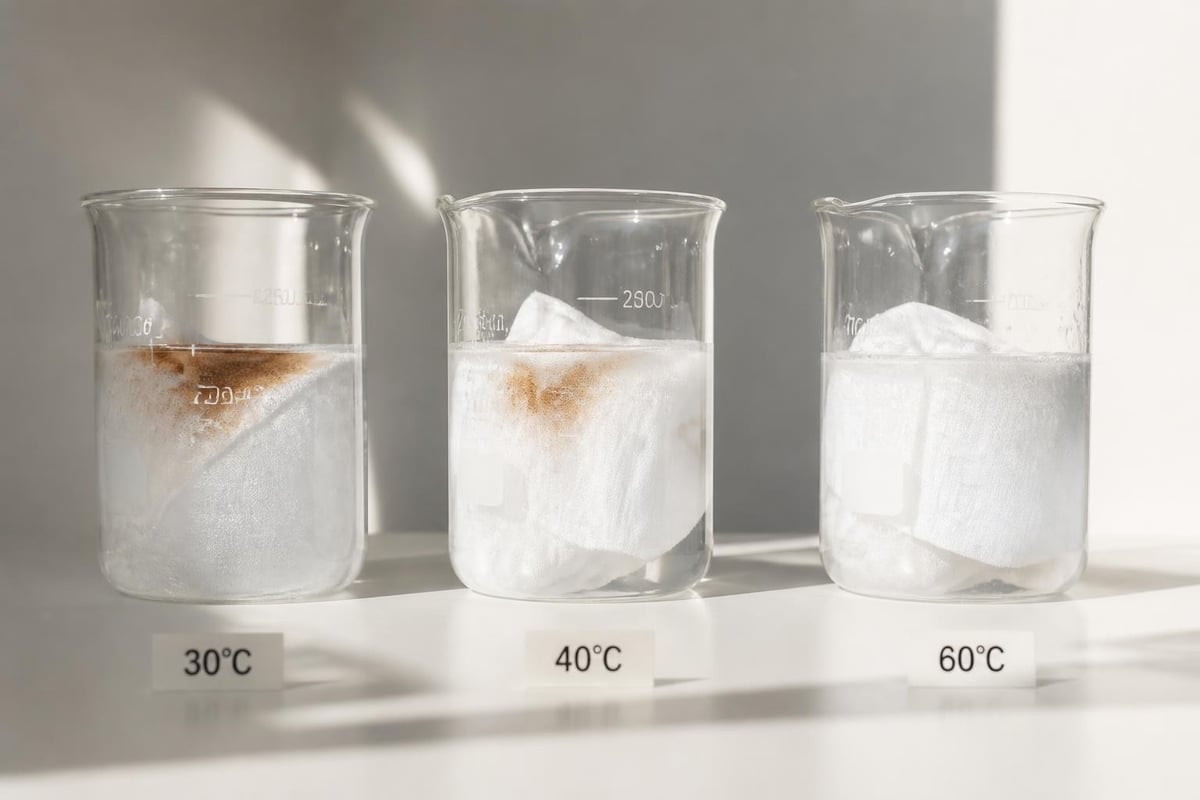
The relationship between water temperature and soap detergent performance has evolved significantly. Historical recommendations called for hot water to activate cleaning agents, but modern formulations work effectively in cold water.
Cold water washing offers multiple benefits. Energy consumption drops dramatically when heating elements remain inactive. Fabric wear decreases because heat degrades fibers over time. Color retention improves as hot water accelerates dye bleeding.
Temperature guidelines for different soil levels:
- Light soils: Cold water (15-30°C) with any quality soap detergent
- Moderate soils: Warm water (30-40°C) for faster cleaning
- Heavy soils: Hot water (50-60°C) for maximum enzyme activity
- Sanitization: Very hot water (60°C+) or special sanitizing additives
Energy-efficient washing doesn't require performance compromises when using properly formulated soap detergent. Advanced surfactant technology enables complete soil suspension and removal at lower temperatures.
Dosing Accuracy and Product Waste
Overdosing represents one of the most common mistakes in laundry care. Consumers often believe more soap detergent delivers better cleaning, but excess product creates problems rather than solutions.
Problems With Overdosing
Excessive soap detergent leaves residue on fabrics, attracting dirt and causing gradual buildup. This residue feels stiff, appears dull, and can irritate sensitive skin. Washing machines suffer as well, with residue accumulating in dispensers, drain lines, and drum seals.
Pre-measured solutions eliminate guesswork. Single-dose capsules ensure consistent results while preventing waste. PowerPax formulations demonstrate how innovative packaging addresses this challenge while incorporating multiple fabric care functions.
Hard Water Adjustments
Water hardness significantly affects soap detergent requirements. Hard water contains dissolved minerals that react with surfactants, reducing cleaning effectiveness. Users in hard water areas need either water softening systems or increased detergent doses to compensate.
Testing water hardness helps optimize soap detergent usage. Simple test strips reveal mineral content, allowing users to adjust doses appropriately. Some advanced formulations include extra builders specifically designed for hard water performance.
Commercial-Grade Formulations
Professional laundry operations demand soap detergent that delivers consistent results across hundreds or thousands of loads daily. Commercial formulations differ substantially from retail products in concentration, stability, and performance requirements.
Industrial Strength Applications
Healthcare facilities, hospitality operations, and food service establishments require specialized soap detergent formulations that meet stringent hygiene standards. These products often incorporate sanitizing agents, higher enzyme concentrations, and aggressive stain fighters.
Regulatory compliance varies by industry and jurisdiction. Healthcare facilities must use EPA-registered sanitizing products for certain applications. Food service operations follow FDA guidelines for linen sanitation. Understanding these requirements ensures appropriate product selection.
Cost-Per-Load Analysis
While commercial soap detergent costs more per unit, higher concentrations often deliver lower cost per load. Bulk purchasing, concentrated formats, and optimized dispensing systems reduce total laundry expenses while improving outcomes.
| Product Type | Container Size | Loads Per Container | Cost Per Load | Annual Cost (500 loads) |
|---|---|---|---|---|
| Retail Liquid | 100 oz | 64 loads | $0.25 | $125 |
| Retail Pods | 76 count | 76 loads | $0.33 | $165 |
| Commercial Concentrate | 1 gallon | 256 loads | $0.16 | $80 |
| Premium Capsules | 200 count | 200 loads | $0.28 | $140 |
Accurate dispensing systems maximize value from concentrated soap detergent while ensuring consistent performance. Modern facilities use automated systems that adjust doses based on load size, soil level, and water characteristics.
Fragrance Technology and Consumer Preferences
Scent significantly influences consumer satisfaction with soap detergent products. Modern fragrance technology delivers lasting freshness through encapsulation and controlled release mechanisms.
Microencapsulated fragrances protect scent compounds during the wash cycle, releasing them gradually during wear. This technology explains why some products deliver noticeable freshness days or weeks after washing.
However, fragrance-free options have gained market share as consumers become more aware of potential sensitivities. Quality free and clear formulations prove that effective cleaning doesn't require added fragrances.
Storage and Shelf Life
Proper storage extends soap detergent effectiveness and prevents degradation. Different formats have varying stability requirements and shelf life expectations.
Powder formulations remain stable for years when stored in dry conditions. Moisture exposure causes clumping and can trigger premature enzyme activation. Sealed containers in climate-controlled environments ensure maximum longevity.
Liquid soap detergent has shorter shelf life, typically 12-18 months. Separation, discoloration, or odor changes indicate degradation. Freezing can permanently alter liquid formulations, so temperature-controlled storage matters in cold climates.
Capsules require protection from humidity. Exposure to moisture dissolves the outer film prematurely, creating messy residue and product loss. Individual wrapping or moisture-resistant containers extend usability.
Innovation and Future Trends
The soap detergent industry continues evolving, driven by sustainability concerns, performance demands, and consumer convenience expectations. Several trends are reshaping product development and market offerings.
Sustainable Packaging Solutions
Single-use plastic reduction has become a priority. Concentrated refills, recyclable materials, and biodegradable packaging represent growth areas. Some brands have introduced home solutions that minimize packaging waste while maintaining convenience.
Packaging innovation extends beyond materials to include functionality. Households incorporating quality products from retailers like Brabantia-online.dk recognize that thoughtful design enhances daily routines while supporting sustainability goals.
Customization and Personalization
Advanced dispensing technology enables personalized soap detergent formulations based on specific needs. Commercial systems can adjust surfactant types, enzyme blends, and additive concentrations for individual customers or load types.
This trend toward customization reflects broader consumer expectations for products tailored to unique circumstances rather than one-size-fits-all solutions.
Subscription and Delivery Models
Automated replenishment services ensure consumers never run out of soap detergent while providing businesses with predictable revenue. Subscription advantages include consistent supply, potential cost savings, and reduced shopping effort.
Choosing the Right Soap Detergent
Selection criteria vary based on application, priorities, and constraints. A systematic approach helps identify optimal products for specific situations.
Key decision factors:
- Water hardness and temperature preferences
- Fabric types and care requirements
- Stain removal needs and soil levels
- Environmental and health considerations
- Convenience versus cost priorities
- Storage and handling capabilities
Testing multiple soap detergent options under real-world conditions provides practical performance data. Many suppliers offer sample sizes or trial programs that allow evaluation before committing to bulk purchases.
Professional evaluations should include cleaning effectiveness testing, cost-per-load calculations, user satisfaction surveys, and environmental impact assessments. Comprehensive product lines enable side-by-side comparisons across different formulation types.
Regulatory Compliance and Safety
Soap detergent manufacturing and labeling face extensive regulatory oversight designed to protect consumers and the environment. Understanding these requirements helps businesses and consumers make informed decisions.
Safety data sheets (SDS) provide detailed information about product composition, hazards, and handling procedures. Commercial facilities must maintain current SDS documentation for all cleaning chemicals, including soap detergent products.
Child-resistant packaging requirements apply to certain formats, particularly single-dose capsules that children might mistake for candy. Proper storage in locked cabinets or high shelves prevents accidental exposure.
Ingredient disclosure rules vary by jurisdiction but generally require listing components above certain concentration thresholds. Transparency in formulation builds consumer trust and enables informed choices for individuals with specific sensitivities or preferences.
Selecting the right soap detergent requires balancing cleaning performance, environmental responsibility, cost efficiency, and convenience across diverse applications. Modern formulations deliver exceptional results while addressing sustainability concerns that matter to today's conscious consumers. Laundry Labs simplifies this decision with powerful, eco-friendly solutions that combine detergent, softener, stain treatment, and odor control in innovative capsule formats designed for maximum efficiency and minimal environmental impact.