Sunscreen Stains: Prevention and Removal Guide

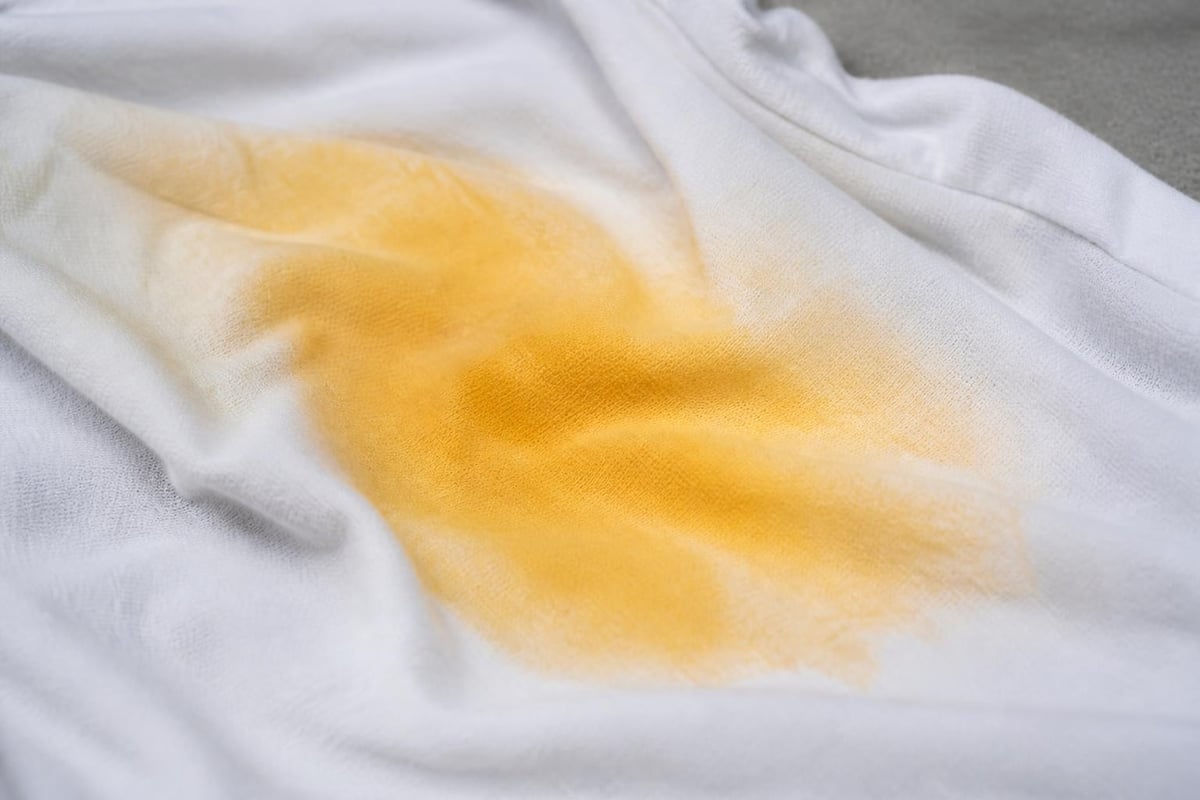
Summer brings sunshine, outdoor activities, and the essential need for sun protection. However, one of the most frustrating consequences of applying sunscreen is the stubborn yellow or orange staining it leaves on clothing, swimwear, and upholstery. These unsightly marks can ruin favorite garments and require specific treatment approaches to effectively remove.
Understanding why sunscreen stains occur and how to address them properly ensures your fabrics stay pristine throughout the sunny season and beyond.
Understanding Why Sunscreen Creates Stubborn Stains
The primary culprits behind sunscreen stains are chemical ingredients designed to protect skin from harmful UV rays. Avobenzone, a common UV-blocking agent found in many formulations, reacts with iron in hard water to create rust-colored marks on fabric. This chemical reaction intensifies when exposed to heat from dryers or direct sunlight, setting the stain deeper into fibers.
Physical sunscreens containing zinc oxide and titanium dioxide present their own challenges. These mineral-based ingredients create white residue that embeds into fabric weaves, particularly in textured materials like towels and athletic wear. The oily carriers used to spread these minerals across skin also contribute to staining by attracting dirt and other substances that compound the discoloration.
The Science Behind Color Changes
Different sunscreen formulations produce varying stain colors based on their active ingredients and how they interact with fabric and environmental factors:
- Yellow-orange stains: Typically caused by avobenzone reacting with minerals in water
- Brown or rust-colored marks: Result from iron oxide interactions combined with heat exposure
- White residue: Created by physical blockers like zinc oxide and titanium dioxide
- Greasy spots: Oil-based carriers that penetrate fabric fibers
Understanding these variations helps determine the most effective treatment approach for each stain type.
Prevention Strategies for Sunscreen Stains
The most effective approach to managing sunscreen stains starts before they occur. Implementing preventive measures saves time, preserves fabric quality, and extends garment lifespan significantly.
Application timing makes a critical difference. Allow sunscreen to fully absorb into skin before dressing, typically waiting 10-15 minutes after application. This absorption period prevents transfer of active ingredients and oily carriers onto fabric surfaces. Proper application techniques reduce staining incidents substantially.
Choosing Stain-Resistant Sunscreen Options
| Sunscreen Type | Staining Risk | Best For |
|---|---|---|
| Mineral-based (non-nano) | Low to Moderate | Sensitive skin, children |
| Chemical UV filters without avobenzone | Low | Daily wear under clothing |
| Oil-free formulations | Very Low | Athletic activities, synthetic fabrics |
| Spray sunscreens | Moderate to High | Beach use, avoid near clothing |
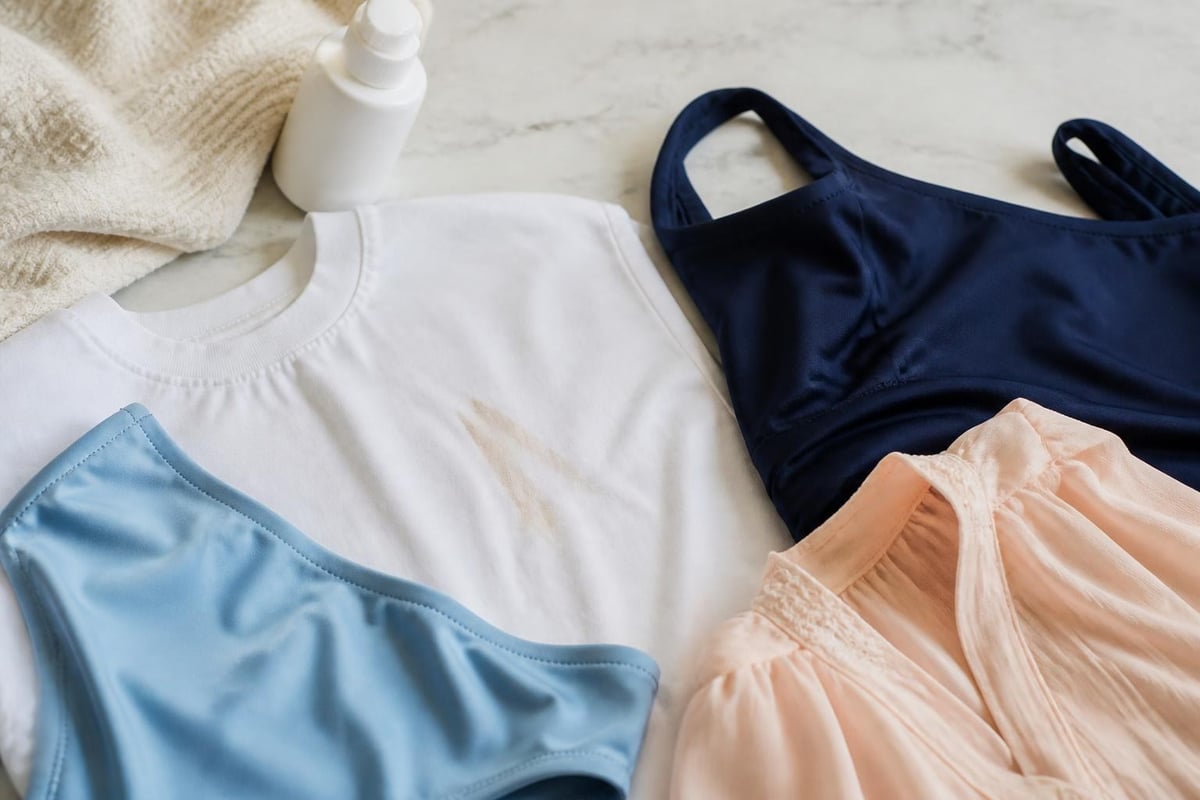
Consider wearing protective clothing during initial application and reapplication periods. Designated "sunscreen shirts" or old garments during beach trips prevent staining on valued wardrobe pieces. Dark-colored fabrics, particularly navy and black, show stains less visibly than white or pastel materials.
For those managing laundry facilities or commercial operations, educating clients about prevention reduces stain-related complaints and fabric damage. The Laundry Labs safety tips page offers additional guidance for various fabric care scenarios.
Immediate Treatment Methods for Fresh Stains
Acting quickly when sunscreen contacts fabric dramatically improves removal success rates. Fresh stains respond better to treatment than set-in marks that have undergone heat or time exposure.
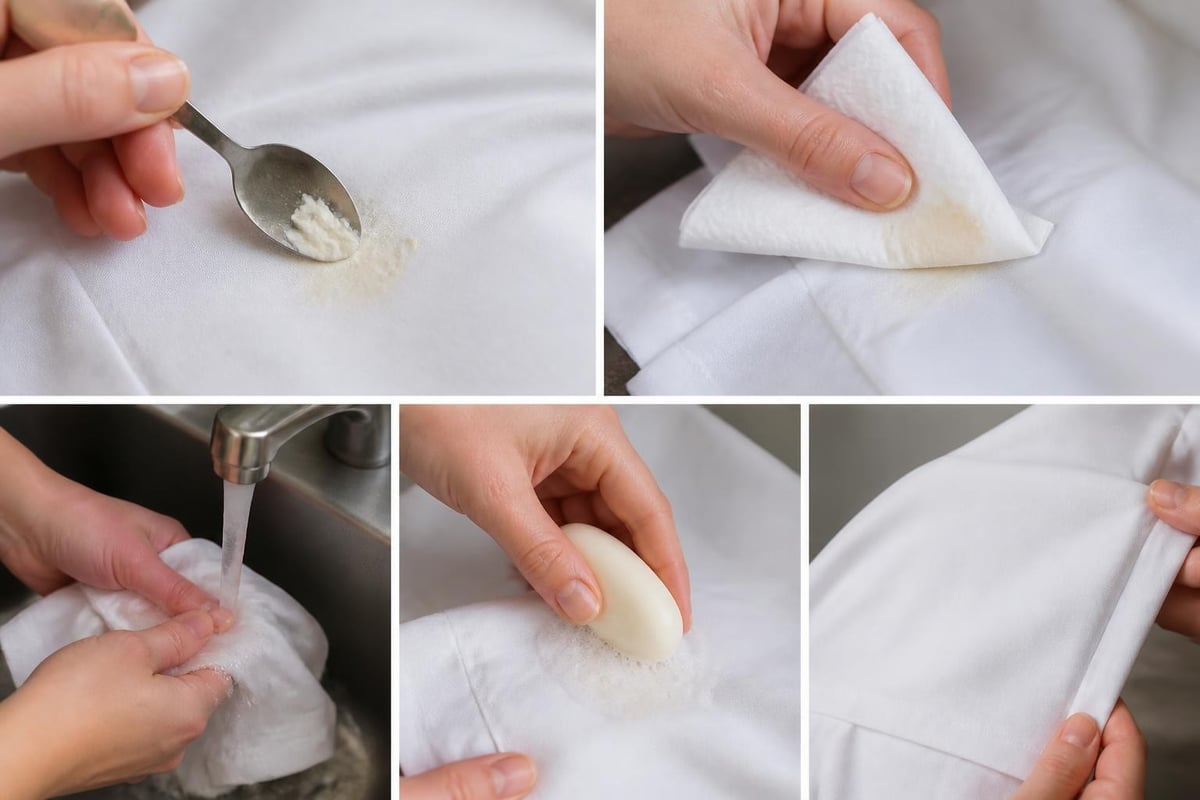
Begin by scraping off excess sunscreen using a dull knife or spoon edge. Avoid rubbing, which pushes the substance deeper into fabric fibers. Blot the affected area with clean paper towels or white cloth to absorb surface oils without spreading the stain.
Quick Action Steps
- Rinse with cold water from the fabric's reverse side, pushing the stain outward
- Apply liquid dish soap directly to the stain, working it gently into fibers
- Let sit for 5-10 minutes before rinsing thoroughly
- Check the stain before any heat exposure
- Repeat if necessary until the mark disappears
Cold water prevents protein-based components in sunscreen from bonding with fabric. Hot water sets stains permanently, making subsequent removal nearly impossible. Expert cleaning methods emphasize temperature control throughout the treatment process.
For athletic wear and synthetic fabrics, immediate treatment becomes even more critical. These materials' tight weaves and moisture-wicking properties cause sunscreen to penetrate deeply within minutes. The Laundry Labs athletic solutions address specific challenges associated with performance fabrics.
Advanced Removal Techniques for Set-In Stains
Older sunscreen stains require more aggressive treatment approaches while maintaining fabric safety. These stubborn marks have bonded chemically with fibers and often survived previous washing cycles.
White vinegar serves as an excellent pre-treatment agent for avobenzone stains. Mix equal parts white vinegar and water, then soak the stained garment for 30-60 minutes. The acidity breaks down the chemical bonds between sunscreen components and fabric molecules. After soaking, wash normally with quality detergent.
Baking soda paste provides mechanical and chemical stain removal. Combine three parts baking soda with one part water to create a spreadable paste. Apply generously to stained areas, gently scrubbing with an old toothbrush. The mild abrasive action lifts embedded particles while the alkaline properties neutralize acidic stain components.
Comparison of Stain Removal Agents
| Treatment Method | Effectiveness | Fabric Safety | Application Time |
|---|---|---|---|
| White vinegar soak | High for avobenzone | Excellent | 30-60 minutes |
| Baking soda paste | Moderate to High | Excellent | 15-20 minutes |
| Dish soap | Moderate | Excellent | 5-10 minutes |
| Hydrogen peroxide | High for white fabrics | Use cautiously | 10-15 minutes |
| Commercial stain removers | Variable | Check label | Follow directions |
For particularly stubborn marks, hydrogen peroxide (3% solution) works effectively on white and colorfast fabrics. Test on an inconspicuous area first, as peroxide can bleach certain dyes. Apply directly to the stain, let bubble for 10-15 minutes, then rinse and wash. Removing set-in stains requires patience and sometimes multiple treatment cycles.

Why Laundry Labs Pods Are the Best Way to Remove Sunscreen Stains
Sunscreen is one of the toughest summer stains to remove. Whether it's on swimsuits, towels, T-shirts, activewear, beach cover-ups, children's clothing, or patio fabrics, sunscreen leaves behind oily residues that cling to fibers and can quickly turn into stubborn yellow, orange, or rust-colored stains. Ingredients like avobenzone, zinc oxide, and titanium dioxide are designed to stay on your skin—but unfortunately, they also bond to fabrics, making them much harder to wash out than ordinary dirt or sweat.
That's why Laundry Labs PowerPax™ was formulated to tackle more than everyday laundry. Every Laundry Labs pod is designed with commercial-grade cleaning power to break down tough stains, lift oils from fabric fibers, and leave clothes looking and smelling fresh—all while being gentle on the fabrics you love.
Breaks Down Oily Sunscreen Residue
Most sunscreen stains begin as an oil stain. As athletes sweat during games or practices, sunscreen works deeper into moisture-wicking fabrics, allowing dirt and minerals to cling to the garment.
Athletic PowerPax™ uses a concentrated enzyme-powered formula that helps break down these oily residues while lifting them from technical athletic fabrics. Instead of simply washing the surface, it targets the stain at the fiber level, helping jerseys come out cleaner after every wash. This is especially important because enzyme-based detergents are among the most effective solutions for removing sunscreen's oil-based ingredients.
Built to Break Down Oily Summer Stains
Unlike traditional detergents that mainly remove surface-level dirt, Laundry Labs pods use an advanced cleaning formula that helps target oily, greasy residues like sunscreen. These oils can become deeply embedded in cotton, linen, polyester, and moisture-wicking athletic fabrics, especially after long days at the beach, pool, sporting events, or outdoor activities.
The concentrated cleaning power inside every pod works to lift sunscreen residue from deep within fabric fibers, helping prevent yellow discoloration and keeping whites brighter and colors more vibrant wash after wash.
One Pod Handles Every Summer Laundry Challenge
Sunscreen stains rarely come alone. Summer laundry often includes sweat, sand, chlorine, saltwater, grass, dirt, food spills, makeup, and body oils—all in the same load.
Laundry Labs' 5-in-1 PowerPax™ simplifies the process by combining multiple laundry products into one easy-to-use pod. Every pod delivers:
- Powerful commercial-grade detergent
- Built-in stain-fighting technology
- Fabric softening
- Color protection
- Long-lasting freshness
Instead of reaching for multiple products, simply toss one pod into the washer and let it do the work.

Safe for the Fabrics You Wear All Summer
Aggressive stain removers can damage delicate summer fabrics over time, causing fading, weakening fibers, or reducing the performance of moisture-wicking athletic clothing. Laundry Labs pods are designed to clean effectively while helping preserve the fabrics you rely on every day.
They're ideal for washing:
- Swimsuits
- Beach towels
- Athletic wear
- Sports jerseys
- T-shirts and tank tops
- Linen clothing
- Children's summer clothes
- Beach blankets
- Hats and reusable beach bags
Because Laundry Labs cleans exceptionally well in cold water, it also helps protect fabrics from the heat that can permanently set sunscreen stains and shorten the life of your favorite summer clothing. Cold-water washing is widely recommended when treating sunscreen stains because heat can cause these stains to become even more difficult to remove.
A Smarter Way to Handle Summer Laundry
Summer is meant for making memories—not worrying about ruined clothes. Whether you're spending weekends at the beach, cheering from the sidelines, hiking, swimming, or enjoying family vacations, Laundry Labs PowerPax™ gives you the confidence that tough sunscreen stains don't have to become permanent.
With powerful stain-fighting enzymes, concentrated cleaning technology, and a convenient single-dose pod, Laundry Labs makes removing sunscreen stains easier than ever. It's a simple, effective solution that helps protect your favorite summer fabrics while delivering the deep clean your laundry deserves.

Special Considerations for Different Fabric Types
Various fabric compositions respond differently to sunscreen and stain removal treatments. Tailoring your approach based on material type prevents damage while maximizing stain removal effectiveness.
Cotton and natural fibers generally withstand aggressive treatments better than synthetics. These materials handle hot water and stronger cleaning agents without structural damage. However, their absorbent nature means sunscreen penetrates deeply, requiring thorough treatment.
Synthetic fabrics including polyester, nylon, and spandex present unique challenges. Performance athletic wear made from these materials often features moisture-wicking properties that trap oils. Always use cool water and gentle treatments to preserve fabric technology and elasticity.
Fabric-Specific Treatment Guidelines
Delicate materials like silk, wool, and rayon require professional cleaning for sunscreen stains. Home treatments risk permanent damage to these expensive fabrics. For everyday washable items, adjust your technique based on fabric care labels.
- Swimwear: Rinse immediately after use, hand wash with mild detergent
- Towels: Pre-treat with dish soap, wash in hot water (if care label permits)
- Activewear: Cold water wash with specialized sports detergent
- Upholstery: Blot immediately, use foam cleaner or professional service
Linen fabrics, commonly used in summer clothing and home textiles, require special attention. The Laundry Labs linen solutions address the unique needs of these natural fibers while maintaining their characteristic texture and appearance.
Treating Sunscreen Stains on Upholstery and Home Textiles
Sunscreen doesn't limit itself to clothing. Furniture, car interiors, and decorative fabrics frequently fall victim to transfer stains from skin contact. Removing sunscreen from sofas requires careful attention to prevent spreading or setting the stain deeper.
For upholstery, begin by blotting excess product with clean, dry cloths. Create a cleaning solution using one tablespoon of liquid dish soap mixed with two cups of cool water. Dip a clean white cloth into the solution, wring until barely damp, and blot the stained area working from the outside toward the center.
Avoid over-wetting upholstery, which can damage padding, promote mold growth, and cause water stains. After treatment, blot with dry towels and allow complete air drying. Position fans to accelerate the process and prevent moisture-related issues.
Home Textile Cleaning Protocol
- Vacuum loose debris and sunscreen particles
- Test cleaning solution on hidden area
- Apply solution sparingly with white cloth
- Blot repeatedly until stain transfers to cloth
- Rinse by blotting with clean, damp cloth
- Dry thoroughly with fans or natural air circulation
Car interiors present additional challenges due to varied materials and heat exposure. Leather seats require specialized cleaners, while fabric interiors respond to similar treatments as home upholstery. Address stains immediately to prevent heat-setting from sun exposure through windows.
Selecting Effective Laundry Products for Sunscreen Stain Removal
The right laundry detergent significantly impacts sunscreen stain removal success. Products with strong degreasing properties and stain-fighting enzymes work most effectively against the oily components in sunscreen formulations.
Enzyme-based detergents break down protein and oil molecules at the molecular level. Look for products listing protease and lipase enzymes specifically. These biological catalysts digest the organic compounds in sunscreen, releasing them from fabric fibers during the wash cycle.
Concentrated formulations offer advantages over traditional diluted detergents. Higher active ingredient percentages mean more cleaning power per dose, particularly important for stubborn stains. The Laundry Labs product line features commercial-grade formulations designed for maximum stain removal efficiency.
Key Detergent Features for Sunscreen Stain Treatment
| Feature | Benefit | Look For |
|---|---|---|
| Enzyme content | Breaks down oils and proteins | Protease, lipase, amylase |
| Degreasing agents | Removes oily residue | Surfactants, degreasers |
| Oxygen bleach | Brightens and removes discoloration | Sodium percarbonate |
| Concentrated formula | Higher cleaning power per dose | Commercial-grade products |
Avoid fabric softeners when treating sunscreen stains. These products coat fibers with additional oils that can trap stain particles and prevent complete removal. Similarly, dryer sheets leave residue that interferes with stain treatment. Air drying or using dryer balls provides safer alternatives.
The 5-in-1 formulations combine detergent, softener, stain treatment, and odor control in single-use capsules, offering convenient all-in-one solutions that address multiple fabric care needs simultaneously.

Water Temperature and Washing Cycle Optimization
Water temperature plays a crucial role in sunscreen stain removal success. Contrary to common belief, hot water isn't always the best choice for these particular stains.
Cold to warm water works best initially because it prevents heat-setting of chemical components. Once you've confirmed stain removal through pre-treatment, hot water washing (if fabric care allows) helps remove any remaining residue and sanitizes the garment.
Optimal Washing Strategies
The washing cycle length and agitation intensity also affect results. Extended cycles provide more time for detergent action and mechanical removal of embedded particles. Heavy-duty cycles increase agitation, helping dislodge stubborn stain molecules from fabric weaves.
- Pre-rinse cycle: Removes surface oils before detergent application
- Extended wash: Allows enzymes maximum working time
- Extra rinse: Ensures complete removal of cleaning agents and loosened stain particles
- Avoid heat until confirmed clean: Prevents permanent setting
For commercial laundry operations handling high volumes of sunscreen-affected items, such as beach resort linens or athletic facilities, consistent protocols ensure reliable results. Professional laundry solutions address the unique demands of high-capacity operations while maintaining fabric quality.
Environmental Considerations in Stain Treatment
Eco-conscious consumers increasingly seek stain removal methods that minimize environmental impact while maintaining effectiveness. Traditional harsh chemicals often damage aquatic ecosystems and contribute to water pollution.
Natural cleaning agents like vinegar, baking soda, and lemon juice provide effective alternatives with minimal environmental footprint. These substances biodegrade quickly and don't accumulate in water systems. However, they sometimes require longer treatment times or multiple applications compared to synthetic products.
Plant-based enzyme cleaners offer middle ground between natural simplicity and commercial effectiveness. Derived from renewable sources, these products break down completely after use while delivering powerful stain-fighting performance. Eco-friendly laundry detergents combine sustainability with commercial-grade cleaning power.
Sustainable Stain Treatment Practices
Conserving water during stain treatment reduces environmental impact without sacrificing results. Spot-treating stains rather than washing entire loads saves water and energy. When full washing becomes necessary, running only full loads maximizes efficiency.
Choose concentrated products that require less packaging and reduce transportation emissions. Single-dose capsules eliminate measuring waste and prevent overdosing, which sends excess chemicals into wastewater systems unnecessarily.
Proper disposal of stain treatment materials matters too. Avoid pouring concentrated cleaning solutions directly down drains. Dilute with water first, or better yet, use them completely during the cleaning process rather than discarding excess.

Long-Term Fabric Care and Stain Prevention
Maintaining fabric quality over time requires consistent care practices that prevent cumulative damage from repeated sunscreen exposure and aggressive stain treatments. Building protective habits extends garment lifespan while reducing stain-related frustration.
Create designated beach or pool clothing specifically for high-sunscreen situations. These items absorb the brunt of staining risk, protecting your primary wardrobe. Choose darker colors and patterns that camouflage minor discoloration that survives treatment.
Proper storage prevents stains from setting during off-season periods. Always ensure garments are completely clean before storage, as residual sunscreen oxidizes over time, creating harder-to-remove discoloration. Store in cool, dark locations to prevent heat and light from intensifying any remaining stain molecules.
Regular maintenance washing removes accumulated sunscreen residue before it becomes visible staining. Comprehensive cleaning methods recommended by laundry professionals emphasize preventive care over reactive treatment.
Seasonal Fabric Care Calendar
| Season | Action | Purpose |
|---|---|---|
| Spring | Deep clean stored summer items | Remove off-season oxidation |
| Summer | Weekly preventive washing | Address fresh sunscreen exposure |
| Fall | Intensive stain treatment before storage | Prevent winter setting |
| Winter | Inspect stored items monthly | Catch developing stains early |
For families with children or active outdoor enthusiasts, establishing laundry routines that prioritize immediate treatment saves significant effort compared to addressing accumulated stains. Teaching household members to rinse swimwear and athletic wear immediately after use prevents most serious staining before it begins.
Professional vs. DIY Treatment Decisions
Some sunscreen stains exceed home treatment capabilities, requiring professional cleaning services. Recognizing when to seek expert help prevents fabric damage from repeated unsuccessful treatment attempts.
Consider professional cleaning for:
- Expensive garments where replacement cost exceeds cleaning fees
- Delicate fabrics like silk, wool, or specialty synthetics
- Stains that survive three home treatment attempts
- Combination stains involving sunscreen plus other substances
- Items with sentimental value that can't be replaced
Professional cleaners access industrial-strength products and specialized equipment unavailable to consumers. Their expertise in identifying fabric types and selecting appropriate treatments reduces damage risk significantly.
However, many sunscreen stains respond perfectly well to home treatment using quality products and proper techniques. The Laundry Labs approach emphasizes empowering consumers with commercial-grade products for home use, bringing professional results to everyday laundry.
Building confidence in DIY stain treatment comes through practice and using reliable products. Start with less valuable items to develop skills before tackling expensive or cherished garments. Document successful techniques to create your personalized stain treatment reference guide.
Sunscreen stains don't have to mean the end of your favorite summer wardrobe or outdoor fabrics. With proper prevention strategies, immediate action on fresh stains, and appropriate treatment methods for set-in marks, you can keep all your fabrics looking fresh and clean throughout the sunny season.
Laundry Labs provides powerful, eco-friendly solutions specifically formulated to tackle tough stains like sunscreen while protecting fabric integrity and supporting environmental sustainability through concentrated, commercial-grade products that deliver professional results.