Complete Guide to Washing, Caring for, and Maintaining Sweaters

Sweaters represent one of the most cherished yet challenging garment categories in any wardrobe. Whether you manage a commercial laundry operation, oversee hospitality linens, or simply want to preserve your personal collection, understanding the science and best practices behind sweater care can save significant time, money, and frustration. The right approach transforms sweater maintenance from a delicate guessing game into a systematic process that extends garment life while maintaining quality and appearance.
Understanding Sweater Fabrics and Their Care Requirements
Different sweater materials demand distinct care approaches. Natural fibers like wool, cashmere, and alpaca require gentle handling and specific temperature controls, while synthetic blends often tolerate more aggressive washing. The history of sweaters reveals how these garments evolved from purely functional workwear into fashion staples, which partly explains why modern sweaters come in such diverse fiber compositions.
Natural Fiber Sweaters
Wool sweaters dominate the natural fiber category and require the most attention. Wool fibers have scales that can interlock when agitated in warm water, causing felting and shrinkage. Merino wool offers finer fibers that feel softer but remain just as vulnerable to improper washing.
Cashmere sweaters represent luxury knitwear made from the undercoat of cashmere goats. These delicate fibers demand even gentler treatment than standard wool. A single harsh wash cycle can transform a soft cashmere piece into a stiff, shrunken disaster.
Cotton and cotton-blend sweaters offer easier care but still benefit from thoughtful handling. Pure cotton can shrink in high heat, while cotton blends often incorporate synthetic fibers that change the care equation entirely.
Synthetic and Blended Options
Modern sweaters frequently combine natural and synthetic materials. Acrylic, polyester, and nylon blends offer durability and easier care, though they present different challenges like static buildup and odor retention. According to materials market data, the textile industry increasingly balances performance characteristics with environmental considerations when selecting sweater materials.

Pre-Wash Preparation and Sorting Techniques
Effective sweater care begins before any water touches the fabric. Proper preparation prevents damage and ensures optimal cleaning results.
Reading Care Labels Accurately
Every sweater arrives with manufacturer care instructions that provide essential guidance. These labels indicate:
- Maximum safe water temperature
- Suitable washing methods (hand wash, machine gentle, dry clean only)
- Drying instructions
- Ironing or steaming limitations
- Bleach compatibility
Ignoring these specifications often results in irreversible damage. When care labels conflict with general fiber recommendations, always defer to the manufacturer's instructions since they account for the specific construction and dye processes used.
Sorting by Color, Fabric, and Soil Level
Commercial operations and home users alike benefit from systematic sorting:
- Separate by fiber type to ensure compatible wash conditions
- Group similar colors to prevent dye transfer
- Isolate heavily soiled items that might need pre-treatment
- Keep delicate embellishments separate to avoid snagging
This sorting process allows you to optimize wash settings for each load rather than compromising with one-size-fits-all cycles that may damage some items while inadequately cleaning others.
Essential Pre-Treatment Steps
Before washing, address specific concerns:
- Turn sweaters inside out to minimize exterior friction and pilling
- Close all zippers and buttons to prevent snagging
- Remove loose debris like pet hair or lint
- Pre-treat stains with appropriate spot cleaners designed for the specific fiber type
For commercial operations handling volume sweater loads, proper stain removal techniques become even more critical since batch processing amplifies any mistakes across multiple garments.
Water Temperature and Washing Method Selection
Temperature selection ranks among the most crucial decisions in sweater care. The wrong choice causes shrinkage, color fading, or inadequate cleaning.
Cold Water Washing Benefits
Cold water (60°F or below) offers multiple advantages for most sweater types:
- Prevents shrinkage in natural fibers
- Preserves color vibrancy by minimizing dye bleeding
- Reduces energy consumption significantly
- Minimizes fiber damage from thermal stress
Modern detergent formulations, particularly advanced capsule technologies, now clean effectively in cold water while providing complete stain removal and odor control.
When Warm Water Makes Sense
Some situations justify warm water (80-90°F):
- Heavy soil removal on synthetic or cotton sweaters
- Sanitization requirements in commercial or healthcare settings
- Oil-based stain treatment that responds better to slightly elevated temperatures
Always verify that the sweater's fiber composition tolerates warm water before proceeding.
Hand Washing vs. Machine Washing
| Method | Best For | Advantages | Disadvantages |
|---|---|---|---|
| Hand washing | Delicate wools, cashmere, vintage pieces | Maximum control, gentlest agitation | Time-intensive, inconsistent results |
| Machine gentle cycle | Sturdy wools, synthetics, everyday knits | Efficient, consistent, less labor | Requires proper settings, some risk |
| Commercial washers | Bulk processing, hospitality operations | Volume capacity, programmable cycles | Investment cost, space requirements |
The Woolmark Company recommends specific techniques for washing wool sweaters that balance thorough cleaning with fiber preservation.

Selecting the Right Detergent for Sweater Care
Detergent choice dramatically impacts sweater longevity and appearance. Standard formulations often contain harsh enzymes or alkaline builders that damage delicate fibers.
What Makes Sweater-Safe Detergents Different
Premium sweater detergents feature:
- Neutral pH levels that won't degrade protein-based fibers
- Gentle surfactants that clean without stripping natural oils
- Low-sudsing formulas that rinse cleanly
- Enzyme-free options for wool and silk protection
Commercial-Grade Solutions for Volume Operations
Businesses processing sweaters at scale need products that deliver consistent results across diverse fiber types. Understanding what makes commercial detergents different helps operators select formulations that protect inventory while controlling costs.
Eco-Friendly Formulations
Sustainability-conscious consumers and businesses increasingly demand environmentally responsible options. The best eco-friendly laundry solutions combine biodegradable ingredients with concentrated formulas that reduce packaging waste and transportation emissions.
Proper Drying Techniques That Prevent Damage
Drying presents equal or greater risk than washing for sweater damage. Heat and mechanical agitation during drying cause most sweater-related disasters.
Air Drying Best Practices
Air drying remains the gold standard for sweater care:
- Gently squeeze excess water without wringing or twisting
- Roll in a clean towel to absorb additional moisture
- Lay flat on a drying rack or clean towel on a flat surface
- Reshape to original dimensions while still damp
- Flip periodically to ensure even drying and prevent musty odors
Never hang wet sweaters on hangers, as gravity pulls the water-heavy fabric downward, causing permanent stretching and shoulder bumps.
Machine Drying Considerations
Some synthetic and cotton-blend sweaters tolerate low-heat tumble drying, but proceed cautiously:
- Use the lowest heat setting available
- Remove items while slightly damp to finish air drying
- Add dryer balls to reduce static and improve air circulation
- Never over-dry, as this sets wrinkles and damages fibers
According to expert guidance from the American Cleaning Institute, proper drying techniques contribute as much to garment longevity as washing methods.
Commercial Drying Operations
Businesses must balance efficiency with garment care. Commercial dryers offer programmable cycles with precise temperature control, but require careful monitoring to prevent batch damage that could affect dozens of pieces simultaneously.
Storage Solutions That Maintain Shape and Quality
Proper storage during off-seasons or between wears preserves sweater quality and prevents common problems like moths, mildew, and deformation.
Folding vs. Hanging
Always fold sweaters rather than hanging them. Hangers stretch shoulder seams and create unsightly bumps. The proper folding technique:
- Lay the sweater face-down
- Fold sleeves across the back
- Fold in half or thirds depending on shelf depth
- Store with the fold facing outward for easy identification
Climate Control and Pest Prevention
| Storage Factor | Recommendation | Why It Matters |
|---|---|---|
| Temperature | 60-70°F | Prevents fiber degradation |
| Humidity | 40-50% | Avoids mildew and moth activity |
| Light exposure | Dark or covered | Prevents color fading |
| Cedar products | Natural repellent | Deters moths without chemicals |
| Clean before storing | Essential | Moths target soiled fibers |
Long-Term Storage for Seasonal Rotation
When storing sweaters for months:
- Use breathable storage containers (avoid plastic bags that trap moisture)
- Insert acid-free tissue paper between folds to prevent creasing
- Place sachets of lavender or cedar to repel pests naturally
- Store in climate-controlled environments away from direct sunlight

Addressing Common Sweater Problems
Even with excellent care, sweaters develop issues that require specific interventions.
Pilling Removal and Prevention
Pilling occurs when short fibers work their way to the fabric surface and tangle into balls. Solutions include:
- Use a fabric shaver to remove existing pills gently
- Reduce friction by turning sweaters inside out during washing
- Choose quality fibers as cheaper materials pill more readily
- Limit wear frequency to reduce fiber stress
Stretching and Shrinkage Recovery
Stretched sweaters often respond to gentle reshaping:
- Dampen the sweater slightly
- Lay flat on a towel
- Gently manipulate back to original dimensions
- Air dry completely in the corrected shape
Shrinkage proves harder to reverse, though sometimes soaking in hair conditioner or baby shampoo relaxes fibers enough to allow gentle stretching during air drying.
Odor Control in Synthetic Blends
Synthetic fibers trap odors more stubbornly than natural materials. For persistent smells:
- Soak in vinegar solution (1 cup white vinegar per gallon water) for 30 minutes before washing
- Use detergents with built-in odor eliminators
- Ensure complete drying to prevent mildew development
- Consider specialized athletic formulations designed for synthetic performance fabrics
Seasonal Care Strategies for Different Sweater Types
Different seasons and wearing patterns require adjusted care approaches.
Heavy Winter Sweaters
Thick wool, cable-knit, and chunky sweaters worn during winter months need:
- Less frequent washing as wool naturally resists odors
- Spot cleaning between full washes
- Proper ventilation after wearing to release moisture
- Immediate stain treatment to prevent setting
Lightweight Spring and Fall Options
Thinner cotton, merino, and blend sweaters rotate more frequently and thus require:
- Streamlined washing processes for regular care cycles
- Quick-dry fabrics that allow daily wear rotation
- Efficient storage systems since these pieces remain accessible year-round
Travel and Active Lifestyle Considerations
Modern lifestyles demand sweaters that travel well and maintain appearance despite frequent wear. Look for:
- Wrinkle-resistant blends that pack compactly
- Quick-wash compatibility for hotel or laundromat care
- Multi-functional pieces that transition between activities
For professionals and frequent travelers, choosing laundry solutions that work wherever you do ensures consistent results regardless of location.
Commercial Operations and Volume Sweater Processing
Businesses handling sweater inventory face unique challenges requiring systematic approaches.
Hospitality and Hotel Applications
Hotels providing sweaters in premium suites or spa settings must maintain immaculate condition across repeated guest uses:
- Establish standardized washing protocols that all staff follow
- Implement inspection systems that catch damage before it becomes irreparable
- Use commercial-grade products designed for consistent results at scale
- Train teams on proper dosing to avoid waste
Retail and Inventory Management
Clothing retailers processing returned sweaters or maintaining floor samples need:
- Gentle cleaning that preserves salability
- Efficient turnaround to return items to inventory quickly
- Quality control to identify items requiring professional cleaning
Gym and Wellness Facilities
Fitness centers and yoga studios sometimes provide sweaters or handle member laundry:
- Address sweat and odor challenges specific to athletic use
- Manage high-frequency washing without excessive wear
- Maintain brand consistency across towels, apparel, and amenities
Environmental Impact and Sustainable Sweater Care
Conscious consumers and businesses increasingly prioritize environmental responsibility in garment care.
Reducing Water and Energy Consumption
Simple changes yield significant environmental benefits:
- Wash full loads to maximize efficiency
- Use cold water whenever possible to reduce energy usage
- Air dry instead of machine drying to eliminate dryer energy completely
- Extend wear between washes for items that don't require cleaning after every use
Choosing Sustainable Products and Materials
The textile industry continues evolving toward more responsible practices. When selecting sweaters or care products:
- Research fiber sourcing and production methods
- Choose detergents with biodegradable ingredients and minimal packaging
- Support brands demonstrating transparent environmental commitments
- Consider verified eco-friendly certifications
Extending Garment Life Through Better Care
The most sustainable sweater is the one you already own. Proper care extends useful life dramatically:
- Quality care reduces replacement frequency by years
- Repair small damage promptly before it worsens
- Rotate pieces regularly to distribute wear evenly
- Store properly to prevent preventable damage
Innovation in Sweater Design and Care Technology
Emerging technologies continue transforming both sweater construction and care methods.
Advanced Knit Structures
Research into textile engineering and force-density methods enables designers to create sweaters with customized stretch, recovery, and durability characteristics. These innovations allow garments that maintain shape better and tolerate more aggressive care when needed.
Smart Fabrics and Performance Features
Modern sweaters increasingly incorporate:
- Moisture-wicking properties that pull sweat away from skin
- Antimicrobial treatments that resist odor development
- Stain-resistant finishes that simplify care
- Temperature-regulating materials that adapt to conditions
Next-Generation Cleaning Solutions
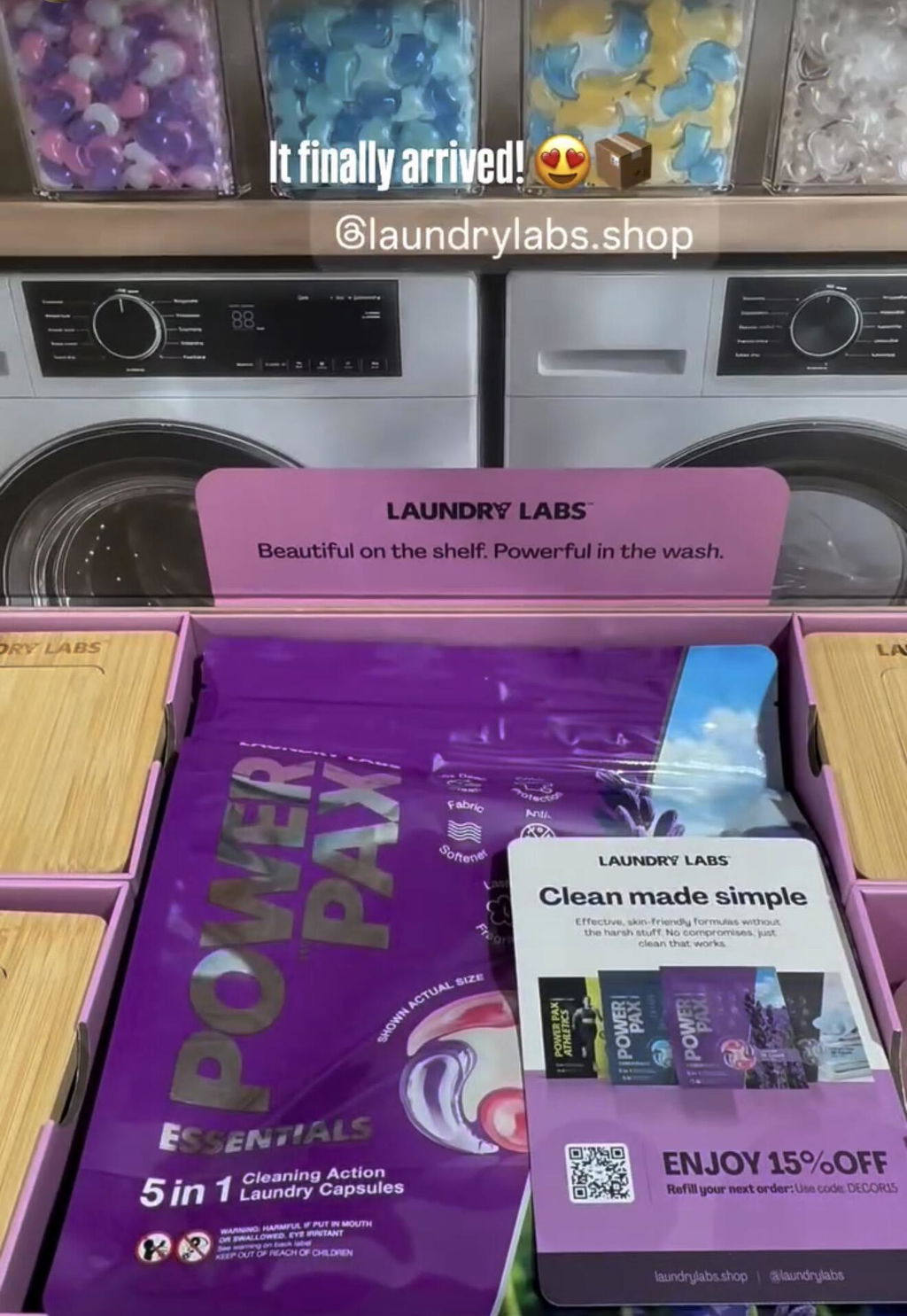
Detergent technology continues advancing with formulations that clean more effectively while using less water and energy. Capsule-based systems offer pre-measured convenience while incorporating multiple treatment types in single-use formats.
Building Effective Care Routines
Success in sweater care comes from establishing consistent, sustainable routines rather than reactive problem-solving.
Daily Habits That Prevent Problems
Small actions compound over time:
- Air out sweaters after wearing before storing
- Use garment brushes to remove surface debris
- Address stains immediately rather than allowing them to set
- Rotate your wardrobe to reduce wear concentration
Weekly and Monthly Maintenance
Regular upkeep prevents larger issues:
- Inspect for damage like loose threads or early pilling
- Clean storage areas to prevent dust accumulation
- Review inventory to identify pieces needing attention
- Refresh cedar products or natural moth deterrents
Seasonal Deep Care
Transition periods offer opportunities for thorough maintenance:
- Clean all pieces before seasonal storage
- Evaluate condition and set aside items for repair
- Organize by category for efficient access next season
- Update care products as formulations improve
Proper sweater care combines scientific understanding of fiber properties with systematic processes that prevent damage while ensuring thorough cleaning. Whether you're managing a single cherished cashmere piece or processing hundreds of sweaters weekly in a commercial operation, the principles remain consistent: use appropriate water temperatures, select gentle yet effective cleaning products, dry carefully to prevent deformation, and store properly to maintain quality. Laundry Labs provides commercial-grade, eco-friendly capsule solutions that simplify sweater care by combining detergent, softener, stain treatment, and odor control in precisely measured doses designed for consistent results across all fabric types. Our formulations protect delicate fibers while delivering the powerful cleaning performance your sweaters deserve.