Washing Detergent HE: The Complete Guide for 2026

High-efficiency washing machines have transformed the laundry industry since their introduction, requiring specialized formulations to deliver optimal cleaning performance. Washing detergent HE products are specifically engineered to work with these advanced machines, which use significantly less water than traditional top-loaders. Understanding the science behind these formulations and how they differ from conventional detergents can help consumers, businesses, and facility managers make informed decisions about their laundry operations. Whether you're managing a commercial laundry facility or simply upgrading your home washer, knowing what makes HE detergents unique is essential for achieving the best results while protecting your equipment investment.
What Makes Washing Detergent HE Different
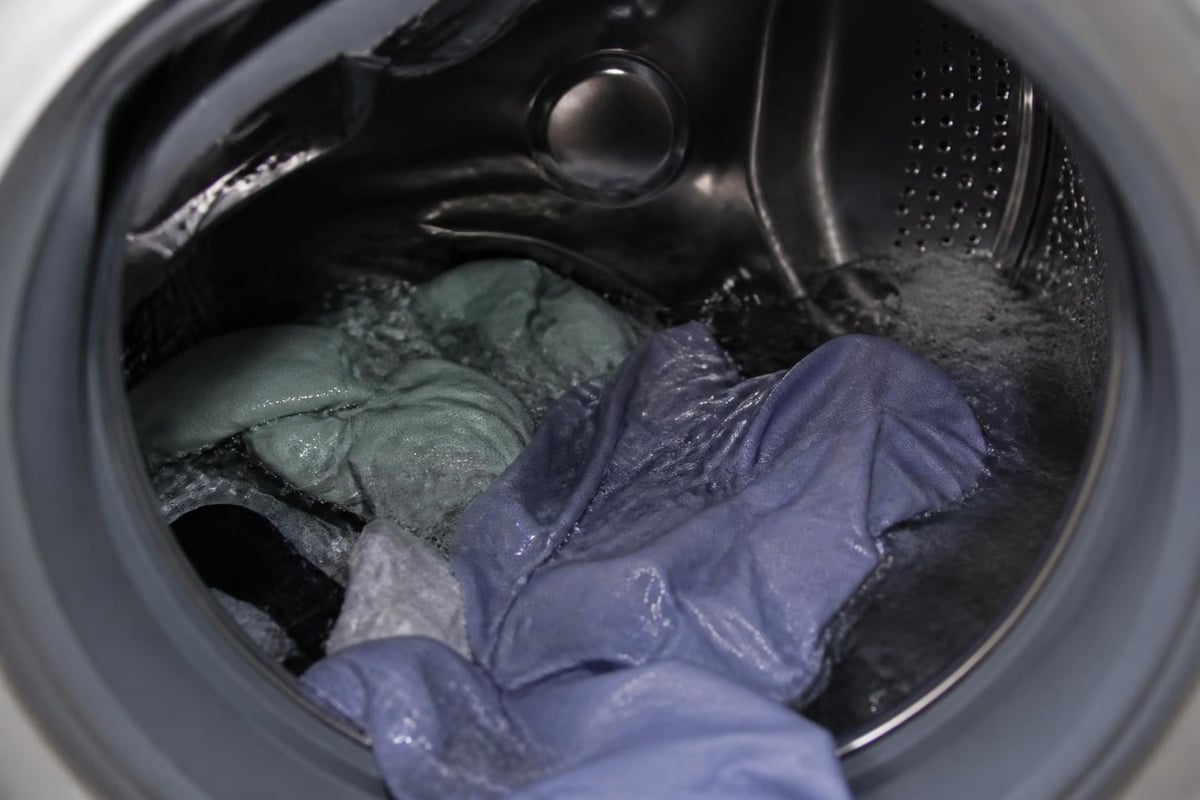
The fundamental distinction between standard detergents and washing detergent HE formulas lies in their surfactant systems and sudsing characteristics. High-efficiency washers operate with substantially reduced water levels, sometimes using 20-40% less water than conventional machines. Traditional detergents generate excessive suds in these low-water environments, which can interfere with the tumbling action that HE washers rely on for cleaning.
HE detergent formulations feature:
- Low-sudsing surfactant blends that maintain cleaning power without excessive foam
- Concentrated formulas requiring smaller doses per load
- Enhanced soil suspension properties to prevent redeposition in limited water
- Quick-rinsing components that work efficiently with reduced rinse cycles
- Anti-redeposition agents to keep soils from settling back onto fabrics
The ENERGY STAR certified washers that dominate today's market require these specific detergent characteristics to function properly. Using non-HE detergent in an HE machine can lead to oversudsing, extended cycle times, poor rinsing, detergent residue on fabrics, and potential mechanical issues over time.
The Chemistry Behind Low-Sudsing Technology
Modern washing detergent HE products incorporate sophisticated surfactant chemistry designed to minimize foam while maximizing cleaning efficiency. Traditional high-sudsing detergents use surfactants that create stable foam structures, which consumers historically associated with cleaning power. However, suds don't actually clean clothes; they're largely a psychological reassurance feature.
HE formulations employ ethoxylated surfactants and other low-foaming agents that provide excellent detergency without generating excessive bubbles. These molecules still reduce surface tension, allowing water to penetrate fabric fibers and lift soils, but they collapse quickly rather than forming stable foam.
| Feature | Standard Detergent | Washing Detergent HE |
|---|---|---|
| Suds Level | High foam generation | Minimal, controlled suds |
| Water Usage | Designed for 15-30 gallons | Optimized for 5-15 gallons |
| Concentration | Standard strength | 2-3x concentrated |
| Rinse Requirement | Multiple rinse cycles | Single rinse sufficient |
| Residue Risk | Moderate | Lower (quick-rinsing) |
Selecting the Right Washing Detergent HE Formula
Not all HE detergents perform equally across different applications and fabric types. Commercial facilities, athletic programs, hospitality operations, and residential users each have distinct requirements that influence product selection. Consumer Reports' detergent testing evaluates HE formulas across multiple performance dimensions including stain removal, whiteness maintenance, and colorfastness.
Performance Considerations
When evaluating washing detergent HE options, consider these critical performance factors:
- Soil removal capability across common stain types (protein, oil, tannin, particulate)
- Temperature flexibility for both cold-water efficiency and hot-water sanitization
- Fabric compatibility with various textiles from delicates to heavy-duty work wear
- Fragrance profile or fragrance-free options for sensitive users
- Enzymatic activity for breaking down protein and starch-based soils
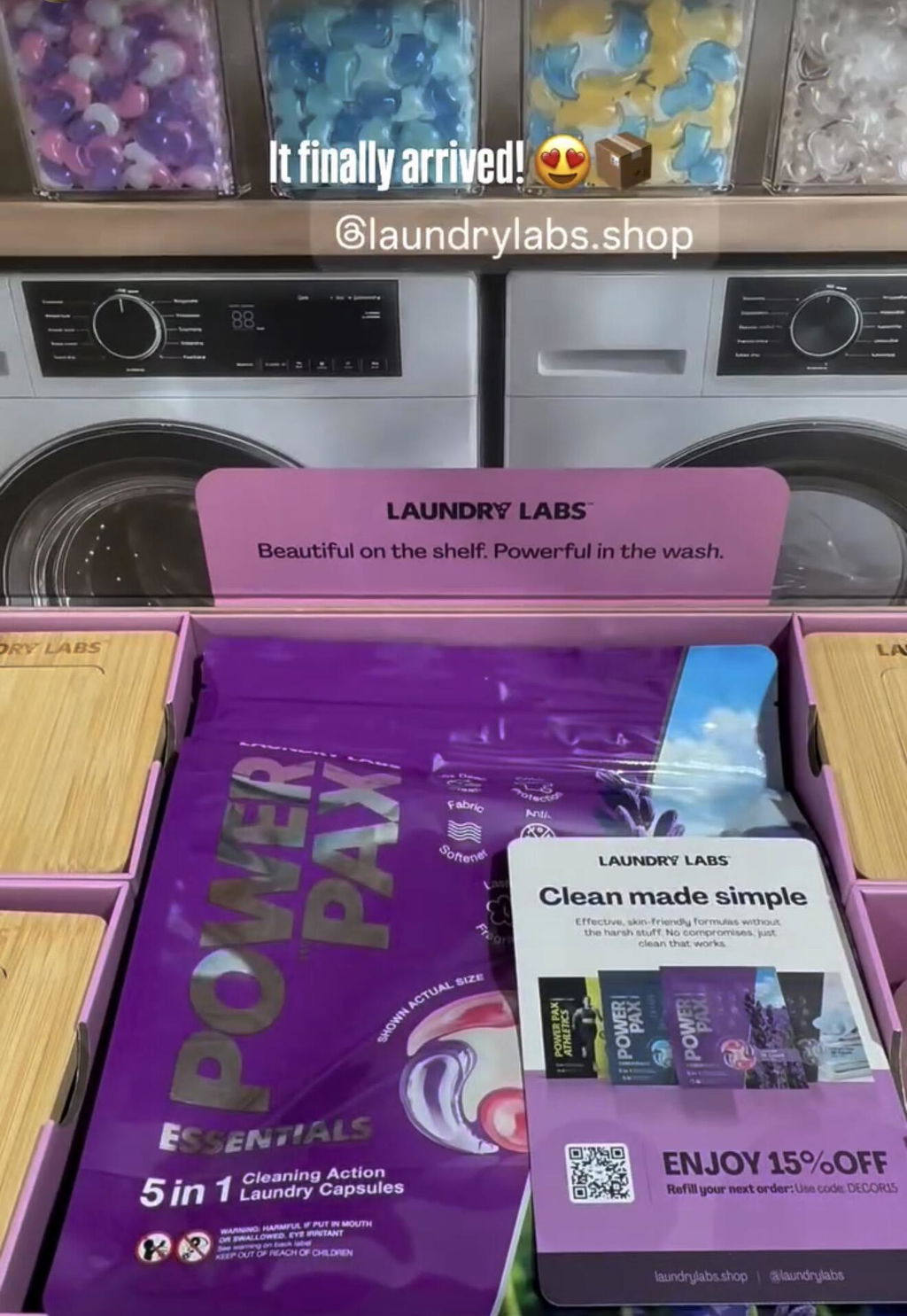
The all-in-one commercial capsule formulations available today combine detergent, softener, stain treatment, and odor control in a single dose, simplifying the laundry process while ensuring consistent results. This approach eliminates measuring errors and reduces the number of products needed in storage.
Environmental and Health Factors
Sustainability concerns increasingly influence washing detergent HE selection. Eco-conscious formulations prioritize biodegradable surfactants, phosphate-free compositions, and minimal packaging waste. The EU Ecolabel criteria for detergents provides rigorous standards for environmental performance, including biodegradability thresholds and ingredient restrictions that manufacturers worldwide reference.
Additionally, detergent residues can affect skin health and the microbiome. Research published in the journal Allergologie explores how detergent residues impact skin barrier function and allergy risk, particularly in individuals with sensitive skin or dermatological conditions. Washing detergent HE products that rinse cleanly minimize these concerns.

Commercial Applications of Washing Detergent HE
Commercial and institutional laundry operations face unique challenges that demand specialized washing detergent HE solutions. Hotels, hospitals, athletic facilities, and multi-family housing complexes process hundreds or thousands of pounds of laundry daily, requiring products that deliver consistent performance at scale.
High-Volume Facility Requirements
Commercial operations need washing detergent HE formulations that maintain effectiveness across:
- Variable water quality including hard water with high mineral content
- Diverse soil loads from lightly soiled linens to heavily contaminated work uniforms
- Rapid cycle times to maximize throughput and equipment utilization
- Cost efficiency balancing performance with per-load economics
- Regulatory compliance meeting health department or OSHA requirements
The comprehensive laundry product range designed for commercial applications addresses these demands through concentrated formulations, bulk packaging options, and specialized variants for specific industries.
Vending and Coin-Op Operations
Laundromats and multi-family housing laundry rooms present unique dispensing challenges. Pre-portioned washing detergent HE products in vending-compatible formats eliminate the mess and waste associated with bulk dispensers while ensuring users apply the correct dose. Coin vending solutions provide convenience for customers and reliable revenue streams for operators.
| Application Type | Typical Volume | Key Product Features | Dispensing Method |
|---|---|---|---|
| Residential | 6-12 loads/week | Fragrance variety, gentle formulas | Bottle or pod/capsule |
| Laundromat | 50-200 loads/day | Pre-portioned, vending compatible | Single-dose packets |
| Hotel/Hospitality | 200-1000 lbs/day | High concentration, stain removal | Automated injection |
| Healthcare | 500-5000 lbs/day | Sanitization, infection control | Automated systems |
Proper Usage and Dosing Guidelines
Even the best washing detergent HE formula delivers poor results if used incorrectly. Overdosing remains one of the most common mistakes, as consumers accustomed to traditional detergent amounts apply too much of the concentrated HE formulations. Excessive detergent creates residue buildup on fabrics, reduces absorbency in towels and athletic wear, and can damage washer components.
Dosing Best Practices
Follow these guidelines for optimal washing detergent HE usage:
- Check manufacturer recommendations on both the detergent and washer
- Account for load size using less for small or lightly soiled loads
- Adjust for water hardness with slightly more product in hard water areas
- Consider soil level increasing dose for heavily soiled items
- Use the dispenser rather than adding directly to the drum when possible
The American Cleaning Institute's laundry guidance provides evidence-based recommendations for routine laundry care versus situations requiring additional treatment steps. For most household loads, standard washing detergent HE doses suffice, while athletic gear, work uniforms, or healthcare linens may benefit from enhanced formulations.
Water Temperature Optimization
Modern washing detergent HE formulas work effectively across temperature ranges, but optimal temperature selection depends on fabric type and soil characteristics:
Cold water (60-80°F): Energy-efficient for lightly soiled everyday items, colors, and delicates. HE detergents formulated for cold water contain specialized enzymes that activate at lower temperatures.
Warm water (90-110°F): Balances cleaning power with energy conservation for moderately soiled mixed loads and synthetic fabrics.
Hot water (130-140°F): Necessary for sanitization requirements in healthcare, hospitality, or when dealing with heavily soiled items. Ensure washing detergent HE formula is rated for high-temperature use.

Advanced HE Detergent Technologies
Innovation in washing detergent HE formulations continues to advance, addressing emerging consumer needs and environmental regulations. Encapsulation technology, enzyme engineering, and multi-functional ingredients represent the current frontier in laundry chemistry.
Multi-Benefit Capsule Systems
Single-dose capsules have evolved beyond simple detergent delivery to incorporate multiple treatment functions. Five-in-one formulations combine washing detergent HE cleaning agents with fabric softeners, stain removers, brighteners, and odor eliminators in precisely measured doses. This approach ensures balanced performance across all laundry care dimensions while eliminating the guesswork of combining separate products.
The capsule format itself offers sustainability advantages through concentration and reduced packaging. A single case of capsules replaces multiple bottles of liquid products, significantly reducing plastic waste and transportation emissions per load washed.
Specialty Formulations for Specific Applications
Different laundry challenges demand tailored washing detergent HE solutions:
- Athletic and activewear cleaners address synthetic fabric care, sweat removal, and odor elimination in moisture-wicking textiles
- Free and clear formulas eliminate dyes and fragrances for sensitive skin while maintaining cleaning performance
- Pet-specific detergents tackle hair, dander, urine, and other pet-related soils with specialized enzymes
- Powdered HE options provide cost-effective solutions for commercial operations with consistent warm or hot water temperatures
The athletic performance line specifically addresses the challenges of technical fabrics, which require washing detergent HE formulas that won't clog the microfiber structures while still removing embedded odors and soils.
Regulatory and Safety Considerations
Washing detergent HE products fall under various regulatory frameworks governing ingredients, labeling, environmental impact, and worker safety. Understanding these requirements ensures compliance and informed product selection.
Ingredient Transparency and Contaminant Control
Modern consumers and procurement professionals increasingly demand transparency about detergent ingredients. Particular attention focuses on potential contaminants like 1,4-dioxane, a byproduct of certain surfactant manufacturing processes. The American Cleaning Institute addresses 1,4-dioxane concerns in detergents, explaining industry testing and mitigation efforts to minimize this compound in finished products.
Reputable washing detergent HE manufacturers implement quality control testing and formulation refinements to keep contaminant levels well below regulatory thresholds. Third-party certifications and eco-labels provide additional verification of product safety and environmental performance.
Handling and Storage Requirements
Concentrated washing detergent HE products require proper handling protocols:
- Child safety: Keep single-dose capsules in original containers with child-resistant closures
- Storage conditions: Maintain moderate temperatures and protect from moisture to preserve efficacy
- Separation: Store away from bleach, acids, and other incompatible chemicals
- Ventilation: Ensure adequate airflow in commercial storage areas
- Training: Educate staff on proper handling, especially in institutional settings
Commercial facilities should maintain Safety Data Sheets (SDS) for all washing detergent HE products and ensure employees understand emergency response procedures.
Troubleshooting Common HE Detergent Issues
Even when using appropriate washing detergent HE products, users sometimes encounter performance problems. Identifying root causes enables effective solutions.
Residue and Buildup Problems
Symptoms: White or gray streaks on dark fabrics, stiff towels, reduced fabric absorbency, musty washer odor
Common causes and solutions:
- Overdosing: Reduce detergent amount by 25-50%
- Wrong product type: Verify HE-specific formulation
- Insufficient water temperature: Increase temp for occasional hot wash
- Washer maintenance: Run monthly cleaning cycle with washer cleaner
- Hard water interference: Add water softener or switch to hard-water formula
Inadequate Cleaning Performance
Symptoms: Stains remaining after wash, lingering odors, dingy whites, soil redeposition
Diagnostic steps:
- Verify washing detergent HE dose is adequate for load size and soil level
- Check water temperature appropriateness for soil type
- Assess whether pre-treatment is needed for set-in stains
- Confirm washer isn't overloaded, restricting mechanical action
- Test water hardness and adjust detergent dose accordingly
The AATCC guidance on HE washers and detergents provides technical insights into how machine mechanics and detergent chemistry interact, helping troubleshoot performance issues from a textile care perspective.
Cost-Effectiveness and Value Analysis
While washing detergent HE products often carry higher per-ounce prices than conventional detergents, their concentrated formulations and efficiency gains typically deliver lower per-load costs. Commercial operations particularly benefit from this economic equation.
Total Cost of Ownership Calculation
Comprehensive cost analysis includes:
- Product cost per load based on recommended dosing
- Energy savings from cold/warm water effectiveness and reduced rinse cycles
- Water consumption reduction from HE washer compatibility
- Equipment longevity preserved through proper detergent use
- Labor efficiency from simplified dosing and fewer re-wash cycles
- Inventory management streamlined through concentrated, multi-function products
| Factor | Standard Detergent | HE Detergent | Annual Savings (200 loads) |
|---|---|---|---|
| Detergent cost/load | $0.25 | $0.30 | ($10.00) |
| Energy cost/load | $0.60 | $0.35 | $50.00 |
| Water cost/load | $0.45 | $0.25 | $40.00 |
| Re-wash frequency | 5% | 1% | $12.00 |
| Total per load | $1.30 | $0.90 | $92.00 |
Bulk Purchasing and Subscription Options
Commercial operations and households can reduce per-load costs further through bulk purchasing strategies. Powdered detergent options in commercial quantities offer particularly attractive economics for high-volume users with appropriate storage capabilities.
Subscription programs provide predictable supply chains, automatic reordering, and often volume discounts without requiring large upfront inventory investments. This approach suits both residential consumers seeking convenience and smaller commercial operations with limited storage space.
Environmental Impact and Sustainability
The environmental footprint of washing detergent HE extends beyond the product formula itself to encompass packaging, transportation, water consumption during use, and end-of-life considerations. Evaluating these factors comprehensively enables more sustainable laundry practices.
Life Cycle Environmental Considerations
Manufacturing and ingredients: Modern HE formulations increasingly utilize plant-based surfactants, biodegradable components, and renewable resources rather than petroleum-derived ingredients. Enzyme production through fermentation provides effective cleaning agents with lower environmental impact than synthetic alternatives.
Packaging efficiency: Concentrated washing detergent HE formulations require smaller containers, reducing plastic consumption per load washed. Single-dose formats further optimize packaging ratios. Capsule products exemplify this efficiency, delivering precise doses in minimal packaging material.
Use-phase impacts: HE detergents enable reduced water and energy consumption during washing, representing the largest environmental benefit in the product life cycle. Cold-water efficacy particularly drives energy savings, as water heating accounts for up to 90% of the energy used in a traditional wash cycle.
Post-use disposal: Biodegradable surfactants and ingredients minimize aquatic toxicity and environmental persistence after washing. Phosphate-free formulations prevent eutrophication in waterways, while improved rinsing characteristics reduce the volume of detergent-laden water entering wastewater systems.
Green Certifications and Standards
Third-party eco-labels help consumers and procurement professionals identify environmentally preferable washing detergent HE products:
- EPA Safer Choice: Verifies ingredient safety for humans and environment
- USDA BioPreferred: Certifies bio-based content from renewable resources
- EU Ecolabel: Comprehensive environmental performance criteria
- Nordic Swan: Stringent Nordic environmental and health standards
- EcoLogo: Canadian environmental certification program
These certifications provide independent verification of manufacturer claims and simplify sustainable product selection.
Integration with Modern Laundry Systems
Today's connected laundry environments integrate washing detergent HE products with smart washers, automated dispensing systems, and facility management platforms. This technology convergence optimizes both performance and operational efficiency.
Smart Washer Compatibility
Modern HE washers incorporate sensors and algorithms that detect load size, fabric type, and soil level, automatically adjusting water volume, cycle duration, and agitation patterns. When paired with appropriate washing detergent HE formulations, these intelligent systems deliver exceptional cleaning with minimal resource consumption.
Some advanced washers feature automatic dispensing systems with detergent reservoirs that release precisely measured amounts based on the machine's load assessment. These systems work best with liquid washing detergent HE concentrates specifically formulated for auto-dispensing viscosity and stability.
Commercial Automation Systems
Large-scale laundry operations employ sophisticated chemical injection systems that automatically dispense washing detergent HE products along with bleach, softeners, and other treatment chemicals based on programmed formulas for different linen categories. These systems ensure consistency, reduce labor costs, prevent overdosing, and provide detailed usage tracking for cost control.
Integration with facility management software enables real-time monitoring of detergent consumption, cost-per-pound analysis, and predictive reordering based on usage patterns. This data-driven approach optimizes washing detergent HE inventory management and identifies opportunities for formula or process improvements.
Selecting and using the right washing detergent HE formula significantly impacts cleaning performance, equipment longevity, operational costs, and environmental sustainability. Whether managing a commercial facility or maintaining household laundry, understanding HE detergent chemistry and application best practices ensures optimal results. Laundry Labs offers powerful, eco-friendly washing solutions designed specifically for high-efficiency applications, including innovative all-in-one capsule formulations that simplify laundry operations while delivering commercial-grade performance. Explore the complete range of HE-optimized products to find the perfect solution for your specific laundry needs.