White Pants Care: How to Keep Them Pristine in 2026

White pants represent one of fashion's most elegant yet challenging wardrobe choices. Whether you're sporting crisp white jeans, flowing linen trousers, or tailored office pants, maintaining their pristine appearance requires knowledge, dedication, and the right laundry solutions.
While the fashion world continues to embrace white pants as a versatile staple throughout 2026, the real challenge lies not in wearing them but in keeping them looking fresh wash after wash. This comprehensive guide explores proven strategies for caring for white pants, from immediate stain response to long-term maintenance practices that preserve their brilliant appearance.
Understanding Why White Pants Require Special Care
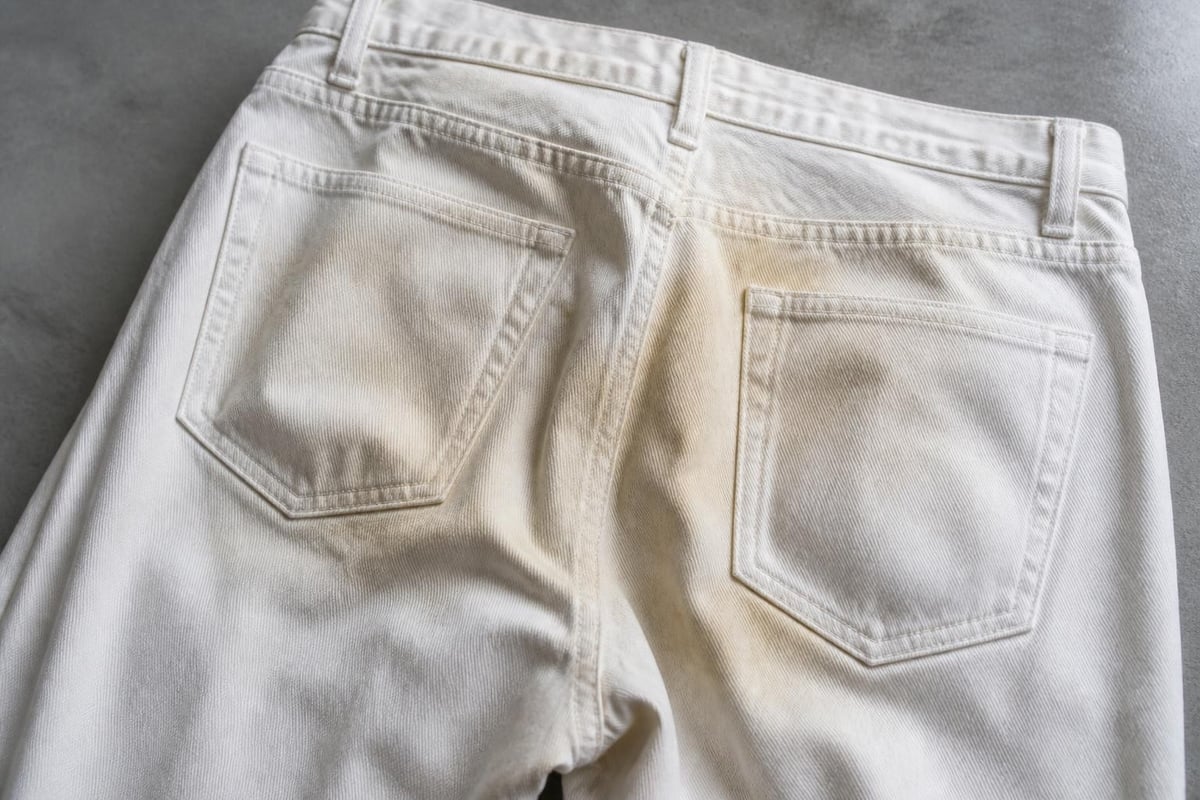
White fabric presents unique challenges that colored clothing simply doesn't face. The absence of dye means every spill, stain, and mark becomes immediately visible against the bright background. White pants attract dirt from surfaces, absorb oils from skin contact, and develop yellowish tints from improper washing or storage.
The fabric composition of your white pants significantly impacts their care requirements. Cotton white pants offer breathability and comfort but absorb stains quickly. Polyester blends resist wrinkling and maintain shape but can develop permanent oil-based stains if not treated promptly. Linen varieties provide summer-appropriate airiness yet wrinkle easily and require gentle handling.
The Science Behind White Fabric Discoloration
Several factors contribute to the gradual dulling of white pants over time. Hard water minerals deposit onto fabric fibers during washing, creating a grayish film. Body oils and sweat contain proteins that oxidize and yellow when exposed to heat. Detergent residue builds up when rinse cycles don't completely remove cleaning agents, leaving behind a dingy appearance.
Understanding these mechanisms helps you select appropriate laundry solutions that address root causes rather than just surface symptoms. Commercial-grade formulations designed for white fabrics contain optical brighteners, enzymes that break down protein-based stains, and chelating agents that bind to mineral deposits.
Immediate Stain Response Strategies
The first minutes after staining white pants determine whether the mark becomes permanent or disappears completely. Acting quickly prevents stains from setting into fabric fibers, where they become exponentially harder to remove.
Common Stain Categories and Initial Treatment
Different stain types require specific approaches for successful removal:
- Protein-based stains (blood, sweat, food): Rinse immediately with cold water, never hot, as heat sets protein stains permanently
- Oil-based stains (grease, makeup, butter): Blot excess oil, apply dish soap or specialized pre-treatment, then rinse
- Tannin stains (coffee, tea, wine): Flush with cold water from the back of the fabric, pushing the stain out rather than through
- Dye transfer: Address immediately with color-removing products before the dye bonds with white fibers
The specialized tips for removing stains from white riding pants emphasize identifying stain composition before treatment, a principle that applies universally to all white pants care.
Emergency Stain Treatment Kit
Keep these items accessible for immediate stain response:
- Clean with cloths or paper towels for blotting
- Portable stain remover pen or wipes
- Small container of oxygen-based bleach powder
- Dish soap for oil-based emergencies
- White vinegar for neutralizing alkaline stains
Never rub stains aggressively, as this pushes the staining agent deeper into fabric weave. Instead, blot from the outside edges toward the center, preventing the stain from spreading to clean areas.
Washing White Pants: Best Practices for 2026
Modern laundry science has evolved significantly, offering solutions that previous generations couldn't access. The right washing approach combines water temperature, detergent selection, machine settings, and additive products.
Temperature and Cycle Selection
Contrary to traditional advice, hot water isn't always optimal for white pants. While heat activates certain cleaning agents, it also sets protein stains and accelerates fabric degradation. A strategic approach varies temperature based on fabric type and soil level.
| Fabric Type | Recommended Temperature | Ideal Cycle |
|---|---|---|
| Cotton white pants | Warm (90-110°F) | Normal/Heavy |
| Polyester/Blend | Cold to warm (60-90°F) | Permanent press |
| Linen white pants | Cold to lukewarm (60-80°F) | Delicate/Gentle |
| Stretch/Performance | Cold (60°F or below) | Delicate/Quick |
Cold water washing has gained popularity for environmental and fabric preservation reasons, but white pants often benefit from warmer temperatures that activate enzyme-based cleaners. The compromise involves using warm water with powerful, eco-friendly formulations designed to work across temperature ranges.
Detergent Selection and Dosage
Not all detergents perform equally on white fabrics. Standard formulations may lack the optical brighteners and specialized enzymes that prevent graying and yellowing. Commercial-grade options provide concentrated cleaning power without excessive suds that trap soil in fabric.
Key detergent features for white pants:
- Enzyme blend targeting protein, starch, and oil-based stains
- Optical brighteners that reflect light for enhanced whiteness
- Chelating agents preventing mineral deposit buildup
- Low-sudsing formula ensuring complete rinsing
- pH-balanced composition protecting fabric integrity
Overdosing detergent creates more problems than it solves. Excess product leaves residue that attracts dirt and dulls appearance. Capsule formulations eliminate guesswork by providing pre-measured doses calibrated for standard loads.

Fight Tough Stains with Laundry Labs Athletic PowerPax™
Keeping white pants bright isn't just about preventing yellowing—it's about removing the stains that inevitably come with everyday life. Whether it's grass from an afternoon picnic, mud from a rainy commute, coffee splashes, food spills, or sweat after a long day, white pants demand a detergent that goes beyond basic cleaning.
That's where Laundry Labs Athletic PowerPax™ stands apart.
Originally engineered for athletes and high-performance fabrics, Athletic PowerPax™ delivers commercial-grade cleaning power that's equally effective on everyday clothing. Its advanced formula contains two powerful enzymes specifically selected to tackle some of the toughest stains you'll encounter.
Protease targets protein-based stains like sweat, blood, dairy, and food by breaking them down into smaller particles that rinse away easily. Amylase attacks starch-based stains from foods such as pasta, potatoes, rice, sauces, and gravies, preventing them from bonding permanently with fabric fibers.
Together, these enzymes work deep within the fabric, lifting stubborn stains instead of simply masking them. Combined with Laundry Labs' concentrated detergent, built-in stain treatment, color protection, odor-fighting technology, and non-ionic softener, Athletic PowerPax™ provides a complete 5-in-1 laundry solution in one simple capsule.
Unlike traditional liquid detergents that require measuring and can easily be overused, each pre-measured capsule delivers the perfect amount of detergent every time. The concentrated formula dissolves quickly, penetrates deep into fibers, and rinses clean without leaving behind residue that can dull white fabrics over time.
For anyone who regularly wears white pants—whether for work, travel, sporting events, or everyday fashion—Athletic PowerPax™ helps keep fabrics looking brighter, cleaner, and fresher wash after wash. It removes everyday stains before they become permanent, combats lingering odors, and helps preserve the crisp appearance that makes white clothing such a timeless wardrobe staple.
You could follow the Athletic PowerPax™ section with something like this:
Every Laundry Labs PowerPax™ Delivers Exceptional Cleaning
While Athletic PowerPax™ is specifically formulated with specialized enzymes to tackle stubborn protein- and starch-based stains, every Laundry Labs PowerPax™ is designed to deliver a powerful clean that keeps white pants looking their best.
Our Linen PowerPax™ is an excellent everyday solution for lifting dirt, everyday spills, and general wear while protecting whites from looking dull over time. For those who love a fresh, elevated fragrance, Lavender PowerPax™ combines the same commercial-grade cleaning performance with a sophisticated scent crafted in France, leaving fabrics smelling luxurious long after the wash is finished.
For individuals with sensitive skin or anyone looking for a fragrance-free option, Free & Clear PowerPax™ provides exceptional cleaning power without added fragrances or dyes. It's dermatologist tested and gentle enough for sensitive skin while still removing everyday dirt and stains effectively.
No matter which Laundry Labs PowerPax™ you choose, every capsule features a concentrated 5-in-1 formula that combines powerful detergent, built-in stain treatment, a non-ionic fabric softener, color protection, and long-lasting freshness in one convenient, pre-measured pod. That means less measuring, less waste, and consistently cleaner, brighter laundry—including the white pants you want looking crisp and fresh every time you wear them.

Advanced Whitening Techniques
Even with excellent washing practices, white pants gradually lose brightness over time. Strategic whitening treatments restore original appearance without damaging fabric.
Oxygen Bleach vs. Chlorine Bleach
The bleach debate continues, but understanding the chemistry clarifies which option serves white pants best. Chlorine bleach provides aggressive whitening but weakens fabric fibers, causes yellowing on certain synthetics, and poses environmental concerns. Oxygen-based bleach (sodium percarbonate) offers gentler whitening that's safer for fabrics and ecosystems.
Oxygen bleach benefits:
- Breaks down to water and oxygen, leaving no harmful residue
- Safe for colored trim or embroidery on white pants
- Removes organic stains without fabric degradation
- Works synergistically with enzyme detergents
- Effective in warm to hot water temperatures
Add oxygen bleach to the washing machine drum before loading white pants, allowing it to dissolve completely before adding detergent. This prevents chemical interactions that reduce effectiveness.
Natural Whitening Alternatives
Sustainability-conscious consumers seek whitening methods that minimize environmental impact. Several natural approaches provide measurable results:
- Sunlight bleaching: UV radiation naturally whitens fabric and kills bacteria
- White vinegar rinse: Removes detergent residue and mineral deposits
- Baking soda boost: Alkaline properties enhance detergent performance
- Lemon juice pre-soak: Citric acid targets organic stains and yellowing
Combining these methods with eco-friendly commercial solutions creates a comprehensive whitening system that addresses multiple discoloration causes simultaneously.
Drying and Storage Best Practices
The care process doesn't end when white pants exit the washing machine. Drying and storage decisions significantly impact long-term appearance and fabric integrity.
Optimal Drying Methods
Heat damage from dryers accelerates fabric degradation and can set residual stains. Air drying provides the gentlest option, though it requires time and appropriate space. When using mechanical dryers, lower heat settings preserve fabric while still providing convenience.
Drying method comparison:
| Method | Whiteness Preservation | Fabric Protection | Time Required | Energy Use |
|---|---|---|---|---|
| Line drying in sun | Excellent | Excellent | 2-6 hours | None |
| Indoor air drying | Good | Excellent | 6-12 hours | None |
| Low heat dryer | Good | Good | 45-60 minutes | Moderate |
| High heat dryer | Fair | Poor | 30-40 minutes | High |
Remove white pants from the dryer while slightly damp to prevent heat-related yellowing and make ironing easier. The step-by-step instructions for removing stains from white shirts also emphasize post-wash inspection before drying, as heat permanently sets any remaining stains.

Long-Term Storage Solutions
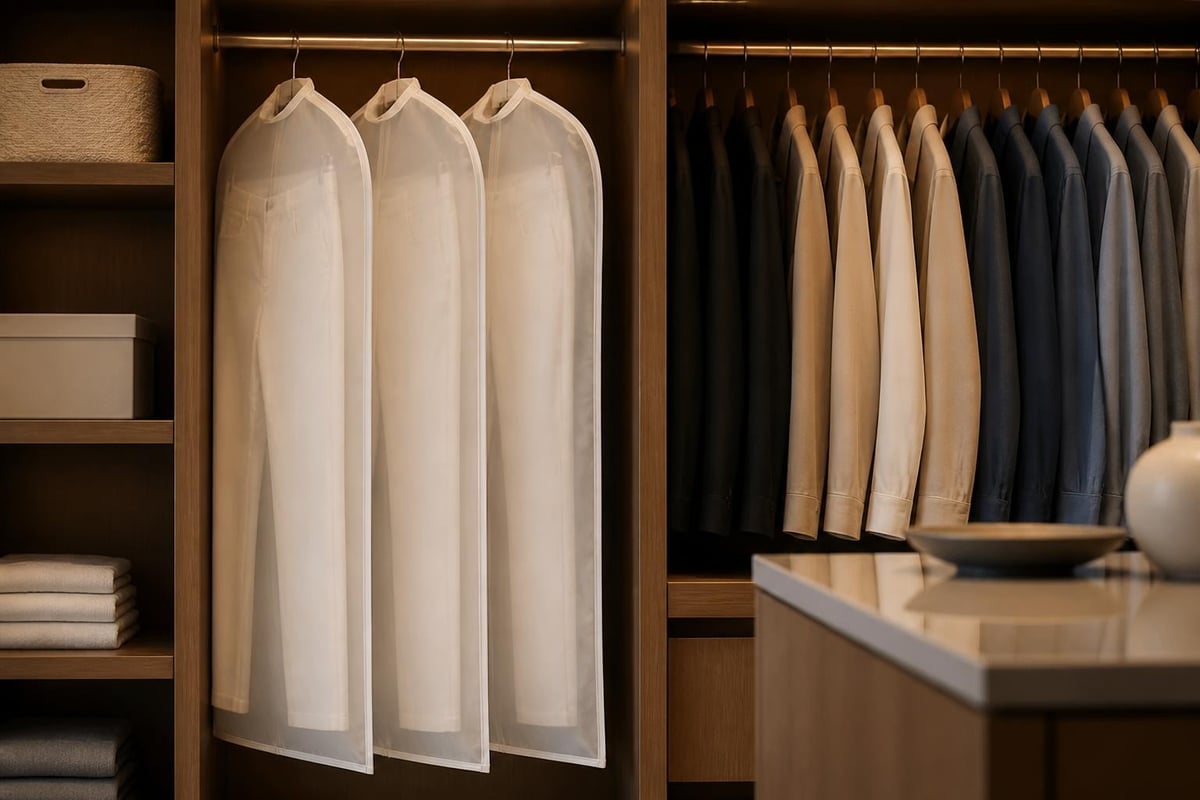
Improper storage causes white pants to yellow even when clean. Plastic bags trap moisture and encourage mildew growth. Acidic cardboard boxes leach compounds that discolor fabric. Exposure to wood resins from untreated closet shelving creates brown spots.
Store white pants in breathable cotton garment bags or acid-free tissue paper. Maintain closet humidity below sixty percent to prevent mildew while avoiding excessive dryness that weakens fibers. Keep white pants away from direct sunlight during storage, as prolonged UV exposure causes photodegradation and yellowing.
Seasonal Considerations for White Pants Care
White pants serve different purposes across seasons, requiring adjusted care approaches. The white jeans trend endorsed by Victoria Beckham demonstrates year-round versatility, while white linen trouser outfits showcase summer-specific styling.
Summer White Pants Maintenance
Warm weather increases perspiration, sunscreen use, and outdoor dining-all factors that challenge white pants. Sweat stains require immediate attention, as body salts and proteins oxidize quickly in heat. Sunscreen contains oils and chemical compounds that create stubborn yellow stains.
Pre-treat white pants before wearing them in high-risk summer situations. Apply fabric protector sprays that create barriers against oil and water-based stains. Carry portable stain removal tools during outdoor events. Wash white pants after each wearing during summer months, as accumulated perspiration degrades fabric even when invisible.
Winter and Transitional Season Care
Cooler months bring different challenges. Salt used for ice melting creates white crusty residues on pant hems. Holiday foods with rich sauces pose stain risks. Reduced washing frequency due to less perspiration allows stains to set longer.
The growing popularity of white tailored pants in professional settings means year-round wear regardless of season. Inspect white pants carefully after each wearing, treating any spots immediately even if delaying full washing.
Professional vs. Home Care Decisions
Some white pants benefit from professional cleaning expertise, while others thrive with home care. Understanding when to seek professional help protects your investment and maintains appearance.
When Professional Cleaning Makes Sense
Delicate fabrics, structured tailoring, and embedded embellishments often require professional attention. Dry cleaners possess specialized equipment and solvents unavailable to home launderers. They handle set-in stains with professional-grade treatments and press tailored white pants to maintain crisp lines.
Professional cleaning indicators:
- Designer white pants with specific care requirements
- Structured pieces with interfacing or padding
- Stains that resist multiple home treatment attempts
- White pants requiring professional pressing for work settings
Maximizing Home Care Effectiveness
Most white pants respond well to proper home care when using appropriate products and techniques. Commercial-grade laundry capsules provide professional-level cleaning power in home machines, combining detergent, softener, stain treatment, and odor control in single-dose convenience.
Building effective home care routines requires consistency. Treat stains immediately, wash white pants separately from colored items, use appropriate water temperature and detergent, and inspect results before drying. This systematic approach prevents the gradual decline that necessitates professional intervention.
Fabric-Specific White Pants Care
Different fabric compositions demand tailored care approaches. Understanding your white pants' material ensures optimal treatment.
Cotton and Cotton Blends
Pure cotton white pants tolerate higher temperatures and stronger cleaning agents than synthetic alternatives. They benefit from hot water washing with oxygen bleach for maximum whitening. However, cotton shrinks when exposed to heat, so preshrink new white pants or account for size reduction.
Cotton-polyester blends combine cotton's breathability with polyester's wrinkle resistance. Treat these as delicate fabrics, using warm rather than hot water to prevent polyester yellowing while still activating cleaning agents.
Linen White Pants
Linen's natural texture and drape make it popular for summer white pants, but the fabric requires gentle handling. Wash linen white pants in cold to lukewarm water on delicate cycles. Avoid excessive agitation that damages long fibers. Remove promptly from the washer to prevent deep wrinkling.
Linen naturally softens and becomes more comfortable with repeated washing. Embrace this evolution rather than fighting it with heavy starching that stiffens fabric and reduces breathability.
Performance and Stretch Fabrics
Modern white pants often incorporate spandex or elastane for comfort and movement. These elastic fibers degrade when exposed to heat, chlorine bleach, or fabric softeners. Wash stretch white pants in cold water with specialized detergent formulations designed for performance fabrics.
Air dry stretch white pants when possible, as dryer heat accelerates elastic breakdown. If machine drying, use the lowest temperature setting and remove while damp.
Preventive Measures for Long-Term Whiteness
The best stain treatment is prevention. Strategic habits protect white pants before problems develop.
Pre-Wear Preparation
Apply fabric protector sprays to new white pants before first wearing. These invisible barriers repel liquids and oils, giving you time to address spills before they penetrate fibers. Reapply protection every five to seven washes to maintain effectiveness.
Choose undergarments carefully when wearing white pants. Dyes from colored underwear can transfer through perspiration. Select white or nude-toned undergarments to prevent visible lines and color bleeding.
Mindful Wearing Habits
Exercise caution in high-risk environments when wearing white pants. Sit on clean surfaces, avoid leaning against dirty walls or vehicles, and protect your lap during meals with napkins. These simple awareness practices dramatically reduce staining incidents.
The beaded sandals trend paired with white jeans demonstrates fashion-forward styling, but footwear choices also impact white pants care. Ensure shoes are clean before wearing with white pants to prevent hem staining from shoe polish or dirt transfer.
Troubleshooting Common White Pants Problems
Even with excellent care, white pants occasionally develop issues requiring targeted solutions.
Yellowing and Graying
White pants that develop yellow or gray tints despite regular washing need restoration treatment. Strip washing removes built-up residue causing discoloration. Fill a bathtub or large basin with hot water, add one part powdered detergent, one part borax, and one part washing soda. Submerge white pants and soak for four hours, stirring occasionally.
After stripping, wash white pants in the machine with regular detergent and oxygen bleach. This intensive treatment restores brightness but shouldn't be performed frequently, as it stresses fabric fibers.
Dye Transfer Resolution
Accidentally washing white pants with colored items creates dye transfer disasters. Address immediately, as heat from drying sets transferred dye permanently. Rewash affected white pants in hot water with oxygen bleach and color remover products. Multiple wash cycles may be necessary for complete dye removal.
Odor Retention Issues
White pants that smell musty or retain body odor despite washing indicate bacterial growth in fabric or washing machine issues. Add white vinegar to the rinse cycle, which kills bacteria and neutralizes odors. Clean your washing machine monthly with vinegar and baking soda to prevent biofilm buildup that transfers to clothing.
The Role of Water Quality in White Pants Care
Hard water significantly impacts white pants appearance over time. High mineral content interferes with detergent effectiveness and deposits compounds onto fabric.
Identifying Hard Water Problems
Signs your water affects white pants care include:
- Stiff, rough fabric texture after washing
- Gray or dingy appearance despite new detergent
- Soap scum residue on white pants
- Reduced detergent lather during washing
Test your water hardness with inexpensive test strips available at hardware stores. Water with mineral content above seven grains per gallon requires treatment for optimal laundry results.
Solutions for Hard Water Challenges
Water softening systems provide comprehensive solutions but require significant investment. More accessible options include adding water softening agents to each wash load. Products containing sodium carbonate bind to minerals, preventing fabric deposition.
Consider installing an inline filter on your washing machine's water supply. These devices remove minerals before water enters the machine, protecting both white pants and appliance components from scale buildup.
Maintaining white pants requires dedication, appropriate products, and consistent care practices that address fabric-specific needs while preventing common problems. By implementing immediate stain response strategies, using optimal washing techniques, and protecting white pants during storage, you'll extend their lifespan and preserve their brilliant appearance.
When you're ready to upgrade your laundry routine with powerful, eco-friendly solutions designed for exceptional results, explore the commercial-grade formulations at Laundry Labs that combine detergent, softener, stain treatment, and odor control in convenient capsules engineered for both efficiency and sustainability.