How to Clean Sneakers: The Complete Care Guide

Sneakers have evolved from simple athletic footwear into essential everyday items that represent personal style, performance needs, and significant investment. Whether you're maintaining premium athletic shoes, casual canvas favorites, or specialized performance footwear, knowing how to properly clean sneakers protects your investment while ensuring optimal hygiene and longevity. The cleaning methods you choose directly impact not only the appearance of your footwear but also the health of your feet, the lifespan of the materials, and even the environment. This comprehensive guide provides professional-grade strategies for keeping your sneakers fresh, functional, and looking their best.
Understanding Sneaker Materials and Cleaning Requirements
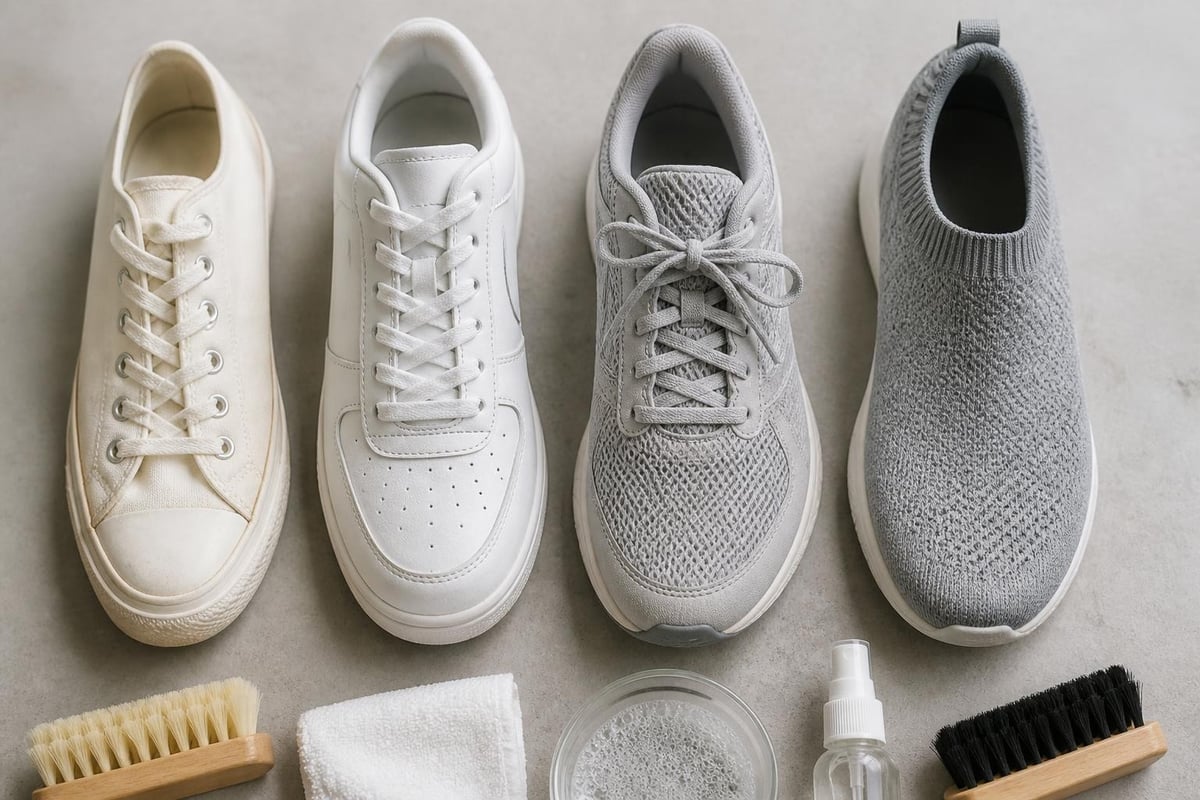
Different sneaker materials demand specific cleaning approaches to prevent damage while achieving optimal results. Modern athletic and casual footwear incorporates diverse materials, each with unique vulnerabilities and care needs.
Canvas and fabric sneakers represent the most washing-machine-friendly category. These breathable materials typically withstand regular washing cycles when proper precautions are taken. Cotton canvas, polyester blends, and synthetic mesh respond well to gentle agitation and mild detergents.
Leather and synthetic leather require more delicate handling. These materials can crack, dry out, or lose their finish when exposed to excessive water or harsh chemicals. Spot cleaning and conditioning typically deliver better results than full immersion washing.
Knit and engineered mesh materials, common in modern performance footwear, need careful temperature control and minimal agitation. The American Podiatric Medical Association emphasizes that proper footwear care contributes to overall foot health, making material-appropriate cleaning essential.
Pre-Cleaning Assessment Checklist
Before starting any cleaning process, evaluate your sneakers using these criteria:
- Manufacturer care labels and specific washing prohibitions
- Structural integrity of soles, stitching, and adhesive bonds
- Embellishments such as sequins, metallic finishes, or delicate trim
- Age and condition of the materials
- Stain types requiring pre-treatment
| Material Type | Machine Wash Safe | Hand Wash Only | Special Considerations |
|---|---|---|---|
| Canvas | Yes | Yes | Remove laces, use cold water |
| Synthetic Mesh | Yes (gentle) | Preferred | Avoid high heat |
| Leather | No | Yes | Use leather-specific cleaner |
| Knit | Yes (delicate) | Preferred | Low agitation, air dry only |
| Suede/Nubuck | No | Limited | Dry cleaning methods only |
Machine Washing Sneakers: The Professional Approach
Machine washing offers the most thorough cleaning for appropriate sneaker types, but technique matters significantly. Following manufacturer guidelines prevents damage to both your footwear and your washing machine.
Preparation Steps for Machine Washing
Proper preparation determines washing success and prevents equipment damage. Start by removing loose dirt with a dry brush or cloth. Heavy soil particles can clog drainage systems and redistribute grime during the wash cycle.
Remove laces and insoles completely. These components benefit from separate cleaning and dry at different rates than the shoes themselves. Laces can be placed in a small mesh bag, while insoles should be hand-washed separately.
Pre-treating stains significantly improves outcomes. Apply a small amount of concentrated detergent directly to heavily soiled areas, grass stains, or scuff marks. Allow the pre-treatment to work for 10-15 minutes before washing.
The Cleaning Institute provides specific guidance on when machine washing is appropriate and when hand washing provides better results for sneaker care.
Optimal Machine Settings and Protection
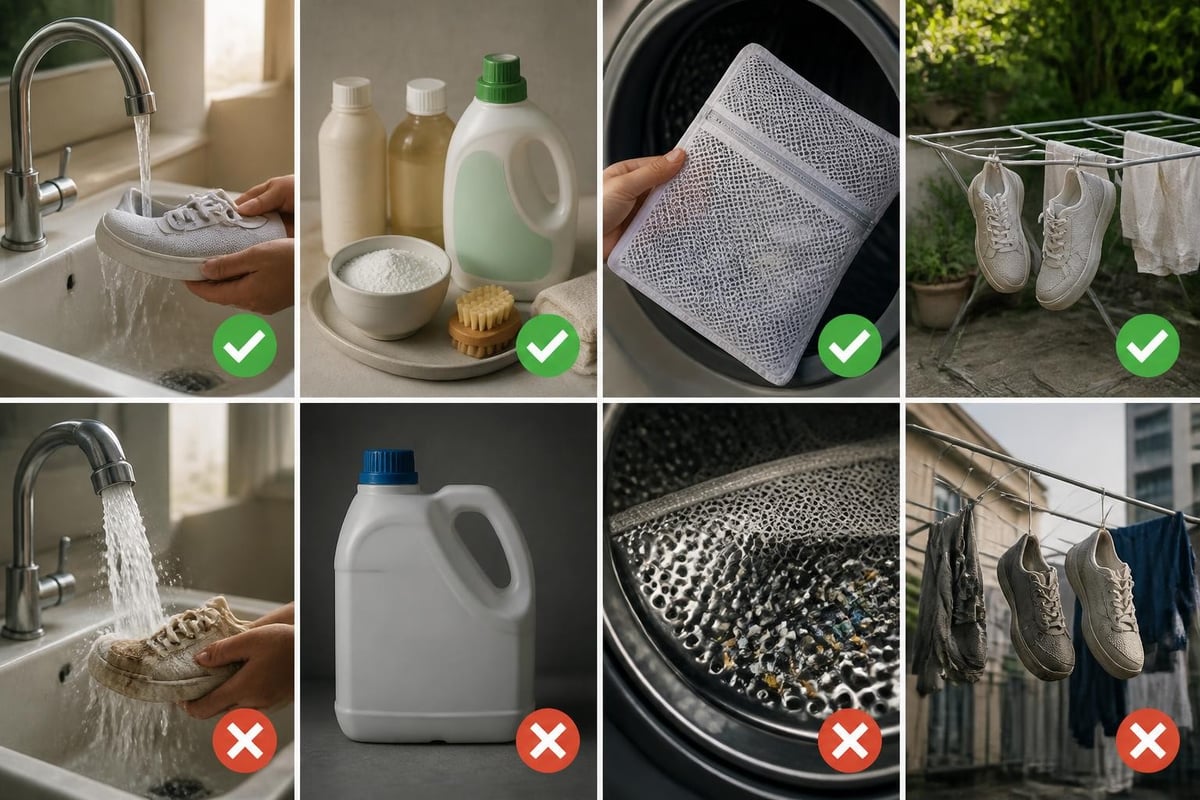
- Place sneakers in a mesh laundry bag or pillowcase to reduce impact
- Add towels to balance the load and cushion shoes during agitation
- Select cold water to prevent adhesive breakdown and color bleeding
- Choose gentle or delicate cycle for minimal agitation
- Use appropriate detergent quantity based on load size
Samsung's appliance experts recommend specific cycles and precautions that protect both footwear and washing machine components during sneaker cleaning. Modern machines often include dedicated shoe-washing cycles with optimized spin speeds.
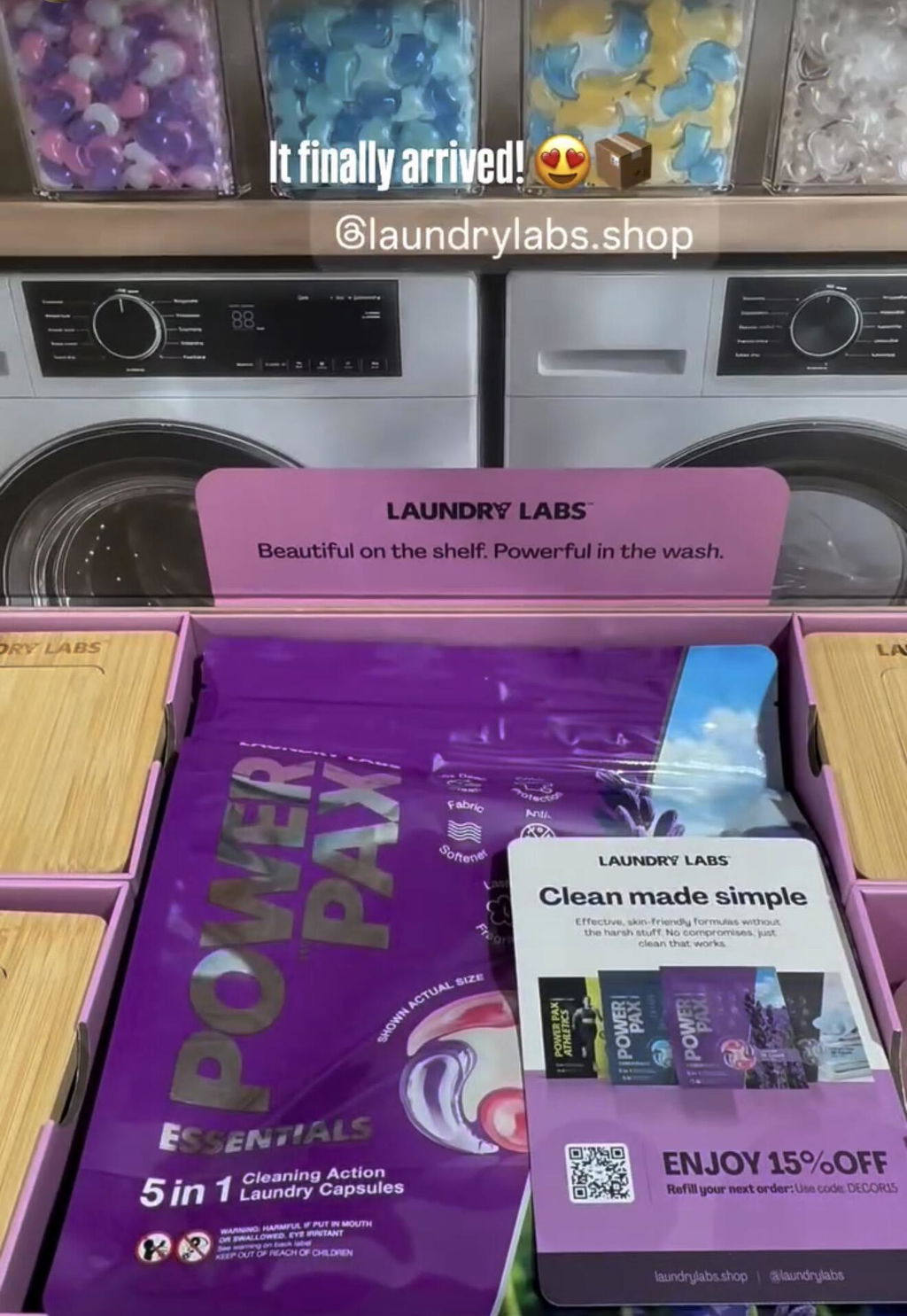
Detergent selection impacts cleaning effectiveness and environmental responsibility. Commercial-grade formulations designed for athletic wear and heavily soiled items deliver superior results. Solutions combining cleaning power with eco-friendly credentials address both performance and sustainability concerns.
Hand Washing Techniques for Delicate and Premium Sneakers
Hand washing provides greater control and gentleness for sneakers that cannot withstand machine agitation. This method suits leather footwear, embellished designs, and vintage or collectible shoes.
Creating an Effective Hand-Washing Station
Fill a basin or sink with cool to lukewarm water. Hot water can damage adhesives, cause materials to shrink, or set certain stains permanently. The water level should be sufficient to submerge the shoes partially without completely flooding them.
Add a small amount of high-quality detergent formulated for delicate items. Concentrated formulations require less product while delivering powerful cleaning action. Avoid using excessive soap, which creates hard-to-rinse residue and can attract dirt after drying.
Create a gentle lather by agitating the water before introducing the sneakers. This ensures even detergent distribution and prevents concentrated soap from settling on specific areas.
The Systematic Cleaning Process
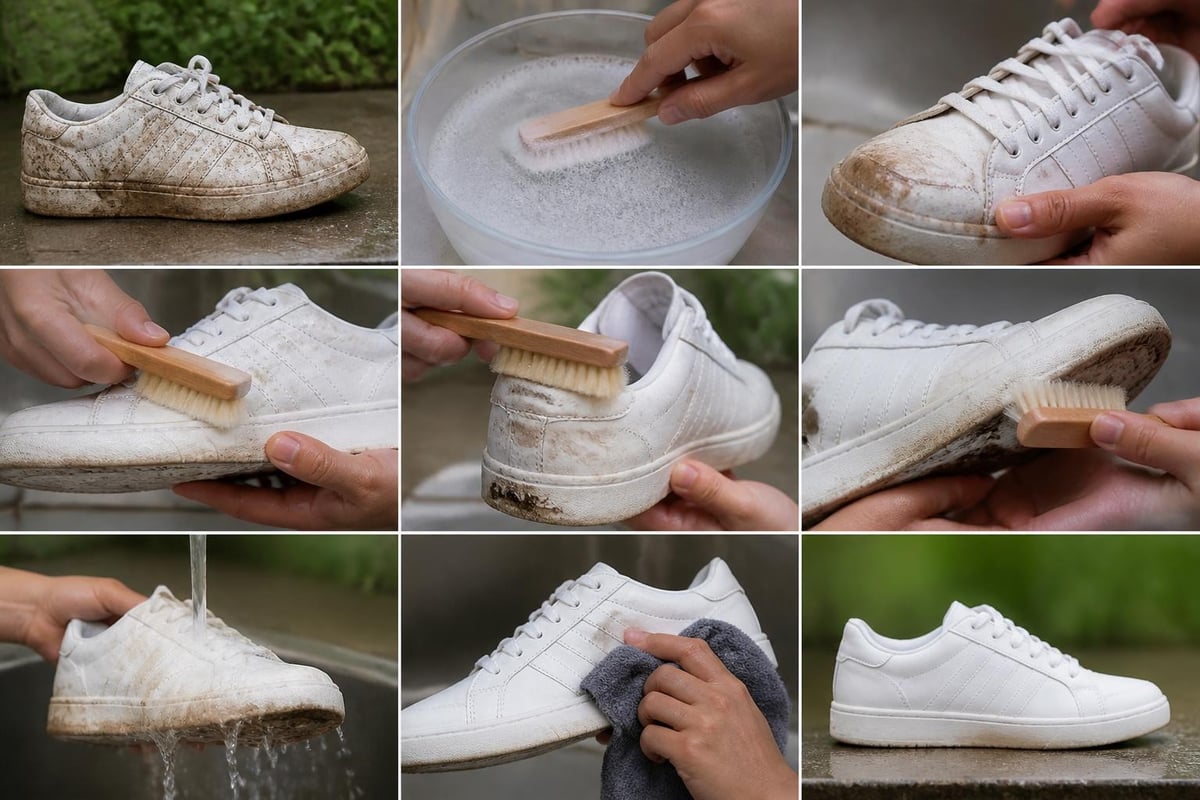
Work methodically across each shoe's surface using these techniques:
- Soft-bristle brush or cloth for general cleaning
- Old toothbrush for detailed work around logos, seams, and textured areas
- Gentle circular motions that lift dirt without damaging fibers
- Extra attention to toe boxes, heel counters, and sole edges where grime accumulates
For white or light-colored rubber soles, a paste of baking soda and water provides gentle abrasive action that removes yellowing and scuffs. Apply this mixture, let it sit briefly, then scrub with a brush designed for footwear cleaning.
According to recent reporting in Time magazine, experts emphasize that proper cleaning reduces bacteria and odors that can impact foot health, making thorough hand washing worthwhile for premium footwear.
Targeted Stain Treatment and Odor Control
Specific stains and persistent odors require specialized approaches beyond general washing. Understanding stain chemistry and odor sources enables more effective treatment.
Common Sneaker Stains and Solutions
Different stains respond to different treatments. Protein-based stains (grass, blood, food) require enzymatic action. Oil-based stains need surfactants that break down grease. Dye transfer and color bleeding demand color-safe treatments.
Grass stains respond well to enzyme-based pre-treatments applied before washing. The enzymes break down chlorophyll proteins that create the green discoloration. For stubborn cases, allow the treatment to work for 30 minutes before washing.
Mud and dirt should dry completely before removal attempts. Once dry, brush away the loose particles, then spot-clean any remaining stains. Attempting to clean wet mud simply spreads it deeper into fabric fibers.
Scuff marks on rubber often respond to simple erasers or melamine foam cleaning pads. These gentle abrasives lift surface marks without damaging the underlying material.
| Stain Type | Treatment Method | Application Time |
|---|---|---|
| Grass | Enzyme pre-treatment | 15-30 minutes |
| Oil/Grease | Concentrated detergent | 10-15 minutes |
| Mud (dried) | Dry brush then spot clean | As needed |
| Scuff marks | Eraser or melamine foam | Immediate |
| Blood | Cold water + enzyme treatment | 30 minutes |
Eliminating Persistent Odors
Sneaker odors result from bacteria that thrive in warm, moist environments. Effective odor control addresses both the bacteria and the conditions they require.
Immediate post-wear care prevents odor development. Remove insoles after wearing and allow both insoles and shoes to air dry completely in a well-ventilated area. Shoes that remain damp between wearings become bacterial incubators.
Baking soda provides natural odor absorption. Sprinkle a generous amount inside each shoe, let it sit overnight, then shake or vacuum out the powder. For severe odors, repeat this process several times.
Freezing offers an unconventional but effective odor-control method. Place shoes in a sealed plastic bag and freeze overnight. The extreme cold kills odor-causing bacteria. Allow shoes to return to room temperature and air out before wearing.
All-in-one cleaning solutions that combine stain treatment with odor control streamline the cleaning process while delivering comprehensive results.
Drying Methods That Preserve Shape and Materials
Proper drying technique is as critical as the cleaning process itself. Improper drying causes shrinkage, warping, and material degradation that shortens sneaker lifespan.
Why Heat Damages Sneakers
Never use direct heat sources such as radiators, hair dryers, or clothes dryers. High temperatures cause multiple problems:
- Adhesives soften and fail, causing sole separation
- Materials shrink at different rates, creating distortion
- Colors fade or bleed
- Leather cracks and stiffens
- Synthetic materials melt or deform
The slow, even drying provided by air circulation preserves structural integrity and material properties.
Professional Air-Drying Techniques
- Remove excess water by gently pressing with clean towels
- Stuff shoes with white paper (newsprint can transfer ink) or clean cloths
- Replace stuffing every few hours as it absorbs moisture
- Position shoes in a well-ventilated area away from direct sunlight
- Allow 24-48 hours for complete drying
Maintaining shoe shape during drying prevents creasing and maintains proper fit. The stuffing supports materials as they dry, preventing collapse or distortion.
Insoles and laces dry separately on flat surfaces or hanging, respectively. Insoles should lay flat to prevent curling. Laces can hang over a shower rod or clothesline for even drying.
Environmental Considerations and Sustainable Cleaning
Sneaker care impacts more than just footwear appearance. Cleaning methods affect water consumption, chemical release, and microplastic pollution, making sustainable choices increasingly important.
Microplastic Release During Washing
Research published in Frontiers in Environmental Science documents how household washing releases microplastic fibers from synthetic materials. Sneakers contain substantial synthetic components that shed microscopic particles during agitation.
Mitigation strategies include:
- Using mesh laundry bags designed to capture microfibers
- Selecting shorter wash cycles with minimal agitation
- Installing washing machine filters that trap particles before wastewater discharge
- Reducing washing frequency through spot-cleaning and preventive care
Eco-Friendly Product Selection
Consumer Reports' comprehensive detergent testing evaluates both cleaning performance and environmental impact. High-efficiency formulations reduce water and energy consumption while delivering superior results.
Concentrated detergents require smaller quantities per load, reducing packaging waste and transportation emissions. Products with plant-based surfactants and biodegradable ingredients minimize environmental persistence after wastewater treatment.
Solutions focusing on powerful yet sustainable cleaning demonstrate that environmental responsibility and cleaning effectiveness are not mutually exclusive goals.
Preventive Maintenance and Long-Term Care
Consistent preventive care reduces cleaning frequency and extends sneaker lifespan. Small regular efforts prevent the accumulation of soil and damage that require intensive intervention.
Daily and Weekly Maintenance Practices
After each wearing, remove surface dirt with a dry brush or cloth. This 30-second habit prevents soil from embedding in materials and staining surfaces. Pay special attention to sole edges where mud and debris collect.
Weekly inspections identify small issues before they become significant problems. Check for:
- Loose stitching requiring repair
- Sole separation needing adhesive
- Worn areas demanding protective treatment
- Developing stains requiring immediate attention
Rotation strategies allow shoes adequate recovery time between wearings. Alternating between two or three pairs gives materials time to dry completely and resilience to recover, significantly extending functional life.
Protective Treatments and Weatherproofing
Fabric protectors create invisible barriers that repel water and resist staining. Apply these treatments to clean, dry sneakers following manufacturer directions. Reapply periodically as the protection degrades with wear and cleaning.
Leather conditioning prevents cracking and maintains suppleness. Apply leather-specific conditioners every few months to dress leather sneakers, working the product into the material with a soft cloth.
For athletic and performance footwear, specialized cleaning formulations designed for activewear address the unique challenges of moisture-wicking fabrics, compression materials, and technical constructions.
Storage Strategies That Maintain Condition
Proper storage during off-season periods or between wearings preserves sneaker condition and prevents unnecessary degradation.
Optimal Storage Conditions
Clean sneakers thoroughly before long-term storage. Stored soil becomes harder to remove over time and can permanently stain materials. Ensure complete dryness to prevent mildew and material breakdown.
Climate-controlled environments prevent extreme temperature and humidity fluctuations that damage materials. Avoid attics, basements, and garages where conditions vary dramatically.
Store sneakers in their original boxes or clear containers that allow air circulation while protecting from dust. Avoid completely sealed plastic bags that trap moisture and promote mildew growth.
Stuffing shoes during storage maintains shape and prevents creasing. Use acid-free tissue paper, shoe trees, or clean, undyed fabric. Newspaper works short-term but can transfer ink and yellow with age.
Organization Systems for Sneaker Collections
For substantial collections, organization systems facilitate rotation and prevent overcrowding:
- Clear shoe boxes enable visual identification while protecting from dust
- Shelving systems maximize vertical space and improve air circulation
- Rotating displays make selection easier and encourage even wear distribution
- Digital inventory tracks purchase dates, cleaning history, and wear patterns
Maintaining detailed records helps optimize cleaning schedules and replacement timing, maximizing value from each pair.
Special Considerations for Athletic and Performance Footwear
Athletic sneakers designed for running, training, or sport-specific activities require additional care considerations beyond aesthetic cleaning. Performance characteristics depend on material integrity and structural soundness.
Preserving Performance Features
Modern athletic footwear incorporates advanced technologies: responsive cushioning, stability systems, breathable waterproofing, and engineered support structures. Improper cleaning can compromise these features.
Cushioning systems containing air, gel, or foam respond differently to cleaning. Excessive heat or harsh chemicals can break down these materials, reducing shock absorption and comfort. Always use cool water and gentle detergents.
Waterproof-breathable membranes require specific care to maintain their function. Standard detergents can clog microscopic pores that allow moisture vapor to escape. Specialized cleaners designed for technical fabrics preserve membrane performance.
Stability features built into midsoles and heel counters depend on precise material properties. Degradation from improper cleaning affects biomechanics and injury risk, particularly for serious athletes.
Post-Activity Cleaning Protocols
Addressing athletic soil immediately prevents permanent staining and odor development. Create a post-workout routine:
- Remove and air insoles separately from shoes
- Wipe down exteriors to remove sweat and surface soil
- Address visible stains with spot treatment
- Allow complete drying before next use
For regular maintenance of athletic footwear, solutions that combine powerful cleaning with pleasant fragrance address both functional and aesthetic concerns.
Professional Cleaning Services and When to Use Them
Some sneakers warrant professional cleaning services, particularly high-value collectibles, designer footwear, or shoes with complex constructions that exceed home cleaning capabilities.
Situations Requiring Professional Intervention
Professional services offer value for:
- Premium leather and exotic materials requiring specialized conditioning
- Collectible or limited-edition releases where preservation value exceeds service cost
- Severely damaged or aged footwear needing restoration beyond cleaning
- Complex constructions with multiple material types requiring different treatments
Professional sneaker cleaners possess specialized equipment, products, and expertise for handling delicate or valuable footwear safely.
DIY Versus Professional Cost Analysis
| Factor | DIY Cleaning | Professional Service |
|---|---|---|
| Cost per pair | $2-5 (supplies) | $25-75 |
| Time investment | 45-90 minutes | Drop-off convenience |
| Risk level | Moderate (user error) | Low (expertise) |
| Results | Good for routine care | Superior for restoration |
| Best for | Regular maintenance | Special occasions/valuable shoes |
For routine maintenance of everyday footwear, developing DIY proficiency delivers excellent value. Reserve professional services for special circumstances requiring expertise beyond typical home capabilities.
Troubleshooting Common Cleaning Problems
Even with careful technique, cleaning challenges occasionally arise. Understanding solutions to common problems prevents minor issues from becoming permanent damage.
Yellowing of White Soles and Materials
Yellowing results from oxidation, UV exposure, and soil accumulation. Treatment depends on the underlying cause:
For oxidation yellowing, create a paste using hydrogen peroxide and baking soda. Apply to affected areas, expose to sunlight for 2-3 hours (the UV activates the peroxide), then rinse thoroughly. Repeat if necessary.
For embedded soil yellowing, use a stronger concentration of detergent or oxygen-based bleach safe for the material. Extended soaking may be necessary for severe cases.
Color Bleeding and Transfer
When colors bleed during washing, act quickly. Rinse affected areas immediately with cold water to prevent setting. Color-removal products designed for laundry may reverse minor bleeding on white or light materials.
Prevention strategies include:
- Always washing new, brightly colored sneakers separately the first few times
- Using cold water exclusively for multi-color shoes
- Testing colorfastness on inconspicuous areas before full cleaning
- Avoiding prolonged soaking of shoes with multiple colors
Persistent Odors After Cleaning
When odors survive washing, bacteria have penetrated deeply into materials or remain in difficult-to-clean areas. Address this through:
- Enzyme-based odor eliminators that break down organic compounds
- Extended air-drying periods ensuring complete moisture removal
- Replacement of insoles if they remain the odor source
- Disinfectant solutions safe for the specific materials
Mastering these professional techniques to clean sneakers protects your footwear investment while promoting foot health and environmental responsibility. Whether you choose machine washing for durable materials or hand cleaning for premium footwear, proper methods preserve appearance, function, and longevity. Laundry Labs offers powerful, eco-friendly capsule formulations that combine detergent, softener, stain treatment, and odor control in one convenient solution, making it easier than ever to achieve professional-grade results for your sneakers and all your laundry needs.