Ecological Laundry: A 2026 Guide to Sustainable Washing

The laundry industry stands at a critical crossroads in 2026, where environmental responsibility and cleaning performance must work together rather than compete. Ecological laundry represents a comprehensive approach to fabric care that minimizes environmental impact while maintaining the high standards consumers and businesses demand. This shift toward sustainable washing practices encompasses everything from the products we use to the machines that process our textiles, creating a ripple effect that extends far beyond the laundry room. As awareness grows about the hidden costs of conventional washing practices, understanding how to implement truly sustainable solutions has become essential for both residential users and commercial operations.
Understanding the Environmental Impact of Traditional Laundry
Traditional laundry practices consume substantial resources and release pollutants that many people never consider. The average American household washes approximately 300 loads of laundry annually, consuming thousands of gallons of water and significant energy. According to the U.S. EPA's technical guidance on clothes washers, conventional washing machines can use 15-30 gallons per load, while energy consumption for heating water accounts for roughly 90% of the total energy used during a wash cycle.
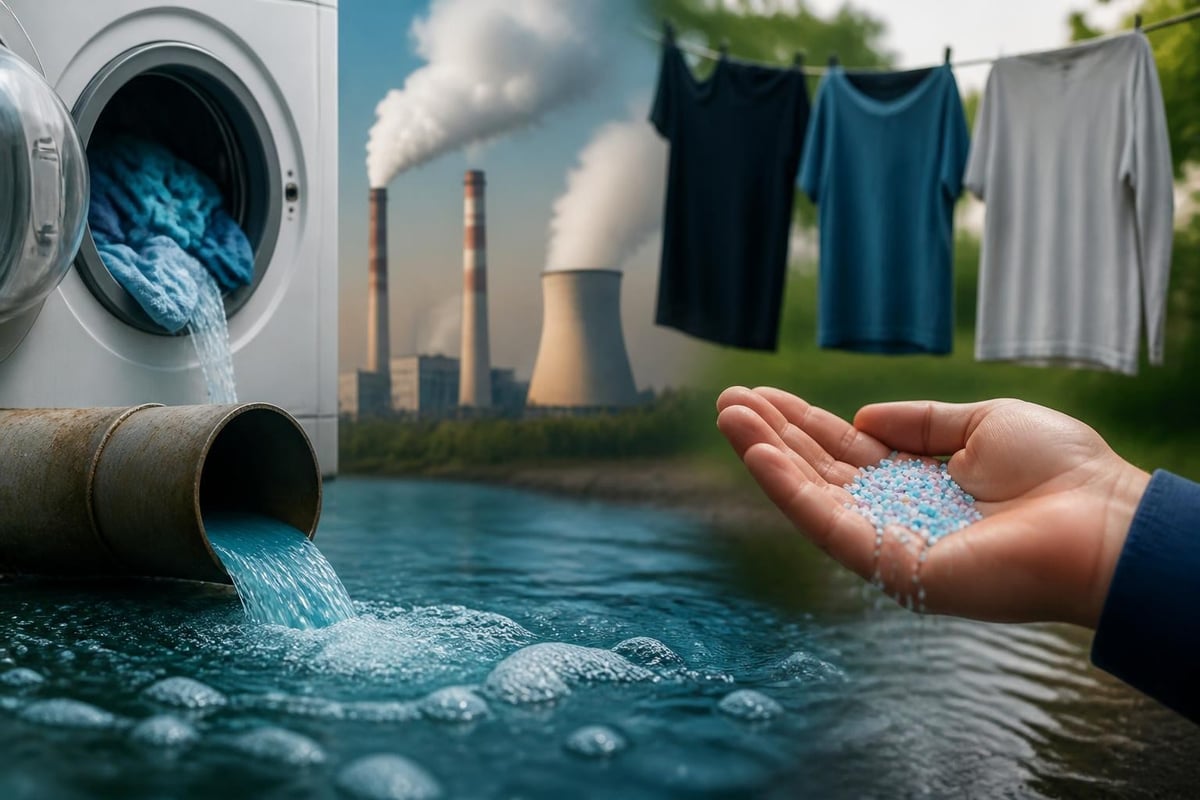
Beyond resource consumption, conventional detergents introduce phosphates, synthetic fragrances, and optical brighteners into water systems. These chemicals persist in the environment, contributing to algal blooms and aquatic ecosystem disruption.
The Microplastic Crisis in Washing
One of the most alarming discoveries in recent years involves microfiber pollution from synthetic textiles. Research published in Water, Air, & Soil Pollution demonstrates that a single wash cycle can release hundreds of thousands of microfibers into wastewater. These tiny plastic particles pass through treatment facilities and accumulate in oceans, rivers, and even drinking water.
European initiatives like the SuspensionFlow project are developing biomimetic filtration systems to capture these microplastics before they enter water systems, representing the kind of innovative thinking ecological laundry demands.
Core Principles of Ecological Laundry Systems
Ecological laundry operates on several interconnected principles that work together to reduce environmental impact. Understanding these foundations helps consumers and businesses make informed decisions about their washing practices.
Water Conservation Strategies
- Use cold water whenever possible to eliminate heating energy
- Select appropriate water levels for load size
- Invest in high-efficiency washers with Integrated Water Factor ratings below 4.0
- Implement pre-treatment for stains to avoid rewashing
Energy Efficiency Measures
- Choose ENERGY STAR certified machines that use 25% less energy
- Run full loads to maximize efficiency per garment
- Air-dry when feasible to eliminate dryer energy consumption
- Schedule washing during off-peak energy hours
Chemical Reduction Approaches
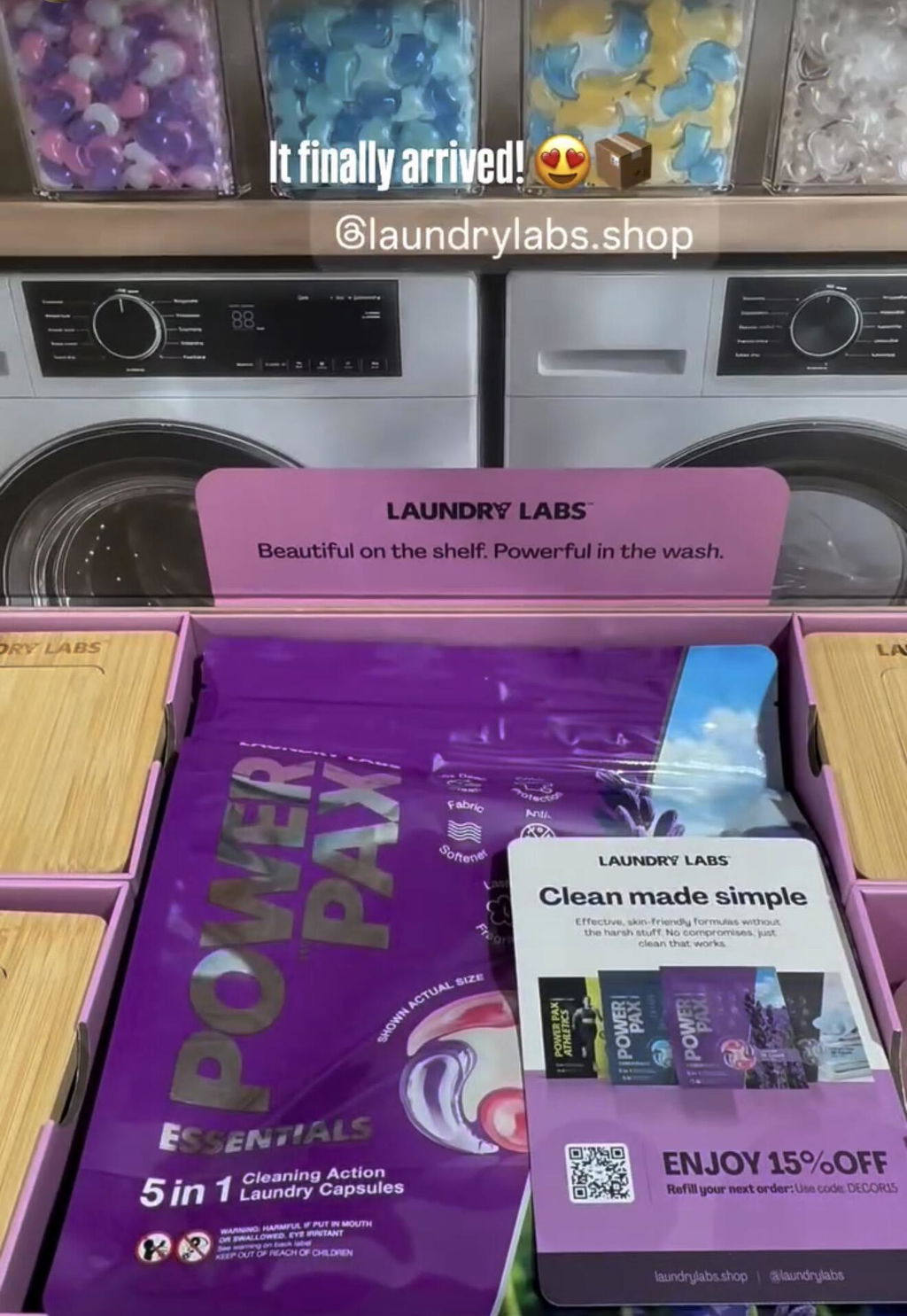
Modern ecological laundry products achieve exceptional cleaning power without harsh chemicals. Brands like Laundry Labs have developed concentrated formulations that combine multiple functions in single-dose capsules, reducing packaging waste and chemical load while maintaining commercial-grade cleaning performance.
Choosing Sustainable Detergent Formulations
The selection of cleaning products represents one of the most impactful decisions in ecological laundry. Consumer Reports' eco-friendly detergent guide emphasizes the importance of biodegradable surfactants, phosphate-free formulations, and concentrated formats that reduce transportation emissions.
| Detergent Type | Environmental Benefits | Cleaning Performance | Cost Efficiency |
|---|---|---|---|
| Powder Concentrates | Minimal packaging, no water weight | Excellent for hard water | High per load |
| Liquid Concentrates | Versatile applications | Effective cold water | Moderate |
| Single-Dose Capsules | Precise dosing, reduced waste | Consistent results | Premium |
| Soap Nuts/Natural | Fully biodegradable | Limited stain removal | Variable |
For households seeking sustainable options without compromising performance, exploring the best eco laundry detergent options can provide guidance on balancing environmental responsibility with cleaning power.
Implementing Ecological Laundry in Commercial Settings
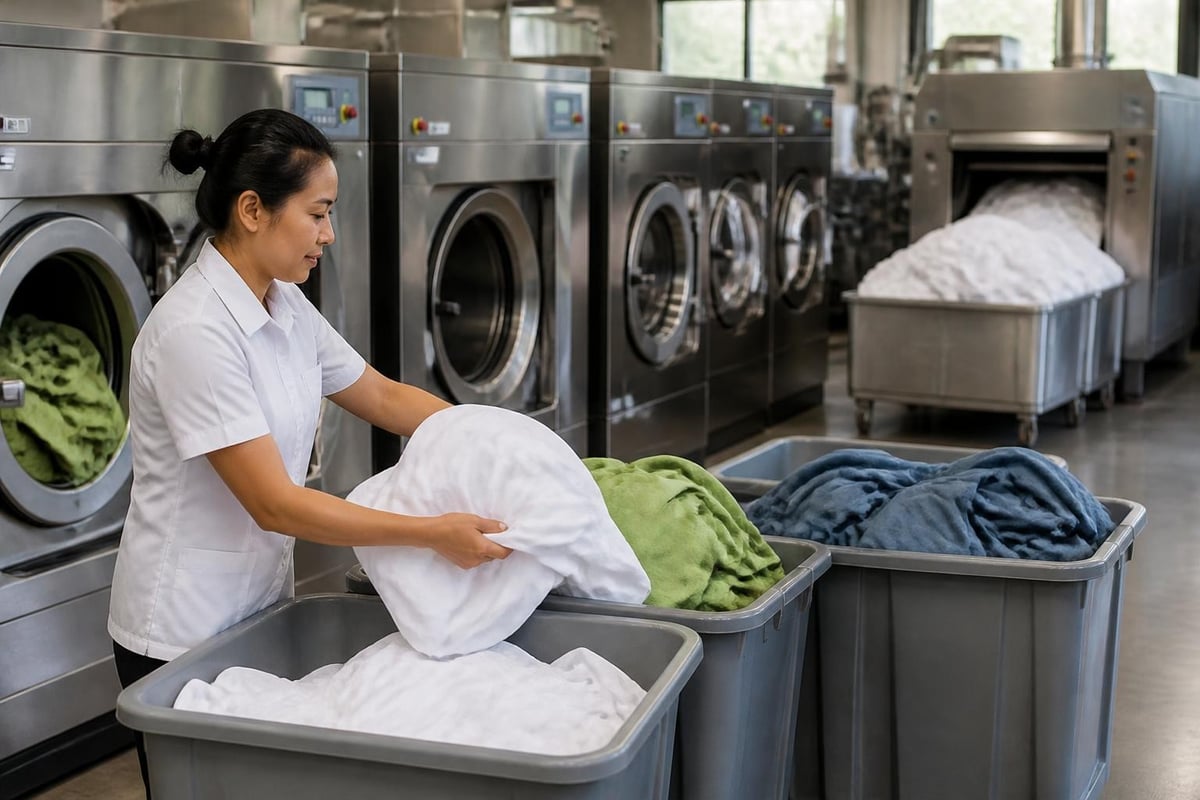
Commercial laundry operations face unique challenges when transitioning to sustainable practices. Hotels, athletic facilities, and laundromats process hundreds or thousands of loads weekly, making their environmental impact substantial but also creating opportunities for significant positive change.
High-Volume Efficiency Optimization
Commercial operations benefit from implementing systematic approaches to ecological laundry. Professional-grade solutions designed for athletics applications must handle heavy soiling while maintaining fabric integrity and environmental standards.
Key Commercial Considerations:
- Equipment Selection: Choose machines with programmable cycles and advanced water reclamation systems
- Product Concentration: Use commercial-grade concentrates that deliver consistent results at lower volumes
- Temperature Management: Implement cold-water formulations that maintain sanitization standards
- Quality Control: Monitor water quality to optimize detergent dosing and prevent waste
For operators managing multiple facilities, understanding how to find detergent on sale while maintaining sustainability standards helps balance budget constraints with environmental goals.
Specialized Applications and Fabric Care
Different fabric types and use cases require tailored approaches to ecological laundry. Delicate linens demand gentler treatment than athletic wear, yet both can be cleaned sustainably with appropriate methods.
The hospitality industry particularly benefits from linen-specific solutions that preserve fabric quality while meeting high turnover demands. Similarly, households with sensitive skin requirements can access eco-conscious gentle cleaning options that eliminate irritants without sacrificing effectiveness.
The Role of Technology in Sustainable Washing
Modern washing machines incorporate sophisticated technology that enables ecological laundry practices previously impossible with conventional equipment. Smart sensors detect load size, fabric type, and soil level, automatically adjusting water volume, temperature, and cycle duration for optimal efficiency.
Advanced Washing Technologies
Load-Sensing Automation adjusts water levels precisely to fabric volume, eliminating the waste associated with fixed water levels. This technology alone can reduce water consumption by 30-50% compared to older machines.
Ultrasonic Cleaning Systems use high-frequency sound waves to agitate water molecules, creating microscopic bubbles that penetrate fabrics and dislodge dirt without harsh chemicals or excessive mechanical action. This emerging technology shows particular promise for delicate fabrics and heavily soiled items.
Ozone Injection Systems generate ozone gas that dissolves in wash water, providing powerful oxidation that kills bacteria and breaks down organic stains without heated water or chlorine-based bleaches. Commercial laundries have used this technology for years, and residential applications are becoming more accessible.
| Technology | Water Savings | Energy Savings | Chemical Reduction | Initial Investment |
|---|---|---|---|---|
| High-Efficiency Top Load | 35% | 25% | Moderate | $600-900 |
| Front Load HE | 50% | 65% | Significant | $800-1,500 |
| Commercial HE | 60% | 70% | High | $3,000-10,000 |
| Ozone Systems | 40% | 85% | Very High | $1,500-5,000 |
Practical Steps for Transitioning to Ecological Laundry
Making the switch to sustainable washing practices doesn't require an immediate complete overhaul. Strategic incremental changes create meaningful impact while allowing budgets and habits to adjust gradually.
Immediate Actions:
- Switch to cold water for all but the most heavily soiled loads
- Replace conventional detergent with concentrated ecological formulations
- Use full loads to maximize efficiency per garment
- Install a filter to capture microfibers before wastewater drains
Short-Term Improvements:
- Audit current water and energy consumption to establish baselines
- Research and invest in HE washing machines when replacement becomes necessary
- Implement pre-treatment protocols to eliminate rewashing
- Explore bulk purchasing of eco-friendly products to reduce packaging waste
Long-Term Investments:
Comprehensive ecological laundry systems integrate equipment, products, and practices into cohesive operations. For businesses, this might include industrial water reclamation systems and automated dosing equipment. Residential users benefit from smart home integration that optimizes washing schedules around energy pricing and renewable energy availability.
The European Commission's textile sector analysis provides valuable context on lifecycle impacts and regulatory trends that will shape ecological laundry standards in coming years.
Measuring and Tracking Environmental Impact
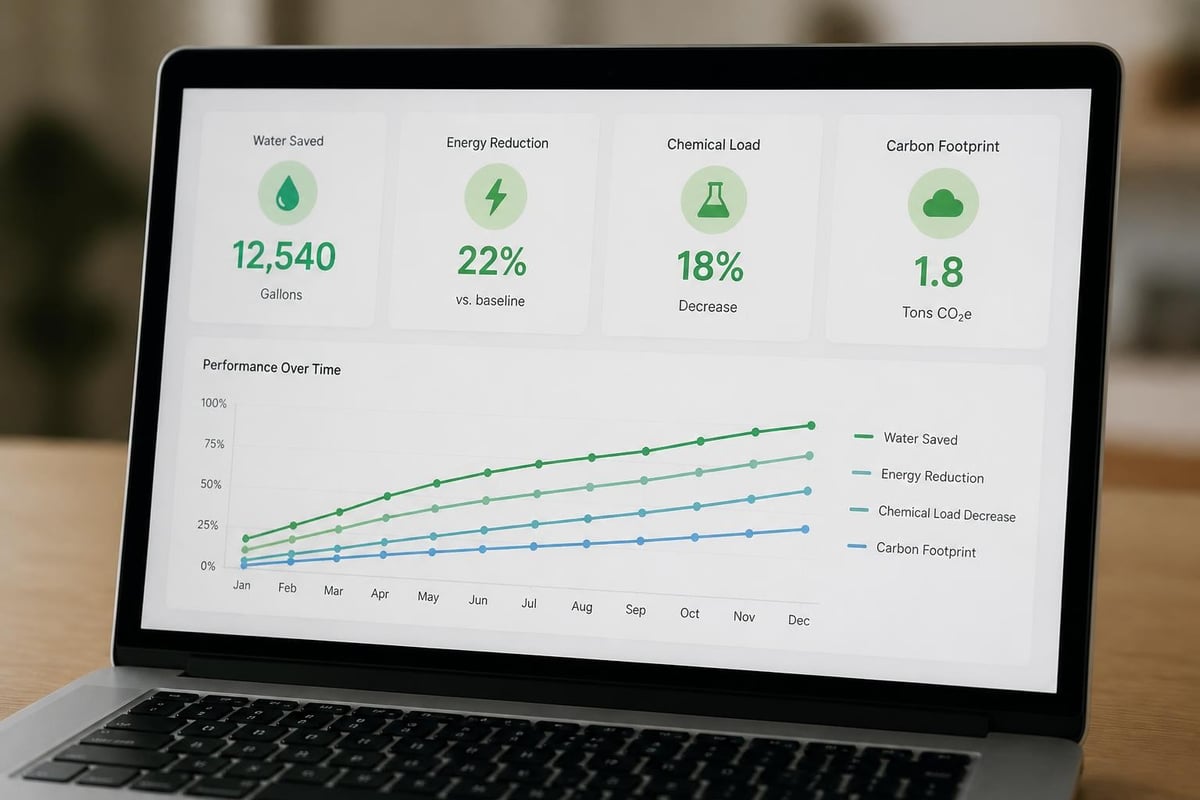
Understanding the tangible benefits of ecological laundry requires measurement. Tools like savings calculators help quantify reductions in water consumption, energy usage, and chemical discharge, providing motivation and justification for continued investment in sustainable practices.
Addressing Common Challenges and Misconceptions
Transitioning to ecological laundry often encounters resistance based on misconceptions about cleaning performance, cost, and convenience. Understanding these concerns and their solutions helps smooth the adoption process.
Performance Concerns
Many consumers worry that eco-friendly products won't clean as effectively as conventional alternatives. Modern formulations have evolved dramatically, with concentrated enzymes and plant-based surfactants delivering results that match or exceed traditional detergents. For particularly challenging applications like removing set-in stains, targeted pre-treatment combined with appropriate washing temperatures proves highly effective.
Cost Considerations
While premium ecological laundry products may carry higher per-unit costs, concentration levels and efficiency gains often result in lower per-load expenses. Additionally, reduced water heating and machine wear extend equipment lifespan, creating long-term savings that offset initial investments.
Convenience Factors
Single-dose capsule formats have revolutionized convenience in ecological laundry. These 5-in-1 formulations eliminate measuring, reduce storage requirements, and ensure consistent dosing, making sustainable washing as convenient as conventional approaches.
Complementary Sustainable Home Practices
Ecological laundry represents just one component of comprehensive sustainable household management. Integrating washing practices with broader environmental initiatives amplifies positive impact. Zero-waste retailers like Tinc offer complementary products including reusable dryer balls, natural fabric refreshers, and plastic-free storage solutions that complete the sustainable laundry ecosystem.
Similarly, embracing botanical scents from natural sources rather than synthetic fragrances aligns with ecological laundry principles, creating pleasant aromas without petroleum-derived chemicals or artificial musks that persist in wastewater.
Integrated Sustainable Practices:
- Use natural wool dryer balls instead of disposable sheets
- Line-dry clothes when weather permits
- Repurpose greywater for garden irrigation where regulations allow
- Choose natural fiber textiles that shed fewer microplastics
- Implement proper stain pre-treatment to avoid energy-intensive rewashing
The Future of Ecological Laundry Innovation
Looking ahead, ecological laundry continues evolving through material science breakthroughs, regulatory developments, and consumer demand for transparency. Enzyme engineering creates increasingly specific biological catalysts that break down particular stain types at lower temperatures. Surfactant chemistry advances produce biodegradable molecules with superior cleaning properties and minimal aquatic toxicity.
Regulatory frameworks increasingly mandate environmental performance standards. Extended producer responsibility programs require manufacturers to consider end-of-life impacts, driving innovation in packaging reduction and product reformulation. These trends benefit consumers by ensuring that "eco-friendly" claims carry substantive meaning backed by verifiable standards.
Emerging Technologies and Approaches
Waterless washing technologies using supercritical CO2 or specialized solvents show promise for commercial applications, though residential adoption remains distant. Enzymatic cold-water formulations continue improving, potentially making hot water washing obsolete for all but sanitization purposes. Microplastic filtration systems are becoming more affordable and effective, with some jurisdictions considering mandatory installation on all washing machines.
For businesses exploring smarter laundry options, staying informed about these developments creates competitive advantages while supporting environmental stewardship.
Ecological laundry represents a practical, impactful approach to reducing environmental footprint while maintaining the cleaning standards modern life requires. By combining efficient equipment, concentrated formulations, and thoughtful practices, households and businesses achieve superior results with dramatically lower resource consumption. Whether you're managing a commercial operation or simply seeking better solutions for your household, Laundry Labs offers powerful, eco-friendly formulations designed to deliver exceptional performance while supporting your sustainability goals. Make the switch to smarter, cleaner, greener laundry solutions today.