How to Remove Grass Stains: Expert Guide for 2026

Grass stains represent one of the most challenging laundry obstacles for parents, athletes, and anyone who enjoys outdoor activities. These vibrant green marks aren't just simple dirt-they're complex chemical compounds that bond with fabric fibers at the molecular level. Understanding the science behind these stubborn stains and knowing which treatment methods deliver real results can transform your laundry routine from frustrating to efficient. Whether you're tackling grass-stained soccer uniforms, children's play clothes, or your own gardening attire, the right approach makes all the difference.
The Science Behind Grass Stains and Why They're So Stubborn
Grass stains differ fundamentally from most other laundry challenges because they combine three distinct staining agents in one mark. Chlorophyll, the green pigment that gives plants their color, creates the visible stain. Proteins from plant cells add a secondary layer of complexity. Tannins, the same compounds found in tea and wine, contribute to the stain's persistence.
This triple-threat composition explains why grass stains resist standard washing:
- Chlorophyll molecules are lipophilic, meaning they bond readily with fabric oils and synthetic fibers
- Protein components coagulate when exposed to heat, setting the stain permanently if treated incorrectly
- Tannins create chemical bonds with natural fibers like cotton, especially in the presence of metal ions in water
The American Cleaning Institute provides extensive research on how these organic compounds interact with different fabric types and why enzyme-based treatments prove most effective.
Understanding Fabric Variables in Stain Treatment
Different fabrics respond uniquely to grass stain removal techniques. Natural fibers like cotton and linen absorb chlorophyll deeply into their structure, while synthetic materials like polyester often allow stains to sit on the surface. Blended fabrics present a middle ground, requiring balanced treatment approaches.
| Fabric Type | Stain Penetration | Recommended Treatment Time | Heat Sensitivity |
|---|---|---|---|
| Cotton | Deep (high absorbency) | 15-30 minutes pre-treatment | Low (can tolerate hot water) |
| Polyester | Surface level | 5-10 minutes pre-treatment | High (use cool water only) |
| Nylon | Moderate | 10-15 minutes pre-treatment | Moderate (warm water safe) |
| Blends | Variable | 15-20 minutes pre-treatment | Depends on composition |
Modern eco-friendly laundry solutions now account for these fabric variables, offering targeted enzyme formulations that work across material types.
Pre-Treatment Strategies That Actually Work
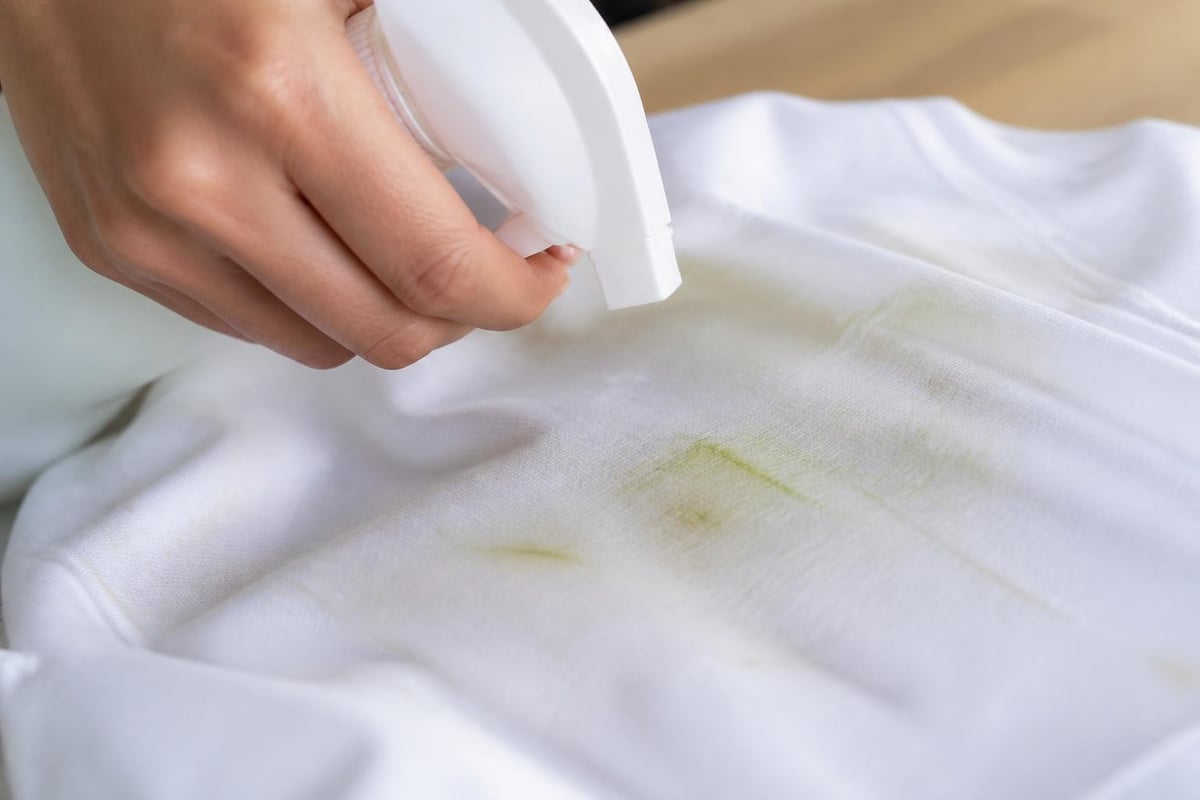
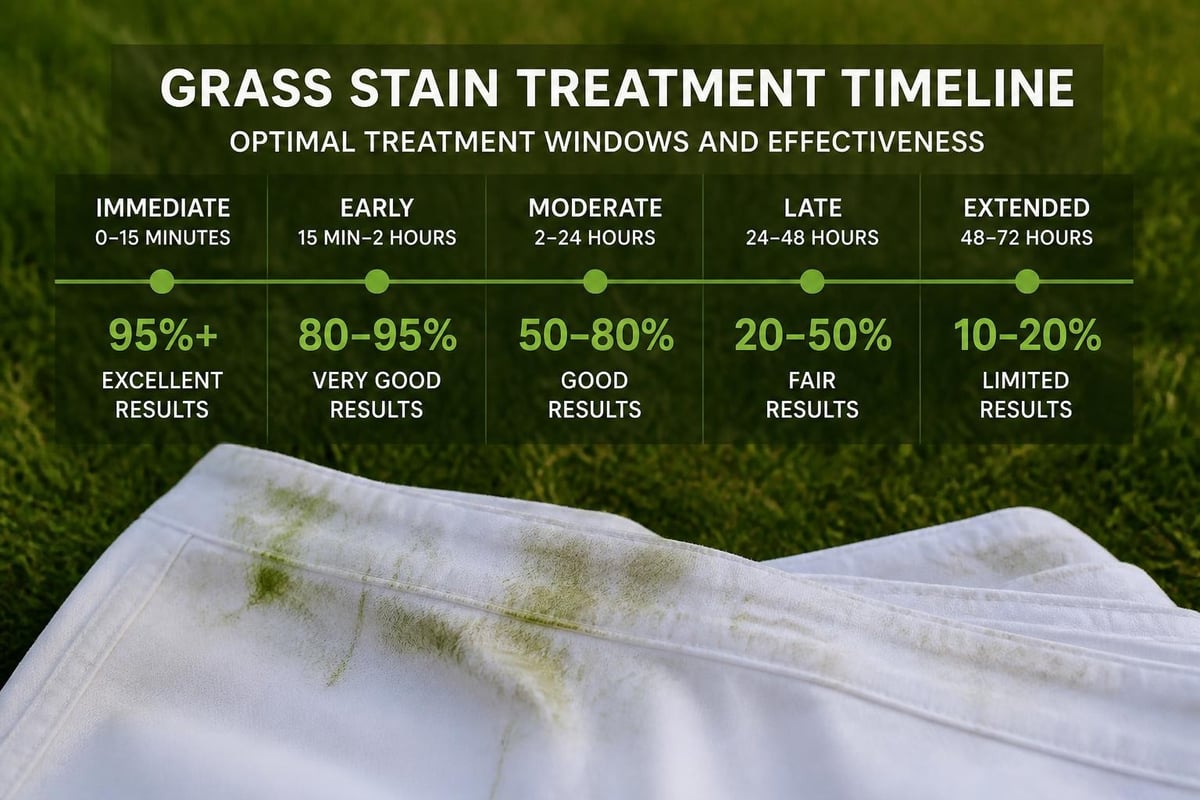
The first fifteen minutes after staining occurs represent the most critical window for successful removal. Fresh grass stains respond dramatically better to treatment than set-in marks. However, even older stains can be addressed with the right approach.
Immediate action steps for fresh grass stains:
- Scrape away excess grass debris using a dull knife or spoon edge
- Blot (never rub) the stained area with a clean, dry cloth
- Apply enzyme-based pre-treatment directly to the affected area
- Allow the treatment to penetrate for at least 15 minutes before washing
- Check the stain before drying and retreat if necessary
According to Iowa State University Extension research, the mechanical action of rubbing actually forces chlorophyll deeper into fabric fibers, making removal more difficult.
Enzyme Technology: The Professional Standard
Enzymes have revolutionized grass stain treatment because they target the specific molecular structures that create the stain. Protease enzymes break down protein components, while amylase enzymes address carbohydrate residues. Some advanced formulations also include lipase to target any oily residues that help bind the stain.
The standards for testing enzyme effectiveness established by the American Association of Textile Chemists and Colorists provide benchmarks for product performance. These standardized tests ensure that enzyme-based products deliver consistent results across different fabric types and stain ages.
Professional laundry operations have long recognized the value of enzyme technology. Laundry Labs' commercial-grade formulations incorporate multiple enzyme types specifically engineered to address complex organic stains like grass while maintaining environmental responsibility.
Temperature and pH: Critical Variables in Stain Removal
Water temperature dramatically affects grass stain removal success. Cool to lukewarm water (60-75°F) prevents protein components from setting while still allowing enzyme activity. Hot water might seem more effective, but it can permanently bond protein-based stains to fabric fibers.
The pH level of your washing solution also plays a crucial role. Slightly alkaline conditions (pH 8-10) optimize enzyme performance while breaking down chlorophyll effectively. Most commercial detergents maintain this pH range, but natural or homemade solutions may require adjustment.
Key temperature guidelines for different grass stain scenarios:
- Fresh stains (less than 24 hours old): Cold water rinse followed by warm wash at 75-85°F
- Set-in stains (24 hours to one week): Extended pre-treatment with cold water, warm wash at 80-90°F
- Aged stains (more than one week): Multiple cold-water pre-treatments, repeat warm washes
Commercial-Grade Solutions for Persistent Grass Stains
Professional textile care facilities rely on concentrated enzyme formulations and multi-phase treatment protocols. These approaches combine mechanical action, chemical treatment, and time-based penetration to achieve superior results.
Modern capsule-based systems have transformed commercial laundry by pre-measuring optimal enzyme concentrations and combining complementary treatment agents. Athletic performance fabrics require specialized attention, as synthetic materials demand different enzyme ratios than natural fibers.
Comparing Treatment Approaches
| Method | Effectiveness on Fresh Stains | Effectiveness on Set Stains | Fabric Safety | Environmental Impact |
|---|---|---|---|---|
| Enzyme pre-treatment | 95% | 75% | Excellent | Low |
| Oxygen bleach | 85% | 65% | Good (not for colors) | Moderate |
| Solvent-based | 80% | 60% | Variable | High |
| Mechanical scrubbing | 60% | 40% | Poor (damages fibers) | None |
| Standard detergent alone | 40% | 20% | Excellent | Variable |
Research from Ohio State University on enzyme laundry products confirms that enzyme-based treatments outperform conventional methods by significant margins, particularly on protein-containing stains like grass.
Advanced Techniques for Set-In Grass Stains
Grass stains that have survived one or more wash cycles require escalated intervention. The heat from drying typically sets these stains by permanently altering the chemical bonds between chlorophyll and fabric fibers. However, even these challenging cases can often be improved or fully removed.
Multi-stage treatment protocol for set-in grass stains:
- Create an enzyme soak using commercial-grade detergent in cool water
- Submerge the garment for 4-8 hours (or overnight for severe stains)
- Apply direct enzyme treatment to the stain after soaking
- Gently work the treatment into fibers using soft-bristled brush
- Wash in warm water with additional enzyme-based detergent
- Air-dry and inspect before considering a second treatment cycle
The University of Georgia Extension textile care guidance emphasizes the importance of avoiding heat at every stage when dealing with protein-based stains, a principle that applies equally to grass stains.
Natural Fiber Considerations
Cotton, linen, and other natural fibers present unique challenges because their porous structure allows deep stain penetration. These materials benefit from extended enzyme contact time and gentle mechanical action. Cornell University's comprehensive stain removal research provides detailed protocols for treating natural fibers without causing damage or color loss.
For delicate natural fabrics like silk or wool, professional-grade solutions with pH-balanced formulations prevent fiber degradation while still targeting grass stain components effectively. The science behind smart laundry solutions has evolved to protect these sensitive materials while delivering commercial-strength cleaning power.
Prevention and Maintenance: Reducing Future Staining
While complete prevention of grass stains remains impossible for active individuals, several strategies minimize staining severity and simplify removal. Treating fabrics with stain-resistant finishes creates a protective barrier that prevents deep chlorophyll penetration. However, these treatments must be reapplied periodically as they wear away through washing and use.
Preventive measures for high-risk situations:
- Pre-treat athletic wear with enzyme-based fabric conditioners before outdoor activities
- Choose performance fabrics engineered with stain-release properties for sports uniforms
- Apply commercial-grade stain repellent to children's play clothes at the start of each season
- Wash grass-exposed garments separately to prevent chlorophyll transfer
- Never allow grass-stained items to sit in hampers for extended periods
Regular maintenance with quality detergents that include enzyme components helps prevent residual staining from building up over time. Consumer Reports detergent testing consistently shows that products with multi-enzyme formulations outperform single-enzyme or enzyme-free alternatives on outdoor stains.
Eco-Friendly Approaches to Grass Stain Removal
Environmental consciousness has driven significant innovation in grass stain treatment technology. Modern enzyme-based formulations deliver commercial-grade performance while minimizing environmental impact through biodegradable ingredients and reduced water consumption.
The shift toward concentrated capsule systems addresses multiple sustainability concerns simultaneously. These formulations eliminate overdosing, reduce packaging waste, and optimize enzyme ratios for maximum effectiveness with minimal chemical input. Understanding why eco-friendly laundry starts with smart formulation reveals how thoughtful product design supports both performance and environmental goals.
Sustainable Treatment Alternatives
Traditional grass stain removal often relied on harsh solvents and chlorine-based bleaches that pose environmental risks and fabric damage concerns. Contemporary approaches prioritize oxygen-based treatments and plant-derived enzymes that break down naturally after use.
Environmental impact comparison:
- Enzyme-based treatments: Fully biodegradable, low aquatic toxicity, effective in cold water
- Oxygen bleach: Moderate biodegradability, safe for most fabrics and environments
- Chlorine bleach: Poor environmental profile, damages fabrics and color, releases harmful compounds
- Solvent-based pre-treaters: Variable biodegradability, often petroleum-derived, effective but environmentally costly
The latest textile test methods now include environmental impact assessments alongside cleaning performance metrics, reflecting industry-wide recognition that sustainability and effectiveness must coexist.
Professional-Grade Solutions for Home Use
The gap between commercial laundry capabilities and home washing has narrowed significantly through innovation in delivery systems and formulation science. Capsule technologies bring laboratory-precise dosing to residential washing machines, ensuring optimal enzyme concentrations regardless of load size or user experience.
These advanced systems address grass stains through multi-phase action: initial enzyme penetration breaks down protein and chlorophyll bonds, surfactants lift dissolved stain components, and chelating agents prevent redeposition during the rinse cycle. How commercial-grade capsules work demonstrates the sophisticated chemistry compressed into these convenient formats.
Advantages of professional-grade home solutions:
- Consistent dosing eliminates guesswork and prevents enzyme dilution
- Multi-component formulations address all grass stain chemical components simultaneously
- PVA film technology ensures complete dissolution and distribution throughout wash water
- Concentrated formulas reduce packaging waste and storage space requirements
- Pre-measured portions prevent product waste and environmental overload
For families with active children or serious athletes, investing in commercial-grade solutions pays dividends through improved stain removal, extended garment life, and reduced rewashing. Choosing detergent based on lifestyle needs ensures optimal performance for specific staining challenges.
Fabric-Specific Treatment Protocols
Different materials demand tailored approaches for optimal grass stain removal without fabric damage. Performance fabrics, natural fibers, and synthetic materials each respond differently to enzyme treatments, temperature variations, and mechanical action.
Athletic and Performance Fabrics
Modern athletic wear incorporates moisture-wicking synthetics that trap oils and organic compounds in their structure. These materials benefit from enzyme formulations specifically designed to penetrate synthetic fibers without degrading the technical properties that make them performance-oriented.
Polyester, nylon, and spandex blends require cool-water washing to preserve elasticity and shape retention. Extended pre-treatment periods (20-30 minutes) allow enzymes to work without heat assistance. Specialized athletic fabric care addresses these unique requirements while maintaining the technical performance characteristics athletes depend on.
Natural Fiber Strategies
Cotton and linen tolerate more aggressive treatment than synthetics, allowing for warmer wash temperatures and stronger mechanical action. However, colored natural fibers still require pH-balanced treatments to prevent dye bleeding. White cottons can handle oxygen-based bleaching agents, which work synergistically with enzymes to oxidize chlorophyll residues.
Hemp and bamboo fabrics require gentler approaches despite their natural fiber classification. These materials can weaken with harsh chemical treatments, making enzyme-based solutions the preferred choice for grass stain removal.
The Role of Water Quality in Stain Removal Success
Hard water significantly impairs detergent effectiveness by causing minerals to bond with surfactants and enzymes, reducing their availability for stain treatment. Calcium and magnesium ions also interact with grass stain components, sometimes making removal more difficult.
Water hardness impact on grass stain removal:
- Soft water (0-60 ppm): Optimal enzyme activity, excellent stain removal, minimal detergent needed
- Moderate hardness (61-120 ppm): Good enzyme activity, may require increased detergent dose
- Hard water (121-180 ppm): Reduced enzyme effectiveness, requires water softening or chelating agents
- Very hard water (180+ ppm): Poor enzyme performance, professional water treatment recommended
Modern commercial-grade formulations incorporate chelating agents that bind mineral ions, effectively softening water during the wash cycle. This built-in water conditioning ensures consistent performance regardless of regional water quality variations.
Troubleshooting Common Grass Stain Removal Failures
Even with proper technique, grass stain removal sometimes falls short of expectations. Understanding why treatments fail helps refine approach and prevent recurring problems.
Most common causes of treatment failure:
- Heat exposure before complete stain removal permanently sets protein components
- Insufficient enzyme contact time prevents thorough breakdown of stain compounds
- Wrong enzyme type for the specific grass species or stain age
- Hard water interference reduces active enzyme availability
- Overdosing detergent creates excessive suds that prevent proper mechanical action
When initial treatment proves insufficient, resist the temptation to dry the garment. Heat from drying transforms a treatable stain into a permanent discoloration. Instead, repeat the enzyme pre-treatment process and extend contact time before attempting another wash cycle.
For particularly stubborn cases, professional textile restoration services employ industrial-strength enzyme formulations and specialized equipment unavailable to consumers. However, these services should represent a last resort after exhausting home treatment options.
Grass stains challenge even experienced laundry professionals, but understanding their chemical composition and applying enzyme-based treatments strategically delivers consistent results across fabric types. The evolution of concentrated capsule systems brings commercial-grade effectiveness to home washing, eliminating guesswork while supporting environmental sustainability. Whether you're managing athletic uniforms, children's play clothes, or your own outdoor gear, Laundry Labs offers powerful, eco-friendly solutions engineered specifically for tough organic stains like grass, combining detergent, enzymes, stain treatment, and fabric care in one precisely formulated capsule.