How to Wash Sneakers: Complete Guide for 2026

Sneakers are more than just footwear-they're investments in comfort, performance, and style. Whether you're wearing them for daily workouts, commuting, or casual outings, they accumulate dirt, sweat, and odors that regular brushing can't eliminate. Learning how to wash sneakers properly extends their lifespan, maintains their appearance, and keeps them hygienic.
The right cleaning approach depends on your sneaker materials, construction, and level of soiling. This comprehensive guide walks you through proven methods for washing sneakers effectively while protecting their structural integrity and preserving their original quality.
Understanding Your Sneaker Materials Before Washing
Not all sneakers respond equally to washing methods. The materials determine which cleaning approach will work best without causing damage.
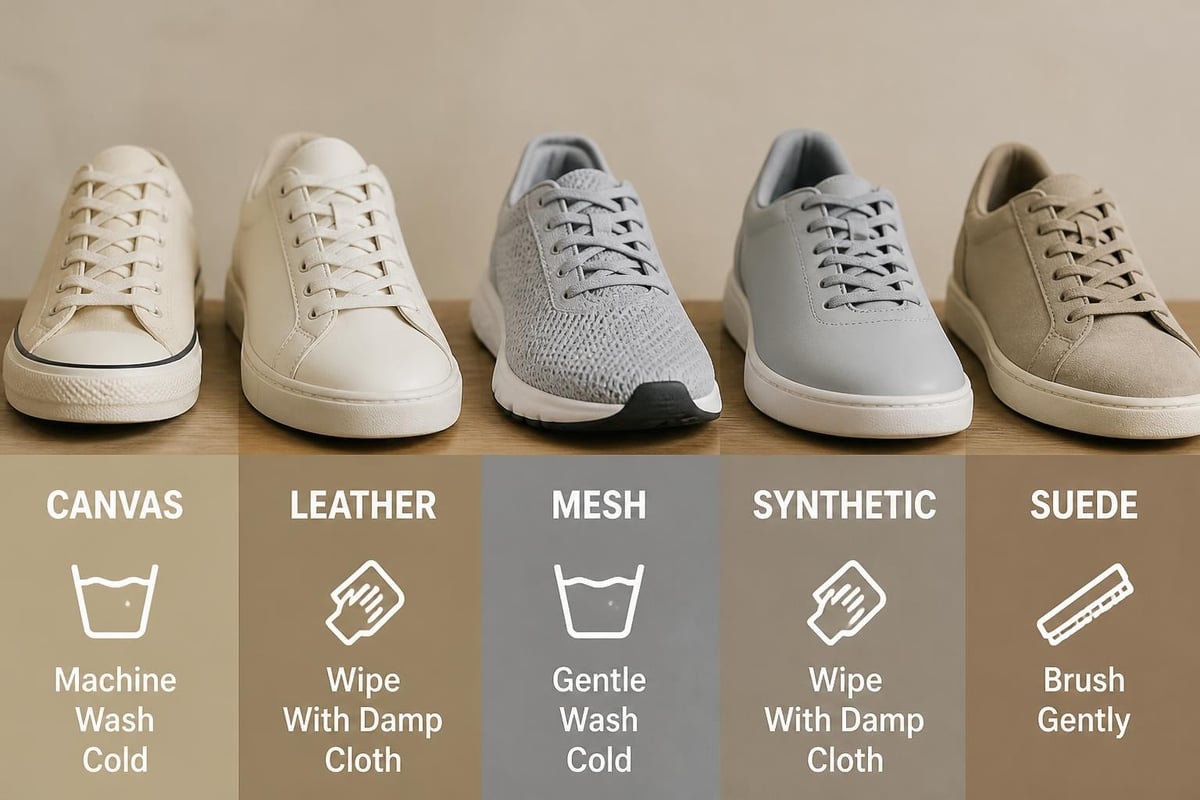
Canvas and cotton sneakers are the most washing-machine-friendly options. These materials tolerate water, agitation, and mild detergents without deteriorating. Popular brands like Converse, Vans, and Keds typically fall into this category.
Leather and synthetic leather require gentler treatment. While some synthetic variations can handle machine washing, genuine leather sneakers should always be hand-cleaned to prevent cracking, warping, or color fading.
Mesh and knit materials need special consideration. These breathable fabrics can stretch or snag in washing machines, so protective measures are essential if you choose machine washing over hand cleaning.
Material-Specific Considerations
| Material Type | Machine Safe? | Special Care Required |
|---|---|---|
| Canvas | Yes | Use mesh bag, cold water |
| Leather | No | Hand clean only, condition after |
| Synthetic | Usually | Check manufacturer labels |
| Mesh/Knit | With caution | Always use protective bag |
| Suede | Never | Dry cleaning or specialty products |
When evaluating whether to use a washing machine, consult expert resources on sneaker cleaning methods to make informed decisions based on your specific shoe construction.
Preparing Sneakers for the Washing Process
Proper preparation prevents damage and ensures thorough cleaning. This critical phase determines your washing success.
Remove laces and insoles first. These components need separate cleaning and dry at different rates than the shoes themselves. Laces can be washed in a small mesh bag or pillow case, while insoles should be hand-washed with mild soap to preserve their cushioning properties.
Brush off loose dirt using a soft-bristled brush or old toothbrush. Remove dried mud, grass, and debris from outsoles, toe boxes, and crevices. This preliminary step prevents dirt from redistributing during washing and clogging your washing machine.
- Tap shoes together outdoors to dislodge trapped pebbles and dirt
- Use a dry brush for surface grime removal
- Check tread patterns for embedded debris
- Wipe down with a damp cloth to remove surface dust
Pre-treat stubborn stains before washing. Grass stains, mud marks, and scuff marks respond better to targeted treatment than general washing alone. Apply a small amount of commercial-grade detergent directly to stained areas and gently work it in with a soft brush.
For athletic sneakers that have endured intense workouts, consider using specialized detergent formulations designed for activewear that tackle sweat, oils, and odors more effectively than standard products.

Machine Washing Sneakers: The Complete Process
When you've determined your sneakers are machine-safe, following the correct washing procedure protects both your shoes and your appliance.
Step-by-Step Machine Washing Method
Step 1: Use protective barriers. Place sneakers in mesh laundry bags or pillowcases. This prevents them from banging against the drum, which can damage shoe structure and washing machine components. Never wash more than two pairs simultaneously to avoid imbalance.
Step 2: Add buffer items. Include 4-6 old towels in the wash. These items cushion the shoes, reduce noise, balance the load, and help scrub away dirt through gentle friction. Choose towels in similar colors to your sneakers to prevent dye transfer.
Step 3: Select appropriate settings. Use cold or lukewarm water on a delicate or gentle cycle. Hot water can melt adhesives, warp rubber components, and cause color bleeding. According to Time magazine's shoe washing guidelines, cold water effectively removes bacteria while protecting shoe integrity.
Step 4: Choose the right detergent. Avoid harsh chemicals, bleach, or excessive amounts of standard detergent. Eco-friendly, concentrated formulations work best because they rinse clean without leaving residue. Products that combine cleaning, odor elimination, and gentle treatment in one solution simplify the process while delivering superior results.
Step 5: Run an extra rinse cycle. Detergent residue attracts dirt and can stiffen fabrics. An additional rinse ensures complete detergent removal, leaving sneakers cleaner and softer.
The American Cleaning Institute recommends skipping the spin cycle entirely or using the slowest spin setting to minimize structural stress on your sneakers.
Hand Washing Sneakers for Delicate Materials
Some sneakers demand the gentler approach of hand washing. This method gives you complete control over pressure, cleaning agents, and water temperature.
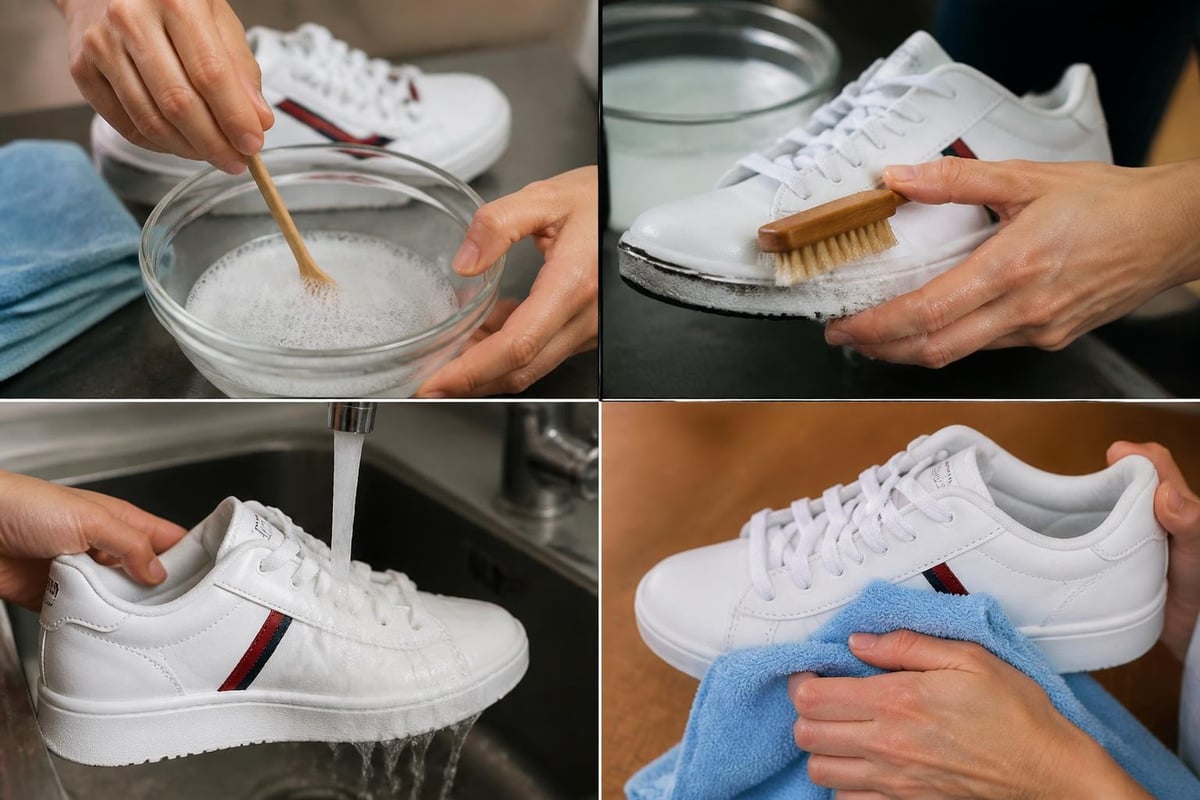
Create a cleaning solution by mixing lukewarm water with a small amount of gentle detergent in a basin or bucket. The water should be warm enough to activate the detergent but not hot enough to damage adhesives or materials.
The hand washing procedure:
- Dip a soft-bristled brush into the cleaning solution
- Gently scrub the exterior in circular motions
- Pay extra attention to toe boxes, heel counters, and seams
- Use an old toothbrush for detailed work around eyelets and logos
- Rinse thoroughly with clean water until no suds remain
- Gently squeeze (never wring) excess water from fabric areas
For white sneakers or light-colored materials, Vogue's comprehensive cleaning guide suggests creating a paste of baking soda and water for gentle whitening without harsh bleaches.
Cleaning Laces and Insoles Separately
Laces collect surprising amounts of dirt and bacteria. Remove them completely and either machine wash them in a mesh bag or hand wash them in warm, soapy water. For stubborn stains on white laces, soaking them in a mixture of detergent and water for 30 minutes before washing works effectively.
Insoles require special handling because they contain cushioning materials that can break down with excessive moisture or heat. Hand wash insoles using the same gentle detergent solution, scrubbing lightly with a soft brush. Focus on areas that contact your feet directly, where sweat and bacteria accumulate.
Drying Sneakers Without Causing Damage
Improper drying ruins more sneakers than improper washing. Heat sources like dryers, radiators, and direct sunlight can melt glues, warp rubber, shrink materials, and crack leather components.
Air drying is the safest method for all sneaker types. After washing, stuff shoes loosely with white paper towels or newspaper to absorb moisture and help them maintain their shape. Avoid colored paper, which can transfer dye to wet materials.
- Position sneakers in a well-ventilated area away from direct heat
- Point a fan toward them to accelerate evaporation
- Replace stuffing material every few hours as it becomes saturated
- Allow 24-48 hours for complete drying
Never rush the drying process. Wearing damp sneakers promotes bacterial growth, causes odors, and can lead to blisters. Tom's Guide outlines effective drying methods that preserve shoe quality while ensuring thorough moisture removal.
Alternative Drying Techniques
If you need faster drying, position sneakers near (not on) a dehumidifier or in a room with good air circulation. Some specialty shoe dryers use gentle, low-temperature air circulation specifically designed for athletic footwear.
For those wondering about machine drying, Homes & Gardens provides guidance on dryer use, though air drying remains the universally recommended approach for longevity.
Addressing Common Sneaker Washing Challenges
Even with proper technique, certain situations require specialized approaches when learning how to wash sneakers effectively.
Persistent odors often survive standard washing. These smells result from bacteria that have penetrated deep into materials. Combat this by sprinkling baking soda inside shoes and letting them sit overnight before washing. For ongoing freshness, consider detergents with built-in odor control technology that eliminates smell-causing bacteria rather than masking odors.
Yellowing white soles respond well to targeted treatment. Create a paste using three parts baking soda to one part hydrogen peroxide. Apply this mixture to yellowed areas, let it sit for 30 minutes, then scrub gently before washing as normal.
Stubborn stains like oil, ink, or wine need immediate attention. Blot fresh stains rather than rubbing them deeper into fabric. For set-in stains, specialized stain removal techniques combined with quality detergents provide the best results.
Maintenance Between Washes
| Maintenance Task | Frequency | Purpose |
|---|---|---|
| Brush off dirt | After each wear | Prevents buildup |
| Spot clean stains | Immediately | Easier removal |
| Air out shoes | After every wear | Reduces moisture and odor |
| Deep clean | Every 2-4 weeks | Maintains appearance |
| Replace insoles | Every 3-6 months | Hygiene and support |
Regular maintenance reduces how often you need to fully wash sneakers and extends their functional lifespan significantly.

Choosing the Right Cleaning Products
The cleaning products you select dramatically impact washing effectiveness and shoe longevity. Standard household detergents often contain harsh chemicals, excessive fragrances, and fillers that leave residue or damage delicate materials.
Look for these qualities in sneaker-friendly detergents:
- pH-balanced formulations that won't degrade fabrics
- Concentrated solutions requiring smaller amounts per wash
- Eco-friendly ingredients that rinse completely clean
- Combined cleaning and conditioning properties
- Odor elimination rather than fragrance masking
Modern capsule-based detergents offer distinct advantages for sneaker washing. These pre-measured units prevent overuse, dissolve completely in cold water, and deliver consistent results. Unlike liquid detergents that can spill or leave sticky residue, capsules provide precise dosing every time.
The environmental impact of your cleaning choices matters too. Eco-friendly laundry solutions reduce water pollution and chemical exposure while delivering powerful cleaning performance that matches or exceeds conventional products.
Specialized Care for Athletic and Performance Sneakers
Running shoes, training sneakers, and specialized athletic footwear require extra consideration. These shoes contain advanced materials, cushioning systems, and moisture-wicking fabrics that demand gentle but thorough cleaning.
Performance fabrics like engineered mesh, Flyknit, and Primeknit are designed for breathability and flexibility. While durable during use, they can stretch or snag during aggressive washing. Always use protective bags and gentle cycles for these materials.
Cushioning technologies in midsoles (like EVA foam, gel inserts, or air pockets) can compress or damage under heat or excessive water exposure. Hand washing or very gentle machine cycles work best for shoes with sophisticated cushioning systems.
Athletes who wash performance gear regularly benefit from detergents specifically formulated for athletic fabrics that address sweat, bacteria, and performance material requirements simultaneously.
Post-Workout Sneaker Care
Don't let sweaty sneakers sit in your gym bag. Remove them immediately after workouts and allow them to air out completely. This simple habit prevents bacterial growth and reduces how frequently you need to perform full washes.
For gym environments where multiple clients use shared spaces, maintaining clean sneakers contributes to overall facility hygiene. Commercial cleaning solutions designed for athletic facilities can inform your personal sneaker care approach.

Washing Frequency and Long-Term Sneaker Care
How often should you actually wash sneakers? The answer depends on use intensity, environment, and personal preference.
Daily wear sneakers benefit from washing every 2-4 weeks. If you wear the same pair for commuting, errands, and casual activities, monthly washing maintains appearance and hygiene without excessive wear from cleaning.
Athletic sneakers used for running, training, or sports may need washing every 1-2 weeks, depending on workout frequency and intensity. Heavy sweat accumulation requires more frequent cleaning to prevent odor and bacterial buildup.
Occasional wear sneakers can go 2-3 months between washes if properly maintained with regular brushing and spot cleaning.
Signs your sneakers need washing include:
- Visible dirt or stains that brushing won't remove
- Persistent odor even after airing out
- Discoloration from accumulated grime
- Stiff or crusty areas from dried sweat
Between deep cleans, implement daily care habits. Remove shoes properly without crushing the heel counter, alternate between multiple pairs to allow thorough drying between wears, and store sneakers in well-ventilated areas rather than closed containers.
Troubleshooting Washing Problems
Even with careful technique, issues occasionally arise when learning how to wash sneakers properly.
Problem: Shoes still smell after washing This indicates bacteria survived the wash cycle. Rewash using warmer water (if materials allow) and ensure complete drying before wearing. Consider adding white vinegar to the rinse cycle as a natural antibacterial agent.
Problem: Colors faded or bled This results from water that's too hot or washing dark and light shoes together. Always separate colors and use cold water for colored sneakers. Test new shoes for colorfastness by dampening a hidden area before full washing.
Problem: Shoes lost their shape Insufficient stuffing during drying allows materials to collapse. Immediately restuff with paper and allow additional drying time. For future washes, stuff shoes more generously from the start.
Problem: Adhesives separated or soles loosened Heat or excessive agitation caused this damage. These shoes may require professional repair. Going forward, use gentler cycles, colder water, and consider hand washing similar shoes.
Advanced Tips for Sneaker Enthusiasts
Collectors and enthusiasts who invest in premium sneakers need additional strategies beyond basic washing techniques.
Create a sneaker cleaning station with dedicated supplies: soft brushes of various sizes, microfiber cloths, quality cleaning solutions, protective sprays, and proper storage containers. This dedicated space encourages regular maintenance.
Protect before wearing by applying water and stain repellent sprays to new sneakers. These protective barriers make future cleaning easier and prevent deep staining from the start.
Rotate your collection strategically. Wearing the same pair daily accelerates wear and soil accumulation. A rotation schedule of 3-4 pairs gives each shoe adequate recovery time between wears.
Document cleaning dates to establish patterns and predict when shoes will need attention. This proactive approach prevents emergency cleaning situations before important events or occasions.
The sneaker community has developed extensive knowledge around preservation and care. Resources like SNKRR BAR's cleaning guide offer community-tested techniques for specific brands and limited editions.
Sustainable Washing Practices
Environmental consciousness extends to how you wash sneakers. Water consumption, chemical runoff, and energy use all factor into your cleaning routine's ecological footprint.
Water conservation strategies:
- Fill basins only as much as needed for hand washing
- Use efficient washing machine cycles designed to minimize water use
- Capture rinse water for outdoor plant watering when using eco-friendly detergents
Energy reduction approaches:
- Wash sneakers with other appropriate items to maximize machine efficiency
- Always use cold water, which requires no heating energy
- Air dry exclusively rather than using electric dryers
Chemical impact minimization:
- Choose biodegradable, plant-based cleaning products
- Avoid phosphates, chlorine bleach, and synthetic fragrances
- Select concentrated formulas that require less packaging and transportation
Modern eco-conscious detergent options demonstrate that environmental responsibility and cleaning effectiveness aren't mutually exclusive goals.
Understanding how to wash sneakers properly means considering the complete lifecycle of both your shoes and your cleaning products. Making informed choices about cleaning methods, product selection, and disposal practices reflects a holistic approach to sneaker care.
Professional vs. DIY Sneaker Cleaning
Some situations warrant professional cleaning services, while others are perfectly suited for home care.
When to consider professional cleaning:
- Luxury sneakers with exotic materials (python, alligator, premium suede)
- Vintage or collectible shoes requiring specialized knowledge
- Severe damage or staining beyond home remedy capabilities
- Lack of time or confidence in DIY methods
DIY advantages:
- Significant cost savings over repeated professional services
- Immediate availability when shoes need urgent attention
- Complete control over products and methods used
- Learning experience that improves with practice
For most everyday sneakers, home washing with proper technique and quality products delivers results comparable to professional services at a fraction of the cost.
Mastering how to wash sneakers properly extends the life of your footwear investment while maintaining hygiene and appearance. Whether you choose machine washing for durable materials or hand cleaning for delicate constructions, the right technique combined with quality cleaning products ensures consistently excellent results.
Laundry Labs offers commercial-grade, eco-friendly capsule solutions that simplify sneaker care with pre-measured, all-in-one formulations designed for maximum cleaning power and minimal environmental impact. Their innovative approach to laundry care brings professional-quality results to your home washing routine, making sneaker maintenance easier and more effective than ever.