How to Care for Jackets: Professional Cleaning Guide

Jackets represent a significant investment in any wardrobe, serving as essential protective garments across countless industries, activities, and climates. From high-performance athletic wear to specialized workwear and everyday casual pieces, these garments endure considerable stress from environmental exposure, frequent wear, and challenging conditions. Proper care and maintenance not only extend the lifespan of jackets but also preserve their functional properties, including waterproofing, insulation, and breathability. Understanding the science behind fabric care and implementing professional cleaning strategies ensures these valuable garments continue performing at their best year after year.
Understanding Jacket Fabric Technologies and Care Requirements
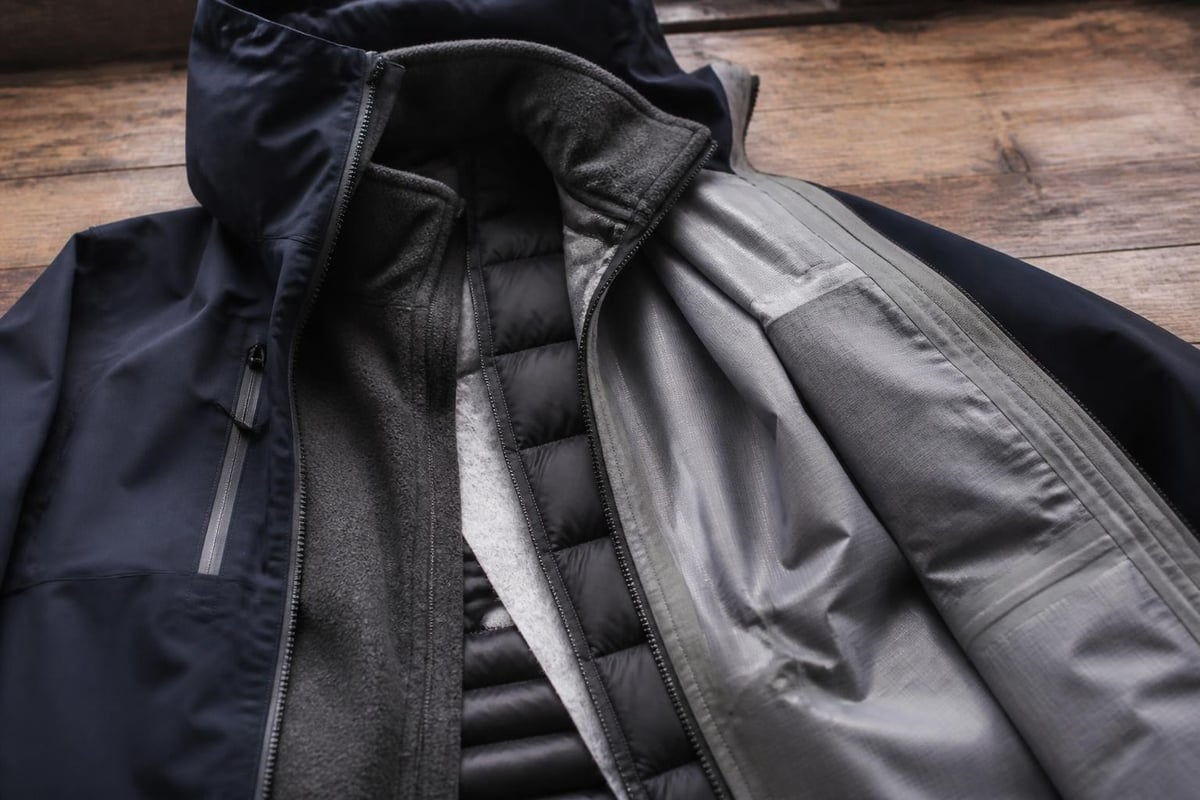
Modern jackets incorporate sophisticated fabric technologies that demand specific care approaches. Performance materials used in outdoor and athletic jackets often feature multiple layers working together to provide protection, comfort, and functionality.
Membrane-Based Waterproof Jackets
Waterproof-breathable jackets rely on specialized membranes that block water penetration while allowing moisture vapor to escape. Understanding waterproof jacket terminology helps consumers make informed decisions about care requirements. These membranes require gentle cleaning methods that preserve their microscopic pore structure.
Traditional waterproof technologies often contained PFAS chemicals, but recent innovations have introduced safer alternatives. Research on PFAS-free waterproof-breathable membrane technologies demonstrates that sustainable options can deliver comparable performance without environmental risks. This shift impacts care protocols, as newer formulations may respond differently to cleaning agents.
Key considerations for membrane jacket care:
- Use specialized detergents formulated for technical fabrics
- Avoid fabric softeners that clog membrane pores
- Maintain proper wash temperatures (typically 30-40°C)
- Reactivate DWR (durable water repellent) coatings after washing
- Never dry clean unless explicitly recommended
Insulated Jacket Care Requirements
Down and synthetic insulation jackets demand careful handling to preserve loft and thermal efficiency. Down filling requires thorough drying to prevent mildew, while synthetic insulations maintain performance even when damp but can mat with improper care.
For both insulation types, choosing detergents designed for performance fabrics ensures cleaning effectiveness without damaging fill materials. Commercial-grade formulations provide the cleaning power needed for heavily soiled jackets while remaining gentle on technical components.
Professional Cleaning Protocols for Different Jacket Categories
Each jacket category requires tailored cleaning approaches based on construction, materials, and intended use. Implementing systematic protocols ensures consistent results and fabric preservation.
Athletic and Performance Jackets
Athletic jackets endure intense use, accumulating sweat, body oils, and environmental contaminants. These garments often feature moisture-wicking fabrics, reflective elements, and antimicrobial treatments that require preservation during cleaning.
Whether you're sourcing reliable sports equipment or maintaining performance apparel, understanding fabric care fundamentals proves essential. Athletic jackets benefit from frequent washing with specialized formulations that address odor-causing bacteria without degrading fabric treatments.
| Fabric Type | Recommended Wash Cycle | Temperature | Special Instructions |
|---|---|---|---|
| Polyester Performance | Normal/Delicate | Cold-Warm | Turn inside out |
| Nylon Windbreaker | Gentle | Cold | Zip all closures |
| Softshell | Normal | Warm | Avoid fabric softener |
| Fleece Lining | Gentle | Warm | Low heat dry only |
For athletic performance fabrics, integrated cleaning solutions that combine detergent, odor control, and fabric protection deliver superior results. These all-in-one formulations simplify care while ensuring comprehensive treatment.
Work and Safety Jackets
Industrial and safety jackets often incorporate reflective materials, flame-resistant treatments, and high-visibility colors that must maintain integrity through repeated cleanings. The European standards for reflective clothing specify minimum retroreflection levels that garments must maintain throughout their service life.
Proper laundering protocols preserve these critical safety features:
- Inspect before washing for damage or compromised treatments
- Separate by contamination type (oils, chemicals, general soil)
- Pre-treat stains with appropriate solutions
- Use recommended water temperature per manufacturer guidelines
- Avoid chlorine bleach that degrades reflective materials
- Air dry when possible to preserve treatments
Commercial laundry operations handling safety garments benefit from eco-friendly detergent solutions that deliver powerful cleaning without harsh chemicals that compromise fabric treatments.
Equestrian and Specialized Riding Jackets
Performance equestrian clothing requires careful maintenance to preserve fit, appearance, and functionality. Riding jackets often combine technical fabrics with traditional styling, demanding cleaning methods that respect both aesthetic and performance requirements.
These jackets typically feature:
- Stretch panels for mobility
- Water-resistant treatments
- Breathable mesh zones
- Reinforced stress points
- Specialized closures and hardware
Cleaning approaches must address mud, dust, and animal-related soiling while preserving technical properties and maintaining professional appearance.
Stain Treatment Strategies for Common Jacket Contaminants
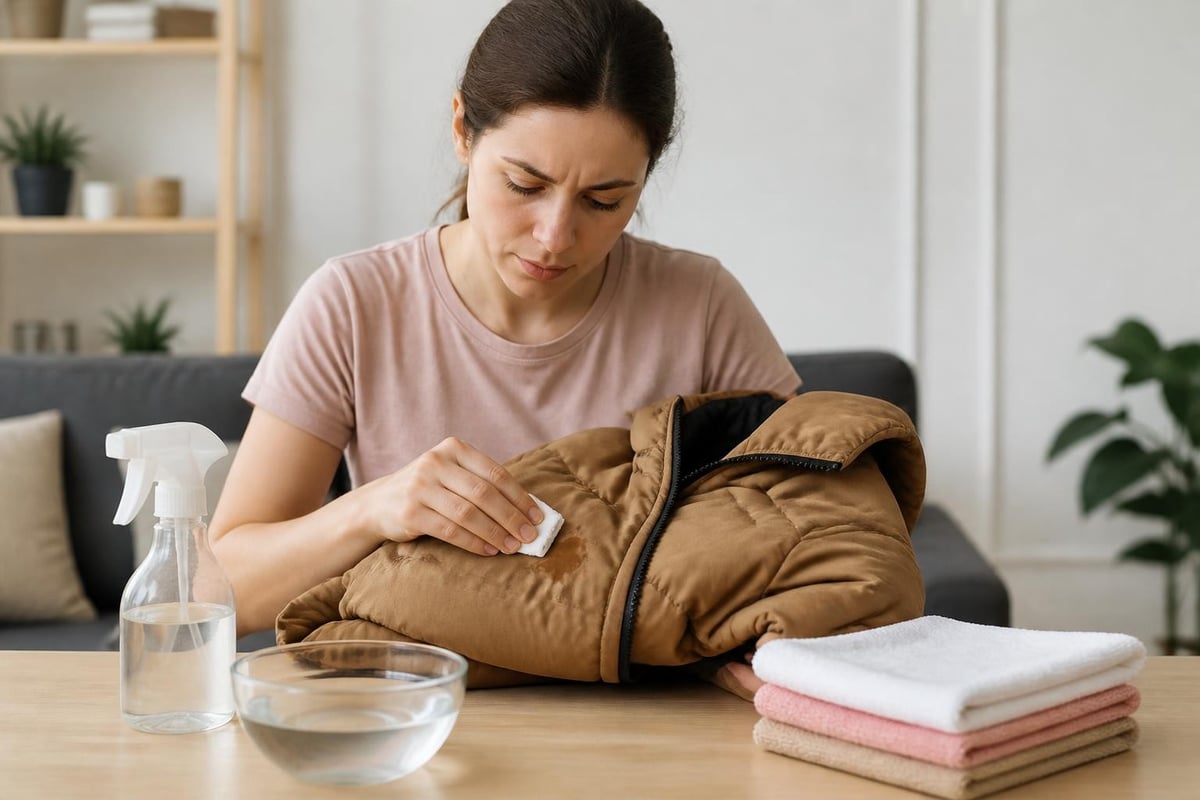
Different stain types require specific treatment approaches. Understanding stain chemistry enables effective removal without fabric damage.
Oil and Grease Stains
Petroleum-based stains penetrate fabric fibers and resist water-based cleaning. Pre-treatment with degreasers or specialized stain removers proves essential before washing.
Treatment protocol:
- Apply stain remover directly to affected area
- Work solution into fabric using soft brush
- Allow 10-15 minutes penetration time
- Wash immediately after treatment
- Check before drying; heat sets oil stains
Protein-Based Stains
Blood, sweat, and food proteins require enzyme-based treatments for effective removal. Hot water sets protein stains permanently, making cold water essential for initial treatment.
Modern all-in-one laundry capsules often incorporate enzyme blends that address multiple stain types simultaneously, simplifying the treatment process while delivering professional results.
Environmental Contaminants
Mud, grass, and environmental stains respond well to mechanical action combined with appropriate detergents. Pre-soaking loosens embedded particles before agitation.
For set-in stains that resist initial treatment, repeated applications with specialized formulations prove more effective than aggressive scrubbing that damages fabrics.
Restoring Water Repellency and Protective Treatments
Many jackets rely on DWR coatings that degrade with use and washing. Restoring these treatments maintains jacket performance and extends service life.
Understanding DWR Degradation
Durable water repellent finishes work by creating a hydrophobic surface where water beads and rolls off fabric. Body oils, dirt, and repeated washing gradually reduce effectiveness.
Signs that DWR needs restoration include:
- Water absorption rather than beading
- Fabric feeling heavy when wet
- Extended drying times
- Loss of breathability as outer layer wets out
Reactivation and Reapplication Methods
Some DWR treatments reactivate with heat, while others require reapplication of water-repellent products. Understanding jacket-specific requirements prevents unnecessary reapplication.
Reactivation process:
- Clean jacket thoroughly to remove soil and oils
- Tumble dry on medium heat for 20 minutes
- Test water repellency with spray bottle
- Reapply DWR spray or wash-in treatment if needed
- Allow proper curing time per product instructions
Professional-grade cleaning solutions that don't deposit residue help maintain DWR effectiveness longer, reducing reapplication frequency.
Specialized Care for Heritage and Statement Jackets
Certain jacket styles carry cultural significance and require preservation beyond basic cleaning. The evolution of bomber jackets illustrates how functional military wear transformed into fashion statements, with vintage and heritage pieces demanding special handling.
Leather and Suede Jackets
Leather jackets require conditioning alongside cleaning to prevent drying and cracking. Water-based cleaners designed for leather remove surface soil while maintaining natural oils.
- Test cleaners on inconspicuous areas first
- Use soft cloths or brushes appropriate for leather type
- Apply leather conditioner after cleaning
- Store on padded hangers to maintain shape
- Keep away from direct heat sources
Vintage and Collectible Pieces
Historical jackets may feature fragile fabrics, original hardware, and construction methods that don't tolerate modern washing machines. Hand washing with gentle, pH-neutral detergents preserves these valuable garments.
Drying and Storage Best Practices
Proper drying and storage prevent damage between wearings and seasonal storage periods. These final care steps significantly impact jacket longevity.
Optimal Drying Methods
Different jacket types tolerate varying drying approaches:
| Jacket Type | Best Drying Method | Temperature | Special Notes |
|---|---|---|---|
| Down Insulated | Tumble Dry Low | Low | Add tennis balls for loft |
| Waterproof Shell | Air Dry or Tumble | Low-Medium | Heat reactivates DWR |
| Leather | Air Dry Flat | Room Temp | Never use heat |
| Fleece | Tumble Dry | Low | Remove promptly |
| Work/Safety | Line Dry Preferred | N/A | Preserves treatments |
Long-Term Storage Solutions
Seasonal jackets benefit from proper storage that maintains shape and prevents damage:
- Clean thoroughly before storage
- Use breathable garment bags, not plastic
- Hang on appropriate hangers (padded for heavy jackets)
- Store in climate-controlled environments
- Avoid compression that damages insulation
- Include moth deterrents for natural fibers
Sustainable Jacket Care and Environmental Considerations
Modern jacket care increasingly emphasizes environmental responsibility alongside cleaning effectiveness. Eco-friendly laundry solutions reduce chemical exposure while delivering professional results.

Reducing Washing Frequency
Overwashing accelerates jacket degradation and wastes resources. Strategic spot cleaning and airing between wears extends time between full washes.
When to wash jackets:
- After visible soiling or staining
- When odors persist after airing
- Following exposure to harsh chemicals or contaminants
- Before seasonal storage
- Per manufacturer recommendations for technical features
Chemical-Free Alternatives
Non-toxic laundry solutions protect both jacket fabrics and environmental health. Plant-based formulations and biodegradable ingredients provide effective cleaning without persistent pollutants.
Concentrated formulations reduce packaging waste and transportation emissions while delivering powerful cleaning in smaller doses. This efficiency benefits both operational costs and environmental footprint.
Commercial Laundry Operations and Jacket Processing
Large-scale jacket cleaning requires systematic approaches that balance efficiency with garment care. Commercial operations processing high volumes benefit from standardized protocols and specialized equipment.
Batch Processing Strategies
Grouping jackets by fabric type, soil level, and care requirements optimizes wash programming and chemical usage. This organization prevents cross-contamination and ensures appropriate treatment for each category.
Commercial processing workflow:
- Intake and inspection - Identify damage, special requirements, stains
- Sorting and classification - Group by fabric and soil level
- Pre-treatment - Address stains and heavy soiling
- Washing - Use appropriate programs and chemistry
- Drying - Match method to fabric requirements
- Quality check - Verify cleaning results and finish
- Storage or delivery - Protect cleaned garments
Commercial operations serving athletic facilities, industrial sites, or rental programs process hundreds of jackets weekly. Subscription-based cleaning solutions simplify inventory management while ensuring consistent product availability.
Quality Control Standards
Professional laundry operations maintain quality through systematic inspection and documentation:
- Pre-wash photography for valuable items
- Stain removal verification before drying
- Treatment effectiveness tracking
- Customer feedback integration
- Continuous protocol improvement
Advanced Fabric Care Technology Integration
Modern laundry solutions incorporate scientific advancements that improve cleaning effectiveness while simplifying processes. Understanding these innovations helps optimize jacket care programs.
Multi-Function Cleaning Systems
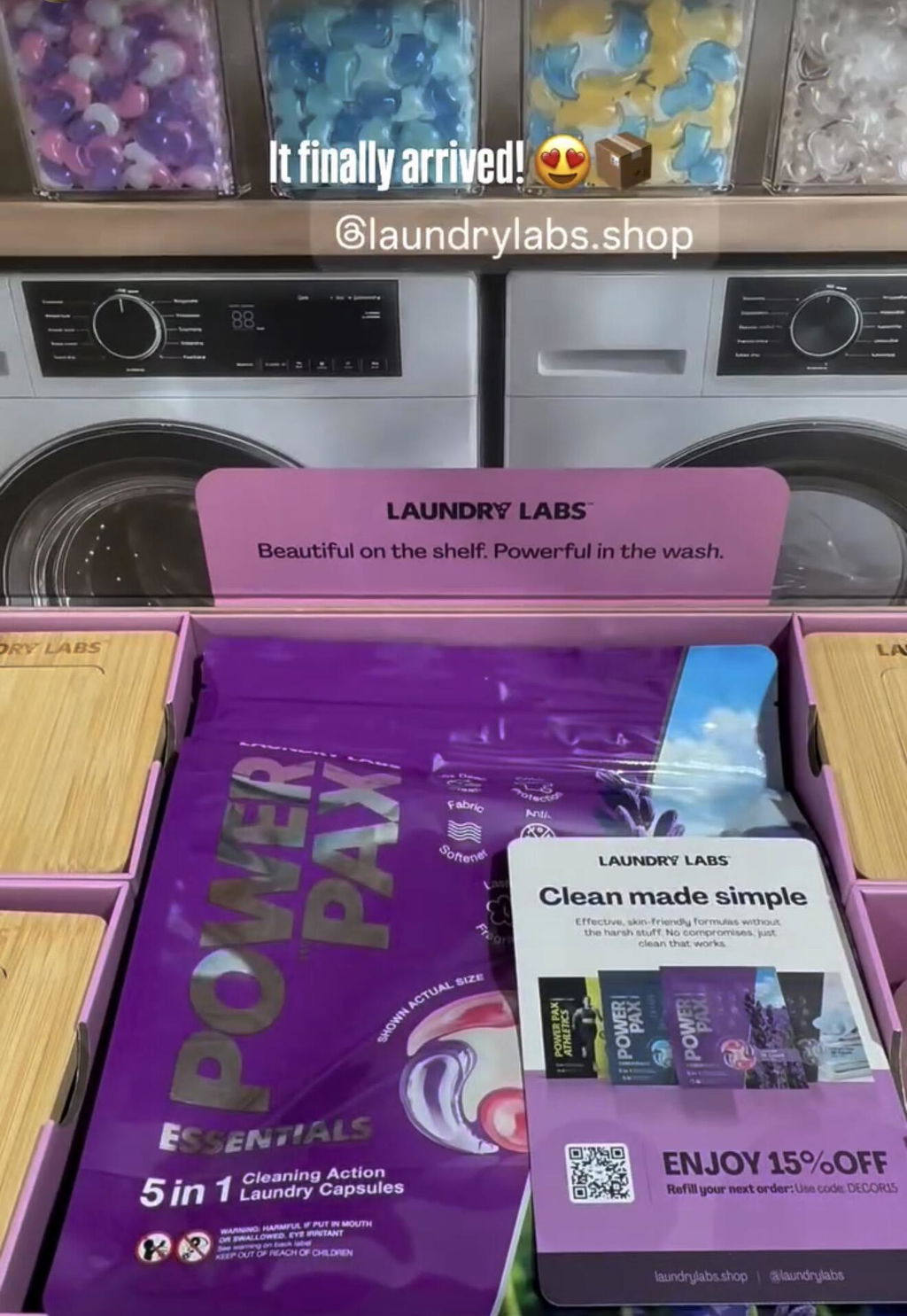
All-in-one formulations that combine cleaning, softening, stain treatment, and odor control streamline jacket care without compromising results. Five-in-one capsule technology delivers comprehensive treatment in single-dose format, eliminating measuring and reducing storage requirements.
These integrated systems prove particularly valuable for:
- High-volume commercial operations
- Travel and mobile applications
- Space-constrained laundry facilities
- Simplified inventory management
- Consistent dosing accuracy
Fragrance Science in Jacket Care
Laundry fragrance technology enhances user experience while addressing odor-causing bacteria. Understanding fragrance delivery mechanisms helps select appropriate products for different jacket types and user preferences.
Options range from fresh, energizing scents for athletic wear to hypoallergenic, fragrance-free formulations for sensitive individuals or work environments with scent restrictions.
Industry-Specific Jacket Care Requirements
Different industries impose unique demands on jacket care programs, requiring specialized knowledge and adapted protocols.
Healthcare and Laboratory Environments
Medical and laboratory jackets may carry biological or chemical contamination requiring specialized laundering that meets regulatory standards. High-temperature washing and approved disinfectants ensure safety while maintaining fabric integrity.
Hospitality and Service Industries
Uniform jackets representing brand image demand immaculate appearance alongside durability. Professional laundering maintains color vibrancy, crisp finishes, and consistent presentation across large uniform programs.
Construction and Industrial Settings
Heavy-duty work jackets accumulate substantial soiling from job site conditions. Industrial laundry systems handle concrete dust, oil, paint, and other challenging contaminants while preserving safety features and extending garment life.
Future Trends in Jacket Care and Maintenance
Emerging technologies and evolving consumer preferences shape the future of jacket care, with sustainability and convenience driving innovation.
Smart Fabrics and Connected Garments
Jackets incorporating electronic components, sensors, and smart textiles introduce new care considerations. Removable electronics and specialized washing protocols protect technology while maintaining fabric cleanliness.
Biodegradable and Circular Design
Increasing focus on circular economy principles influences jacket design and care requirements. Garments designed for disassembly, recycling, or composting require care products that don't interfere with end-of-life processing.
On-Demand and Mobile Care Solutions
Portable cleaning technologies and service-based models change how consumers approach jacket maintenance. Efficient, travel-friendly solutions accommodate modern lifestyles while maintaining professional care standards.
Proper jacket care combines understanding fabric technologies, implementing appropriate cleaning protocols, and selecting effective, sustainable products. Whether maintaining athletic performance wear, preserving safety features in work jackets, or extending the life of everyday garments, professional care practices deliver measurable benefits in longevity, performance, and appearance. Laundry Labs provides powerful, eco-friendly solutions specifically formulated to meet these diverse jacket care challenges, offering commercial-grade performance in convenient, sustainable formats that simplify maintenance while protecting your valuable garments and the environment.