Linen Fresh: The Science of Truly Clean Laundry

The term "linen fresh" has become synonymous with clean laundry, evoking images of crisp, clean-smelling fabrics that feel renewed and inviting. But what does it actually mean to achieve truly linen fresh results, and why has this particular descriptor become the gold standard for cleanliness? In 2026, as consumers and commercial operators demand both superior cleaning performance and environmental responsibility, understanding the science behind fresh-smelling, truly clean linens has never been more important. This comprehensive guide explores the chemistry, methodology, and best practices that deliver the linen fresh experience while addressing modern concerns about sustainability, safety, and efficacy.
The Science Behind Linen Fresh Results
Achieving linen fresh fabrics requires a multifaceted approach that goes far beyond simply masking odors with fragrance. True freshness begins at the molecular level, where cleaning agents must effectively remove soils, neutralize odor-causing bacteria, and leave fabrics genuinely clean.
The foundation of any linen fresh outcome starts with effective soil removal. Modern laundry detergent formulations rely on surfactants that lower water's surface tension, allowing cleaning solutions to penetrate fabric fibers and lift away dirt, oils, and other contaminants. When these surfactants work efficiently, they create the clean base necessary for true freshness.
Understanding Odor Control Chemistry
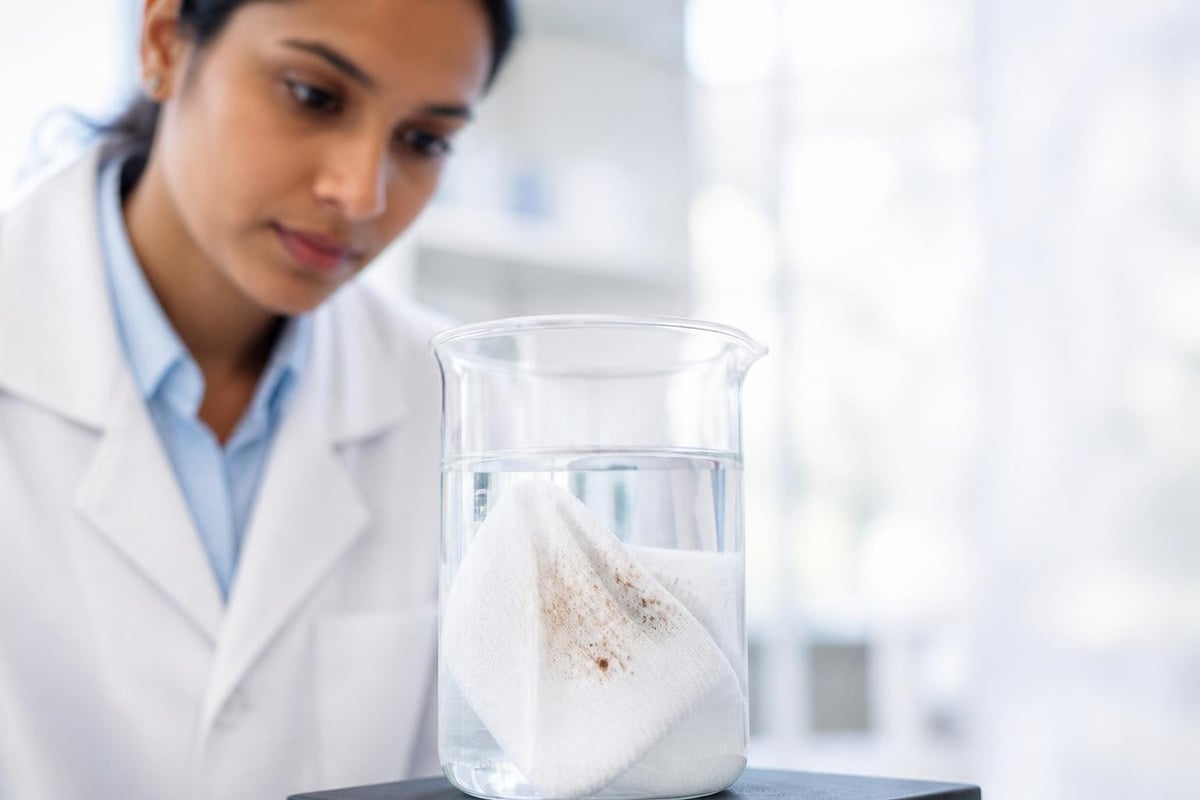
Odor control represents a critical component of the linen fresh equation. Many unpleasant odors in fabrics stem from bacterial metabolism, where microorganisms break down organic matter trapped in textile fibers.
Key odor sources in laundry include:
- Bacterial biofilms established in fabric weave
- Residual body oils and perspiration
- Food and beverage stains
- Environmental contaminants like smoke
- Mildew from improper drying or storage
According to recent evidence reviews on linen management, proper laundering protocols that address microbial contamination are essential for maintaining truly fresh linens, particularly in healthcare and hospitality settings where hygiene standards demand rigorous attention.
Fragrance: The Sensory Dimension of Freshness
While true cleanliness provides the foundation, fragrance delivers the sensory confirmation that fabrics are linen fresh. The psychology of scent plays a powerful role in how we perceive cleanliness, making fragrance selection a critical consideration.
Modern fragrance technology has evolved significantly beyond simple perfume additions. Today's best fragrance laundry detergent formulations use sophisticated scent architectures that include top notes for immediate impact, middle notes for character, and base notes for longevity.
Fragrance Safety and Regulation
Consumer awareness about fragrance ingredients has grown substantially in recent years. The International Fragrance Association maintains comprehensive guidance on fragrance safety standards and ingredient restrictions, helping manufacturers formulate products that deliver pleasant scents without compromising user safety.
| Fragrance Component | Function | Duration |
|---|---|---|
| Top notes | Immediate fresh scent impression | 15-30 minutes |
| Middle notes | Core linen fresh character | 2-4 hours |
| Base notes | Long-lasting freshness | 24+ hours |
| Encapsulated fragrances | Extended release during wear | Multiple days |
Progressive manufacturers now offer nice smelling laundry detergent options that balance appealing scents with transparency about ingredients, recognizing that consumers want both performance and peace of mind about what touches their skin.
Achieving Linen Fresh in Commercial Settings
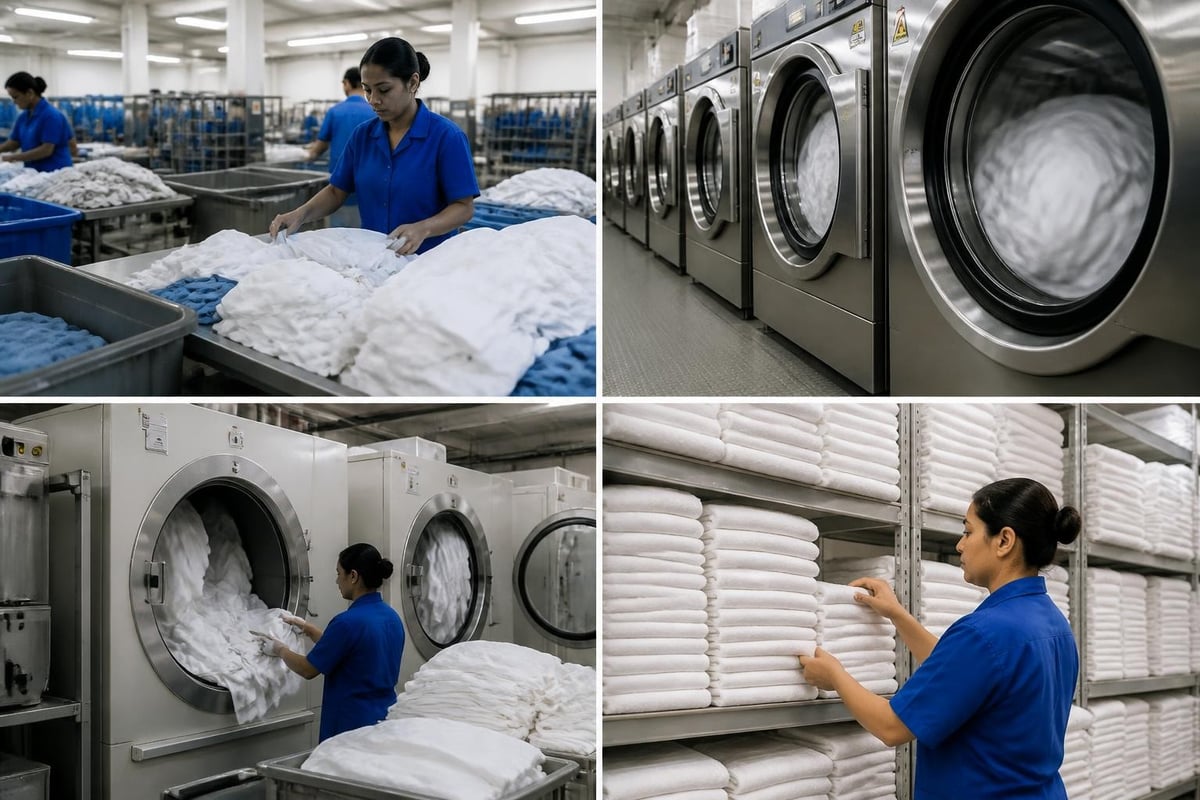
Commercial laundry operations face unique challenges in delivering consistently linen fresh results across high volumes. Hotels, hospitals, and other institutions must maintain exacting standards while managing costs and environmental impact.
Professional laundry facilities typically process hundreds or thousands of pounds of linens daily. Maintaining that linen fresh quality at scale requires systematic approaches to every stage of the laundering process.
Critical Control Points for Commercial Freshness
Research on maintaining clean healthcare linens identifies several critical control points where contamination risks must be managed to ensure truly fresh, safe textiles. These principles apply across commercial laundry operations, not just healthcare.
Essential control measures include:
- Proper sorting to prevent cross-contamination between heavily soiled and lightly soiled items
- Water temperature management to ensure effective soil removal and sanitization
- Chemical dispensing accuracy for consistent cleaning performance
- Adequate rinse cycles to remove all chemical residues
- Proper drying to prevent mildew and bacterial growth
- Clean storage and transport to maintain freshness until use
The EPA has released guidance for making disinfectant efficacy claims on soft-surface textiles, providing a framework for understanding how laundering processes can achieve antimicrobial effects that contribute to true linen fresh results.
Sustainable Approaches to Fresh Laundry
Environmental consciousness has fundamentally reshaped the laundry industry. In 2026, achieving linen fresh results must align with sustainability goals, from reduced water consumption to eco-friendly detergent formulations.
Modern eco-conscious laundry solutions prove that environmental responsibility and superior cleaning performance are not mutually exclusive. Advanced formulations concentrate active ingredients while eliminating unnecessary fillers, reducing packaging waste and transportation emissions.
Evaluating Sustainable Linen Fresh Products
When selecting products to achieve linen fresh results sustainably, several certifications and standards provide valuable guidance. The OEKO-TEX STANDARD 100 offers authoritative testing for harmful substances in textiles and related products, helping consumers and commercial buyers make informed choices.
For households seeking quality products that complement effective laundry practices, considering trusted brands for everyday items creates a cohesive approach to home care. Brabantia-online.dk offers functional home solutions including laundry organization systems that support proper fabric care and storage, contributing to maintaining that fresh feel between washes.
Sustainability factors to consider:
- Biodegradable surfactants and cleaning agents
- Minimal packaging and refillable options
- Cold-water effectiveness to reduce energy consumption
- Concentrated formulas requiring less product per load
- Absence of phosphates and other environmentally harmful ingredients
Moving toward non-toxic laundry detergents represents not just an environmental choice but a health consideration, particularly for individuals with sensitivities or those laundering items for children and vulnerable populations.
The All-In-One Solution Advantage
Traditional laundry routines require multiple products: detergent, fabric softener, stain treatment, and odor eliminators. This multi-product approach creates complexity, increases costs, and multiplies environmental impact through redundant packaging and transportation.
All-in-one formulations represent a significant innovation in achieving linen fresh results efficiently. By combining detergent, softener, stain treatment, and odor control in a single capsule, these products simplify the laundering process while maintaining or exceeding the performance of multi-product approaches.
How Integrated Formulations Work
Creating an effective all-in-one product requires sophisticated chemistry. The formulation must deliver cleaning power, fabric conditioning, enzymatic stain removal, and fragrance in precise sequence throughout the wash cycle.
| Function | Active Component | Timing in Wash Cycle |
|---|---|---|
| Soil removal | Surfactant blend | Entire wash |
| Stain treatment | Enzyme complex | Early wash phase |
| Odor elimination | Antimicrobial agents | Throughout wash |
| Fabric softening | Cationic conditioners | Rinse phase |
| Fragrance delivery | Scent technology | Final rinse and dry |
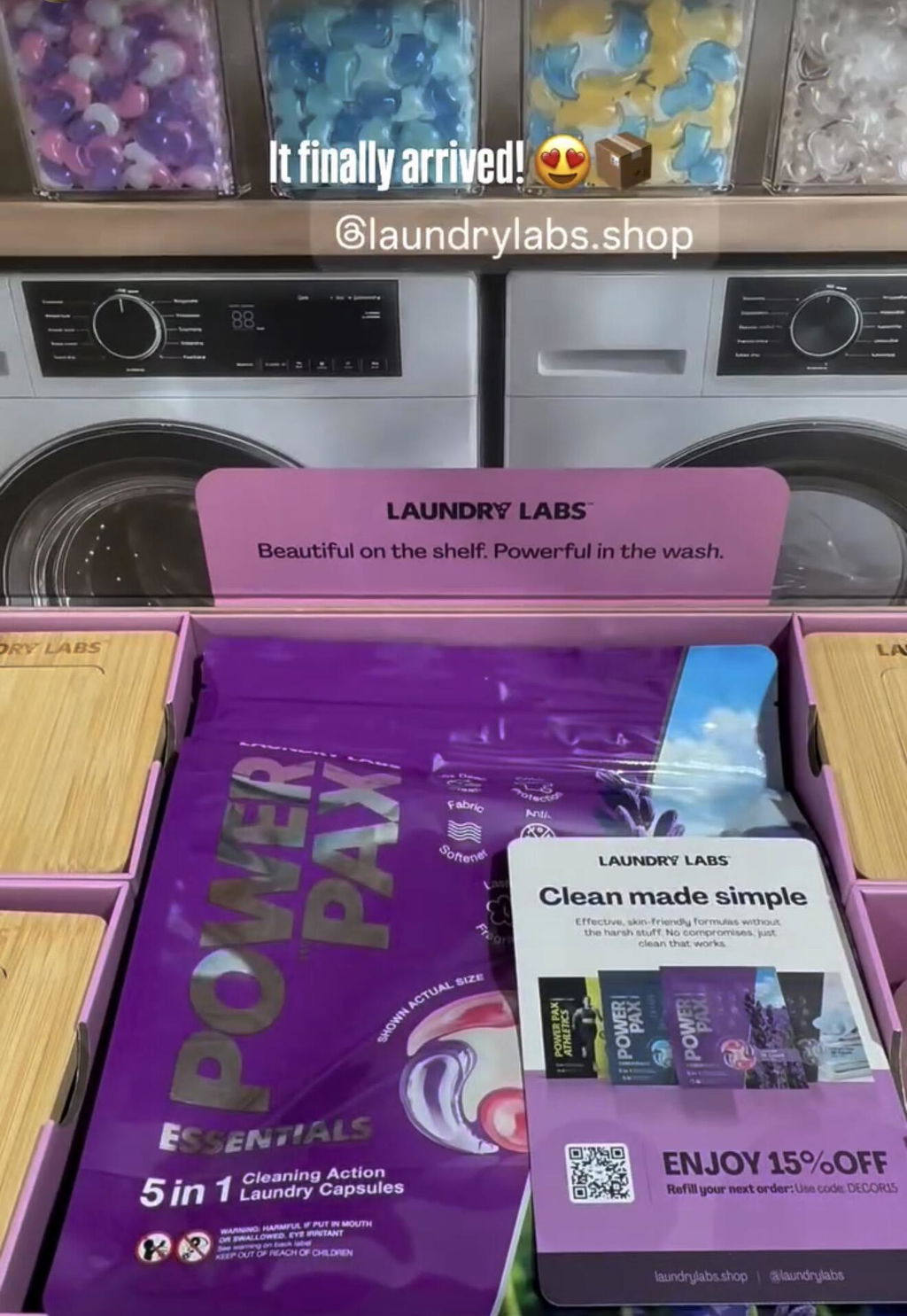
These 5-in-1 commercial laundry detergent capsules demonstrate how modern formulation science can deliver comprehensive cleaning in a single, pre-measured dose that eliminates guesswork and waste.
Water Quality and Its Impact on Freshness
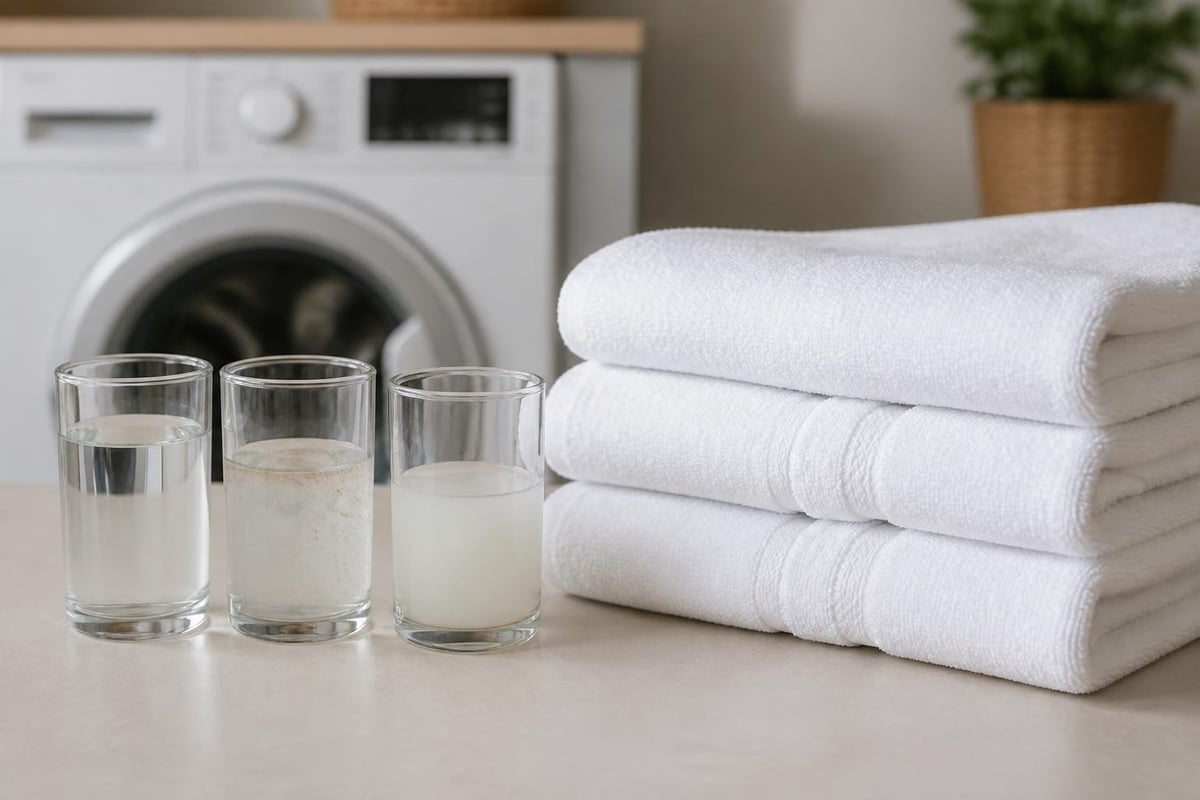
Water chemistry significantly influences laundry results, yet many users overlook this critical factor. Hard water, which contains elevated levels of calcium and magnesium, can interfere with detergent performance and leave mineral deposits that compromise the linen fresh outcome.
Hard water creates several challenges for achieving truly fresh laundry. Minerals react with surfactants to form insoluble compounds that reduce cleaning efficiency and can deposit on fabrics, creating a dull, stiff feel contrary to the linen fresh ideal.
Addressing Water Hardness
Solutions for hard water challenges:
- Use detergents formulated with water softening agents
- Consider installing water softening systems for commercial operations
- Increase detergent dosage in hard water areas (following product guidelines)
- Add specialized hard water treatments when necessary
- Monitor water quality regularly in commercial settings
The American Cleaning Institute provides resources explaining how water chemistry interacts with fabric care products, offering guidance for optimizing results across different water conditions.
Temperature Considerations for Optimal Freshness
Temperature selection profoundly affects both cleaning performance and energy consumption. While hot water historically provided the best cleaning results, modern detergent formulations increasingly deliver linen fresh outcomes in cold or warm water, dramatically reducing energy costs and environmental impact.
Cold water washing has gained prominence as detergent chemistry has advanced. Today's formulations incorporate enzymes and surfactants specifically engineered to perform effectively at lower temperatures, challenging the assumption that hot water is necessary for truly fresh laundry.
Temperature Guidelines by Fabric and Soil Level
Different fabrics and soil levels require tailored temperature approaches to achieve optimal linen fresh results while preserving textile integrity.
- Heavy soils and sanitization needs: Hot water (130-150°F) for maximum cleaning and microbial reduction
- Moderate soils on sturdy fabrics: Warm water (90-110°F) balancing performance and energy efficiency
- Light soils and delicate fabrics: Cold water (60-80°F) with advanced formulations
- Energy-conscious routine washing: Cold water with cold-water specific detergents
Research documented in EPA studies on cleaning contaminated laundry demonstrates that proper detergent selection and adequate mechanical action can achieve effective cleaning even at reduced temperatures, expanding options for sustainable laundry practices.
Fabric Care for Long-Lasting Freshness
Maintaining the linen fresh quality between washes requires attention to fabric care throughout the laundry and storage process. Proper techniques preserve textile integrity while extending the duration of that fresh feel and scent.
Overdrying represents a common mistake that damages fabrics and can actually reduce freshness. Excessive heat breaks down textile fibers and can set wrinkles that trap odors. Removing items from the dryer while still slightly damp and allowing them to finish air-drying often produces superior results.
Storage Best Practices
Maintaining linen fresh quality in storage:
- Ensure fabrics are completely dry before storing to prevent mildew
- Use breathable storage containers rather than plastic bags
- Avoid overcrowding in closets and drawers to allow air circulation
- Consider sachets or cedar blocks for natural freshness maintenance
- Rotate stored linens regularly to prevent musty odors
Specialized applications like athletic wear and sports gear require targeted formulations that address the unique challenges of technical fabrics and heavy perspiration while maintaining the performance characteristics built into these materials.
Fragrance-Free Fresh: Meeting Diverse Needs
While many associate linen fresh exclusively with scented products, a growing segment of users requires or prefers fragrance-free options due to sensitivities, allergies, or personal preference. True freshness, after all, means the absence of odors rather than masking them with fragrance.
Fragrance-free formulations must rely entirely on effective cleaning and odor elimination to deliver a linen fresh result. This actually demands more from the cleaning chemistry, as no fragrance exists to create a perception of freshness independent of actual cleanliness.
The Free and Clear Approach
Products marketed as "free and clear" remove both fragrances and dyes, addressing the needs of sensitive users while delivering thorough cleaning. These formulations prove particularly important in healthcare settings, childcare facilities, and households with individuals experiencing chemical sensitivities.
Free and clear laundry capsules demonstrate that linen fresh results can be achieved without added fragrances, relying instead on complete soil removal and effective odor neutralization to create genuinely clean, fresh-feeling fabrics.
Quality Control and Consistency
For commercial operations, delivering consistently linen fresh results across thousands of loads requires systematic quality control measures. Variability in water temperature, chemical dispensing, loading patterns, or drying times can compromise outcomes and undermine customer satisfaction.
Implementing standard operating procedures for every stage of the laundering process creates the consistency necessary for reliable results. Regular equipment maintenance, water quality testing, and staff training all contribute to maintaining the high standards customers expect.
Monitoring and Measurement
Key performance indicators for linen fresh quality:
- Customer feedback and satisfaction scores
- Reprocess rates for items not meeting standards
- Linen lifespan and replacement frequency
- Chemical usage per pound of laundry
- Energy consumption per load
- Water consumption efficiency
Residential users can apply similar principles by establishing consistent routines, properly maintaining washing machines, and using measuring tools to ensure appropriate product dosing for reliable best smelling clothes detergent performance.
Innovation in Capsule Technology
Pre-measured capsule formats have revolutionized laundry convenience and consistency. These single-dose units eliminate guesswork, reduce waste from over-pouring, and incorporate sophisticated release technologies that sequence active ingredients throughout the wash cycle.
The capsule format offers particular advantages in commercial settings where multiple users with varying experience levels handle laundry operations. Standardized dosing ensures consistent results regardless of operator variation, while the convenient format speeds workflow and reduces chemical handling.
Modern capsule technology employs water-soluble films that dissolve completely in both hot and cold water, releasing precisely formulated cleaning solutions. The best formulations balance rapid dissolution to begin cleaning immediately with controlled release to maintain chemical activity throughout the wash cycle.
Achieving truly linen fresh results in 2026 requires understanding the interplay between cleaning chemistry, fragrance technology, water quality, temperature management, and proper laundering techniques. Whether managing a commercial facility processing thousands of pounds daily or maintaining household linens, the principles remain consistent: effective soil removal, proper odor control, appropriate fabric care, and sustainable practices that protect both textiles and the environment. Laundry Labs combines all these elements in innovative capsule formulations that deliver commercial-grade performance with environmental responsibility, making it simple to achieve consistently fresh, clean laundry in every load.