Paint Stains: Professional Removal Guide for 2026

Paint stains represent one of the most challenging laundry scenarios for both commercial and residential settings. Whether you're dealing with accidental splatters from a weekend DIY project, professional painter's work clothes, or children's craft activities, understanding the science behind paint stain removal can mean the difference between salvaging a garment and adding it to the donation pile. The key to successful treatment lies in identifying the paint type, acting quickly, and using the right combination of products and techniques. With modern eco-friendly formulations now available, you can tackle even stubborn paint stains without compromising on environmental responsibility or fabric safety.
Understanding Paint Stain Chemistry
Paint stains vary dramatically in composition, and their removal difficulty depends entirely on the formulation. Modern paints fall into two primary categories: water-based (latex, acrylic) and oil-based (alkyd, enamel). Water-based paints have become increasingly popular since the 1990s due to environmental regulations and improved performance characteristics.
The American Coatings Association provides detailed labeling guidance that helps consumers understand paint composition. This information proves critical when selecting appropriate removal strategies.
Water-Based Paint Stains
Water-based paints contain acrylic or vinyl resins suspended in water with various additives. These formulations offer several advantages for stain removal:
- Fresh stains respond well to immediate water flushing
- Most compounds break down with standard detergent systems
- Environmental impact remains minimal during treatment
- Fabric damage risk stays relatively low with proper technique
Timing matters significantly. Once water-based paint stains dry and cure, the polymer chains cross-link, creating a plastic-like film that bonds to fabric fibers. This transformation typically occurs within 30 minutes to two hours, depending on temperature and humidity.
Oil-Based Paint Challenges
Oil-based formulations present more complex removal scenarios. These paints use petroleum-based solvents and alkyd resins that require different treatment approaches:
| Paint Type | Primary Solvent | Removal Window | Treatment Complexity |
|---|---|---|---|
| Latex/Acrylic | Water | 15-30 minutes | Low to Moderate |
| Oil/Alkyd | Mineral spirits | 10-20 minutes | High |
| Spray Paint | Various | 5-15 minutes | Very High |
The University of Georgia Extension offers practical guidance on identifying paint types and step-by-step removal treatments for washable fabrics. Their research-based approach emphasizes textile safety while maximizing stain removal success.
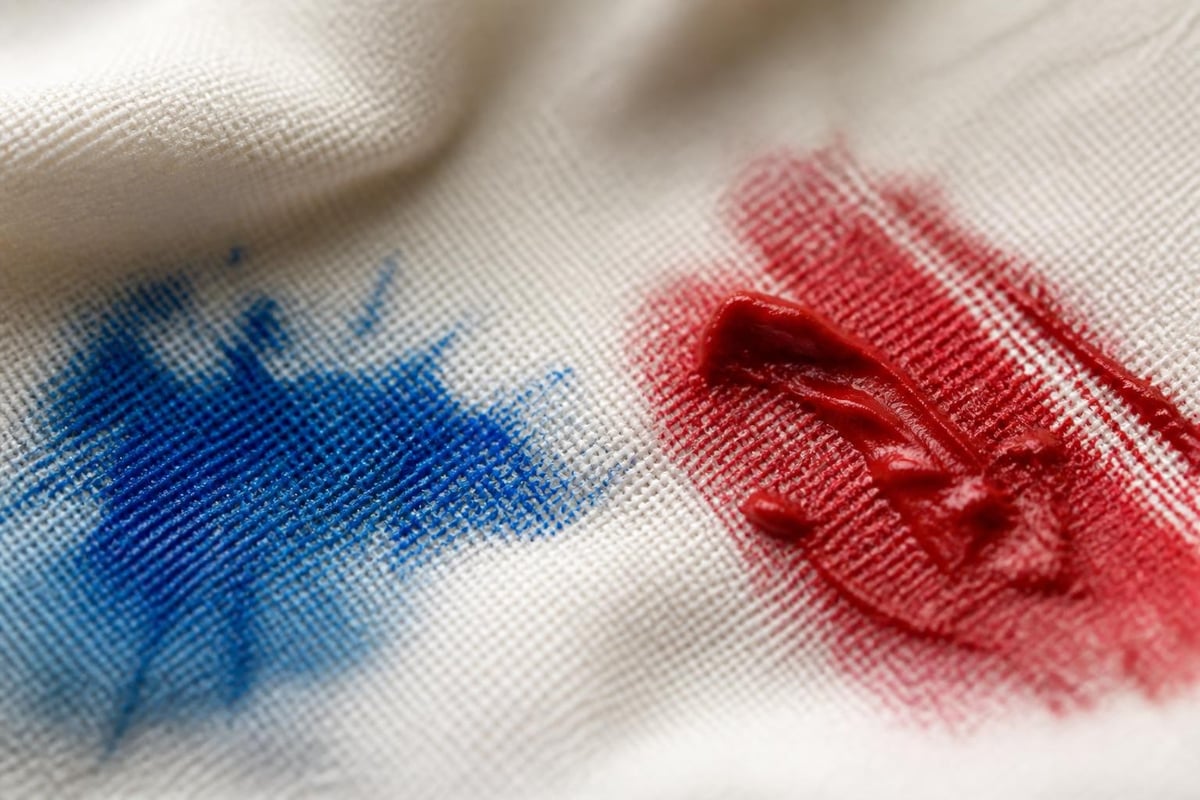
Immediate Response Protocols
The first five minutes after paint contact determine your likelihood of complete stain removal. Professional cleaning operations have developed systematic approaches that minimize permanent damage.
Fresh Water-Based Paint Treatment
When water-based paint contacts fabric, immediate action prevents permanent bonding:
- Blot excess paint using clean white cloths or paper towels
- Flush with cold water from the back of the fabric, forcing paint outward
- Apply concentrated detergent directly to the stain area
- Agitate gently with a soft brush or cloth
- Rinse thoroughly and assess results
Modern eco-friendly detergent formulations now include surfactant systems specifically designed to break down acrylic and latex polymers. These advanced formulations work at the molecular level to separate paint particles from fabric fibers without harsh chemicals.
Oil-Based Paint Emergency Response
Oil-based paint stains require solvent intervention, but safety considerations cannot be overlooked. The OSHA Hazard Communication standards provide workplace safety requirements for handling paints and solvents, relevant for both commercial laundry operations and informed consumers.
Never use solvents without proper ventilation. Mineral spirits, turpentine, and paint thinners release volatile organic compounds (VOCs) that pose health risks. Consider these safer alternatives:
- Citrus-based solvents with lower toxicity profiles
- Soy-based paint removers that biodegrade
- Commercial-grade stain removers tested for paint removal
- Professional dry cleaning for valuable garments
Advanced Treatment Strategies
When immediate treatment fails or dried paint stains appear, advanced methods become necessary. These techniques require patience, proper products, and realistic expectations about outcomes.
Mechanical Removal Methods
Dried paint creates a film layer that sometimes responds to mechanical intervention before chemical treatment:
- Scraping tools: Dull knife edges or credit cards can lift dried latex paint without fabric damage
- Freezing technique: Place garments in freezer bags for 2-4 hours; frozen paint may crack and peel
- Brush abrasion: Stiff-bristle brushes can break up paint surfaces before solvent application
The Consumer Reports stain removal guide emphasizes evidence-based approaches and proper timing for various stain categories, including paint removal scenarios.
Multi-Step Chemical Treatment
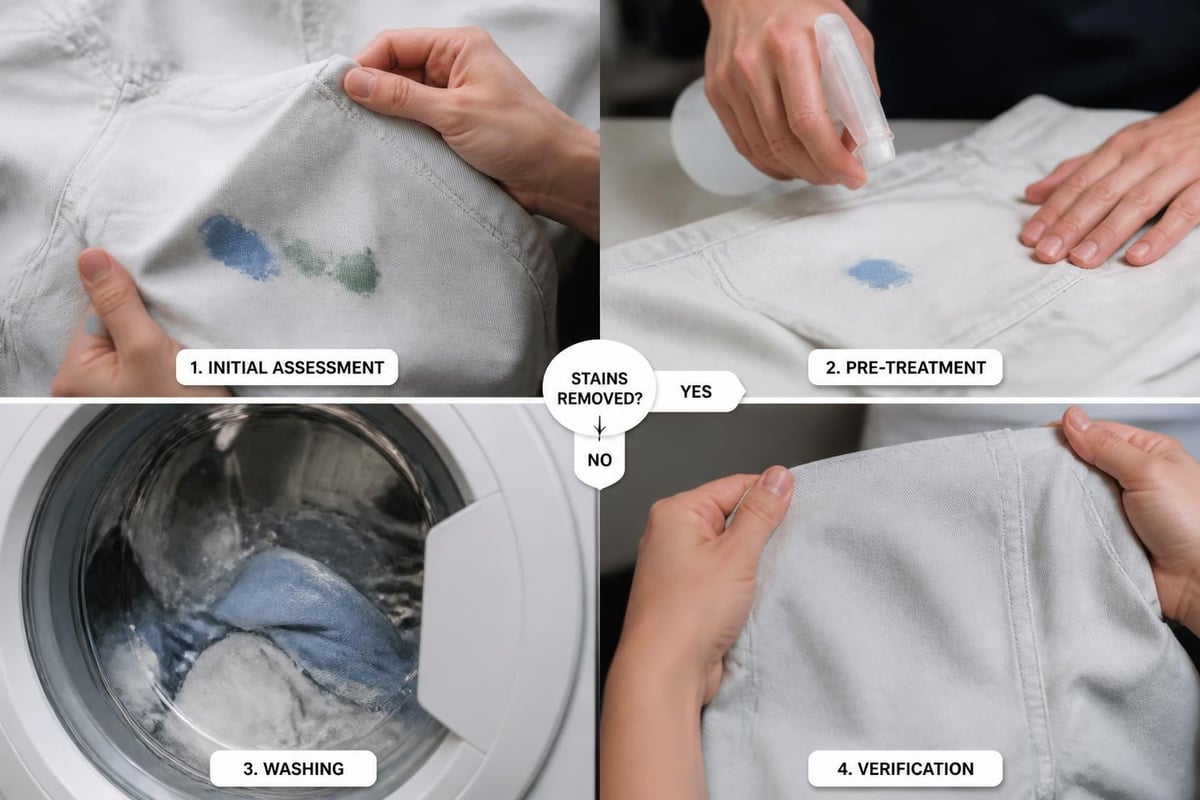
Professional laundry operations often employ sequential treatment protocols for stubborn paint stains:
Step 1: Pre-treatment Application Apply a concentrated stain fighter containing enzymes and surfactants. Laundry Labs' capsule formulations combine multiple active ingredients in precise ratios, eliminating guesswork in product selection and dosing.
Step 2: Dwell Time Management Allow pre-treatment products 10-30 minutes to penetrate paint layers. Temperature affects chemical activity; warm environments accelerate breakdown processes.
Step 3: Agitation and Washing Mechanical action during washing cycles helps dislodge loosened paint particles. Commercial-grade equipment provides superior agitation compared to residential machines.
Product Selection and Performance
Not all stain removers perform equally against paint stains. Testing methodologies help identify effective formulations.
Understanding Test Standards
Good Housekeeping references AATCC test methods in their product evaluations, providing consumers with objective performance data. The American Association of Textile Chemists and Colorists (AATCC) establishes industry-standard testing protocols that measure:
- Stain removal efficacy percentages
- Colorfastness preservation
- Fabric integrity maintenance
- Whiteness retention on light fabrics
Eco-Friendly Formulation Benefits
Traditional paint stain removers often contain harsh solvents, chlorine bleaches, or petroleum-derived surfactants. Modern alternatives deliver comparable performance with reduced environmental impact.
Key advantages of sustainable formulations:
- Biodegradable surfactant systems that break down naturally
- Plant-derived enzymes that target specific polymer chains
- pH-balanced formulas that protect fabric dyes
- Concentrated delivery systems reducing packaging waste
The shift toward eco-friendly laundry solutions reflects both consumer demand and environmental necessity. Products that combine stain treatment, detergent, and fabric protection in single-use capsules eliminate overdosing while ensuring consistent results.
Commercial Versus Consumer Products
| Product Category | Active Concentration | Intended Use | Cost Per Load |
|---|---|---|---|
| Retail Stain Stick | 5-15% actives | Spot treatment | $0.15-$0.40 |
| Commercial Pre-treat | 20-35% actives | Industrial laundry | $0.08-$0.25 |
| All-in-One Capsule | 15-25% actives | Multi-function | $0.30-$0.75 |
| Professional Solvent | 40-60% actives | Dry cleaning | $1.50-$3.00 |
Commercial-grade products often deliver superior paint stain removal due to higher active ingredient concentrations and professional-strength surfactant systems.
Fabric Considerations and Limitations
Paint stain removal success depends heavily on fabric type and construction. Understanding these variables prevents damage while maximizing results.
Natural Fiber Response
Cotton, linen, and other cellulosic fibers generally tolerate aggressive paint stain treatment well:
- Durable structure withstands mechanical agitation
- Heat-stable for hot water treatments
- Compatible with oxygen bleach systems
- Color-safe formulations preserve dye integrity
Wool and silk require gentler approaches due to protein fiber sensitivity. Always test treatments on hidden seams before proceeding with visible areas.
Synthetic Fabric Challenges
Polyester, nylon, and acrylic fabrics present unique paint stain scenarios. These petroleum-based materials share chemical similarities with oil-based paints, sometimes creating permanent bonds. Additionally, synthetic fibers may degrade when exposed to strong solvents required for certain paint types.
Best practices for synthetic fabrics:
- Avoid petroleum-based solvents that can dissolve fiber polymers
- Use enzyme-based treatments that target paint without affecting fabric
- Maintain water temperatures below 140°F to prevent heat-setting
- Consider professional cleaning for expensive athletic or performance wear
For athletic and performance fabrics, specialized formulations preserve moisture-wicking properties and technical features while addressing stains effectively.
Environmental and Safety Considerations
Proper paint stain treatment involves more than just clean fabric. Environmental responsibility and safety protocols protect both people and ecosystems.
Wastewater Management
Paint residues in wastewater streams raise environmental concerns. Commercial laundry operations must consider:
- Local discharge regulations for volatile organic compounds
- Pre-treatment systems that capture paint solids
- Biodegradable product selection minimizing aquatic toxicity
- Hazardous waste classification for certain paint types
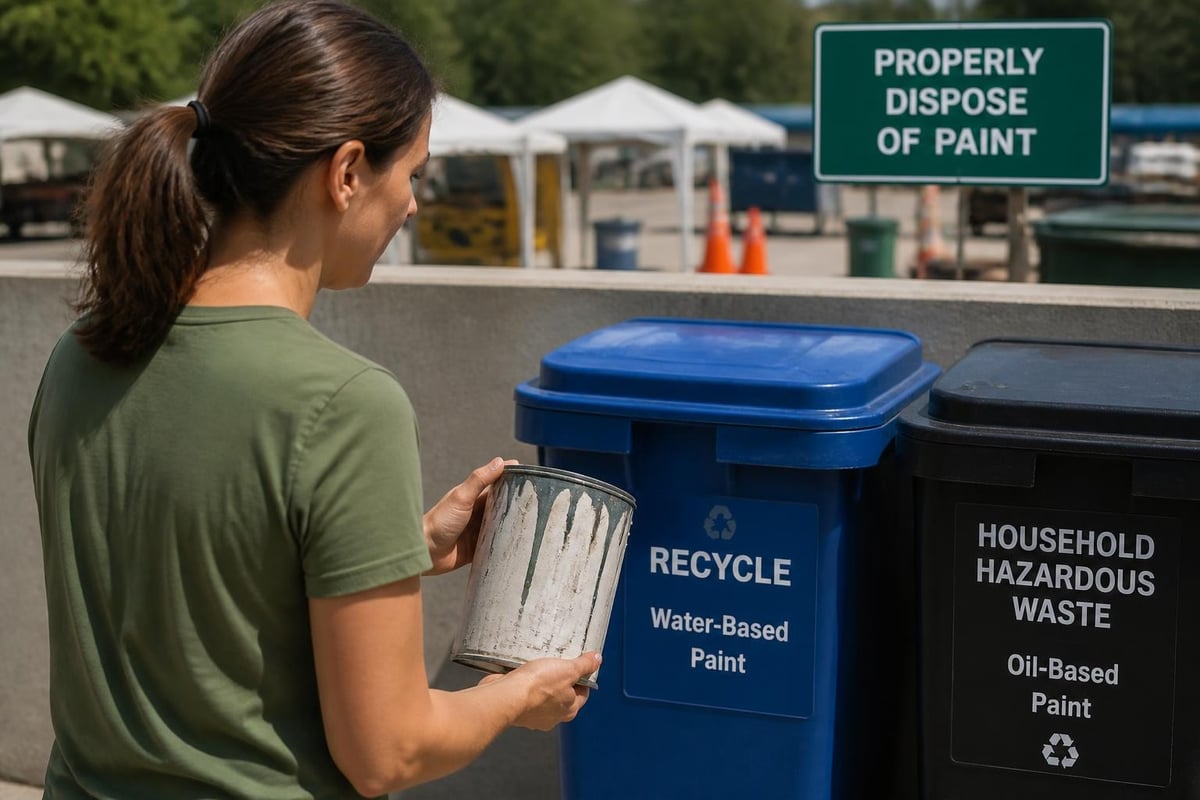
The EPA provides resources on household hazardous waste and recycling, including guidance on leftover paints and paint-related materials. Understanding these regulations helps both consumers and commercial operators make informed decisions.
Paint Stewardship Programs
PaintCare operates nonprofit paint stewardship programs in multiple states, providing practical guidance on accepted products and responsible handling. These programs reduce environmental impact by:
- Establishing drop-off locations for unused paint
- Recycling paint into new products when possible
- Proper disposal of non-recyclable formulations
- Public education on paint selection and use
When treating paint stains, consider the downstream impact of your cleaning methods. Water-based treatments generally pose fewer environmental risks than solvent-based approaches.
Personal Safety Protocols
Paint stain removal sometimes requires handling potentially hazardous materials. Follow these safety guidelines:
- Ventilation: Work in well-ventilated areas when using any solvent products
- Protective equipment: Wear gloves to prevent skin contact with paints and removers
- Eye protection: Splashing liquids can damage eyes; safety glasses provide protection
- Child safety: Store all paint and cleaning products out of children's reach
- Product mixing: Never combine different cleaning products without verifying compatibility
Professional laundry operations should maintain Safety Data Sheets (SDS) for all products used in paint stain removal, as required by workplace safety regulations.
Professional Versus DIY Treatment
Deciding between professional cleaning services and home treatment depends on several factors, including garment value, stain severity, and available resources.
When to Choose Professional Services
Certain situations warrant professional intervention:
- Designer or expensive garments where replacement cost exceeds cleaning fees
- Delicate fabrics requiring specialized knowledge and equipment
- Large-scale paint contamination affecting multiple items
- Oil-based or industrial paint requiring solvent expertise
- Historical or sentimental items where preservation matters most
Professional dry cleaners maintain equipment and products unavailable to consumers, including industrial-strength spotting agents and controlled solvent systems.
DIY Success Factors
Home treatment succeeds when these conditions exist:
- Fresh stains caught within the critical response window
- Water-based paint formulations amenable to standard cleaning
- Washable, durable fabrics tolerant of aggressive treatment
- Access to quality stain-fighting products with proven performance
- Realistic expectations about potential outcomes
Modern all-in-one laundry capsules simplify the DIY approach by combining detergent, stain fighters, and fabric protection in precise, pre-measured doses. This eliminates the guesswork associated with product selection and dosing calculations.
Prevention and Protection Strategies
Preventing paint stains proves far easier than removing them. Implement these strategies to minimize future incidents:
Workplace and Project Protocols
- Dedicated work clothing: Designate specific garments for painting projects
- Protective coverings: Use smocks, aprons, or disposable coveralls
- Drop cloths: Protect floors and furniture from splatter
- Proper containers: Secure paint can lids completely between uses
- Immediate cleanup: Address spills and splatters before they dry
Fabric Selection for Paint-Prone Environments
When purchasing work clothes or children's art clothing, consider fabrics that resist paint staining or tolerate aggressive cleaning:
- Tightly woven polyester blends shed paint more easily than loose cotton
- Darker colors camouflage residual staining better than light fabrics
- Budget-friendly options reduce anxiety about potential damage
- Quick-drying materials minimize paint absorption time
Storage and Handling Best Practices
Proper paint storage prevents accidental spills that lead to fabric staining:
- Store paint cans on stable, level surfaces away from traffic areas
- Use paint can holders or trays to catch drips and leaks
- Label containers clearly to prevent confusion
- Check lids and seals regularly for integrity
- Dispose of old, dried-out paint through proper channels
Commercial Laundry Solutions
Professional laundry operations serving painters, contractors, and industrial clients face unique paint stain challenges requiring specialized approaches.
Volume Processing Considerations
Commercial facilities processing dozens or hundreds of paint-stained garments daily need efficient systems:
- Pre-sort protocols: Separate paint-contaminated items from standard laundry
- Dedicated equipment: Assign specific machines to heavily soiled loads
- Chemical inventory: Maintain adequate supplies of industrial-strength pre-treatments
- Quality control: Implement inspection procedures before and after washing
High-volume operations benefit from capsule-based detergent systems that ensure consistent dosing across thousands of loads while reducing chemical waste.
Cost-Benefit Analysis
Commercial paint stain treatment involves balancing effectiveness against economic efficiency:
| Approach | Per-Load Cost | Success Rate | Processing Time |
|---|---|---|---|
| Basic detergent only | $0.15-$0.30 | 30-45% | 45-60 min |
| Pre-treat + standard wash | $0.45-$0.75 | 65-80% | 60-90 min |
| Multi-step intensive | $1.25-$2.00 | 85-95% | 120-180 min |
| Professional solvent | $3.00-$5.00 | 90-98% | 180-240 min |
Understanding these economics helps operators make informed decisions about service offerings and pricing structures.
Client Communication
Setting realistic expectations with customers prevents dissatisfaction. Clearly communicate:
- Paint stain removal limitations based on paint type and age
- Potential for residual staining even with best efforts
- Additional charges for intensive treatment procedures
- Fabric damage risks associated with aggressive treatments
- Recommendation timelines for submitting stained items
Transparent communication builds trust and reduces disputes over imperfect results.
Emerging Technologies and Innovations
The laundry industry continues developing new approaches to challenging stains, including paint. Recent innovations show promise for improving success rates while reducing environmental impact.
Enzymatic Breakthroughs
Biotechnology companies have engineered enzymes specifically targeting polymer chains found in acrylic and latex paints. These biological catalysts break down paint molecules at room temperature without harsh chemicals. Commercial implementation remains limited in 2026, but early testing shows encouraging results.
Ultrasonic Cleaning Applications
Ultrasonic technology, long used in industrial parts cleaning, has begun appearing in laundry applications. High-frequency sound waves create microscopic bubbles that implode against fabric surfaces, dislodging embedded paint particles. Commercial systems cost $15,000-$50,000, limiting adoption to large facilities and specialty services.
Sustainable Solvent Development
Green chemistry research focuses on bio-based solvents derived from renewable resources. These alternatives match petroleum solvent performance while offering biodegradability and reduced toxicity. Citrus terpenes, soy esters, and engineered bacteria-produced compounds represent promising directions.
The transition toward non-toxic laundry detergents reflects broader industry movement away from harmful chemicals toward safer, sustainable alternatives that protect both users and environments.
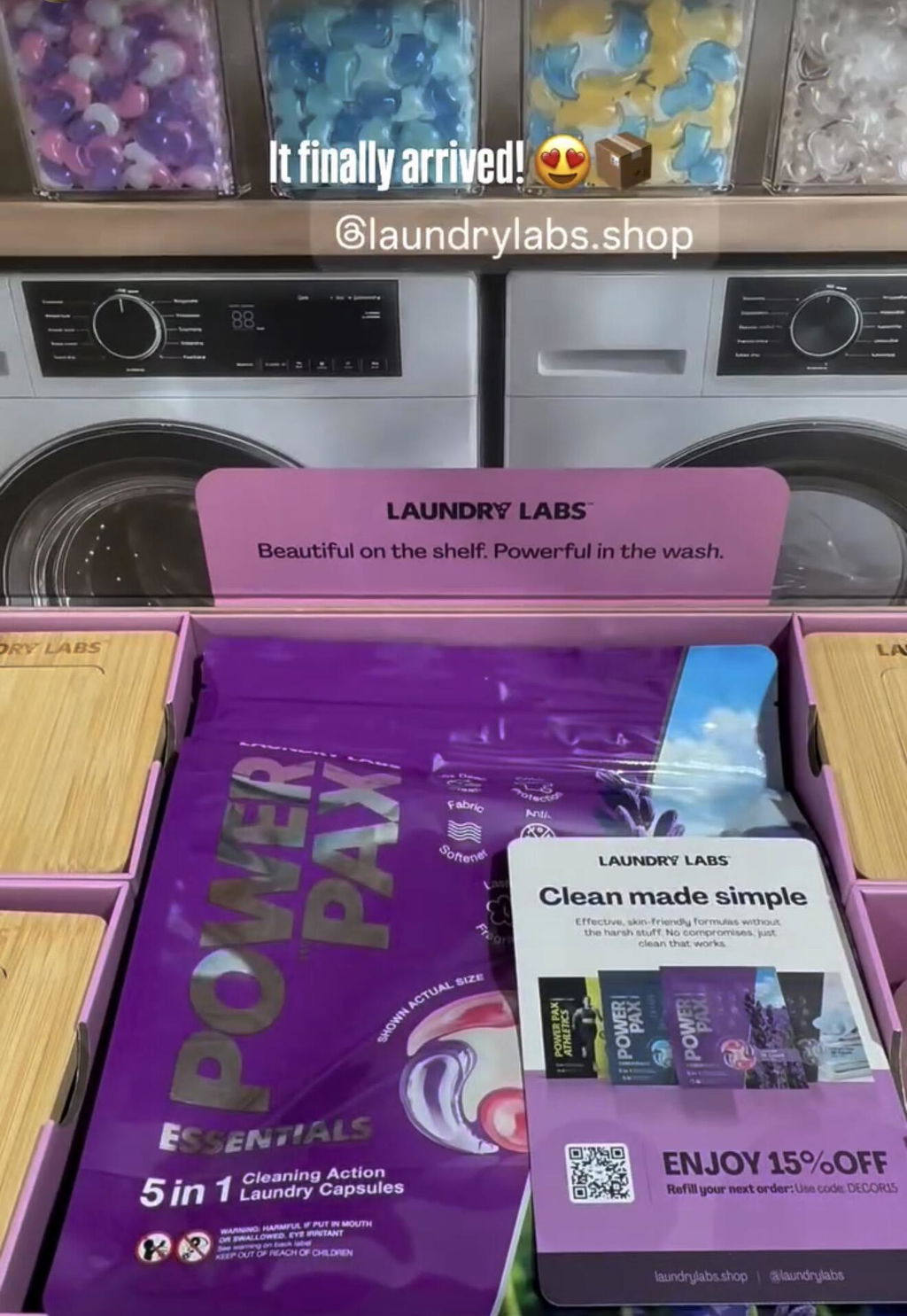
Successfully treating paint stains requires understanding paint chemistry, acting quickly, and selecting appropriate products for the specific scenario. Whether dealing with fresh water-based splatters or challenging oil-based stains, the right combination of mechanical action, chemical treatment, and professional-grade products maximizes your success rate. Laundry Labs offers powerful, eco-friendly solutions that combine stain treatment, detergent, softener, and odor control in precision-engineered capsules, giving you commercial-grade performance without complicated product selection or measuring. Our sustainable formulations tackle tough paint stains while protecting both your fabrics and the environment.