Pen Stains: Expert Guide to Removal & Prevention

Pen stains represent one of the most stubborn challenges in fabric care, combining pigments, dyes, and oils that bond quickly with textile fibers. Whether you've discovered a pocket leak from a forgotten ballpoint pen or encountered fresh ink on your favorite shirt, understanding the chemistry behind these marks and the most effective removal strategies can save garments that might otherwise be discarded. Modern laundry science offers both traditional household remedies and advanced formulations designed to tackle these persistent stains while protecting fabric integrity and the environment.
Understanding the Chemistry Behind Pen Stains
The complexity of removing pen stains stems from the diverse chemical composition of modern writing instruments. Ballpoint pens use oil-based inks containing pigments suspended in organic solvents like phenoxyethanol or benzyl alcohol. These formulations are designed for permanence, which is precisely why they create such challenging stains when they contact fabric.
Gel pens and rollerball pens employ water-based or hybrid inks with different solubility profiles. These formulations often include glycols, surfactants, and synthetic dyes that behave differently during the laundering process compared to traditional ballpoint inks. According to the Library of Congress preservation guidance, certain inks are specifically engineered to penetrate paper fibers deeply, a characteristic that translates to similar behavior when these inks contact textile materials.
Why Pen Inks Bond So Effectively
The molecular structure of pen inks creates multiple bonding mechanisms with fabric fibers. Oil-based ballpoint inks contain resins that polymerize upon exposure to air, essentially creating a plastic-like film on the fabric surface. Water-based inks penetrate deeply into natural fibers like cotton through capillary action, while synthetic dyes form ionic bonds with specific fiber types.
Key factors that make pen stains particularly stubborn:
- Rapid penetration into fiber structure within seconds of contact
- Multiple chemical components requiring different solvents for removal
- Heat-setting that occurs during standard drying cycles
- Oxidation reactions that darken stains over time
The longer a pen stain remains untreated, the more chemical bonds form between the ink components and fabric molecules. This time-dependent bonding explains why immediate action significantly improves removal success rates.

Immediate Response Strategies for Fresh Pen Stains
When pen stains occur, the first five minutes are critical. Blotting excess ink before it spreads or penetrates deeply can reduce the severity of the stain by 60-80%. Consumer Reports' comprehensive stain removal guide emphasizes the importance of acting quickly while following proper technique to avoid setting the stain permanently.
First-Response Protocol
Place an absorbent cloth or paper towel beneath the stained area to prevent ink transfer to other fabric layers. Using a clean white cloth, gently blot from the outside of the stain toward the center. This technique prevents the stain from expanding while lifting loose ink particles.
Never rub or scrub fresh ink stains. Friction drives ink deeper into fiber bundles and can permanently damage delicate fabrics. Instead, apply gentle pressure and lift repeatedly, using clean sections of your blotting cloth for each contact.
| Action | Why It Works | Common Mistakes to Avoid |
|---|---|---|
| Blot immediately | Removes excess ink before penetration | Rubbing, which spreads and sets stain |
| Use white cloth | Prevents dye transfer from colored fabric | Using colored towels that bleed |
| Work outside-in | Prevents stain expansion | Starting from center and pushing outward |
| Test solvents first | Protects fabric integrity | Applying harsh chemicals without testing |
Modern eco-friendly detergent formulations often include enzymatic components designed to break down organic stain components, making them effective first-line treatments when applied to fresh pen stains before heat exposure.
Household Solutions for Ballpoint Pen Stains
Rubbing alcohol (isopropyl alcohol) remains one of the most effective household treatments for oil-based ballpoint ink. The alcohol dissolves the oil-based resins and solvents used in ballpoint formulations, allowing them to be lifted from fabric fibers. Pour a small amount onto the stain, allow 3-5 minutes of contact time, then blot with a clean cloth.
Step-by-Step Alcohol Treatment
- Test fabric compatibility on an inconspicuous area first, particularly with delicate or colored fabrics
- Position absorbent padding beneath the stained area to capture dissolved ink
- Apply 70-91% isopropyl alcohol directly to the stain using a dropper or cotton ball
- Wait 3-5 minutes while the alcohol penetrates and dissolves ink components
- Blot repeatedly with clean white cloths, replacing padding as it absorbs ink
- Repeat if necessary until no more ink transfers to the blotting cloth
- Rinse thoroughly with cold water before laundering
Hairspray was historically recommended for pen stains due to its alcohol content, but Consumer Reports warns against this outdated approach. Modern hairspray formulations contain resins, fragrances, and polymers that can actually set stains or leave sticky residues on fabric.
Advanced Treatments for Gel and Permanent Inks
Gel pen stains require different chemistry than ballpoint removal. These water-based or hybrid inks respond better to surfactant-based treatments that emulsify both water-soluble and oil-soluble components. Commercial stain removers containing glycol ethers work effectively on gel inks, but eco-conscious alternatives offer comparable performance without environmental impact.
Professional-Grade Approaches
The conservation science community has developed sophisticated techniques for removing ink from sensitive materials. A recent paper in Heritage Science describing ink removal from a Rothko painting demonstrates how systematic solvent testing and careful selection prevents substrate damage while achieving complete ink removal.
For valuable or delicate garments, professional approaches include:
- Sequential solvent testing starting with the mildest option
- Gel-based poultices that concentrate solvents at the stain site
- pH-adjusted solutions for specific dye types
- Enzymatic pre-treatments that target protein-based binders

Modern combined detergent and stain treatment formulations simplify this process for everyday users by incorporating multiple active ingredients that address different stain components simultaneously.
The Role of Temperature and Agitation
Heat is the enemy of successful pen stain removal. Dryer heat causes ink components to polymerize and bond permanently with fabric fibers, creating stains that may be impossible to remove fully. Always air-dry garments after treating pen stains until you can verify complete removal.
Optimal Washing Conditions
Cold to lukewarm water (below 85°F) prevents ink from setting while allowing surfactants and enzymes to work effectively. Hot water can cause dyes to spread and permanently bond with synthetic fibers.
Washing machine settings for pen-stained items:
- Water temperature: Cold or warm (never hot)
- Cycle type: Normal or delicate, depending on fabric
- Spin speed: Standard (agitation helps but isn't critical)
- Detergent amount: Standard dose plus pre-treatment
- Additional rinses: Recommended to remove dissolved ink
The agitation provided by washing machines helps dislodge ink particles that have been loosened by pre-treatment. However, excessive agitation on delicate fabrics can cause damage without improving stain removal.
Fabric-Specific Considerations
Different textile materials require tailored approaches to pen stain removal. Natural fibers like cotton and linen absorb inks deeply but respond well to solvent treatments. Synthetic materials like polyester resist initial penetration but can develop surface stains that spread during washing if not properly pre-treated.
| Fabric Type | Ink Penetration | Best Treatment Approach | Special Considerations |
|---|---|---|---|
| Cotton | Deep, rapid | Alcohol + enzyme detergent | Can withstand aggressive treatment |
| Polyester | Surface-level initially | Surfactant-based cleaners | Heat-sensitive, avoid hot water |
| Wool | Moderate, uneven | Gentle solvents, cold water | Requires pH-neutral products |
| Silk | Rapid, deep | Professional treatment recommended | Easily damaged by harsh solvents |
| Blends | Varies by composition | Combined approach | Test extensively before treating |
Leather and suede require specialized treatments beyond standard laundry solutions. These materials need non-aqueous solvents applied by professionals with experience in leather care.
Environmental and Safety Considerations
Traditional solvent-based stain removers often contain chemicals that pose environmental and health risks. Perchloroethylene, trichloroethylene, and other chlorinated solvents appear in some commercial products but carry significant regulatory concerns outlined in federal environmental safety guidelines.
Safer Alternative Ingredients
Modern eco-friendly formulations achieve comparable stain removal effectiveness using plant-derived surfactants, citrus-based solvents, and enzymatic catalysts. These alternatives break down naturally without bioaccumulating in aquatic environments.
When selecting stain removal products, look for formulations that avoid:
- Chlorinated solvents and halogenated compounds
- Petroleum-based surfactants and carriers
- Synthetic fragrances containing phthalates
- Optical brighteners that persist in wastewater
Non-toxic laundry solutions demonstrate that effective cleaning doesn't require compromising environmental responsibility or user safety.

Prevention Strategies and Best Practices
Preventing pen stains requires practical habits and thoughtful garment storage. Always cap pens immediately after use and store them horizontally to prevent leakage. Check pockets before laundering, as forgotten pens frequently cause washing machine disasters that stain entire loads.
Protecting High-Value Garments
For professionals who regularly work with pens while wearing dress clothes, several preventive measures reduce stain risk:
- Use pocket protectors for shirts that regularly carry pens
- Choose retractable pens that eliminate cap loss and accidental marks
- Designate work garments for pen-heavy tasks
- Apply fabric protectors to susceptible areas on valuable garments
- Keep emergency stain wipes accessible for immediate treatment
Regular laundry maintenance with quality products helps fabrics resist stain absorption. Well-maintained fibers with intact protective finishes repel inks more effectively than worn or damaged textiles.
Commercial and Industrial Applications
Commercial laundry operations face unique challenges with pen stains, particularly in hospitality, healthcare, and uniform service industries. High-volume processing demands efficient, consistent stain removal without individual garment pre-treatment.
Industrial laundry systems employ several strategies for managing ink contamination:
- Pre-wash inspection and targeted spot treatment
- Specialized stain-removal tunnels with controlled solvent application
- Extended dwell times for enzyme and surfactant action
- Multiple rinse cycles to remove dissolved ink completely
- Quality control inspection before finishing
Professional laundry solutions designed for commercial operations often combine stain-fighting ingredients with efficiency features that reduce processing time and environmental impact.
Advanced Topics in Ink Removal Science
Researchers continue developing new approaches to challenging ink stain removal scenarios. A 2024 study on agarose-gel techniques for removing metallic-base inks from archival paper demonstrates how controlled-release solvent delivery can achieve superior results on sensitive substrates.
Emerging Technologies
Current research explores several promising directions for improved stain removal:
- Encapsulated enzymes that activate only under specific conditions
- Microemulsion systems that solubilize both aqueous and organic stain components
- Photocatalytic treatments using visible light to degrade ink chromophores
- Targeted surfactant delivery through smart polymer carriers
These innovations may eventually translate into consumer products that handle previously impossible stain removal challenges while using gentler chemistry.
When to Seek Professional Help
Some pen stain situations exceed home treatment capabilities. Valuable garments, delicate fabrics, or large-scale contamination often require professional dry cleaning or restoration services. Professional cleaners have access to specialized equipment, proprietary solvent blends, and controlled processing environments that achieve results impossible at home.
Situations requiring professional intervention:
- Vintage or heirloom textiles with historical value
- Extensive staining affecting large garment areas
- Combination stains involving pen ink plus other substances
- Delicate fabrics like silk, vintage rayon, or specialty blends
- Previous DIY treatment attempts that worsened the stain
Professional textile restoration specialists can often salvage garments that appear ruined, using techniques adapted from museum conservation practice and industrial textile processing.
Integrating Stain Management into Regular Laundry Routines
Successful stain management requires systematic approaches rather than reactive crisis response. Developing habits around immediate stain treatment, proper product selection, and preventive care creates better long-term outcomes than even the most aggressive removal techniques applied to set stains.
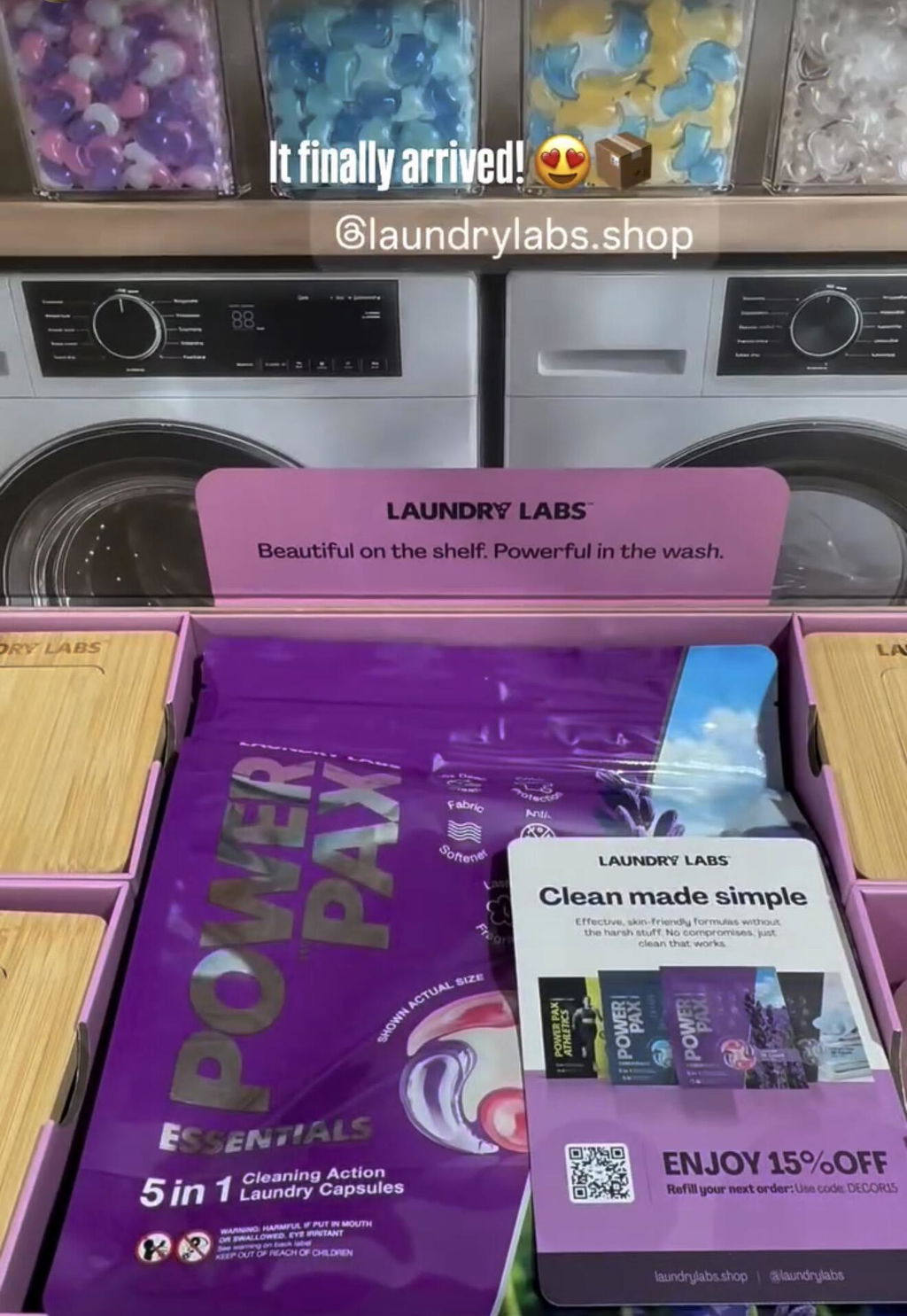
Modern all-in-one laundry capsules that combine cleaning, stain removal, and fabric care simplify this process by ensuring every wash includes stain-fighting components. This approach catches fresh stains before they set while maintaining fabric quality through balanced formulations.
Building a stain-response kit creates readiness for various scenarios:
| Kit Component | Purpose | Storage Tips |
|---|---|---|
| Isopropyl alcohol (70-91%) | Ballpoint ink removal | Dark bottle, cool location |
| White cotton cloths | Blotting and testing | Clean, lint-free, no dyes |
| Enzyme pre-treatment spray | Fresh organic stains | Refrigerate after opening |
| Glycerin or glycol-based cleaner | Gel pen and hybrid inks | Room temperature, sealed |
| pH-neutral liquid detergent | Delicate fabric pre-wash | Standard storage |
Having these materials readily available increases the likelihood of immediate treatment, which dramatically improves removal success rates across all stain types including pen stains.
Effective pen stain removal combines understanding ink chemistry, applying appropriate treatments promptly, and using formulations designed for both performance and safety. Whether you're managing household laundry or commercial textile care operations, systematic approaches and quality products make the difference between salvaged and discarded garments. Laundry Labs offers powerful capsule formulations that combine stain treatment with comprehensive fabric care, delivering professional-grade results while maintaining environmental responsibility. Our integrated approach helps you handle tough stains like pen ink without compromising on sustainability or convenience.