Scented Washing Detergent: Science, Safety & Selection

The debate around scented washing detergent has intensified as consumers balance their desire for fresh-smelling laundry with growing awareness of indoor air quality, allergens, and environmental impact. In 2026, the laundry industry stands at a crossroads where fragrance technology, regulatory oversight, and sustainability concerns intersect. Understanding the science behind scented formulations, their real-world effects, and how to make informed choices has never been more critical for both households and commercial operations. This comprehensive guide examines the chemistry, safety considerations, and practical implications of choosing scented versus unscented options.
The Chemistry Behind Fragrance in Laundry Detergents
Scented washing detergent relies on complex formulations that blend surfactants, enzymes, and fragrance compounds to deliver both cleaning performance and sensory appeal. The fragrance component typically represents 0.1% to 3% of the total formula, yet it profoundly influences consumer perception and product satisfaction.
Modern fragrance systems employ three key delivery mechanisms:
- Direct fragrance oils that dissolve into the wash water and deposit onto fabrics
- Encapsulated fragrances using polymer shells that break during wear or friction
- Pro-fragrance molecules that release scent gradually through chemical reactions with moisture or heat
The industry follows IFRA Standards to ensure fragrance ingredients meet safety thresholds. These globally recognized guidelines establish maximum usage levels for thousands of fragrance materials based on toxicological data and human exposure scenarios.
Fragrance Encapsulation Technology
Advanced capsule technology represents a significant innovation in scented washing detergent formulations. These microscopic polymer shells protect fragrance molecules during the wash cycle and allow controlled release over days or weeks. The capsules typically measure 1-50 micrometers in diameter and can be engineered to respond to specific triggers.
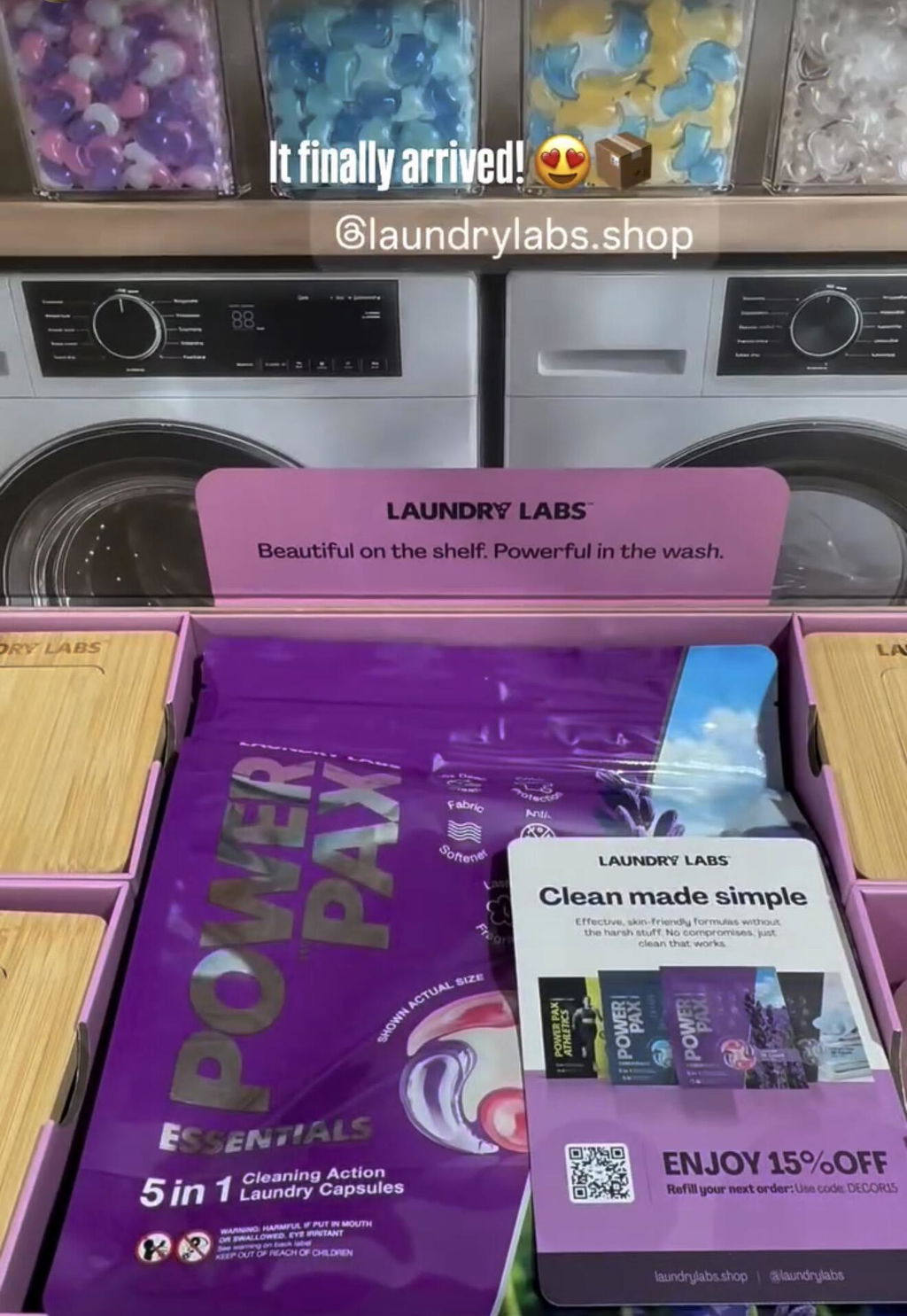
When you examine products like Laundry Labs' 5-in-1 formulations, you'll notice how modern capsule systems integrate fragrance with cleaning agents, fabric softeners, and stain removers in a single dose. This integration reduces packaging waste while maintaining performance standards.
Environmental and Health Considerations
The environmental footprint of scented washing detergent extends beyond the bottle. Fragrance compounds contribute to volatile organic compound (VOC) emissions, which affect indoor air quality and can react with ozone to form secondary pollutants.
Research published in peer-reviewed journals has measured VOC concentrations from various laundry products. A 2022 study analyzing VOC emissions found that both conventional and "green" cleaning products released measurable amounts of volatile compounds, though concentrations and composition varied significantly between formulations.
| Environmental Concern | Scented Impact | Mitigation Strategy |
|---|---|---|
| Indoor VOC levels | Moderate to high depending on formulation | Adequate ventilation, low-VOC formulas |
| Aquatic toxicity | Variable based on ingredients | Biodegradable fragrance compounds |
| Particulate matter formation | Ozone reactions can create fine particles | Minimize reactive terpenes |
| Dermal sensitization | Low with compliant formulations | Hypoallergenic fragrance palettes |
The Regulatory Landscape in 2026
While the EPA does regulate certain aspects of VOCs, household laundry products face less stringent federal oversight than industrial cleaners. This creates a self-regulatory environment where manufacturers must balance consumer demand for fragrance with responsible formulation practices.
Forward-thinking companies now voluntarily restrict certain fragrance materials that, while legal, may pose sensitization risks or environmental concerns. The shift toward transparency has accelerated, with more brands disclosing full fragrance ingredient lists rather than simply listing "fragrance" or "parfum."
Health Impacts and Sensitive Populations
Individual responses to scented washing detergent vary dramatically based on genetic factors, pre-existing conditions, and exposure history. What one person perceives as pleasantly fresh, another may experience as irritating or even migraine-triggering.
Populations requiring special consideration include:
- Individuals with asthma or respiratory conditions who may experience bronchial irritation from volatile fragrance compounds
- People with contact dermatitis who react to fragrance residues remaining on fabrics after washing
- Those with multiple chemical sensitivity (MCS) who report symptoms from low-level fragrance exposure
- Infants and young children whose developing systems may be more vulnerable to chemical exposures
Allergy UK provides comprehensive guidance for households managing fragrance sensitivities, including specific recommendations for selecting laundry products and establishing fragrance-free zones within homes.
Occupational Exposure Considerations
Professional cleaners, laundromat workers, and hospitality staff face higher cumulative exposure to scented washing detergent than typical households. A pilot study on personal VOC exposure among domestic cleaners documented elevated levels of fragrance compounds including d-limonene, highlighting the need for workplace ventilation and product selection protocols.
Commercial operations benefit from concentrated capsule systems that minimize handling and reduce airborne fragrance exposure during dispensing. Pre-measured doses eliminate the dust and aerosol exposure associated with scooping or pouring traditional detergents.
Fragrance Profiles and Consumer Preferences
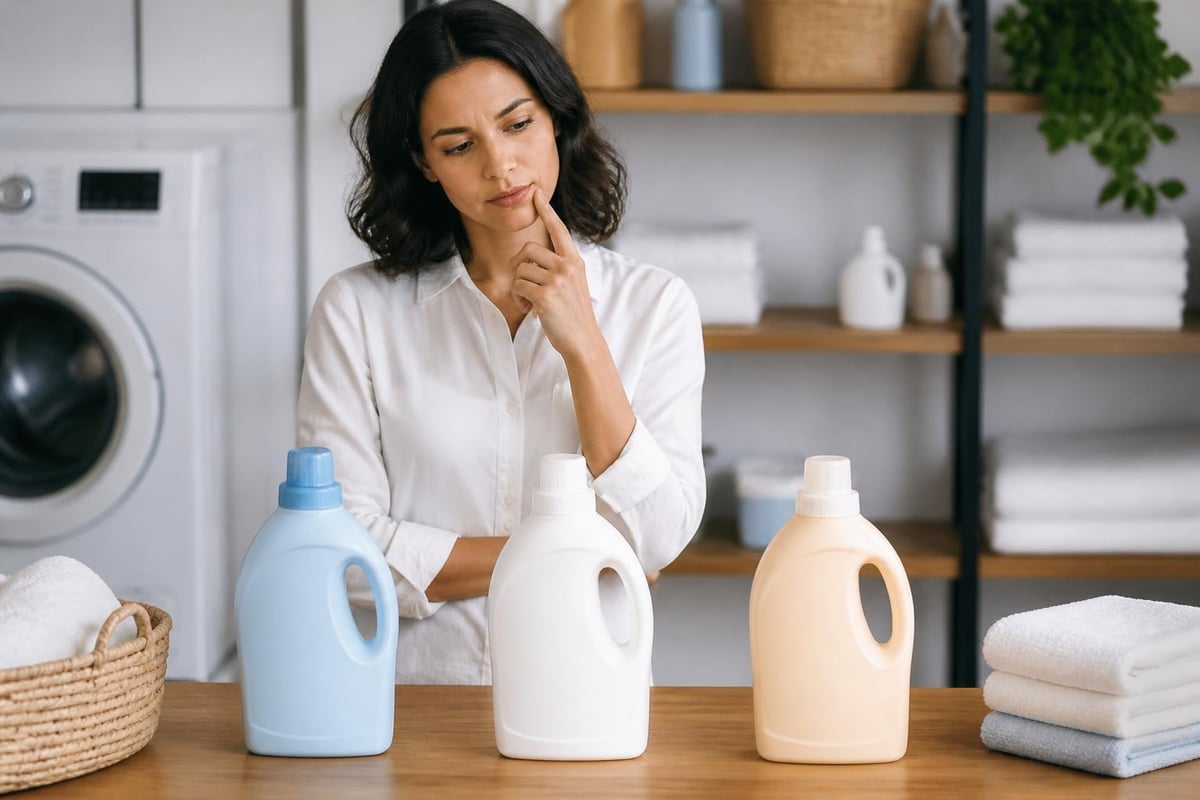
The scented washing detergent market segments into distinct fragrance families, each designed to evoke specific emotional responses and meet different functional needs. Understanding these categories helps consumers align product selection with lifestyle requirements.
Popular Fragrance Categories in 2026
Fresh and Clean: Dominated by aldehydes, marine notes, and crisp citrus. These formulations create an impression of cleanliness and are popular in commercial settings. Products like Linen Fresh exemplify this category with their bright, airy character.
Botanical and Herbal: Featuring lavender, eucalyptus, and other plant-derived aromatics. Lavender-scented options appeal to consumers seeking calming properties and natural associations, though "natural fragrance" doesn't necessarily mean safer or hypoallergenic.
Citrus and Energizing: Built around limonene, orange oils, and grapefruit notes. Athletic formulations often feature these uplifting scents to complement performance fabric care and odor control.
Unscented/Free & Clear: Technically not a fragrance category, but increasingly important. Free & Clear products eliminate fragrance compounds entirely, addressing sensitivities while maintaining cleaning efficacy through optimized surfactant systems.
Performance Metrics Beyond Scent
While fragrance drives initial product selection, scented washing detergent must deliver measurable cleaning performance. Modern formulations integrate multiple functions previously requiring separate products.
The evolution toward multi-functional capsules has transformed product development. When evaluating 5-in-1 systems, consider how fragrance interacts with other active ingredients:
- Stain removal enzymes (proteases, amylases, lipases) must remain stable in the presence of fragrance solvents
- Optical brighteners work independently but contribute to overall freshness perception
- Fabric softening agents can enhance fragrance deposition and longevity
- Odor-eliminating compounds neutralize malodors before fragrance deposits
| Performance Factor | Testing Method | Industry Standard |
|---|---|---|
| Stain removal | ASTM D4265 swatches | ≥80% removal on common stains |
| Fragrance longevity | Sensory panel at 1, 7, 14 days | Detectable at 7+ days |
| Color safety | Fabric colorfastness testing | No transfer or fading |
| Residue levels | UV fluorescence detection | Below visibility threshold |
The Role of Water Chemistry
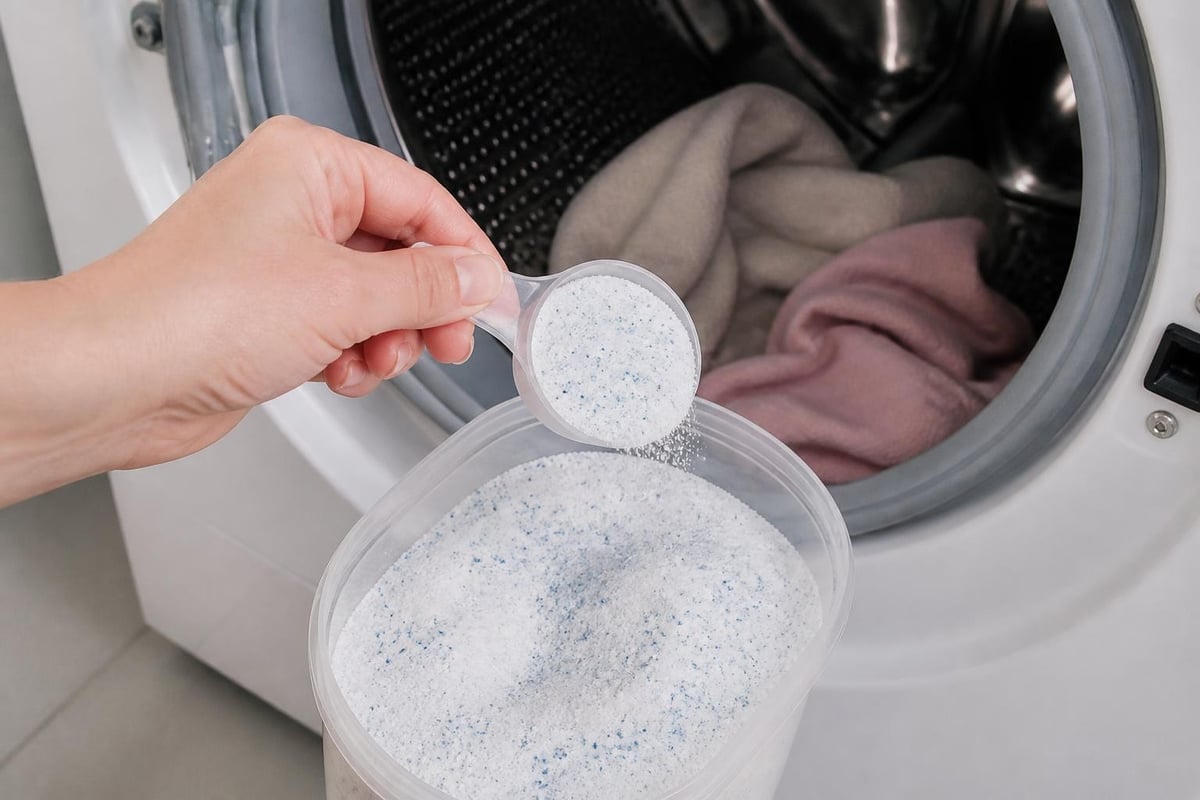
Scented washing detergent performance varies significantly based on water hardness, temperature, and pH. Hard water (>180 ppm calcium/magnesium) can interfere with both cleaning and fragrance deposition, requiring chelating agents or water softeners.
Temperature affects fragrance volatility and perception. Cold-water washing, now standard for energy efficiency, requires fragrance systems engineered for low-temperature solubility and deposition. This explains why some older scented washing detergent formulations performed poorly in cold water while modern systems like PowerPax maintain consistent results across temperature ranges.
Making Informed Product Choices
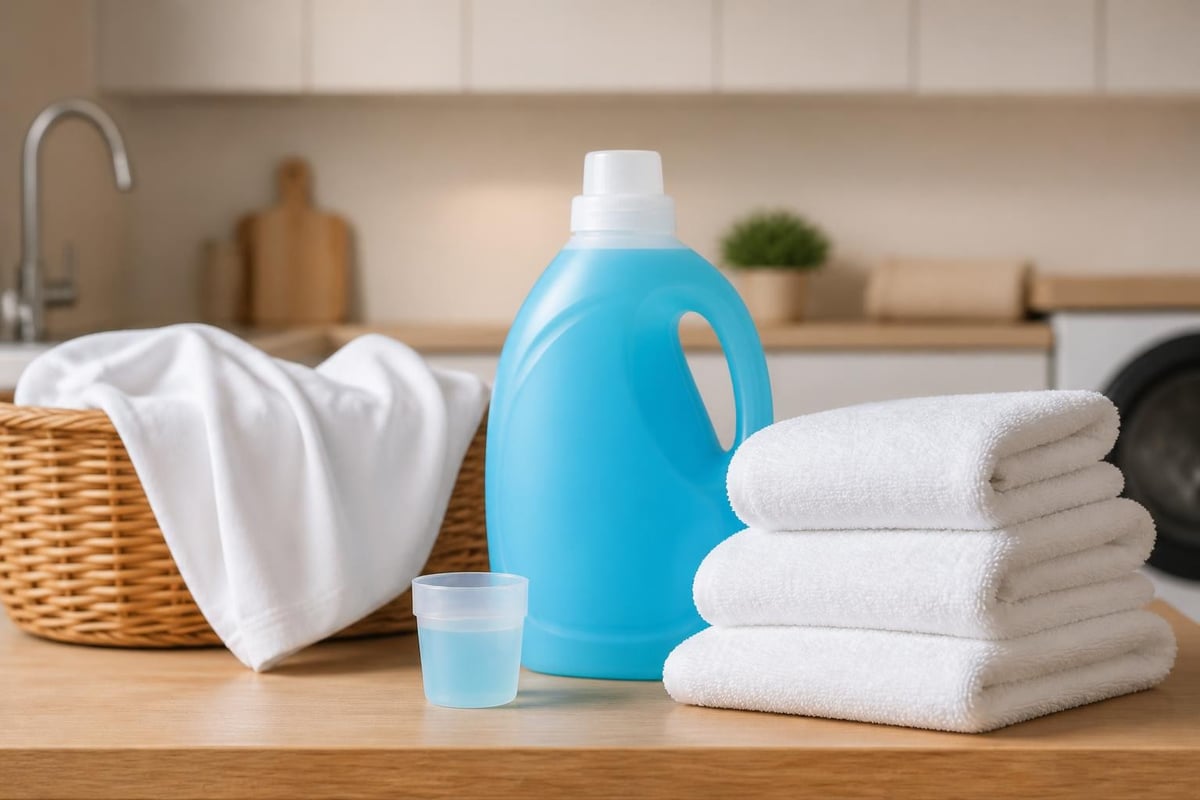
Selecting the right scented washing detergent requires balancing multiple factors: cleaning performance, fragrance preference, environmental values, health considerations, and cost-effectiveness. The smart buying guide for 2026 emphasizes total value rather than simply price per load.
Key evaluation criteria include:
- Ingredient transparency - Does the manufacturer disclose fragrance components or use vague terms?
- Third-party certifications - Look for Leaping Bunny (cruelty-free), EPA Safer Choice, or similar credentials
- Dosing accuracy - Pre-measured capsules prevent overuse and waste compared to liquid or powder
- Concentration level - Ultra-concentrated formulas reduce packaging and shipping emissions
- Fragrance adjustability - Can you choose scent intensity or alternate between scented and unscented?
Understanding Label Claims
Marketing language around scented washing detergent can be misleading. Terms like "natural fragrance," "hypoallergenic," and "dermatologist-tested" lack standardized definitions in the United States. "Hypoallergenic" simply means the manufacturer believes the product is less likely to cause reactions, not that reactions are impossible.
When evaluating eco-friendly options, examine concrete metrics: biodegradability percentages, renewable ingredient content, carbon footprint data, and water pollution indices. Genuine sustainability extends beyond "plant-based fragrance" to encompass the entire product lifecycle.
Special Applications and Fabric Types
Different textiles interact uniquely with scented washing detergent, requiring specialized formulations or modified washing protocols. Performance fabrics, delicates, and technical materials present distinct challenges.
Athletic and Performance Wear
Synthetic athletic fabrics (polyester, nylon, spandex blends) trap odors within their hydrophobic fibers more readily than natural materials. Scented washing detergent designed for athletic performance fabrics must address both odor neutralization and fragrance deposition without compromising moisture-wicking properties.
Traditional fabric softeners can coat synthetic fibers, reducing breathability and moisture management. Modern formulations avoid this by using minimal cationic surfactants and relying instead on enzyme-based odor elimination combined with encapsulated fragrance that doesn't interfere with fabric performance.
Sensitive Skin and Baby Items
Infant clothing and items for those with sensitive skin benefit from scented washing detergent formulated with restricted fragrance palettes. These products exclude common allergens like citral, limonene, and linalool above trace levels while maintaining pleasant (but subtle) scent profiles.
The principle behind gentle clean formulations emphasizes that effective cleaning doesn't require aggressive fragrances. Enzyme systems can deliver superior soil removal while minimal fragrance systems reduce sensitization risk.
The Future of Scented Laundry Technology
Innovation in scented washing detergent continues at a rapid pace, driven by consumer demands for personalization, sustainability, and performance. Several emerging trends will shape the market through the remainder of the decade.
Biotechnology integration now allows manufacturers to produce fragrance compounds through fermentation rather than petroleum chemistry. These bio-identical molecules match natural fragrances at the molecular level while avoiding agricultural land use and pesticide concerns.
Smart fragrance systems respond to environmental conditions, releasing scent only when needed. Temperature-activated, pH-responsive, and even enzymatically triggered fragrance release mechanisms allow scented washing detergent to remain subtle during storage but bloom during wear.
Customization platforms enable consumers to blend fragrance profiles or adjust intensity levels. Some subscription services now offer personalized formulation options where users select base cleaning systems and add preferred fragrance components separately.
Regulatory Evolution and Industry Response
As scientific understanding of fragrance impacts advances, regulatory frameworks will likely tighten. The industry is proactively developing alternatives to potentially problematic ingredients and improving disclosure practices. Companies committed to transparency publish complete ingredient lists and safety data, setting new standards for consumer trust.
The shift toward pods and capsules reflects both convenience and sustainability goals. These formats reduce overdosing, minimize packaging waste per load, and allow precise fragrance delivery without the degradation issues that affect liquid formulations over time.
Commercial and Institutional Considerations
Laundromats, hospitality operations, healthcare facilities, and other commercial users face unique requirements when selecting scented washing detergent. These environments must balance customer satisfaction, operational efficiency, regulatory compliance, and cost management.
Commercial selection criteria differ from residential use:
- Vending compatibility - Products must work with existing dispensing equipment and vending systems
- Fragrance consistency - Batch-to-batch variation disrupts brand perception in hotels and service operations
- Regulatory compliance - Healthcare and food service face restrictions on fragrance types and concentrations
- Allergen management - Multi-unit housing and shared facilities need clear fragrance disclosure
- Supply chain reliability - Commercial operations require consistent product availability
Why laundromats are embracing subscription models highlights how predictable delivery and pricing stabilize operations while ensuring product consistency. Commercial users benefit from bulk options and specialized formulations designed for high-volume applications.
Fragrance Longevity and Performance Testing
Measuring how long scented washing detergent maintains its fragrance on fabrics requires standardized testing protocols. The industry employs trained sensory panels, instrumental analysis (gas chromatography-mass spectrometry), and consumer wear trials to quantify fragrance performance.
Standard testing timeline includes:
- T0 (immediately post-wash) - Peak fragrance intensity measurement
- T1 (24 hours) - Post-drying assessment in controlled environment
- T7 (one week) - Drawer/closet storage evaluation
- T14 (two weeks) - Extended storage with intermittent handling
- Wear testing - Real-world performance during active use
High-performing scented washing detergent maintains detectable fragrance through the T7 checkpoint, with premium formulations extending to T14 or beyond. Capsule technologies excel in longevity testing because encapsulated fragrances release gradually rather than dissipating immediately.
Cost Analysis and Value Optimization
Price comparison for scented washing detergent requires examining cost per load, not just package price. Ultra-concentrated formulas and pre-measured capsules typically deliver better value despite higher upfront costs.
| Format | Average Cost/Load | Fragrance Longevity | Dosing Accuracy | Storage Space |
|---|---|---|---|---|
| Liquid | $0.15-0.40 | Moderate (3-7 days) | Low (user error) | High volume |
| Powder | $0.10-0.30 | Low (2-5 days) | Moderate | Moderate volume |
| Capsules | $0.25-0.55 | High (7-14 days) | Excellent (pre-measured) | Minimal |
| Sheets | $0.30-0.60 | Moderate (5-8 days) | Excellent | Minimal |
When calculating true value, factor in avoided costs: no separate fabric softener, no stain pre-treatment products, reduced water heating from cold-water effectiveness, and minimized product waste from precise dosing. Subscription models often provide 10-20% savings compared to single-purchase pricing.
Choosing the right scented washing detergent in 2026 means understanding the science behind fragrance formulations, recognizing your sensitivity profile, and evaluating products based on total performance rather than scent alone. Whether you prioritize long-lasting freshness, minimal environmental impact, or specialized fabric care, modern formulations offer unprecedented options. Laundry Labs combines commercial-grade cleaning power with sustainable practices and innovative capsule technology that delivers fragrance, stain removal, softening, and odor control in precisely measured doses-helping you achieve exceptional results while supporting environmental responsibility.