School Stains: Complete Guide to Tackling Classroom Messes

School stains represent one of the most persistent challenges families face throughout the academic year. From finger paint mishaps in kindergarten to grass stains on the soccer field, children's clothing endures a remarkable range of substances that test even the most experienced laundry professionals. Understanding the science behind these stains and implementing effective removal strategies can save time, preserve garments, and reduce the environmental impact of excessive washing. For parents, educators, and facility managers, mastering school stain removal requires knowledge of fabric care, stain chemistry, and sustainable laundry practices that protect both textiles and the planet.
Understanding Common School Stains and Their Composition
School environments generate a diverse array of stains, each requiring specific treatment approaches based on their chemical composition. Protein-based stains from cafeteria spills, oil-based marks from art supplies, and tannin stains from outdoor activities all demand different removal techniques.
Protein Stains in Educational Settings
Blood, milk, and food proteins constitute a significant portion of school stains, particularly in younger grades. These substances require enzymatic treatment for effective removal, as research on detergent-compatible proteases demonstrates. Proteases break down protein molecules into smaller, soluble fragments that rinse away during the wash cycle.
Common protein-based school stains include:
- Blood from playground injuries and nosebleeds
- Milk and dairy products from lunch spills
- Food residue from cafeteria meals
- Sweat and body fluids from physical education
- Egg-based substances from science projects
Treatment timing proves critical for protein stains. Cold water prevents proteins from setting into fabric fibers, while hot water can permanently bond these substances to textiles. School nurses and custodial staff should follow OSHA bloodborne pathogen protocols when handling garments contaminated with blood or other potentially infectious materials.
Oil and Grease-Based Classroom Stains
Art supplies, adhesives, and food oils present distinct challenges requiring lipase enzymes or surfactant-based treatments. According to peer-reviewed research on lipase performance, these enzymes effectively target oil and grease molecules that resist water-based cleaning alone.
| Stain Type | Common Sources | Primary Treatment |
|---|---|---|
| Paint | Art class, murals, crafts | Solvent or enzyme blend |
| Adhesive | Glue sticks, rubber cement | Oil-dissolving surfactants |
| Food grease | Cafeteria meals, cooking class | Lipase enzymes |
| Petroleum products | Science labs, shop class | Commercial degreaser |
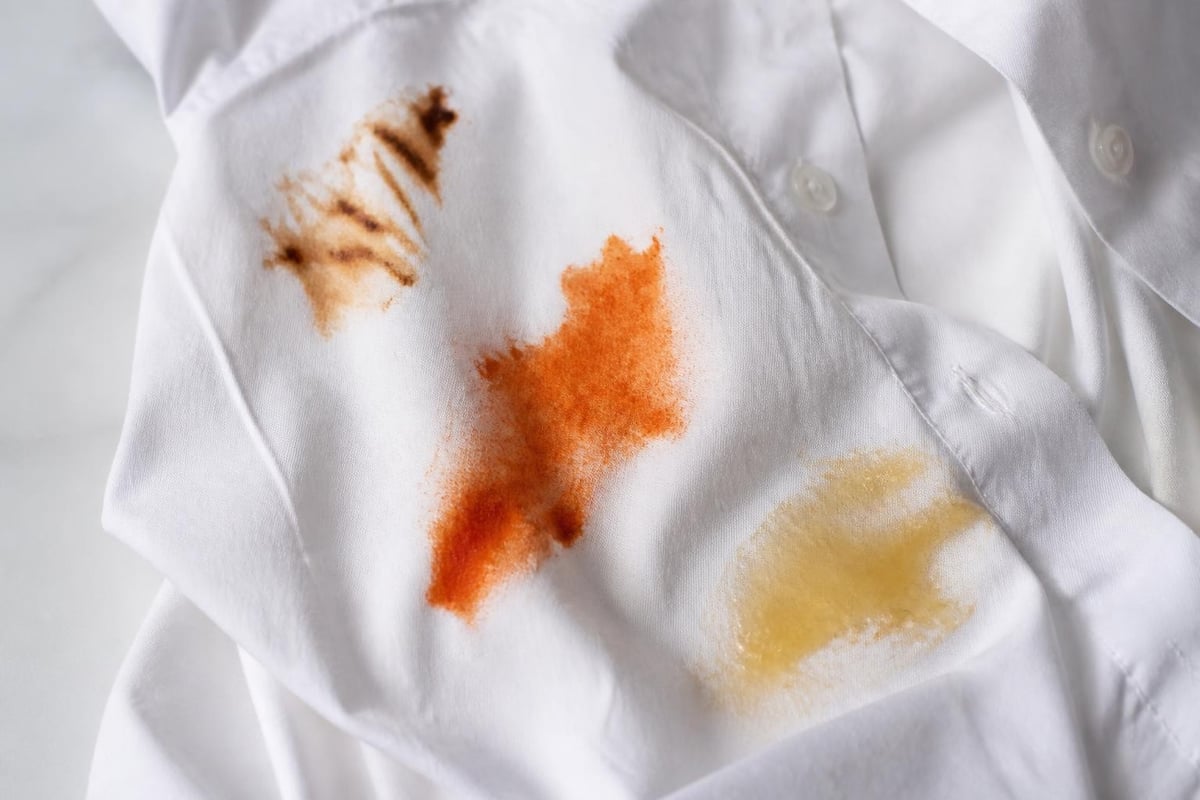
Understanding how laundry detergent works at the molecular level helps facility managers select appropriate products for institutional washing programs. Modern formulations combine multiple enzyme systems to address the complex mixture of school stains encountered daily.
Systematic Approaches to School Stain Removal
Professional stain treatment requires systematic methodology rather than reactive scrubbing. Establishing protocols for different stain categories ensures consistent results while minimizing fabric damage and chemical waste.
Pre-Treatment Strategies for Educational Facilities
Schools processing large volumes of soiled textiles benefit from standardized pre-treatment systems. Sorting items by stain type and fabric composition maximizes treatment effectiveness while protecting delicate materials.
- Initial assessment: Identify stain type, age, and fabric content
- Mechanical removal: Scrape or blot excess material without spreading
- Targeted pre-treatment: Apply appropriate enzyme or solvent solution
- Dwell time: Allow treatment to penetrate fibers (typically 10-15 minutes)
- Evaluation: Check stain response before laundering
- Wash cycle selection: Choose temperature and duration based on fabric and soil level
The EPA's healthy schools guidance emphasizes selecting safer cleaning products that protect both student health and environmental quality. Schools implementing green cleaning programs report improved indoor air quality and reduced chemical exposure risks.
Color-Safe Approaches to Persistent School Stains
Uniforms and colored garments require gentler treatment methods that preserve dye integrity while removing embedded soils. Oxygen-based bleaches and color-safe enzyme formulations provide effective alternatives to chlorine bleach for most school stains.
Color-safe stain removal techniques:
- Enzyme-based pre-soaks for grass and food stains
- Oxygen bleach treatments for organic pigments
- Citrus-based solvents for adhesive residues
- Cold water processing for blood and protein stains
- pH-neutral formulations for delicate synthetic fabrics
Many families discover that eco-friendly detergent options deliver superior stain removal without harsh chemicals that fade colors or damage fabric structure. Plant-based surfactants and bioengineered enzymes work synergistically to tackle school stains while maintaining garment appearance.
Specialized Solutions for Athletic and Outdoor School Stains
Physical education classes, recess activities, and sports programs generate particularly challenging stains combining soil, sweat, and grass pigments. These complex stains require comprehensive treatment addressing multiple components simultaneously.
Grass Stain Chemistry and Removal Science
Grass stains contain chlorophyll (a fat-soluble pigment), tannins, and proteins that bond firmly to fabric fibers. Effective removal demands addressing all three components through sequential or combined treatments.
The chlorophyll molecule's chemical structure makes it resistant to water-based cleaning alone. Alcohol-based pre-treatments dissolve chlorophyll, while enzymes break down protein and tannin components. Professional laundry formulations combine these approaches in single-step applications that simplify treatment protocols.
| Treatment Method | Effectiveness on Grass | Fabric Safety | Environmental Impact |
|---|---|---|---|
| Enzyme blend | Excellent | High | Low |
| Oxygen bleach | Good | Moderate | Low |
| Chlorine bleach | Excellent | Low (color loss) | Moderate |
| Alcohol-based solvent | Very good | High | Moderate |
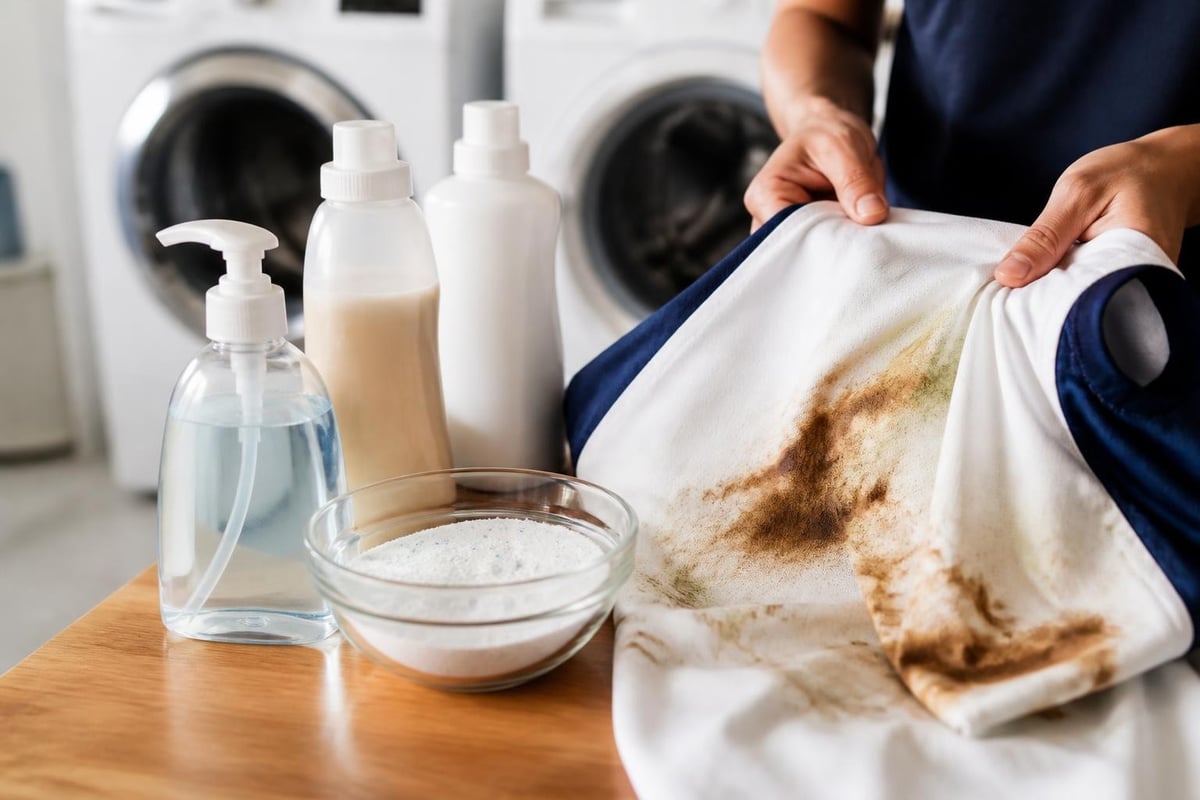
Athletes and active students benefit from specialized athletic laundry solutions designed to remove performance fabric stains while preserving moisture-wicking properties and elastic integrity. These formulations address both visible stains and odor-causing bacteria embedded in synthetic textiles.
Mud, Clay, and Soil Stain Management
Playground and outdoor education activities introduce various soil types that require physical removal before chemical treatment. Clay particles, in particular, can permanently embed in fabric if improperly processed.
Proper soil stain handling sequence:
- Allow mud to dry completely before brushing
- Vacuum or shake loose particles from fabric
- Pre-soak in warm water with surfactant
- Apply enzyme treatment to remaining stain
- Launder with adequate water level and agitation
- Air dry to verify stain removal before heat drying
Rushing to rinse wet mud often drives particles deeper into fabric weave, complicating removal. Patient drying and mechanical removal prove more effective than immediate washing for heavy soil loads.
Art Supply and Creative Project Stain Challenges
Art education enriches student development but generates unique laundry challenges through exposure to paints, markers, glues, and specialty materials. Each medium requires specific removal approaches based on its binder system and pigment type.
Paint Stain Classification and Treatment
Water-based tempera paints respond well to cold water rinsing and enzyme treatment, while acrylic paints require immediate attention before polymer cross-linking occurs. Oil-based paints demand solvent pre-treatment that may not be appropriate for home laundry settings.
Quick reference for paint stain removal:
- Tempera/poster paint: Cold water rinse, enzyme treatment, normal wash
- Acrylic paint: Immediate cold water flush, isopropyl alcohol treatment, enzyme wash
- Watercolor: Cold water soak, oxygen bleach if needed
- Oil paint: Professional dry cleaning recommended
- Fabric paint: Often permanent; prevention through protective clothing essential
Schools implementing comprehensive art programs should establish clear communication protocols with families regarding protective garment policies. Designated "art shirts" or smocks prevent staining of regular clothing while encouraging creative freedom.
Ink, Marker, and Writing Instrument Stains
Modern writing instruments use various ink formulations ranging from water-soluble to permanent, each requiring matched treatment approaches. Permanent markers containing xylene or toluene solvents may resist conventional laundry treatments entirely.
Alcohol-based hand sanitizer effectively dissolves many marker and pen inks when applied immediately after staining. The alcohol breaks down ink resins while sanitizer surfactants help lift pigments from fabric. This readily available treatment works particularly well on non-washable markers that accidentally contact clothing.
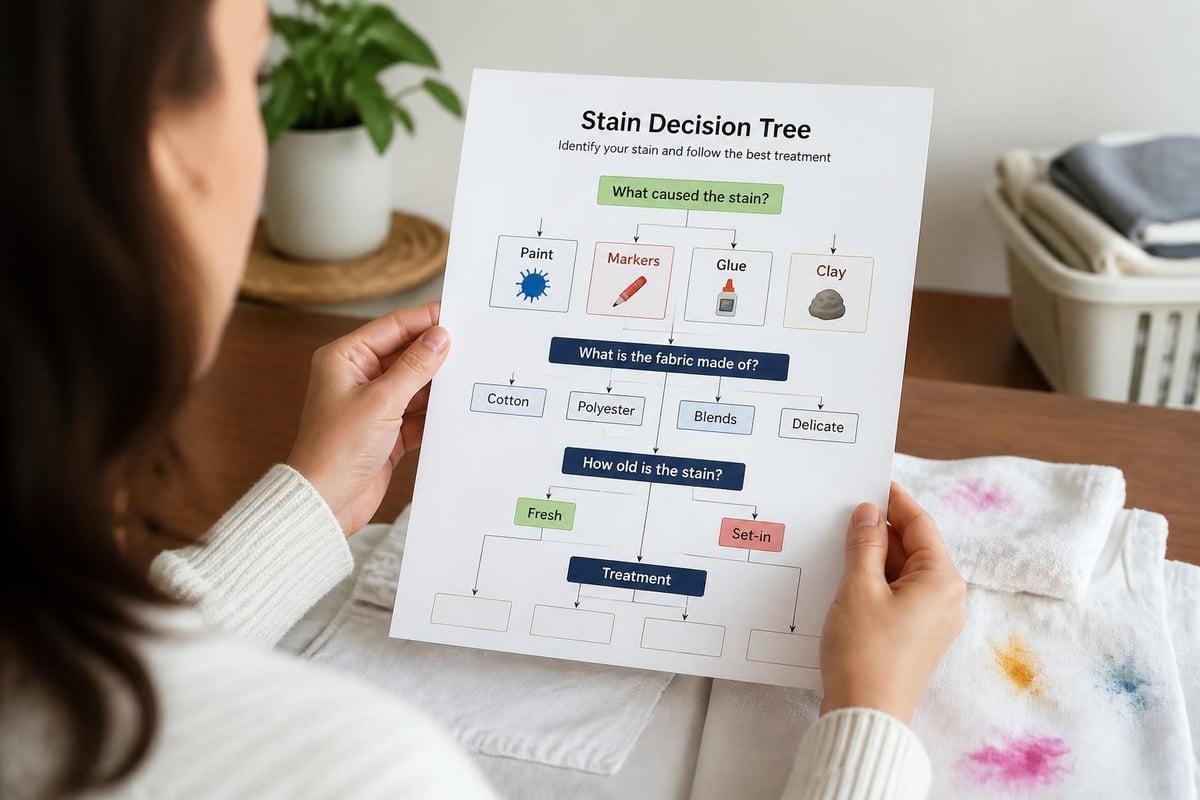
Understanding how advanced formulations remove set-in stains helps parents tackle creative project mishaps that have dried or been heat-set through previous washing attempts. Multi-enzyme systems can sometimes recover garments previously considered ruined.
Cafeteria and Food-Related School Stains
Lunch periods and snack times generate predictable patterns of food stains requiring prompt attention for successful removal. Combination stains containing proteins, oils, and pigments demand comprehensive treatment addressing all components.
Common Cafeteria Stain Scenarios
Tomato-based sauces combine oil, protein, and strong pigments that can permanently discolor light fabrics if allowed to oxidize. The lycopene pigment in tomatoes proves particularly stubborn, often requiring multiple treatment cycles for complete removal.
High-priority cafeteria stains:
- Tomato sauce and ketchup (oil, protein, pigment)
- Chocolate milk (protein, fat, tannins)
- Fruit juice (sugar, acid, natural dyes)
- Salad dressing (oil, vinegar, herbs)
- Mustard (turmeric pigment, oil, vinegar)
Acidic stains like fruit juice require pH-neutral treatments that won't set pigments or damage fabric. Alkaline detergents can permanently bond certain fruit and vegetable dyes to cellulose fibers, particularly in cotton garments.
Grease and Oil from School Lunches
French fries, pizza, and other popular lunch items transfer oils to clothing that resist water-based washing alone. These hydrophobic substances require surfactants or enzymes that emulsify fats into water-soluble particles.
The WHO's school hygiene guidance addresses proper handling of soiled textiles in educational settings, emphasizing infection prevention alongside stain management. Schools processing kitchen staff uniforms and cafeteria linens must balance aesthetic concerns with public health requirements.
Implementing Sustainable School Stain Management Programs
Educational institutions face increasing pressure to adopt environmentally responsible cleaning practices while maintaining hygiene standards. Green cleaning programs balance effectiveness, safety, and sustainability through careful product selection and optimized processes.
Product Selection for School Laundry Programs
The EPA's model school environmental health guidelines provide frameworks for selecting safer cleaning products that minimize student and staff exposure to harsh chemicals. Third-party certifications help procurement teams identify genuinely sustainable options.
| Certification | Focus Area | Relevance to Schools |
|---|---|---|
| EPA Safer Choice | Human & environmental safety | High - reduces exposure risks |
| Green Seal | Environmental performance | High - supports sustainability goals |
| USDA BioPreferred | Renewable ingredients | Moderate - procurement preference |
| Leaping Bunny | Animal testing practices | Low - ethical consideration |
Modern non-toxic laundry detergent formulations deliver commercial-grade performance without ingredients that trigger asthma or skin sensitivities common among school populations. Plant-based surfactants and bioengineered enzymes provide effective alternatives to petroleum-derived chemicals.
Training and Protocol Development
Custodial staff and facility managers require comprehensive training on stain identification, chemical safety, and proper treatment techniques. Standardized protocols reduce variability in outcomes while protecting both textiles and personnel.
Essential training components for school laundry staff:
- Fabric identification and care label interpretation
- Stain classification and chemistry basics
- Chemical safety and PPE requirements
- Equipment operation and maintenance
- Quality control and outcome assessment
- Environmental compliance and waste management
Schools developing internal laundry programs should document procedures in accessible formats that accommodate diverse learning styles and language backgrounds among staff members.
Family Strategies for Managing School Stains at Home
Parents managing daily school stain challenges benefit from streamlined systems that minimize time investment while maximizing results. Strategic product selection and household organization support consistent stain treatment without overwhelming busy schedules.
Building an Effective Home Stain Station
Dedicated stain treatment stations near laundry areas improve response times and treatment consistency. Pre-measured solutions and clearly labeled products enable all family members to participate in stain management.
Essential stain station components:
- Stain identification guide with treatment recommendations
- Pre-treatment spray bottles for common stain types
- Soft brushes for mechanical stain loosening
- Cold water source for immediate protein stain rinsing
- Enzyme-based treatments for organic stains
- Oxygen bleach for color-safe whitening
Families seeking simplified solutions often transition to all-in-one capsule formulations that combine detergent, enzymes, stain fighters, softener, and odor control in single-dose formats. These products eliminate measurement errors while ensuring appropriate treatment levels for typical school stains.
Communication with Schools About Stain Prevention
Proactive dialogue with teachers and administrators can reduce stain incidents through policy adjustments and protective measures. Many schools willingly accommodate requests for art smocks, protective aprons, or advance notice about messy activities.
Parents should maintain perspective on the inevitability of school stains as evidence of active learning and social engagement. Clothing serves children's developmental needs, and reasonable wear represents normal use rather than failure of care.
Professional Versus Home Treatment Decisions
Certain school stains exceed the capacity of home laundry equipment or chemical inventories, requiring professional dry cleaning or specialty stain removal services. Understanding these limitations prevents fabric damage from aggressive home treatment attempts.
When to Seek Professional Assistance
Delicate fabrics, formal wear, and expensive garments warrant professional evaluation before home treatment. Dry cleaners possess specialized solvents, equipment, and expertise for challenging stains that resist conventional laundry approaches.
Situations requiring professional stain removal:
- Dry-clean-only garments with any significant staining
- Silk, wool, or other protein-based fabrics with set-in stains
- Leather or suede items with liquid stains
- Vintage or heirloom textiles requiring preservation
- Unknown stain types on valuable garments
- Previous home treatment failures on important items
Professional services often prove more cost-effective than replacing garments damaged through inappropriate home treatment. The specialized knowledge and equipment justify service fees for items with significant monetary or sentimental value.
Cost-Benefit Analysis of Stain Treatment Intensity
Time investment in aggressive stain treatment should align with garment value and expected remaining service life. Children's play clothes nearing end-of-life may not warrant extensive intervention for difficult stains.
Families benefit from establishing clear guidelines about which items receive intensive treatment versus acceptance of imperfect results. This practical approach reduces frustration while focusing resources on garments worth preserving.
Technology and Innovation in School Stain Management
Advances in enzyme technology, surfactant chemistry, and delivery systems continue improving stain removal effectiveness while reducing environmental impact. Understanding these innovations helps consumers select products aligned with performance expectations and values.
Enzyme System Developments
Modern detergent formulations incorporate multiple enzyme types working synergistically across various stain categories. Proteases, lipases, amylases, and cellulases each target specific molecular structures, providing comprehensive soil removal in single wash cycles.
Enzyme stability improvements allow room-temperature storage and effectiveness across broader pH and temperature ranges. These technical advances translate to more convenient products that perform reliably under diverse washing conditions encountered in home and institutional settings.
Encapsulation and Controlled Release Technologies
Capsule-based delivery systems protect active ingredients during storage while ensuring optimal release timing during wash cycles. This technology allows incompatible ingredients to coexist in single-dose formats, expanding formulation possibilities beyond traditional liquid or powder constraints.
Families appreciate the convenience and precision of pod-based systems that eliminate measuring and reduce waste from overdosing. Pre-measured formats also improve safety by reducing direct handling of concentrated chemicals.
Building Resilient Approaches to School Stains
Successfully managing school stains throughout the academic year requires balanced expectations, appropriate product selection, and systematic approaches that minimize stress while maximizing results. Viewing stains as inevitable byproducts of childhood development rather than failures reduces anxiety and supports healthy risk-taking in learning environments.
Establishing Realistic Expectations
Not all stains yield to treatment, and some level of wear represents normal textile lifespan. Parents benefit from distinguishing between garments requiring pristine appearance versus everyday items where minor imperfections prove acceptable.
Framework for stain treatment decisions:
- High priority: Uniforms, formal wear, new items, visible areas
- Moderate priority: School clothes in good condition, favorite items
- Low priority: Play clothes, end-of-life garments, minimal visibility
This tiered approach focuses energy on situations where treatment investment yields meaningful returns while accepting imperfection where it matters less.
Teaching Children Stain Prevention and Self-Care
Age-appropriate involvement in stain treatment builds life skills while reducing parental burden. Elementary students can learn immediate response techniques like cold water rinsing for spills, while older children can manage complete treatment protocols independently.
Empowering children with knowledge about fabric care and stain chemistry supports development of executive function skills and personal responsibility. These lessons extend beyond laundry to broader understanding of cause-effect relationships and problem-solving strategies.
Managing school stains effectively requires understanding stain chemistry, selecting appropriate treatments, and implementing systematic approaches that balance results with time investment. Throughout the academic year, families and educational institutions face persistent laundry challenges that demand both scientific knowledge and practical solutions. Laundry Labs offers commercial-grade, eco-friendly capsule formulations combining detergent, enzymes, stain fighters, softener, and odor control in convenient single-dose formats designed to tackle the toughest school stains while protecting fabrics and the environment. Discover how advanced laundry science can simplify your routine and deliver superior results on everything from grass-stained athletic wear to paint-splattered art clothes.