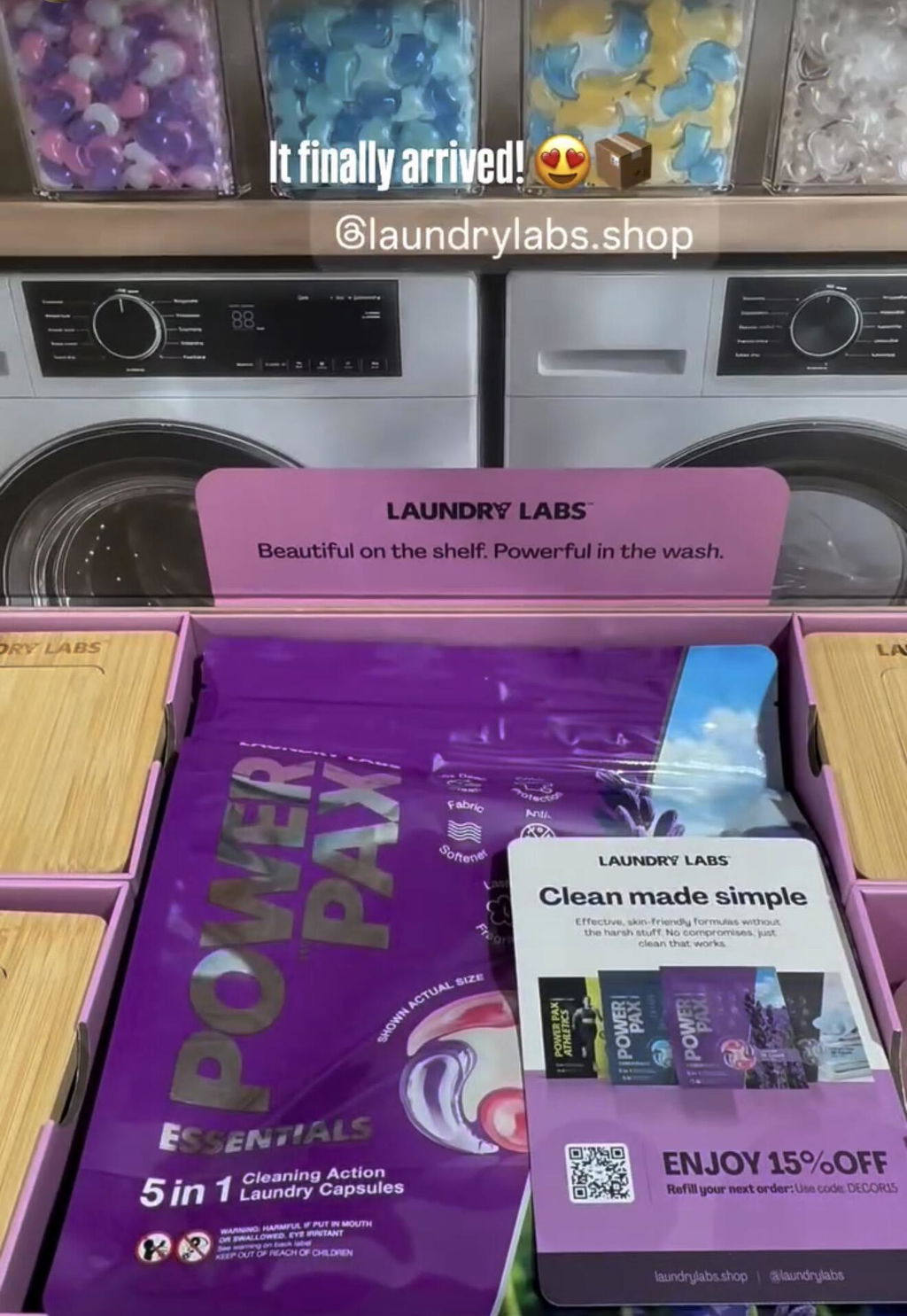
Detergent Pods Where to Put: Complete Placement Guide 2026

Understanding detergent pods where to put them has become essential knowledge for anyone seeking efficient, mess-free laundry results. These compact, pre-measured capsules have transformed how millions of households and commercial facilities approach laundry, yet placement errors remain one of the most common causes of poor cleaning performance, residue buildup, and wasted product. Whether you're managing a commercial laundry operation or simply trying to achieve better results at home, knowing the proper placement technique for your specific machine type ensures optimal dissolution, cleaning power, and fabric care.
Why Detergent Pod Placement Matters for Cleaning Performance
The location where you place your detergent pod directly impacts how effectively it dissolves and distributes throughout your laundry load. Unlike traditional liquid or powder detergents that flow through dispenser systems, pods rely on water contact and mechanical agitation to break down their protective film and release their concentrated cleaning agents.
Improper placement leads to several common problems:
- Incomplete dissolution leaving sticky residue on clothes
- Uneven detergent distribution across the load
- Reduced cleaning effectiveness on stains and odors
- Potential damage to the pod's outer coating before activation
- Clogged dispensers in machines not designed for pods
When considering detergent pods where to put them for maximum efficiency, the fundamental principle remains consistent: the pod must make immediate contact with water at the cycle's start, allowing sufficient time and agitation for complete dissolution before clothes absorb all available moisture.
The Science Behind Pod Dissolution
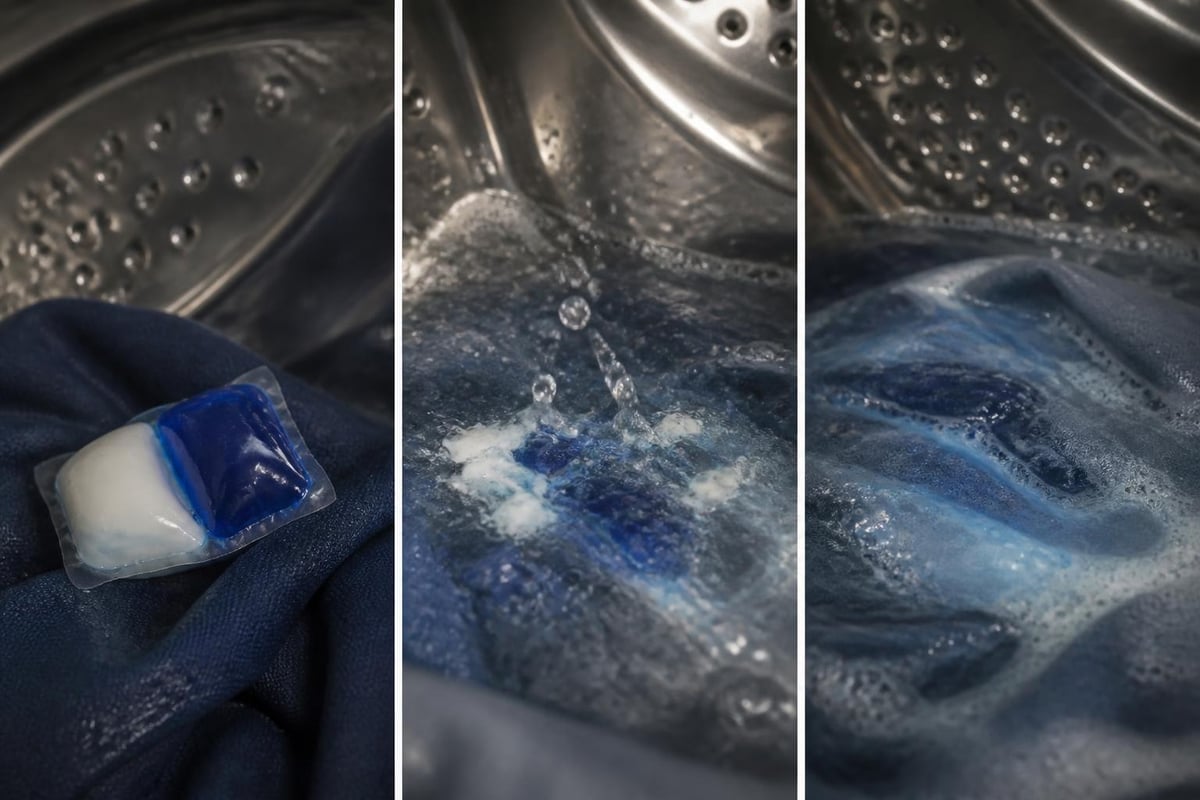
Modern detergent pods use polyvinyl alcohol (PVA) film technology that dissolves in water, typically within 30 to 90 seconds under proper conditions. According to information from the American Cleaning Institute's guidance on PVA and detergent pods, this biodegradable material requires specific conditions to activate properly.
The dissolution rate depends on three critical factors:
- Water temperature (warm to hot water dissolves pods faster than cold)
- Water volume (sufficient water must contact the pod immediately)
- Mechanical action (drum rotation helps break down the film)
This scientific understanding explains why placement timing and location matter significantly more than many users realize.
Front-Loading Washing Machines: Optimal Pod Placement
Front-load washers require a specific approach when determining detergent pods where to put them. These machines use less water and tumbling action rather than agitation, making proper placement critical for success.
The Drum-First Method
Always place the pod at the back of the empty drum before adding clothes. This ensures the pod sits at the lowest point where water first enters during the cycle.
Follow this precise sequence:
- Open the washer door and ensure the drum is completely empty
- Place the pod at the very back of the drum
- Load your laundry on top of the pod
- Close the door and select your cycle
- Start the machine immediately
This method ensures water hits the pod first, beginning the dissolution process before fabric can trap or shield it from water contact. Consumer Reports' laundry detergent buying guide confirms this drum-first approach delivers the most consistent results across various front-loader brands.
Dispenser Drawer Considerations
Do not place pods in automatic detergent dispensers unless your machine specifically states pod compatibility in its manual. Most front-load dispensers cannot accommodate pods for several reasons:
- The dispenser compartment may not receive sufficient water flow
- Pods can become stuck in the narrow dispenser channels
- The delayed release timing prevents proper dissolution
- Residue buildup occurs in dispenser mechanisms
Some 2026 front-loader models feature dedicated pod compartments with enhanced water jets. Check your Samsung washing machine support documentation or manufacturer guidelines before attempting dispenser placement.
Top-Loading Washing Machines: Standard and HE Models
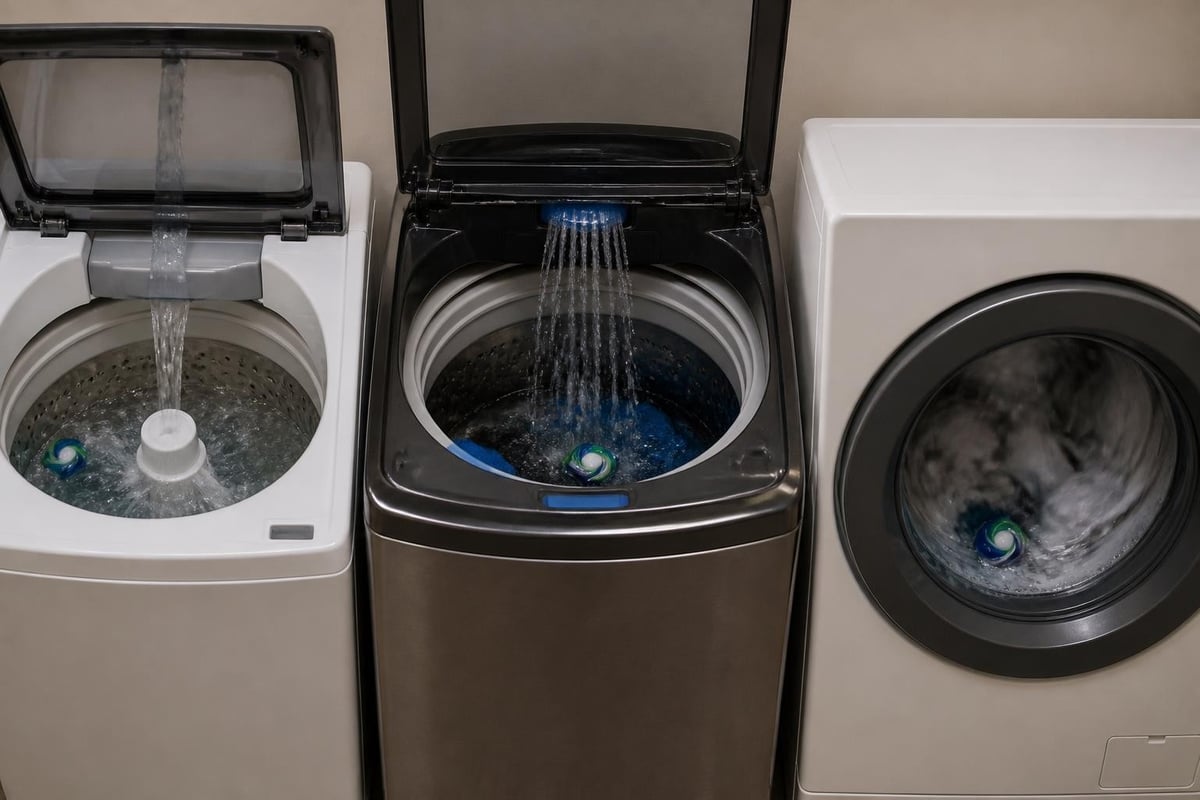
Top-load machines present different considerations when evaluating detergent pods where to put them, with distinct approaches for traditional agitator models versus high-efficiency (HE) designs.
Traditional Top-Loaders With Agitators
For conventional top-loading machines with central agitators, placement is straightforward:
Add the pod to the empty drum before clothes, allowing it to settle at the bottom near the agitator. The vigorous agitation and immediate water fill in these machines ensure rapid pod dissolution.
| Machine Type | Pod Placement | Water Fill Timing | Dissolution Time |
|---|---|---|---|
| Traditional Top-Load | Bottom of drum, before clothes | Immediate | 30-60 seconds |
| HE Top-Load | Bottom of drum, before clothes | Gradual/delayed | 60-90 seconds |
| Front-Load | Back of drum, before clothes | Gradual/spray | 60-120 seconds |
High-Efficiency Top-Loaders
HE top-loaders without agitators use less water and require more attention to proper pod placement. These machines rely on tumbling action and precisely timed water sprays rather than full tub immersion.
Place the pod at the bottom center of the drum before adding any clothing items. The reduced water volume in HE washers makes this placement even more critical than in traditional models. Starting the cycle with the pod in position ensures it receives water spray during the initial tumble phase.
For commercial operations using HE equipment, consistent pod placement training for staff prevents waste and ensures uniform cleaning results across multiple loads.
Special Considerations for Different Load Sizes and Types
Understanding detergent pods where to put them becomes more nuanced when handling varying load sizes, fabric types, and specialized washing needs.
Small and Delicate Loads
For small loads or delicate items requiring gentle cycles:
- Use a half-dose pod or smaller-capacity pod if available
- Place the pod in direct contact with the drum floor, not among delicate fabrics
- Consider placing delicates in mesh bags to prevent direct pod contact during initial dissolution
- Ensure water temperature meets minimum dissolution requirements (check pod packaging)
Many users make the mistake of placing pods among lightweight delicate items, where the pod can stick to fabric before dissolving. This creates residue issues and reduces cleaning effectiveness.
Large or Heavily Soiled Loads
Commercial laundry operations and households dealing with athletic wear, work uniforms, or heavily soiled items may require adjusted pod usage:
For oversized loads exceeding 75% drum capacity:
- Use two pods placed at opposite sides of the drum bottom
- Ensure both pods contact the drum surface directly
- Avoid overloading, which restricts water circulation
- Select a longer wash cycle for thorough dissolution and cleaning
The athletics-focused solutions from Laundry Labs combine multiple cleaning functions in single capsules, designed specifically for heavy-soil scenarios where proper placement maximizes efficiency.
Common Placement Mistakes and How to Avoid Them
Even experienced laundry professionals make errors when determining detergent pods where to put them. Recognizing these mistakes prevents frustration and waste.
Mistake #1: Adding Pods to Dispenser Drawers
Why it fails: Most dispenser systems deliver water at insufficient volume and pressure to dissolve pods completely. The pod often becomes lodged, creates clogs, or releases partially dissolved detergent too late in the cycle.
Solution: Always place pods directly in the drum unless your specific machine model explicitly supports dispenser pod placement in its manual.
Mistake #2: Placing Pods on Top of Clothes
Why it fails: When pods sit on top of laundry, they may not receive adequate water contact during initial fill. Fabric absorbs water before the pod dissolves, leaving you with sticky residue and insufficient cleaning power.
Solution: Form the habit of placing pods in the drum first, before any clothing items. Make this your standard operating procedure for consistent results.
Mistake #3: Using Pods in Extremely Cold Water
Why it fails: While modern pods are designed to work in cold water, extremely cold temperatures (below 60°F) can significantly slow dissolution rates, especially in quick-wash cycles.
Solution: If using cold water settings, ensure your cycle provides adequate time for dissolution, or switch to warm water for optimal performance. The powder detergent versus capsules comparison examines performance trade-offs across temperature ranges.
Mistake #4: Storing Opened Pod Packages Improperly
While not strictly about placement, improper storage affects pod integrity before use:
- Moisture exposure causes pods to stick together or pre-dissolve
- Damaged outer films leak concentrated detergent
- Compromised pods won't dissolve properly regardless of placement
Store pods in their original container with the lid tightly sealed, in a cool, dry location away from humidity sources.
Safety Considerations When Handling Detergent Pods
When discussing detergent pods where to put them, safety protocols extend beyond machine placement to storage, handling, and emergency preparedness, particularly in households with children or commercial environments with varied staff experience levels.
Child Safety and Poison Prevention
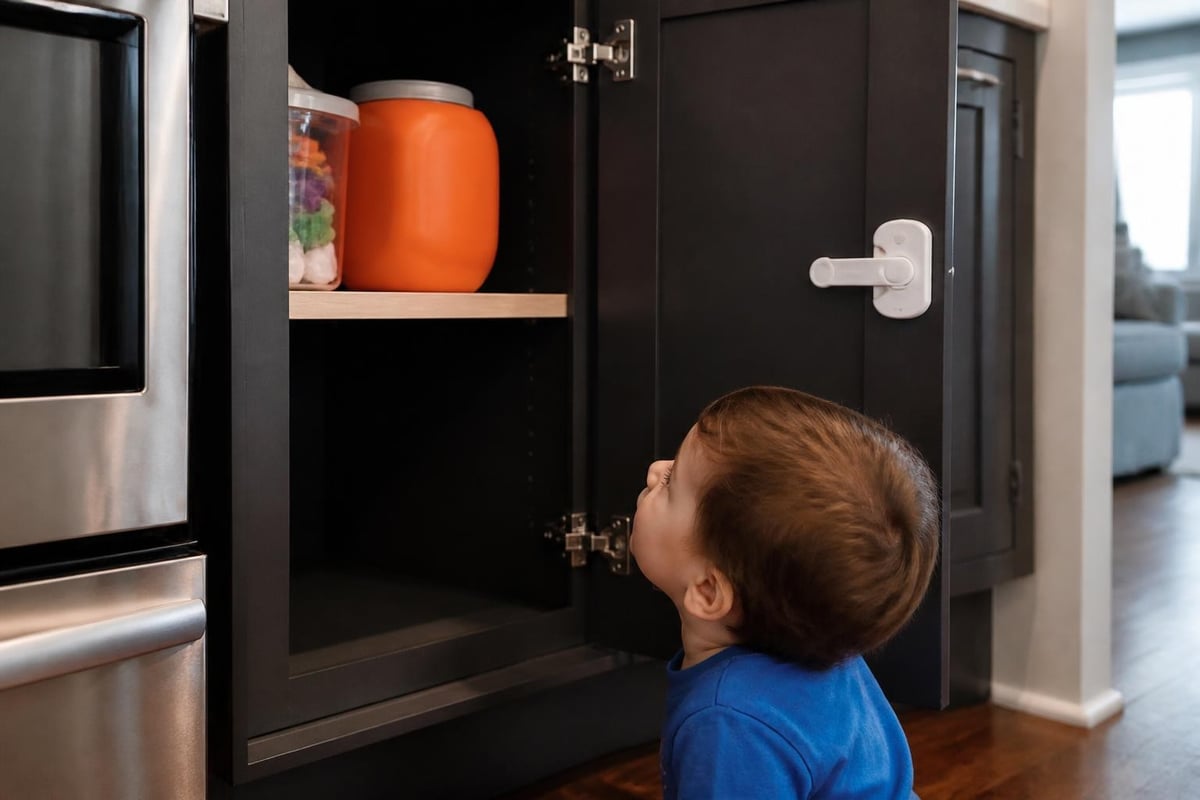
Detergent pods pose significant risks to young children due to their colorful appearance and candy-like size. According to Poison Control data on laundry detergent pods, thousands of exposures occur annually, with children under five representing the majority of cases.
Essential safety measures:
- Store pods in their original container with child-resistant closures
- Keep pods on high shelves or in locked cabinets
- Never transfer pods to alternative containers like jars or bins
- Supervise laundry processes when children are present
- Teach older children that pods are dangerous chemicals, not toys
The HealthyChildren.org laundry room safety guidance from the American Academy of Pediatrics provides comprehensive recommendations for creating child-safe laundry environments.
Handling Best Practices
Always handle pods with dry hands. Wet or damp hands can begin dissolving the pod's outer film before placement, creating a sticky mess and potential skin irritation.
- Do not puncture, cut, or unwrap pods
- If a pod bursts or leaks, avoid skin contact with concentrated contents
- Keep pods away from eyes and mouth
- If exposure occurs, follow America's Poison Centers guidance and contact poison control immediately
For commercial operations, the Laundry Labs safety tips page offers protocols tailored to high-volume laundry environments where multiple staff members handle products daily.
Optimizing Results: Pod Selection and Machine Settings
Beyond understanding detergent pods where to put them, achieving superior cleaning outcomes requires matching pod formulations to machine capabilities and laundry needs.
Choosing the Right Pod Formula
Not all detergent pods deliver identical performance. Formula variations address different cleaning challenges:
| Pod Type | Best For | Key Features | Placement Notes |
|---|---|---|---|
| Standard All-Purpose | Everyday laundry, mixed fabrics | Balanced cleaning, moderate enzyme activity | Standard drum placement |
| Heavy-Duty/Athletics | Sports gear, work uniforms, heavily soiled items | Enhanced enzymes, higher surfactant concentration | May require warm water for optimal dissolution |
| Sensitive/Free & Clear | Babies, sensitive skin, allergy concerns | No fragrances or dyes, hypoallergenic formulation | Works well in cold water with proper placement |
| Specialty (Pet, Stain-Fighter) | Specific soil types or odor challenges | Targeted enzymes, odor neutralizers | Follow warm water recommendations for enzyme activation |
The 5-in-1 commercial laundry capsules from Laundry Labs exemplify multi-functional pod design, combining detergent, fabric softener, stain treatment, odor control, and brightening in one capsule specifically engineered for proper dissolution across various machine types.
Machine Setting Optimization
Water temperature selection impacts both pod dissolution and cleaning effectiveness:
- Hot water (130°F+): Fastest dissolution, best for heavily soiled loads, whites, and sanitizing
- Warm water (90-110°F): Balanced approach, excellent dissolution, suitable for most loads
- Cold water (60-80°F): Slower dissolution, requires adequate cycle time, energy-efficient
When using cold water settings with pods, select normal or heavy-duty cycles rather than quick-wash options. The extended wash time compensates for slower dissolution rates, ensuring the pod fully activates before the rinse cycle begins.
Cycle Selection Strategy
Different wash cycles affect how well pods perform after proper placement:
Normal/Regular Cycle: Standard 12-15 minute wash phase provides ample time for pod dissolution and cleaning action. This represents the baseline for detergent pod performance.
Quick Wash: Abbreviated cycles (5-8 minutes) may not provide sufficient time for complete pod dissolution, especially in cold water. Consider liquid or powder alternatives for truly quick loads, or ensure pods contact water immediately when using these settings.
Heavy Duty/Extended: Longer wash phases (18-25 minutes) allow enzymes and surfactants maximum time to work on soils. Ideal for sports uniforms, work clothing, and heavily soiled items when paired with appropriate high-performance pods.
Delicate/Hand Wash: Reduced agitation and shorter cycles require careful pod selection. Consider using partial pods or switching to liquid detergents for extremely delicate items.
Environmental Considerations and Sustainable Practices
Modern consumers increasingly evaluate detergent pods where to put them within broader sustainability contexts, examining not just placement but environmental impact throughout the product lifecycle.
PVA Film Biodegradation
The water-soluble film encasing detergent pods consists of polyvinyl alcohol (PVA), a synthetic polymer that biodegrades under specific wastewater treatment conditions. The American Cleaning Institute's PVA fact sheet clarifies that PVA breaks down in modern sewage treatment facilities through microbial action.
Key environmental factors:
- PVA degradation rates vary based on wastewater treatment infrastructure
- Complete mineralization requires adequate microbial populations and retention time
- Some studies suggest PVA persistence in natural water systems lacking treatment
- Ongoing research examines long-term environmental accumulation potential
For environmentally conscious operations, ecological laundry practices extend beyond pod selection to water conservation, temperature optimization, and responsible disposal of packaging materials.
Dose Optimization and Waste Reduction
Proper pod placement contributes to sustainability by ensuring complete product utilization without waste:
- Correct drum placement prevents residue that requires additional rinse cycles
- Optimal dissolution eliminates the need to rewash inadequately cleaned items
- Accurate load-size matching (one pod for regular loads, two for extra-large) prevents overuse
- Commercial operations benefit from B2B volume programs that reduce per-load packaging waste
Single-dose packaging inherently reduces overconsumption compared to liquid detergents, where users frequently pour excessive amounts. However, this advantage only materializes with proper pod placement that ensures full product dissolution and effectiveness.
Commercial and Multi-User Laundry Environments
Facilities managing laundromats, apartment complex laundry rooms, hotels, or athletic facilities face unique challenges when educating diverse users about detergent pods where to put them.
Standardizing Procedures Across Users
Create visual placement guides:
- Laminated instruction cards mounted near each machine
- Clear diagrams showing proper pod placement for that specific machine type
- Multi-language instructions for diverse user populations
- Step-by-step photos illustrating the drum-first sequence
Commercial operations benefit from standardized products and procedures. When all machines use the same pod placement method, training becomes simpler and results more consistent.
Machine Compatibility Audits
Before implementing pod-based systems in commercial settings:
- Test each machine model with sample pods to verify dissolution performance
- Document optimal placement methods for each machine type in your facility
- Identify any machines incompatible with pods (usually older models with unusual water delivery systems)
- Consider machine upgrades if current equipment consistently fails to dissolve pods properly
The commercial laundry solutions from Laundry Labs are specifically formulated for reliability across various commercial machine types, with enhanced dissolution characteristics that accommodate different water delivery systems.
Staff Training Protocols
For facilities where staff handle laundry operations:
Develop comprehensive training modules covering:
- Proper pod storage to maintain product integrity
- Safe handling procedures with dry hands only
- Exact placement locations for each machine type in your facility
- Load size assessment and appropriate pod quantity selection
- Troubleshooting procedures when residue or incomplete dissolution occurs
Document these procedures in operations manuals and conduct refresher training quarterly to maintain consistency as staff changes occur.
Troubleshooting Pod Performance Issues
Even with correct understanding of detergent pods where to put them, occasional performance problems arise. Systematic troubleshooting identifies and resolves these issues.
Issue: Pod Residue on Clothes
Possible causes:
- Pod placed on top of clothes rather than in drum first
- Overloaded machine restricting water circulation
- Insufficiently long wash cycle for water temperature
- Pod film damaged before use, causing incomplete dissolution
Solutions:
- Verify you're placing pods at drum bottom before clothes
- Reduce load size to 75% of drum capacity maximum
- Extend wash cycle or increase water temperature
- Inspect pod packaging for moisture damage; replace if compromised
Issue: Clothes Not Getting Clean
Possible causes:
- Pod not dissolving due to trapped placement
- Water temperature too cold for formula type
- Insufficient mechanical action in wash cycle
- Wrong pod formula for soil level
Solutions:
- Double-check pod placement follows drum-first method
- Switch to warm water setting for better dissolution and enzyme activity
- Use regular or heavy-duty cycle instead of quick wash
- Upgrade to heavy-duty or specialty pods for challenging soils
Issue: Detergent Smell Without Cleaning Power
Possible causes:
- Pod dissolved too late in cycle after water absorbed into fabrics
- Fragrance released but enzymes didn't activate properly
- Incorrect pod quantity for load size
Solutions:
- Ensure pod contacts water immediately by proper drum placement
- Use warmer water to activate enzyme systems effectively
- Match pod quantity to actual load size (one pod for regular, two for extra-large)
Advanced Tips for Maximum Cleaning Efficiency
Once you've mastered detergent pods where to put them, these advanced strategies optimize performance further.
Water Hardness Adaptation
Hard water (high mineral content) can interfere with detergent effectiveness:
- Use pods formulated with water softening agents
- Consider adding a separate water softener to your wash
- Increase water temperature to improve mineral suspension
- Use two pods for large loads in very hard water areas
Test your water hardness with inexpensive test strips available at hardware stores. Results above 120 ppm indicate hard water requiring adaptation.
Pre-Treatment Integration
For stubborn stains, combine proper pod placement with pre-treatment:
- Pre-treat stains with stain remover 5-10 minutes before washing
- Place pod in drum bottom
- Add pre-treated items to drum
- Run normal cycle with warm or hot water
This integrated approach leverages both targeted stain removal and comprehensive pod-based cleaning. The free and clear washing detergent solutions work particularly well for sensitive skin when combined with gentle, fragrance-free pre-treaters.
Seasonal Adjustment Strategies
Laundry needs change seasonally, affecting optimal pod usage:
Summer (lighter soils, more frequent washing):
- Standard pods with regular cycle length
- Cold water acceptable for lightly soiled items
- Focus on odor control formulas for athletic wear
Winter (heavier fabrics, longer wear between washes):
- Heavy-duty pods for accumulated soils
- Warm or hot water for bulky items like sweaters and bedding
- Extended cycles for thorough cleaning of thick materials
Mastering detergent pods where to put them transforms these convenient cleaning solutions from occasional frustration into reliable, efficient laundry performance. By placing pods in the drum before clothes, selecting appropriate formulas for your specific needs, and matching machine settings to pod chemistry, you achieve consistently superior results while maximizing safety and sustainability.
Whether you're managing a commercial facility, running a busy household, or seeking to optimize your laundry routine, Laundry Labs provides commercial-grade, eco-friendly capsule solutions engineered for reliable dissolution across all machine types. Our innovative 5-in-1 formulations combine detergent, softener, stain treatment, odor control, and brightening in one properly placed pod, delivering professional cleaning results with every load.