Environmentally Safe Laundry Detergent Guide 2026

The laundry industry stands at a critical crossroads in 2026, where the demand for clean clothes meets growing environmental awareness. Traditional detergents have long relied on harsh chemicals, phosphates, and synthetic fragrances that compromise aquatic ecosystems and indoor air quality. Environmentally safe laundry detergent represents a fundamental shift toward formulations that prioritize both cleaning performance and ecological responsibility, offering consumers and commercial operators a path to reduce their environmental footprint without sacrificing results.
Understanding What Makes Detergent Environmentally Safe
Environmentally safe laundry detergent follows strict criteria that extend far beyond marketing claims. These products eliminate or minimize ingredients known to harm aquatic life, human health, and ecosystem stability.
Core Ingredient Standards
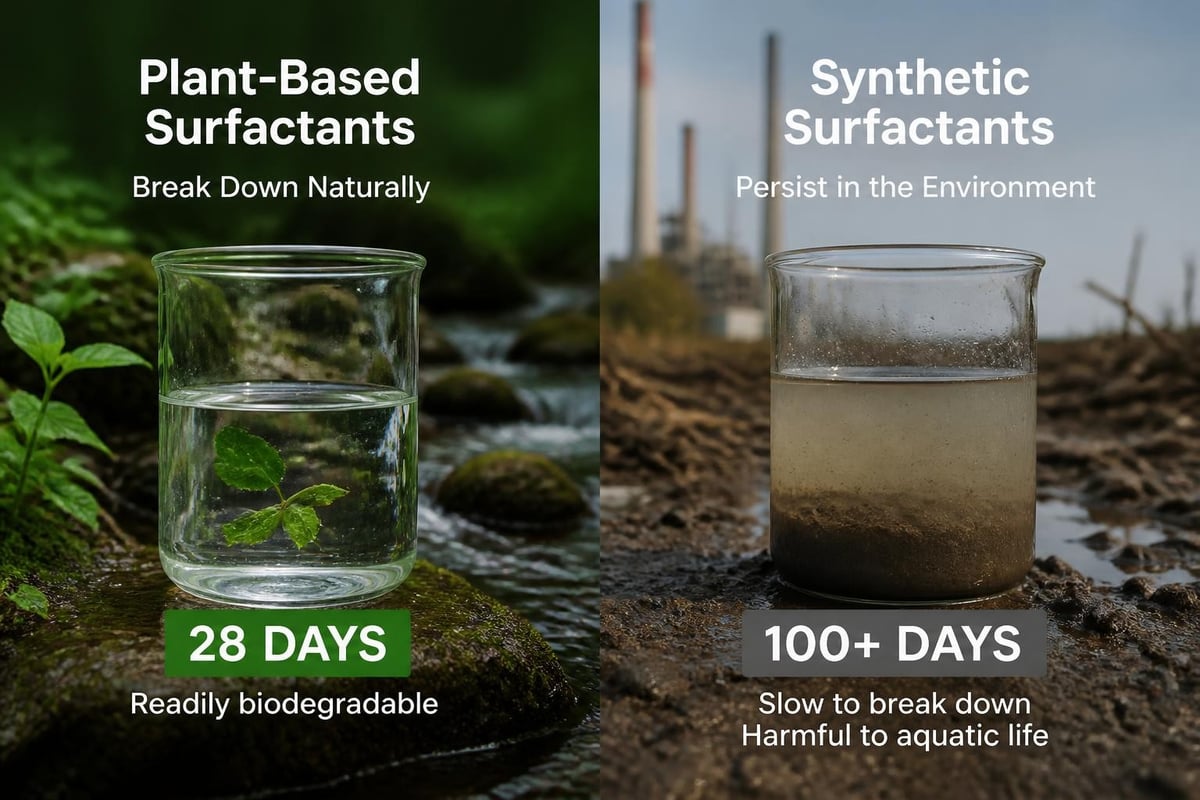
The foundation of eco-friendly detergent lies in plant-based surfactants derived from coconut, corn, or palm oil (when sustainably sourced). These biodegradable cleaning agents break down rapidly in wastewater treatment systems, unlike petroleum-based alternatives that persist in waterways for years.
Key characteristics include:
- Phosphate-free formulations that prevent algae blooms and oxygen depletion in lakes and rivers
- Biodegradable surfactants that decompose within days rather than months
- No optical brighteners (chemicals that make fabrics appear whiter but accumulate in aquatic environments)
- Minimal synthetic fragrances or essential-oil-based alternatives
- Absence of 1,4-dioxane, a carcinogenic byproduct found in many conventional detergents
According to Consumer Reports' eco-friendly detergent guide, independent testing reveals that many "green" products still contain harmful contaminants, making third-party certification essential for verification.
Certification Programs That Matter
The EPA's Safer Choice Standard establishes rigorous requirements for product safety and environmental impact. Products bearing this label undergo comprehensive evaluation of every ingredient, ensuring they meet strict criteria for human and ecological health.
Other reputable certifications include:
- USDA Certified Biobased Product (minimum percentage of renewable biological ingredients)
- Leaping Bunny (cruelty-free verification)
- EU Ecolabel (European environmental standards)
- Green Seal (lifecycle-based certification)
The Environmental Impact of Conventional Detergents
Traditional laundry products release approximately 2.8 million tons of synthetic chemicals into wastewater systems annually across North America. These substances create cascading environmental problems that extend well beyond the washing machine.
Water Pollution Pathways
When conventional detergents enter municipal water systems, treatment plants struggle to remove certain compounds completely. Surfactants, preservatives, and synthetic fragrances pass through filters and reach rivers, lakes, and coastal waters.
| Contaminant Type | Persistence in Water | Primary Ecosystem Impact |
|---|---|---|
| Phosphates | Weeks to months | Algae overgrowth, oxygen depletion |
| Synthetic surfactants | 3-6 months | Toxicity to fish and amphibians |
| Optical brighteners | Up to 1 year | Bioaccumulation in aquatic organisms |
| Synthetic fragrances | Variable (days to years) | Endocrine disruption in wildlife |
The International Journal of Life Cycle Assessment demonstrates that consumer behavior (water temperature, load size, frequency) significantly influences the total environmental footprint of laundering, but ingredient selection remains the single most controllable factor for reducing chemical pollution.
Microfiber and Chemical Interactions
Recent research in the Microfibre Pollution Report reveals that detergent chemistry affects microfiber release from synthetic textiles. Harsh chemicals can accelerate fabric degradation, increasing the number of plastic particles entering oceans with each wash cycle. Environmentally safe laundry detergent formulated with gentler surfactants may reduce this mechanical stress on fabrics.
Commercial Applications and Performance Standards
Business operators face unique challenges when transitioning to environmentally safe laundry detergent. High-volume facilities require products that deliver consistent results across diverse fabric types, soil levels, and water conditions.
Performance Metrics That Matter
Commercial-grade eco-friendly detergents must meet stringent performance benchmarks:
- Soil removal efficiency across protein, oil, and particulate stains
- Color retention over hundreds of wash cycles
- Fabric longevity without premature wear or breakdown
- Hard water performance in regions with high mineral content
- Cold-water effectiveness for energy conservation
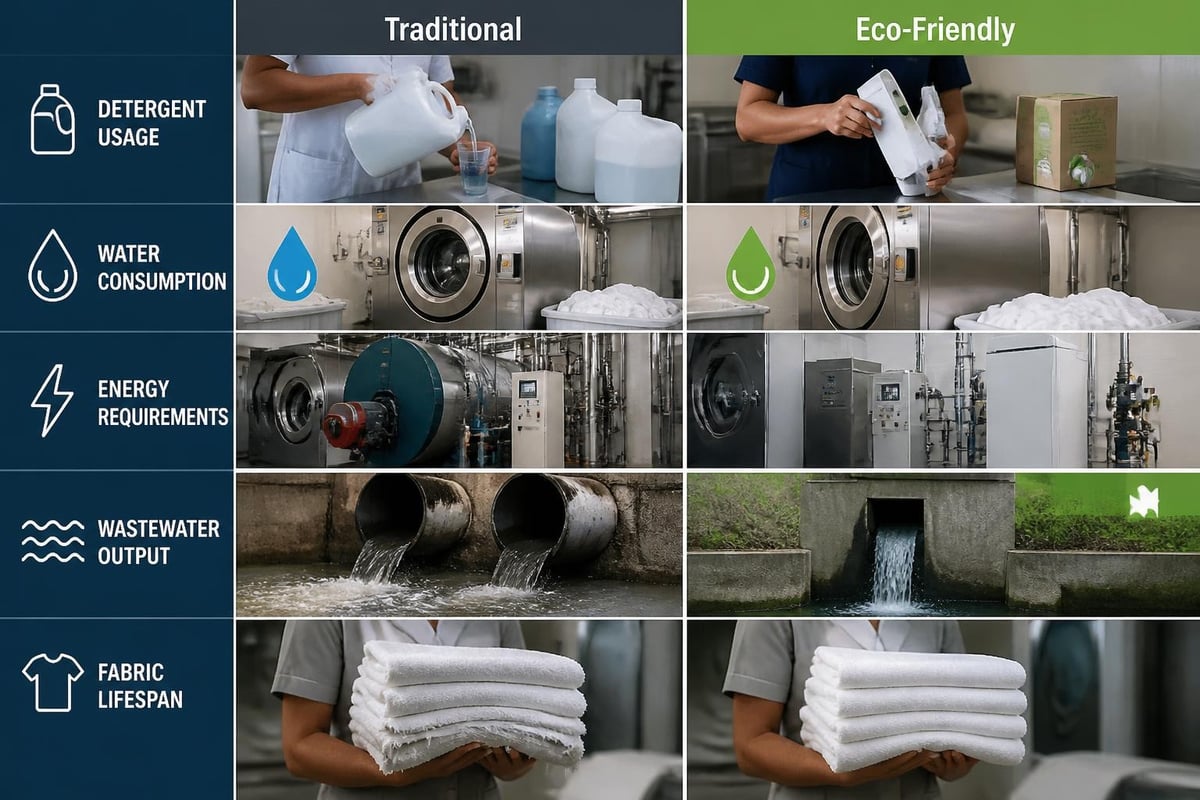
The Laundry Labs approach to ecological laundry demonstrates that concentrated capsule formulations can deliver commercial-grade cleaning while reducing packaging waste and transportation emissions by up to 60% compared to liquid alternatives.
Industry-Specific Requirements
Different commercial sectors demand tailored solutions:
Healthcare and Hospitality: Require EPA-approved sanitizing formulas that kill bacteria and viruses while remaining safe for sensitive skin. Free and clear washing detergent options eliminate dyes and fragrances that trigger allergic reactions in patients and guests.
Athletic Facilities: Need specialized formulations that address sweat, body oils, and synthetic performance fabrics. Products must neutralize odors without masking them with heavy fragrances, a challenge that environmentally safe laundry detergent solves through enzyme-based odor elimination.
Linen Services: Process massive volumes daily, requiring concentrated formulas that maintain efficacy across varied water temperatures and fabric blends while minimizing environmental discharge.
Formulation Innovations in 2026
The science behind environmentally safe laundry detergent has advanced dramatically, with new technologies addressing previous performance gaps.
Enzyme Engineering
Modern eco-friendly formulations incorporate multiple enzyme types that target specific soil categories:
- Proteases break down protein-based stains (blood, grass, food)
- Amylases digest starches and carbohydrates
- Lipases tackle oil and grease
- Cellulases remove particulate soil and restore fabric appearance
These biological catalysts work effectively at lower temperatures, reducing energy consumption while maintaining cleaning power comparable to chemical-heavy alternatives.
Plant-Based Surfactant Technology
Second-generation surfactants derived from sugar beets, corn, and coconut demonstrate superior biodegradability profiles. They completely decompose within 28 days in standard wastewater treatment conditions, compared to 90+ days for petroleum-based equivalents.
| Surfactant Source | Biodegradation Time | Aquatic Toxicity Level | Cleaning Efficiency |
|---|---|---|---|
| Petroleum-based | 90-180 days | Moderate to high | Excellent |
| First-gen plant-based | 45-60 days | Low to moderate | Good |
| Second-gen plant-based | 14-28 days | Very low | Excellent |
| Hybrid bio-synthetic | 30-45 days | Low | Very good |
Concentrated Capsule Systems
Single-dose capsules eliminate overdosing, a common problem with liquid and powder detergents that wastes product and increases chemical discharge. Pre-measured formulations ensure optimal cleaning with minimal environmental impact, while water-soluble films made from polyvinyl alcohol (PVA) biodegrade in wastewater treatment facilities.
The European Union's developing biodegradability criteria for detergent polymer films will likely establish stricter standards for PVA dissolution rates and complete mineralization, driving further innovation in capsule technology.
Selecting the Right Product for Your Needs
Choosing environmentally safe laundry detergent requires evaluating multiple factors beyond the "eco-friendly" label.
Reading Labels Effectively
Look for transparency in ingredient disclosure. Products that list every component (not just active ingredients) demonstrate commitment to accountability. The EPA Safer Choice product search provides a verified database of products meeting federal safety and environmental standards.
Warning signs to avoid:
- Vague terms like "natural" or "green" without certification
- Ingredient lists dominated by unpronounceable chemicals
- Products containing triclosan, phthalates, or nonylphenol ethoxylates
- Excessive fragrance (often indicates synthetic compounds)
- Phosphate content above 0.5%
Matching Products to Water Conditions
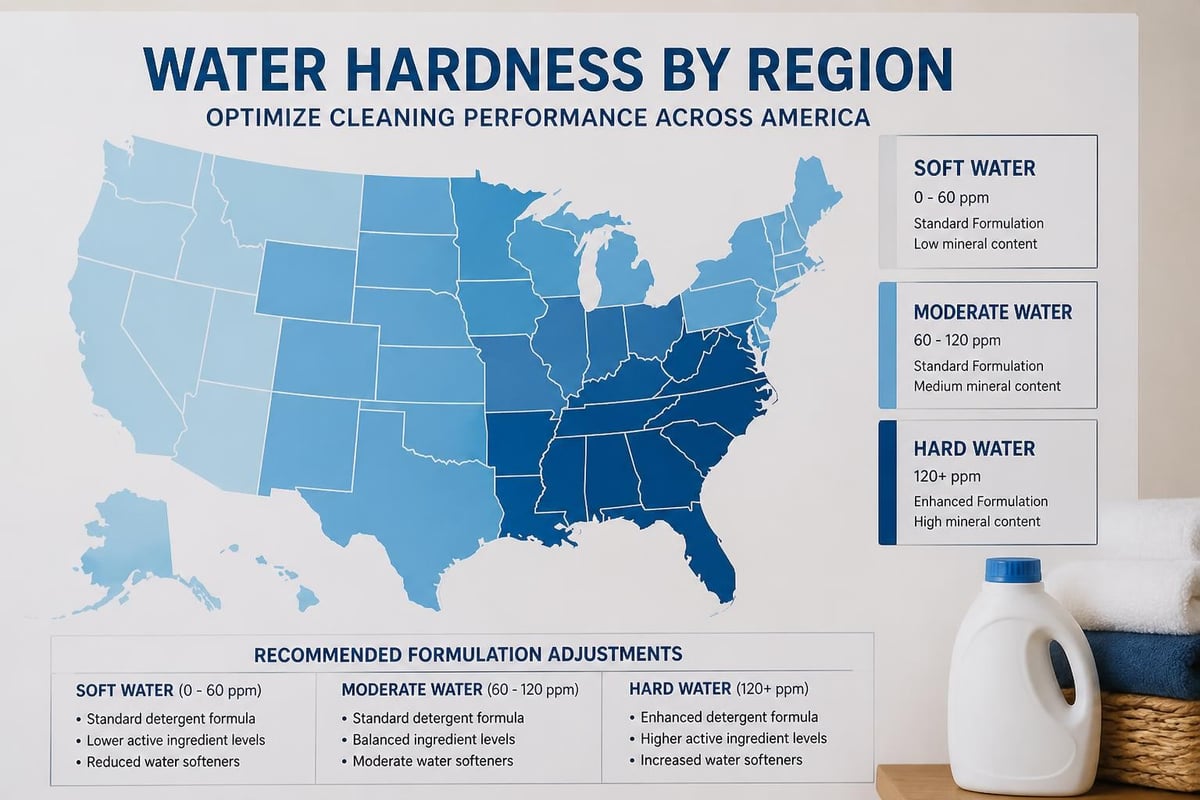
Hard water regions (above 180 ppm calcium carbonate) require detergents with built-in water softeners or chelating agents. Plant-based citrates and gluconates effectively bind minerals without the environmental problems associated with synthetic alternatives.
Cost-Effectiveness Analysis
While environmentally safe laundry detergent often carries higher upfront costs, total cost of ownership tells a different story:
- Concentrated formulations require less product per load (30-50% reduction)
- Reduced rewashing from superior stain removal saves water and energy
- Extended fabric life decreases replacement costs for linens and uniforms
- Lower wastewater treatment fees in municipalities with chemical discharge surcharges
- Enhanced brand reputation attracts environmentally conscious customers
Commercial operators can calculate potential savings using tools like the Laundry Labs savings calculator, which factors in product concentration, washing frequency, and energy costs.
Implementation Strategies for Commercial Settings
Transitioning to environmentally safe laundry detergent in high-volume operations requires systematic planning and staff education.
Phased Rollout Approach
Start with a pilot program in one department or facility:
- Week 1-2: Establish baseline measurements (cleaning quality, costs, employee feedback)
- Week 3-6: Introduce eco-friendly products alongside conventional options
- Week 7-10: Compare performance metrics, adjust dosing and procedures
- Week 11-12: Evaluate results and refine implementation plan
This approach identifies operational challenges before organization-wide deployment and builds staff confidence in new products.
Training and Documentation
Employees need clear guidance on:
- Proper dosing for different load sizes and soil levels
- Water temperature optimization for eco-friendly formulas
- Stain pre-treatment techniques that complement plant-based chemistry
- Storage requirements for concentrated products
- Troubleshooting common issues (residue, incomplete dissolution, poor results)
Performance Monitoring
Track key indicators monthly:
- Cost per load (product, water, energy)
- Customer satisfaction scores
- Rewash rates
- Fabric replacement frequency
- Employee health complaints (skin irritation, respiratory issues)
Regulatory Landscape and Future Trends
Government regulations increasingly favor environmentally safe laundry detergent through mandates, incentives, and procurement preferences.
Current Regulations
Several states have banned phosphates in consumer laundry products, while commercial formulations face growing restrictions. California's Safer Consumer Products program requires manufacturers to identify and analyze product ingredients for potential harm, driving reformulation toward safer alternatives.
Federal procurement guidelines give preference to EPA Safer Choice certified products in government facilities, creating market momentum that influences private sector purchasing.
Emerging Standards
Anticipated developments for 2027-2028 include:
- Mandatory ingredient disclosure requirements for all cleaning products
- Stricter limits on volatile organic compounds (VOCs) in fragranced detergents
- Microplastic reduction targets affecting synthetic polymer use
- Carbon footprint labeling for laundry products
- Extended producer responsibility programs requiring manufacturers to manage post-consumer packaging
Health Benefits Beyond Environmental Protection
Environmentally safe laundry detergent delivers significant health advantages for building occupants and laundry workers.
Reduced Chemical Exposure
Traditional detergents leave residues on fabrics that transfer to skin throughout the day. These chemical films can trigger:
- Contact dermatitis and eczema flare-ups
- Respiratory irritation from fabric-bound fragrances
- Headaches and nausea in sensitive individuals
- Hormonal disruption from endocrine-disrupting compounds
Plant-based formulations rinse more completely from fabrics, minimizing this continuous low-level exposure.
Indoor Air Quality Improvements
Synthetic fragrances in conventional detergents contain dozens of volatile chemicals that outgas from laundered items for days. Facilities that switch to fragrance-free or naturally scented options report:
- 30-40% reduction in air freshener use (fabrics smell genuinely clean)
- Fewer employee complaints of headaches and respiratory symptoms
- Improved outcomes for individuals with asthma and chemical sensitivities
Occupational Safety
Laundry workers handling concentrated products face chemical exposure risks. Environmentally safe laundry detergent typically has:
- Lower skin and eye irritation potential
- Reduced respiratory hazards
- Safer spillage cleanup (biodegradable, non-toxic)
- Minimal protective equipment requirements beyond basic gloves
Advanced Features in Modern Formulations
Today's eco-friendly products incorporate sophisticated technologies that enhance both performance and sustainability.
Multi-Function Integration
Instead of separate products for washing, softening, stain treatment, and odor control, advanced capsules combine all functions in optimized ratios. This consolidation:
- Reduces packaging waste by 75% compared to buying separate products
- Simplifies inventory management and storage requirements
- Eliminates compatibility concerns between different product chemistries
- Decreases total chemical load in wastewater
Laundry Labs pioneered commercial-grade capsules that integrate five functions, demonstrating that environmental responsibility and operational efficiency complement rather than conflict with each other.
Cold Water Optimization
Energy consumption for heating water represents 75-90% of a typical wash cycle's environmental impact. Modern environmentally safe laundry detergent formulations work effectively in cold water through:
- Cold-activated enzymes that maintain activity at 60°F
- Enhanced surfactant systems with superior low-temperature solubility
- Anti-redeposition agents that prevent soil from settling back onto fabrics
- Specialty polymers that boost cleaning in the absence of heat
Packaging Innovation
Progressive manufacturers have moved beyond reducing plastic content to reimagining delivery systems:
- Concentrated refill stations that eliminate single-use containers
- Compostable outer packaging made from mushroom mycelium or seaweed
- Water-soluble inner films that dissolve completely during washing
- Minimal graphics using soy-based inks on recycled materials
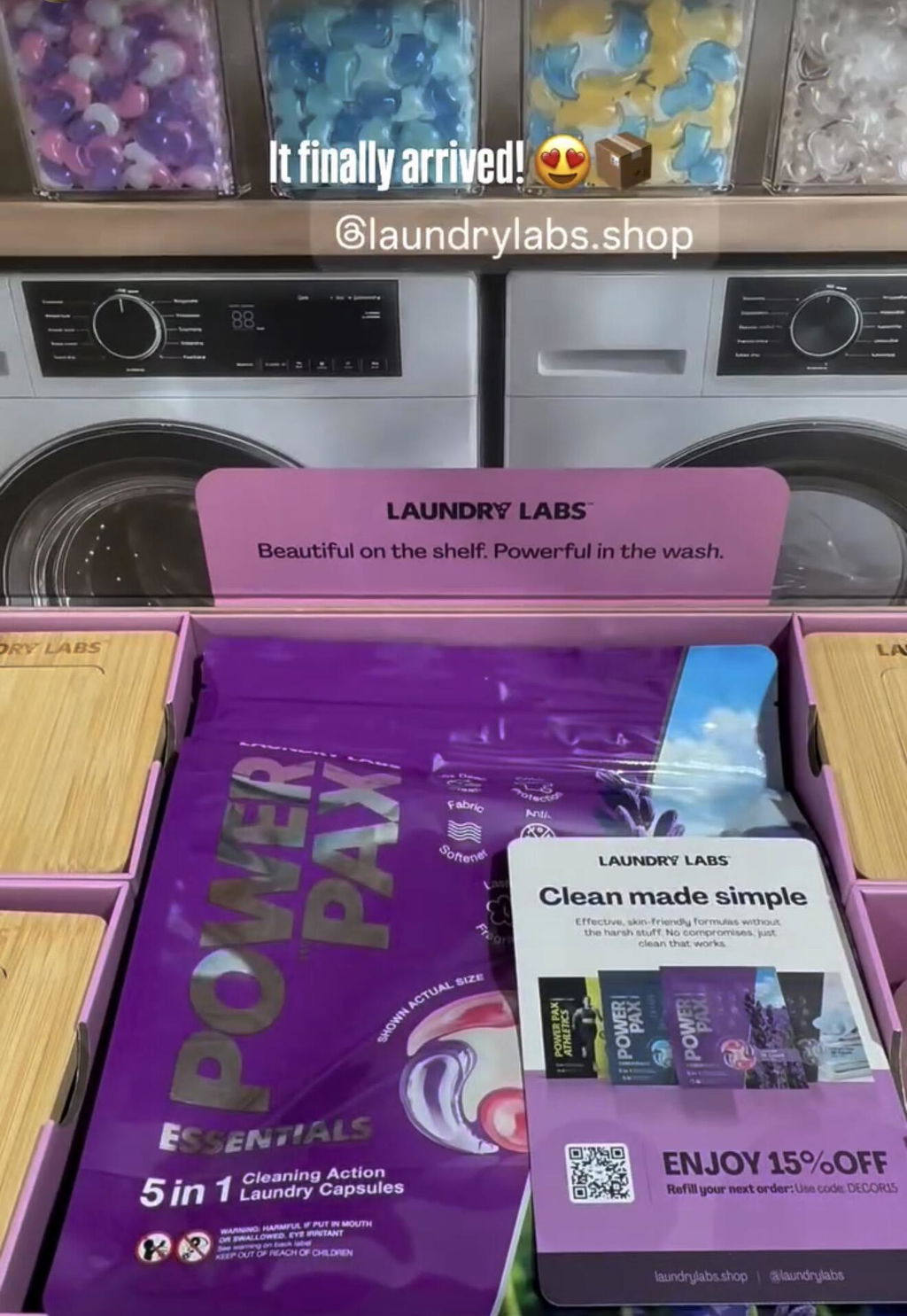
Environmentally safe laundry detergent has evolved from a niche product into a mainstream solution that meets commercial performance standards while protecting ecosystems and human health. By selecting certified products, optimizing wash procedures, and educating staff, organizations can significantly reduce their environmental footprint without compromising cleaning quality. Laundry Labs delivers powerful, eco-friendly laundry solutions through innovative capsule formulations that combine commercial-grade performance with genuine environmental responsibility, helping businesses achieve sustainability goals while maintaining operational excellence.